





How efficient are pure sine wave inverters for solar systems?
When integrating a pure sine wave inverter into your solar system, it's crucial to address specific concerns to ensure optimal performance and longevity. Below are six frequently asked questions by beginners, along with comprehensive answers to guide your decision-making process.
1. How does the efficiency of a pure sine wave inverter impact the overall performance of my solar system?
The efficiency of a pure sine wave inverter directly influences the amount of usable AC power generated from your solar panels. High-quality pure sine wave inverters typically achieve efficiencies between 90% and 95%, with some advanced models reaching up to 98% under optimal conditions. This high efficiency minimizes energy loss during the DC to AC conversion process, leading to:
Extended Battery Life: Less energy waste translates to longer battery runtime, which is particularly beneficial for off-grid solar systems.
Reduced Heat Generation: Efficient inverters produce less heat, enhancing the safety and durability of your system components.
Improved Appliance Performance: Sensitive electronics and motor-driven appliances operate more effectively, reducing the risk of damage and extending their lifespan.
2. What are the key factors that affect the efficiency of a pure sine wave inverter in a solar setup?
Several variables can influence the efficiency of your pure sine wave inverter:
Load Level: Inverters operate most efficiently at 50–80% of their rated capacity. Operating at lower or higher loads can decrease efficiency.
Temperature: Excessive heat can reduce efficiency. Maintaining an optimal operating temperature is essential for peak performance.
Battery Voltage: Stable voltage levels support smoother conversion processes, enhancing overall efficiency.
Inverter Design: Advanced circuitry, such as true sine wave technology, internal cooling mechanisms, and power-saving modes, contribute to better performance.
3. How does the Total Harmonic Distortion (THD) of a pure sine wave inverter affect the performance of sensitive electronic devices?
Total Harmonic Distortion (THD) measures the level of harmonic distortion present in the output waveform of an inverter. A lower THD indicates a cleaner, more stable power supply, which is crucial for the proper functioning of sensitive electronics. High THD can lead to:
Increased Wear and Tear: Devices may experience overheating and reduced operational life due to irregular voltage and current.
Operational Instability: Sensitive equipment, such as medical devices or audio systems, may malfunction or produce undesirable noise.
Therefore, selecting an inverter with a THD of less than 3% is advisable to ensure the longevity and reliability of your devices.
4. What are the potential drawbacks of using a pure sine wave inverter in a solar system?
While pure sine wave inverters offer numerous advantages, they also come with certain considerations:
Higher Initial Cost: The advanced technology and components used in pure sine wave inverters result in a higher upfront investment compared to modified sine wave inverters.
Idle Power Consumption: These inverters may consume more power when not actively powering devices, ranging from 10-50 watts depending on size.
Complex Design: The sophisticated circuitry can make them more susceptible to component failure, though quality units are generally reliable.
5. How does the waveform quality of a pure sine wave inverter affect the efficiency of solar panels?
The quality of the output waveform from an inverter can impact the efficiency of solar panels, especially in systems utilizing Maximum Power Point Tracking (MPPT) charge controllers. Pure sine wave inverters provide a clean and stable AC output, which is essential for the accurate operation of MPPT controllers. Using a modified sine wave inverter can lead to:
Reduced Solar Harvest Efficiency: MPPT controllers may misread voltage with distorted AC, leading to suboptimal energy extraction from solar panels.
Increased Wear on System Components: Harmonic distortions can cause additional stress on both the inverter and connected devices, potentially reducing their operational lifespan.
6. What are the long-term benefits of investing in a high-efficiency pure sine wave inverter for my solar system?
Investing in a high-efficiency pure sine wave inverter offers several long-term advantages:
Energy Savings: The reduced energy loss during conversion leads to lower electricity bills and a quicker return on investment.
Enhanced System Longevity: Less heat generation and reduced stress on components contribute to a longer lifespan for both the inverter and connected devices.
Improved Performance: Sensitive electronics and motor-driven appliances operate more effectively, reducing the risk of damage and extending their lifespan.
By carefully considering these factors, you can make an informed decision when selecting a pure sine wave inverter that aligns with your solar system's needs and ensures optimal performance.
For personalized advice and a detailed quote tailored to your specific requirements, please contact us at or visit our website at (http://www.csinverter.com).


OEM & ODM Services
What’s the main difference between your OEM and ODM services?
OEM uses your brand on our standard products; ODM creates entirely new products based on your concept or specification.
Pure Sine Wave Inverters
What is the reason for the inverter automatically shutting down during operation?
It is likely that the protection mechanism is triggered: 1. Load overload (total power of connected devices exceeds 1000W); 2. Abnormal input voltage (battery voltage <10.8V or >14.5V); 3. Device overtemperature (excessively high ambient temperature or cooling fan failure). It is recommended to disconnect some loads, check the battery voltage or clean the heat dissipation port before trying again.
What is the difference between labeled 6000W and full power 3000W?
Labeled 6000W is peak power, which is only used to cope with the instantaneous high-power demand during device startup (such as air conditioner, motor startup); full power 3000W is continuous power, referring to the power that the device can stably output for a long time. When driving appliances daily, 3000W should be used as a reference to avoid total power overload.
Modified Sine Wave Inverters
How many devices can it power at the same time?
Dual universal sockets + two USB ports can power multiple devices (such as two home appliances + two mobile phones) at the same time, as long as the total power does not exceed 600W.
Distributor
Do I need to carry inventory?
We offer flexible inventory options based on your market needs, and we can assist with supply chain management.
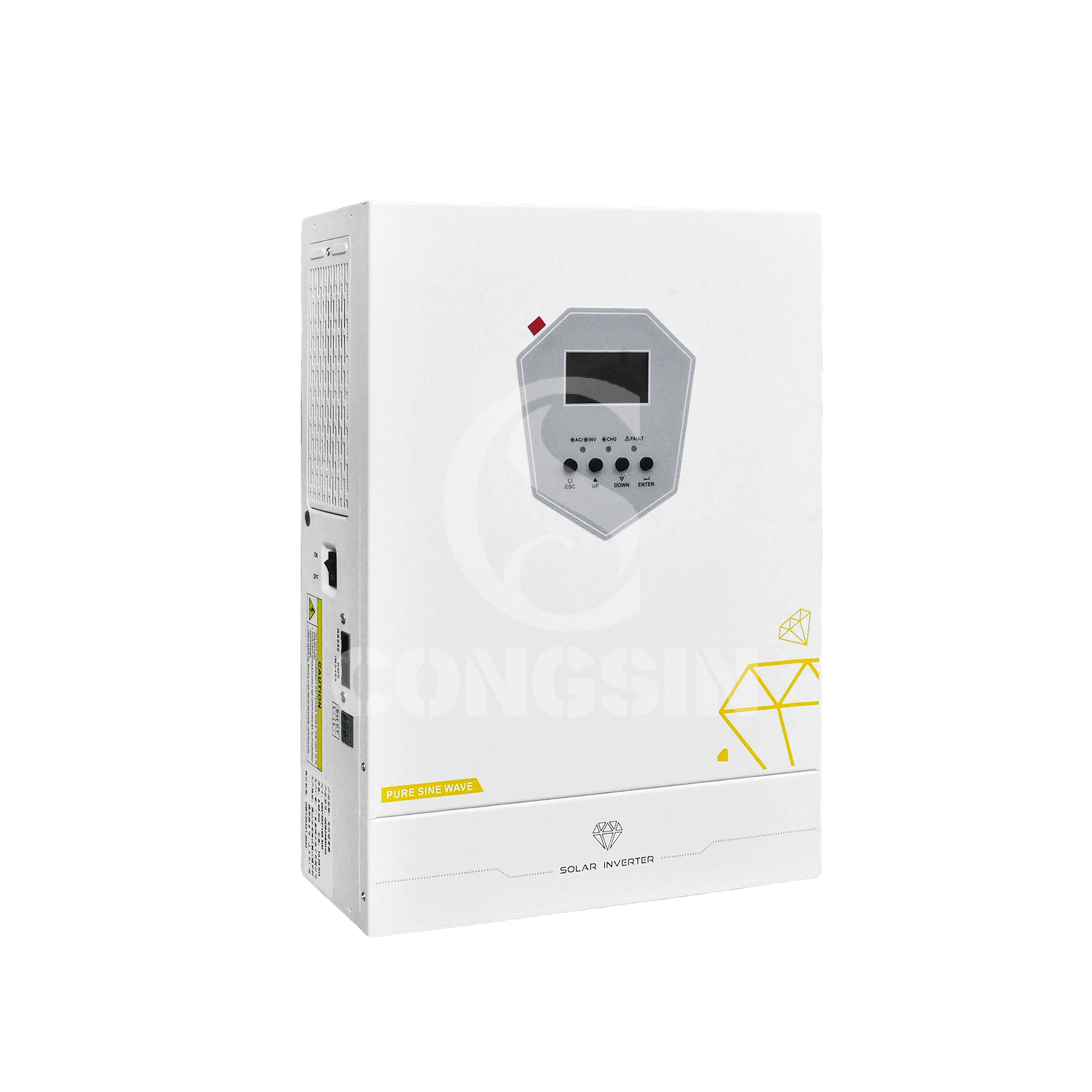
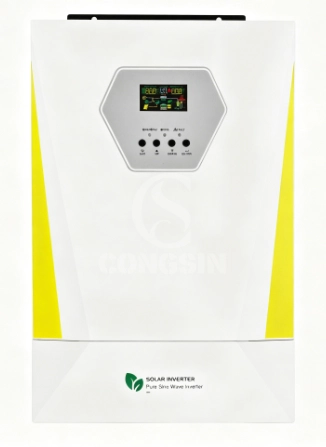
Power your solar system efficiently with the Congsin 4000W and 6000W Hybrid Inverter. Featuring an integrated MPPT Controller, this CE Certified inverter ensures optimal energy conversion. Monitor performance effortlessly via the intuitive LCD Display. Reliable, powerful, and ready for your sustainable energy needs.
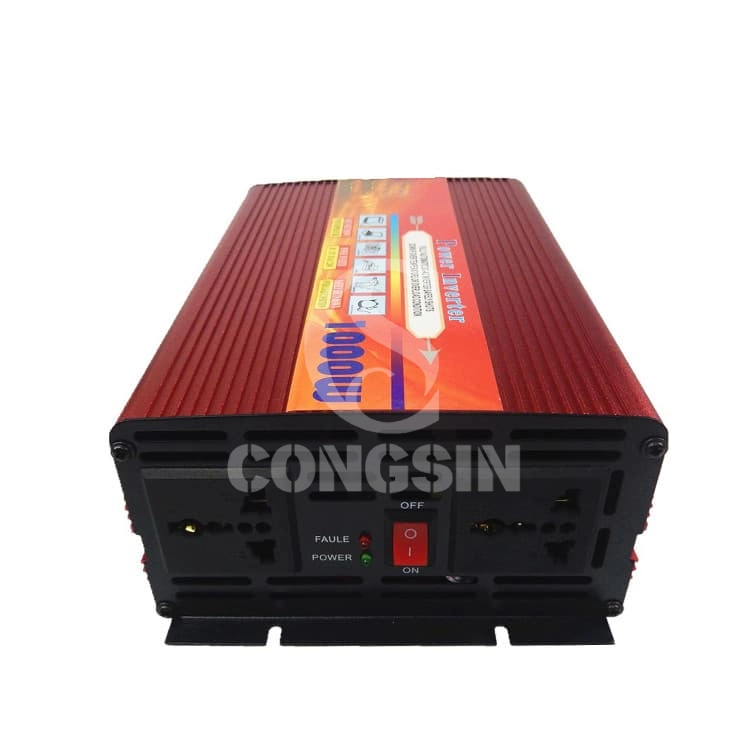
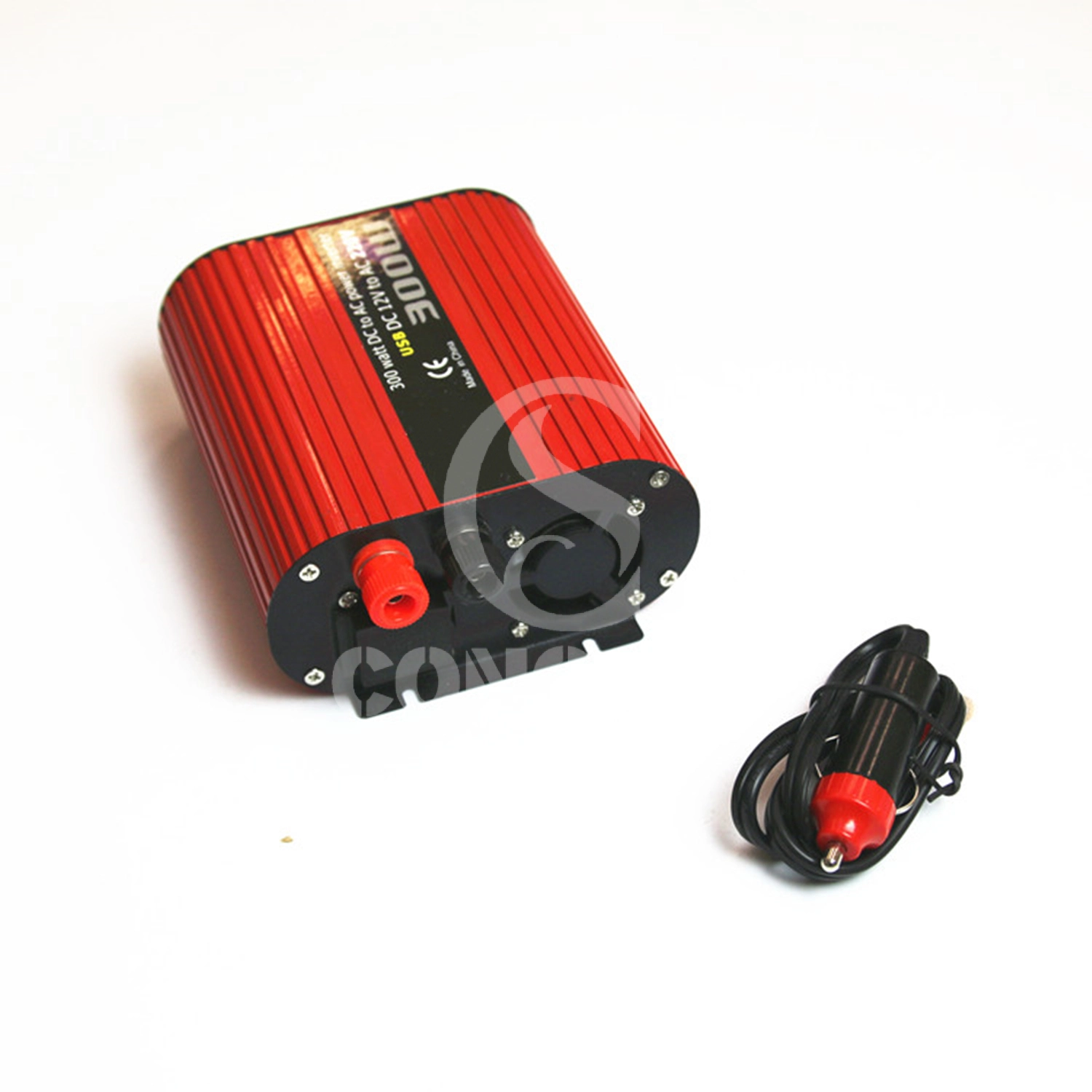
Congsin's Portable 150W Modified Sine Wave Inverter powers your journey! This versatile Car Power Inverter with USB acts as a reliable 12V to 220V converter, ensuring an essential off-grid power supply. With dual USB ports and a universal socket, enjoy convenient power on the go.
Get in Touch with Our Team
You can also communicate with us directly through our online contact form. Please fill in the following information, and our team will contact you as soon as possible after receiving your message.

CONGSIN is a trusted OEM factory for power inverters, solar charge controllers, and DC converters. Reliable solutions for global B2B buyers.
 High Quality
 7/24 Service
 Guaranteed Warranty
© 2025 Congsin. All Rights Reserved.
 WeChat
 Scan QR Code
sin cong
teaimei10
Whatsapp: +8618028086791
Scan QR Code