





What size pure sine wave inverter do I need for my equipment?
When considering the purchase of a pure sine wave inverter, it's crucial to address specific questions that often lack comprehensive answers online. Below are six detailed questions and their corresponding in-depth answers to guide you in making an informed decision.
1. How do I accurately determine the appropriate size of a pure sine wave inverter for my equipment?
To accurately size a pure sine wave inverter, follow these steps:
Calculate Total Continuous Wattage: List all devices you intend to power simultaneously and sum their continuous wattage requirements. For instance, if a refrigerator requires 200W and a fan 100W, the total continuous load is 300W.
Account for Surge (Startup) Power: Many appliances, especially those with motors, require additional power during startup, often 2–5 times their running wattage. For example, a refrigerator with a 200W running load may need up to 1000W at startup.
Consider Inverter Efficiency: Inverters typically operate at 85–95% efficiency. To ensure reliable performance, select an inverter with a continuous power rating that exceeds your total continuous load by about 20–30%.
By meticulously calculating these factors, you can select an inverter that meets your equipment's needs without overestimating, ensuring both efficiency and cost-effectiveness.
2. What are the key differences between pure sine wave and modified sine wave inverters, and how do they impact equipment performance?
Pure sine wave inverters produce a smooth, consistent waveform identical to grid power, making them suitable for all devices, including sensitive electronics like medical equipment, audio systems, and variable-speed motors. Modified sine wave inverters generate a stepped waveform that may cause issues such as overheating, reduced efficiency, and potential damage to sensitive devices. Therefore, for optimal performance and equipment longevity, especially when powering sensitive electronics, a pure sine wave inverter is recommended.
3. How do I calculate the battery capacity required to support my pure sine wave inverter system effectively?
To determine the necessary battery capacity:
Estimate Total Daily Energy Consumption: Multiply the wattage of each device by the number of hours it will operate daily. For example, a 100W light running for 5 hours consumes 500Wh.
Sum Daily Consumption: Add the daily energy consumption of all devices to find the total daily watt-hours.
Adjust for Battery Voltage: Divide the total daily watt-hours by the battery voltage (e.g., 12V) to find the required amp-hours.
Apply Depth of Discharge (DoD) Factor: To prolong battery life, avoid discharging batteries completely. For a 50% DoD, multiply the required amp-hours by 2.
Include Efficiency Losses: Account for energy losses in the system, typically around 10%, by multiplying the total by 1.1.
This comprehensive approach ensures your battery bank can reliably support your inverter system's energy demands.
4. What are the common pitfalls to avoid when purchasing a pure sine wave inverter?
When selecting a pure sine wave inverter, be mindful of the following:
Overlooking Efficiency Ratings: Choose inverters with high efficiency (ideally above 90%) to minimize energy loss and reduce operational costs.
Ignoring Battery Compatibility: Ensure the inverter is compatible with your battery type and voltage to maintain system integrity and performance.
Focusing Solely on Price: While cost is a factor, prioritize quality and reliability to ensure long-term performance and safety.
Neglecting Protection Features: Opt for inverters with built-in safeguards like over-voltage, under-voltage, overload, and short-circuit protection to protect both the inverter and connected devices.
By avoiding these pitfalls, you can select an inverter that offers optimal performance and durability for your power needs.
5. How does the efficiency of a pure sine wave inverter affect overall system performance and energy consumption?
Inverter efficiency directly impacts the amount of energy drawn from the battery to produce the desired output. An inverter with 90% efficiency means that to supply 1000W of AC power, it will draw approximately 1111W from the battery (1000W / 0.9). Higher efficiency reduces battery drain and operational costs, making it a critical factor in system design.
6. What are the advantages of using a pure sine wave inverter over other types, and how do they justify the investment?
Pure sine wave inverters provide several advantages:
Compatibility: They can power all types of devices, including sensitive electronics, without causing damage or interference.
Efficiency: They operate more efficiently, reducing energy consumption and extending battery life.
Reliability: They offer stable and consistent power output, ensuring the longevity of connected equipment.
While the initial investment may be higher, the long-term benefits in terms of equipment protection, energy savings, and system reliability justify the cost.
In conclusion, understanding the intricacies of pure sine wave inverters, including accurate sizing, efficiency considerations, and compatibility, is essential for making informed purchasing decisions. By addressing these factors, you can ensure a reliable and efficient power system tailored to your specific needs.
For personalized assistance and a detailed quote, please contact us at info@csinverter.com or visit our website at www.csinverter.com.


Pure Sine Wave Inverters
Does it have a charging (UPS) function?
No, this model is a pure inverter without UPS function.
Can it drive a 3P air conditioner and an electric oven at the same time?
Total power needs to be calculated: the rated power of a 3P air conditioner is about 2200W-2500W, and the electric oven is about 1500W-2000W. The total power is 3700W-4500W, which exceeds the 3000W continuous power, so simultaneous use is not recommended; if used alone, the 6000W peak can meet the startup needs of both, and the battery capacity must be ≥200Ah (12V) when used alone.
Modified Sine Wave Inverters
Is the cooling fan noisy?
The fan is designed for heat dissipation and will make some noise during operation, but it is within a reasonable range and will not interfere with normal use.
Is it a pure sine wave or a modified sine wave? What's the difference?
This is a modified sine wave inverter, suitable for most conventional home appliances and electronic devices; pure sine wave is suitable for precision devices with extremely high power requirements. This modified sine wave is more cost-effective at 2000W, meeting the needs of most scenarios.
What devices can this inverter power?
Rated for 600W, peak 1000W. Recommended to use devices under 80% of rated capacity.
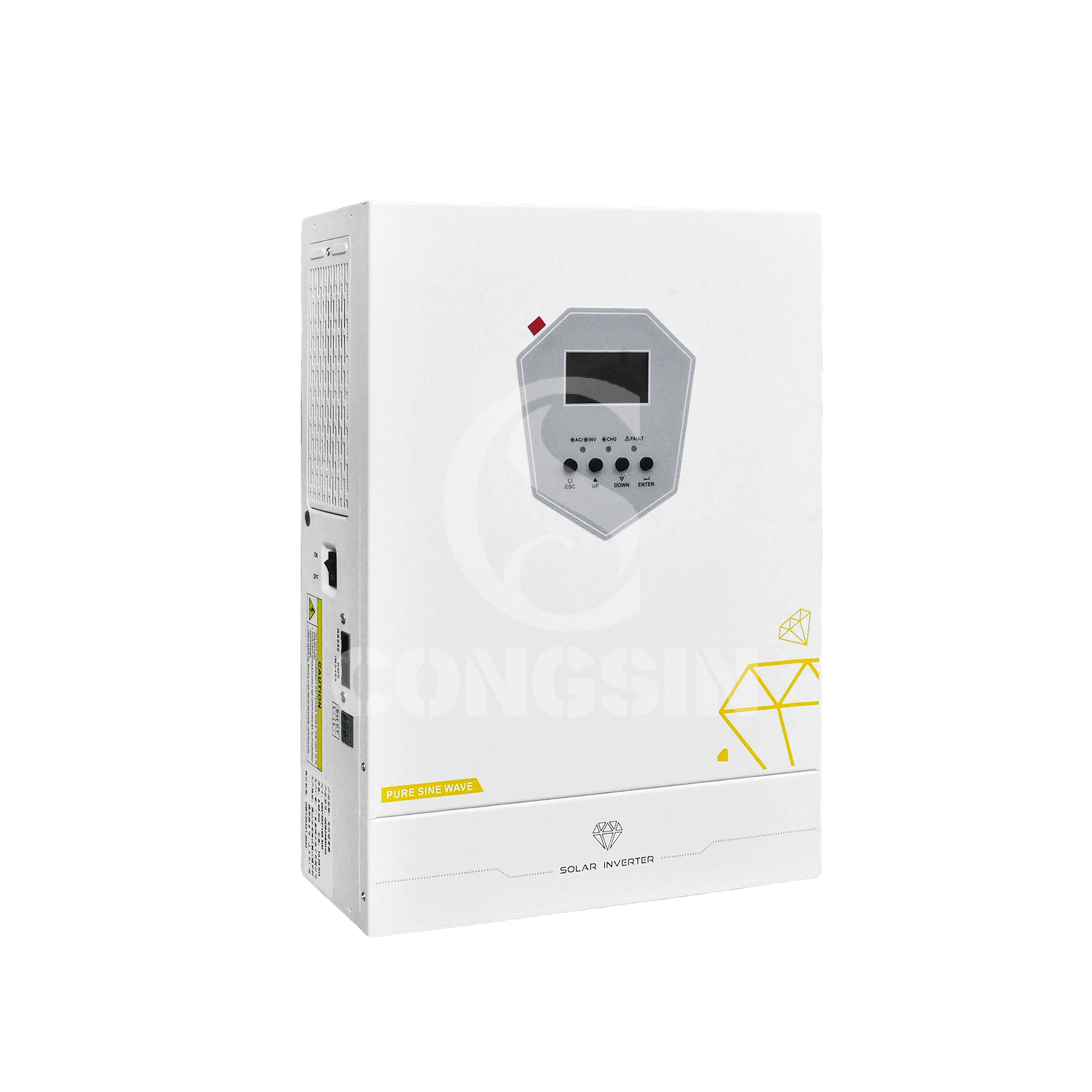
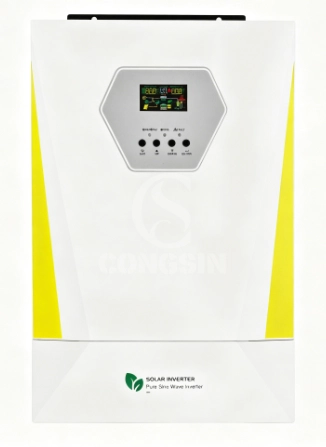
Power your solar system efficiently with the Congsin 4000W and 6000W Hybrid Inverter. Featuring an integrated MPPT Controller, this CE Certified inverter ensures optimal energy conversion. Monitor performance effortlessly via the intuitive LCD Display. Reliable, powerful, and ready for your sustainable energy needs.
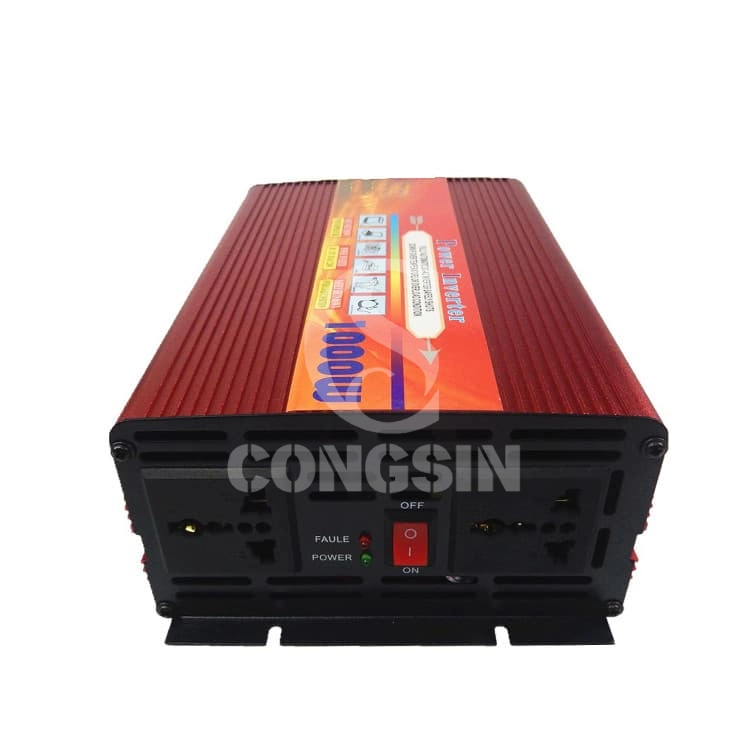
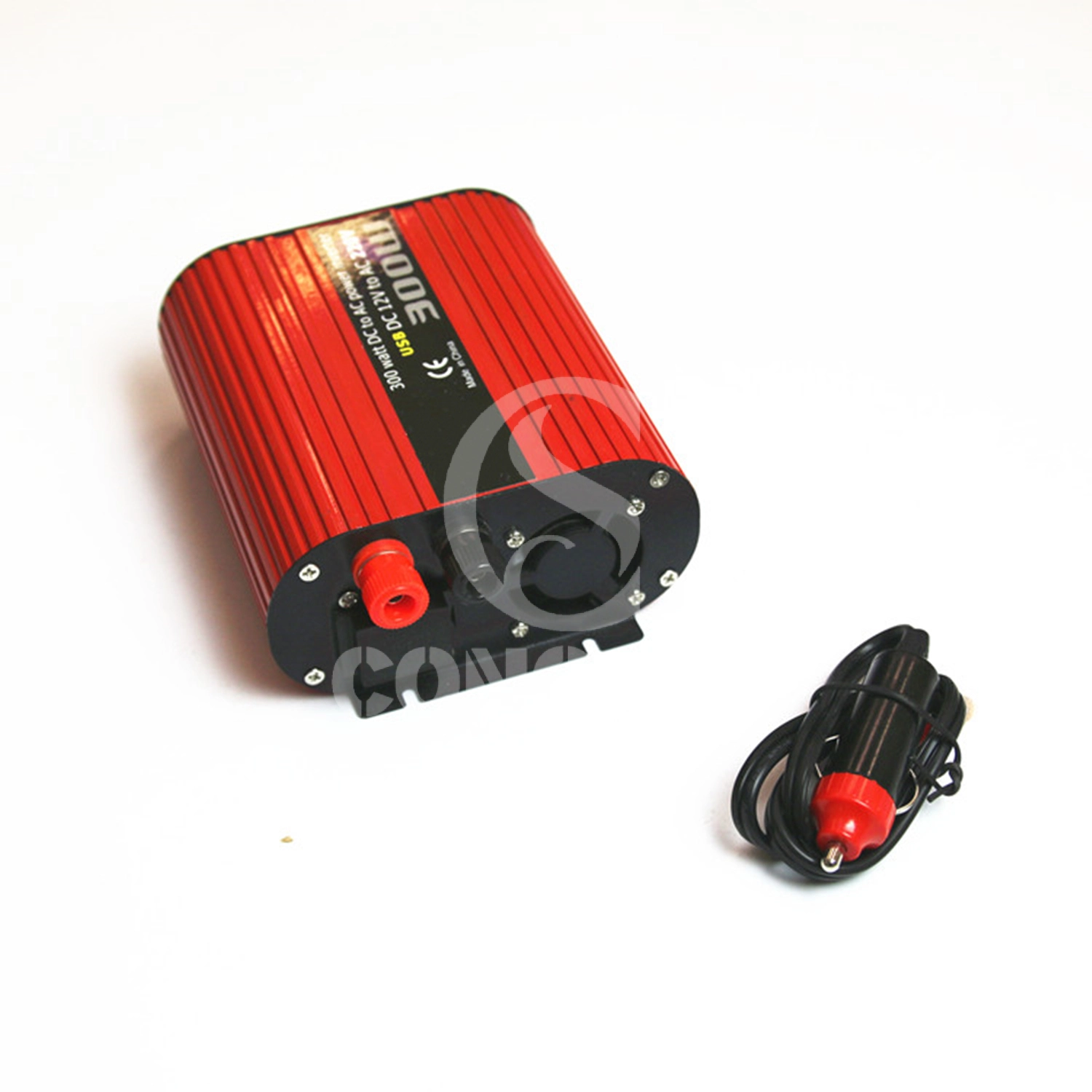
Congsin's Portable 150W Modified Sine Wave Inverter powers your journey! This versatile Car Power Inverter with USB acts as a reliable 12V to 220V converter, ensuring an essential off-grid power supply. With dual USB ports and a universal socket, enjoy convenient power on the go.
Get in Touch with Our Team
You can also communicate with us directly through our online contact form. Please fill in the following information, and our team will contact you as soon as possible after receiving your message.

CONGSIN is a trusted OEM factory for power inverters, solar charge controllers, and DC converters. Reliable solutions for global B2B buyers.
 High Quality
 7/24 Service
 Guaranteed Warranty
© 2025 Congsin. All Rights Reserved.
 WeChat
 Scan QR Code
sin cong
teaimei10
Whatsapp: +8618028086791
Scan QR Code