





How to match your battery bank with an off-grid inverter?
When setting up an off-grid solar system, one of the most critical decisions is matching your battery bank with an appropriate off-grid inverter. This pairing directly influences the efficiency, reliability, and lifespan of your energy system. Below are six specific questions frequently asked by beginners, along with in-depth answers to guide you through this process.
1. How do I determine the correct battery bank voltage to match my off-grid inverter?
The voltage of your battery bank must align with the input voltage requirements of your off-grid inverter. Common system voltages include 12V, 24V, and 48V. For instance, if your inverter operates at 24V, your battery bank should also be configured to 24V. Mismatched voltages can lead to inefficiencies, potential damage to components, or complete system failure.
2. What are the risks of mixing different battery brands or ages in my off-grid system?
Combining batteries of different brands or ages can result in imbalanced voltages, reduced overall capacity, and increased strain on newer cells. This imbalance can shorten the lifespan of the entire battery bank. For optimal performance, all batteries in an off-grid system should be identical in terms of brand, model, age, and cycle history.
3. How can I ensure my off-grid inverter is compatible with my chosen battery chemistry?
Different battery chemistries, such as lithium iron phosphate (LiFePO₄) and lead-acid, have distinct charging profiles and voltage ranges. It's essential to select an inverter that supports the specific battery type you intend to use. For example, LiFePO₄ batteries require inverters with configurable low-voltage cutoffs and programmable charging voltages. Using an incompatible inverter can lead to inefficient performance and potential damage to both the inverter and batteries.
4. What are the consequences of using undersized or oversized inverters with my battery bank?
An undersized inverter may struggle to handle peak surge loads from appliances, leading to tripping or failure. Conversely, an oversized inverter can discharge batteries unevenly, causing voltage sags and reducing the inverter's lifespan. It's crucial to size your inverter appropriately to accommodate the maximum simultaneous load, including any surge requirements, to maintain stable power delivery.
5. How do I calculate the appropriate battery bank size for my off-grid system?
To determine the correct battery bank size, first calculate your daily energy consumption in watt-hours (Wh). Then, divide this by the system voltage to find the required ampere-hours (Ah). For example, if your daily usage is 5,000 Wh and your system operates at 24V, the calculation would be 5,000 Wh ÷ 24V = 208.33 Ah. It's advisable to add a safety margin to account for days with low sunlight or increased energy usage.
6. What are the best practices for wiring my battery bank to the off-grid inverter?
Proper wiring is essential for system efficiency and safety. Use appropriately sized cables to minimize voltage drop and prevent overheating. Ensure all connections are tight and secure to avoid resistance and potential fire hazards. Additionally, incorporate fuses or circuit breakers to protect against short circuits and overloads. Always adhere to national and local electrical codes when installing your system.
By carefully considering these factors, you can ensure a harmonious and efficient integration between your off-grid inverter and battery bank, leading to a reliable and long-lasting off-grid energy system.
For personalized assistance and a detailed quote tailored to your specific needs, please contact us at info@csinverter.com or visit our website at www.csinverter.com.


Modified Sine Wave Inverters
What devices can it power?
Suitable for fans, lights, TVs, laptops, and small electric tools.
Can 4 USB ports fast charge at the same time?
Yes, 4 USB ports can fast charge mobile phones, tablets and other devices at the same time, meeting the needs of simultaneous charging of multiple devices.
Is it a pure sine wave or a modified sine wave? What's the difference?
This is a modified sine wave inverter, suitable for most conventional home appliances and electronic devices; pure sine wave is suitable for precision devices with extremely high power requirements. This modified sine wave is more cost-effective at 2000W, meeting the needs of most scenarios.
Pure Sine Wave Inverters
What is the difference between labeled 6000W and full power 3000W?
Labeled 6000W is peak power, which is only used to cope with the instantaneous high-power demand during device startup (such as air conditioner, motor startup); full power 3000W is continuous power, referring to the power that the device can stably output for a long time. When driving appliances daily, 3000W should be used as a reference to avoid total power overload.
Does it have a charging (UPS) function?
No, this model is a pure inverter without UPS function.
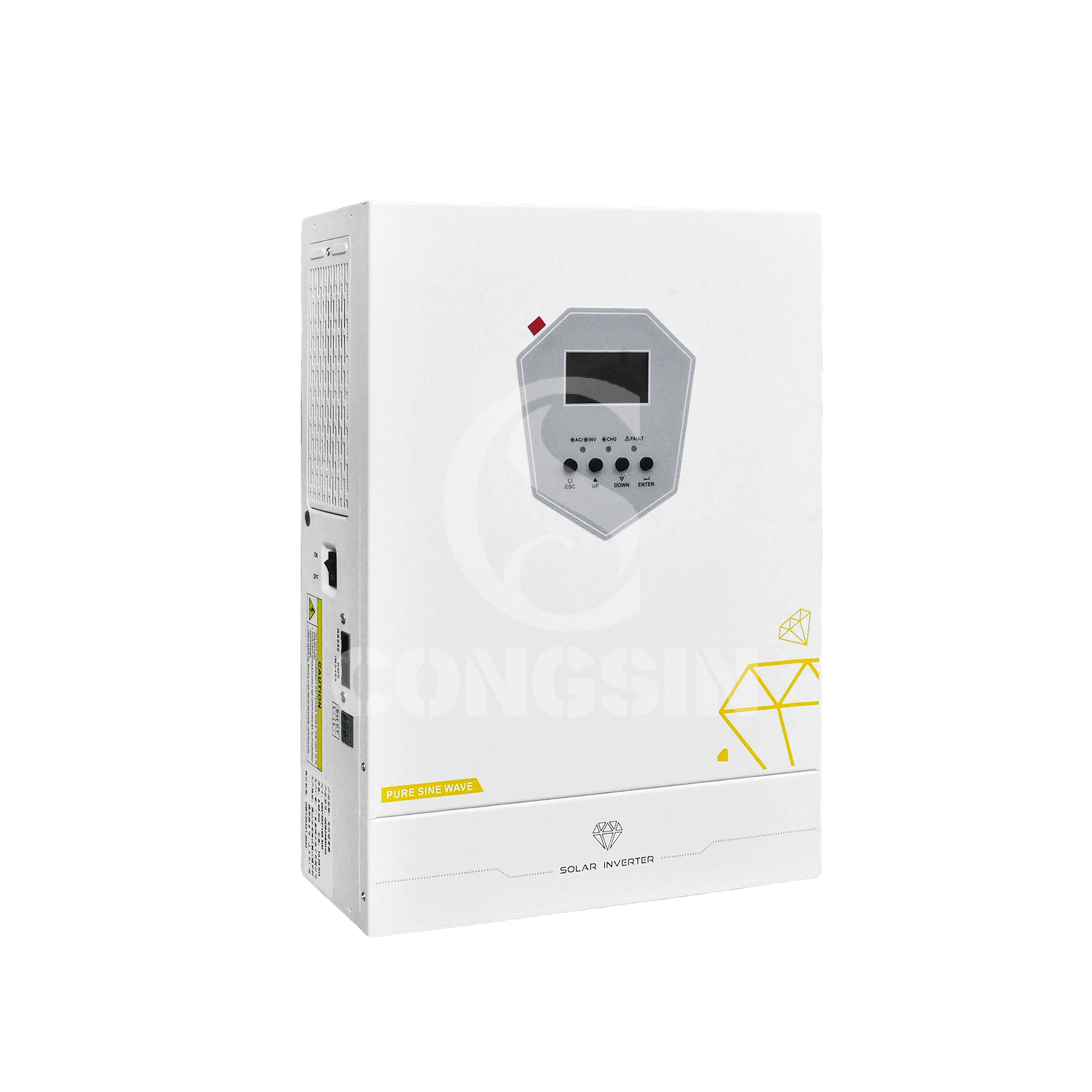
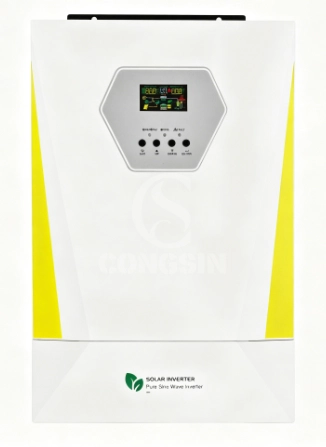
Power your solar system efficiently with the Congsin 4000W and 6000W Hybrid Inverter. Featuring an integrated MPPT Controller, this CE Certified inverter ensures optimal energy conversion. Monitor performance effortlessly via the intuitive LCD Display. Reliable, powerful, and ready for your sustainable energy needs.
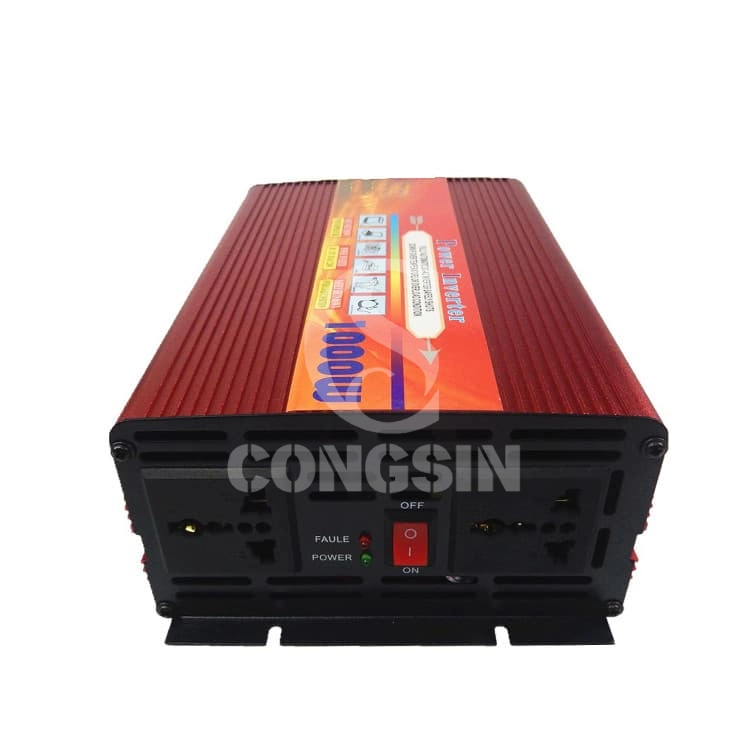
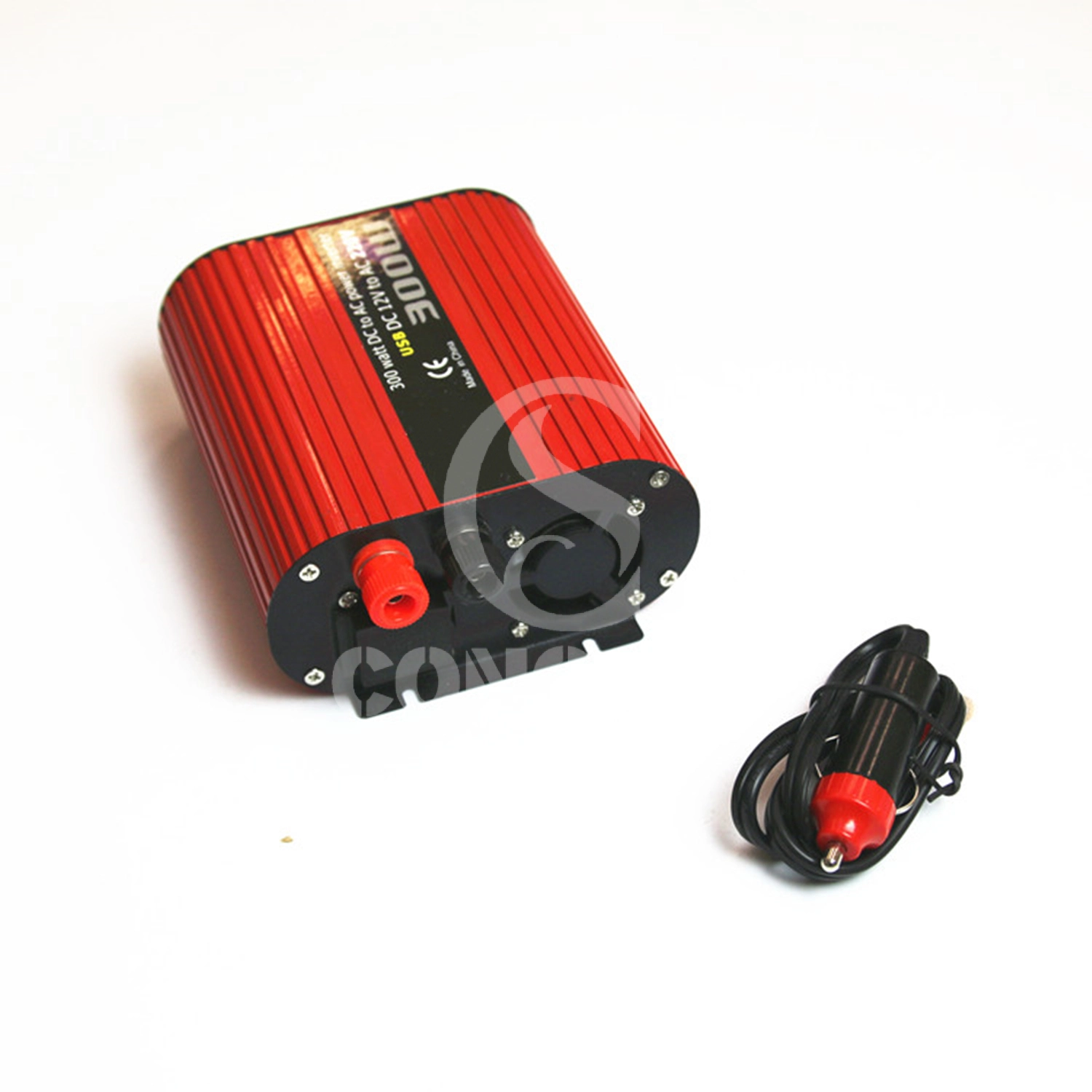
Congsin's Portable 150W Modified Sine Wave Inverter powers your journey! This versatile Car Power Inverter with USB acts as a reliable 12V to 220V converter, ensuring an essential off-grid power supply. With dual USB ports and a universal socket, enjoy convenient power on the go.
Get in Touch with Our Team
You can also communicate with us directly through our online contact form. Please fill in the following information, and our team will contact you as soon as possible after receiving your message.

CONGSIN is a trusted OEM factory for power inverters, solar charge controllers, and DC converters. Reliable solutions for global B2B buyers.
 High Quality
 7/24 Service
 Guaranteed Warranty
© 2025 Congsin. All Rights Reserved.
 WeChat
 Scan QR Code
sin cong
teaimei10
Whatsapp: +8618028086791
Scan QR Code