





How do I size an off-grid inverter for my system?
- 1. How do I determine the appropriate continuous power rating for my off-grid inverter?
- 2. What is the significance of surge capacity in off-grid inverters, and how do I account for it?
- 3. How do I choose between pure sine wave and modified sine wave inverters for my off-grid system?
- 4. What are the common mistakes in off-grid inverter sizing, and how can I avoid them?
- 5. How do environmental factors affect off-grid inverter performance, and what considerations should I make?
- 6. How do I plan for future expansion when sizing my off-grid inverter?
1. How do I determine the appropriate continuous power rating for my off-grid inverter?
To accurately size the continuous power rating of your off-grid inverter, follow these steps:
Identify All Simultaneous Loads: List all appliances and devices you intend to operate simultaneously.
Calculate Total Continuous Wattage: Sum the running wattages of these devices. For instance, if you plan to run a refrigerator (200W), a television (100W), and lighting (300W), the total continuous load is 600W.
Add a Safety Margin: To account for efficiency losses and potential future additions, add a buffer of 20-30% to the total continuous load. In this example, 600W + 30% = 780W.
Select an Inverter with Matching or Higher Rating: Choose an inverter with a continuous power rating equal to or greater than the adjusted total. In this case, a 1,000W inverter would be suitable.
This approach ensures that your inverter can handle the continuous power demands of your off-grid system without overloading.
2. What is the significance of surge capacity in off-grid inverters, and how do I account for it?
Surge capacity refers to an inverter's ability to handle short-term power spikes, typically during the startup of appliances with motors, such as refrigerators or well pumps. To account for surge capacity:
Identify Appliances with High Startup Surge: Devices like refrigerators, air conditioners, and power tools often require 2-5 times their running wattage at startup. For example, a refrigerator with a running wattage of 200W may require a surge capacity of 600-1,000W.
Calculate Total Surge Requirement: Determine the combined surge wattage of all such appliances that might start simultaneously.
Select an Inverter with Adequate Surge Capacity: Ensure the inverter's surge rating meets or exceeds the combined surge requirement. For instance, if the total surge requirement is 3,000W, choose an inverter with a surge capacity of at least 3,000W.
Properly accounting for surge capacity prevents inverter overloads and ensures reliable operation of your off-grid system.
3. How do I choose between pure sine wave and modified sine wave inverters for my off-grid system?
When selecting an inverter type:
Pure Sine Wave Inverters: Provide clean, high-quality power similar to grid electricity, making them suitable for sensitive electronics, appliances with motors, and devices requiring precise voltage. They are more efficient but come at a higher cost.
Modified Sine Wave Inverters: Offer a more basic form of power, adequate for simple devices like incandescent lights and basic tools. However, they can cause issues with sensitive electronics, such as flickering or reduced lifespan. They are less expensive but less efficient.
For most off-grid applications, especially those involving modern electronics or appliances with motors, a pure sine wave inverter is recommended to ensure optimal performance and longevity.
4. What are the common mistakes in off-grid inverter sizing, and how can I avoid them?
Common mistakes include:
Undersizing the Inverter: Selecting an inverter with insufficient capacity can lead to frequent overloads and system failures. To avoid this, accurately calculate your total continuous and surge power requirements and add a safety margin.
Oversizing the Inverter: Choosing an inverter with excessive capacity can result in higher upfront costs and reduced efficiency. Match the inverter size closely to your actual power needs, considering potential future expansions.
Ignoring Surge Requirements: Failing to account for appliances with high startup surges can cause inverter overloads. Ensure your inverter's surge capacity meets the combined surge demands of all applicable devices.
Mismatched Voltage Levels: Using an inverter with a voltage rating incompatible with your battery bank can lead to inefficiencies or system failure. Ensure voltage compatibility across all components.
By being aware of these pitfalls and carefully planning your system, you can enhance the reliability and efficiency of your off-grid setup.
5. How do environmental factors affect off-grid inverter performance, and what considerations should I make?
Environmental factors such as temperature, humidity, and altitude can impact inverter performance:
Temperature: Extreme temperatures can affect inverter efficiency and lifespan. Ensure your inverter is rated for the temperature range of your location and consider installing it in a climate-controlled environment if necessary.
Humidity: High humidity can lead to corrosion and electrical issues. Choose an inverter with appropriate ingress protection (IP) ratings to safeguard against moisture.
Altitude: Higher altitudes can reduce air density, affecting cooling efficiency. If operating at high altitudes, select an inverter designed to perform under these conditions.
Considering these environmental factors ensures optimal inverter performance and longevity in your off-grid system.
6. How do I plan for future expansion when sizing my off-grid inverter?
To accommodate future growth:
Assess Potential Future Loads: Consider additional appliances, devices, or energy needs you might have in the coming years.
Add a Safety Margin: Include a buffer of 20-30% above your current and projected power requirements to account for future expansion.
Choose a Modular Inverter: Select an inverter that allows for easy upgrades or expansion, such as those with stackable capabilities or scalable designs.
Planning for future expansion ensures your off-grid system remains reliable and adaptable to your evolving energy needs.
By addressing these specific questions and considerations, you can make informed decisions when selecting and sizing an off-grid inverter, leading to a more efficient and reliable off-grid power system.
For personalized assistance and a tailored quote, please contact us at info@csinverter.com or visit our website at www.csinverter.com.


Pure Sine Wave Inverters
Can it be used in RVs or trucks?
Yes. The device input voltage is DC 12V, which matches the battery voltage of RVs and trucks. It can be connected via battery clips or cigarette lighter interface (need to confirm that the maximum current of the cigarette lighter is ≥10A) to supply power to car refrigerators, parking air conditioners, laptops, etc.
Modified Sine Wave Inverters
Is it a pure sine wave or a modified sine wave? What's the difference?
This is a modified sine wave inverter, suitable for most conventional home appliances and electronic devices; pure sine wave is suitable for precision devices with extremely high power requirements. This modified sine wave is more cost-effective at 2000W, meeting the needs of most scenarios.
Does it only support DC12V input voltage?
The regular model has DC12V input, and other input voltages such as DC24V can be customized. Please consult customer service for details.
What is the function of the independent control switch?
The independent control switches for DC and AC can respectively control the on and off of DC and AC circuits, facilitating the separate management of power supply for different types of devices and improving power usage safety and flexibility.
Products
Can I customize the logo?
Yes, OEM/ODM service is available.
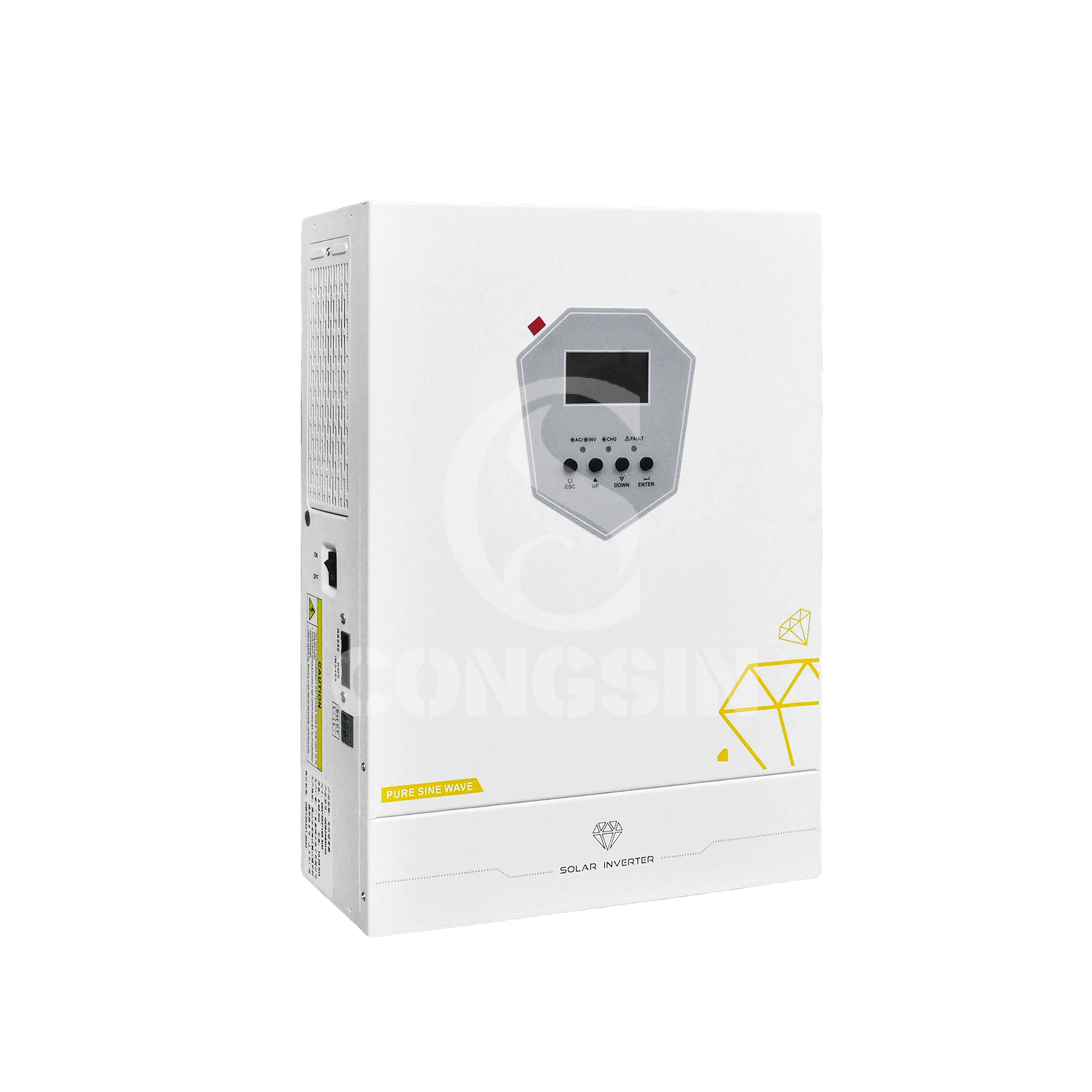
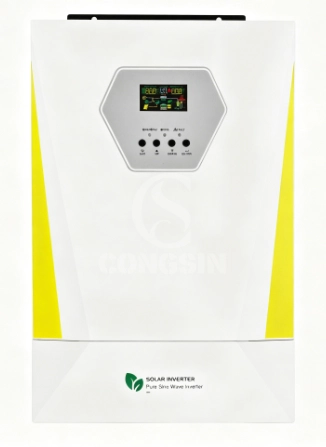
Power your solar system efficiently with the Congsin 4000W and 6000W Hybrid Inverter. Featuring an integrated MPPT Controller, this CE Certified inverter ensures optimal energy conversion. Monitor performance effortlessly via the intuitive LCD Display. Reliable, powerful, and ready for your sustainable energy needs.
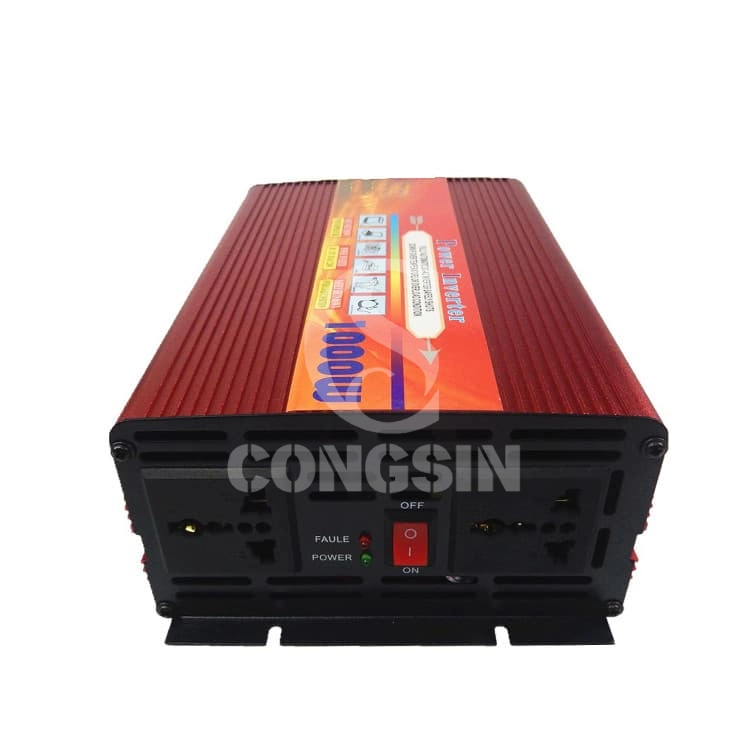
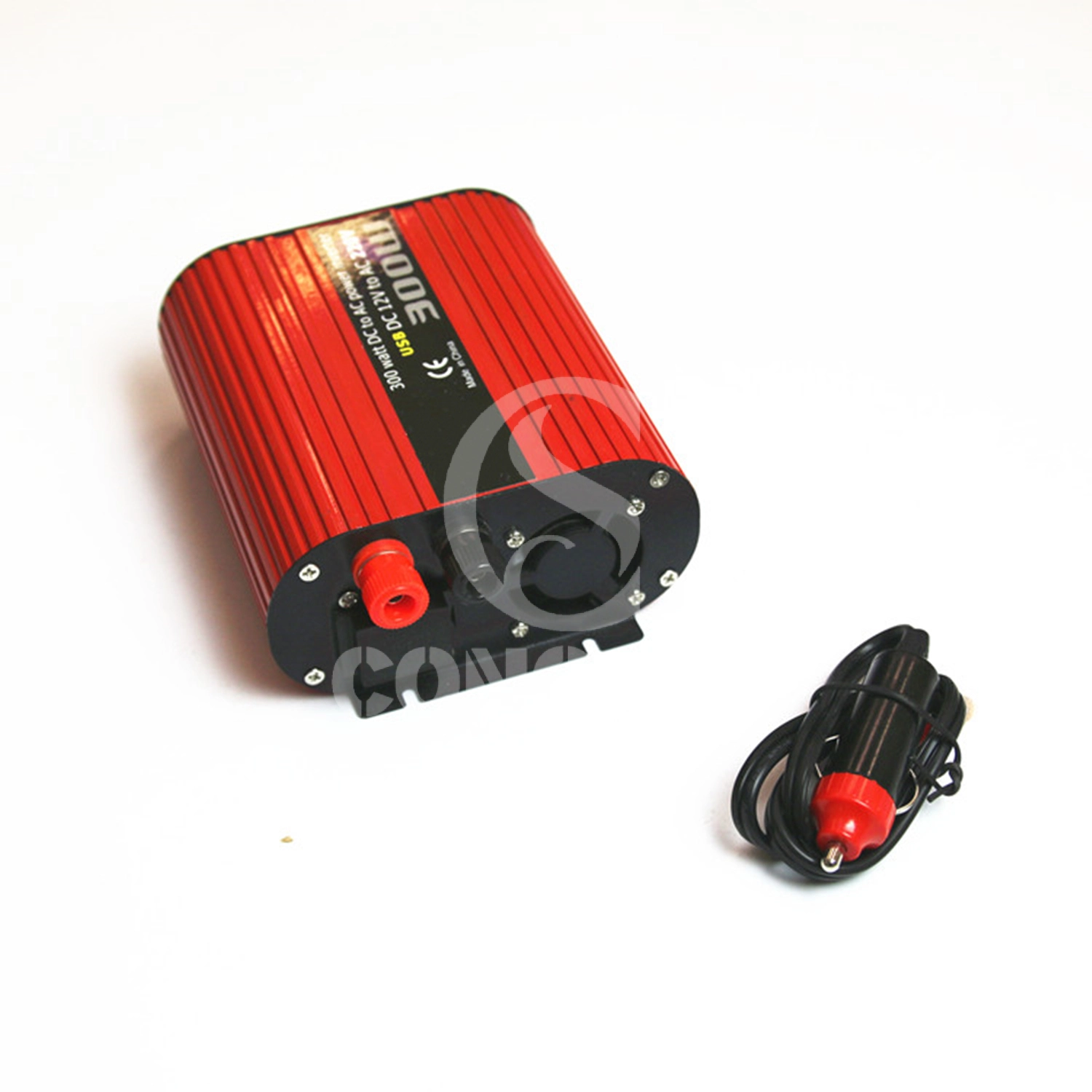
Congsin's Portable 150W Modified Sine Wave Inverter powers your journey! This versatile Car Power Inverter with USB acts as a reliable 12V to 220V converter, ensuring an essential off-grid power supply. With dual USB ports and a universal socket, enjoy convenient power on the go.
Get in Touch with Our Team
You can also communicate with us directly through our online contact form. Please fill in the following information, and our team will contact you as soon as possible after receiving your message.

CONGSIN is a trusted OEM factory for power inverters, solar charge controllers, and DC converters. Reliable solutions for global B2B buyers.
 High Quality
 7/24 Service
 Guaranteed Warranty
© 2025 Congsin. All Rights Reserved.
 WeChat
 Scan QR Code
sin cong
teaimei10
Whatsapp: +8618028086791
Scan QR Code