





Solar Inverter Design Trends & Feature Upgrades (2024-2026): A Deep Dive Into CONGSIN’s 2026 New Releases
In recent years, solar and vehicle-mounted inverters have evolved from basic “power converters” to all-in-one energy hubs—driven by user demand for portability, speed, and versatility. Below, we break down the key functional upgrades of 2024-2026, and how CONGSIN’s 2026 lineup leads these shifts. Functional Upgrade 1: Integrated Multi-Port Charging (Beyond Basic Inversion) Older inverters only converted DC to AC—leaving users to carry separate chargers for phones/laptops. The 2024-2026 trend? Seamless integration of AC inversion + multi-protocol fast charging in a single device. CONGSIN’s 2026 red vehicle-mounted inverter (below) exemplifies this:
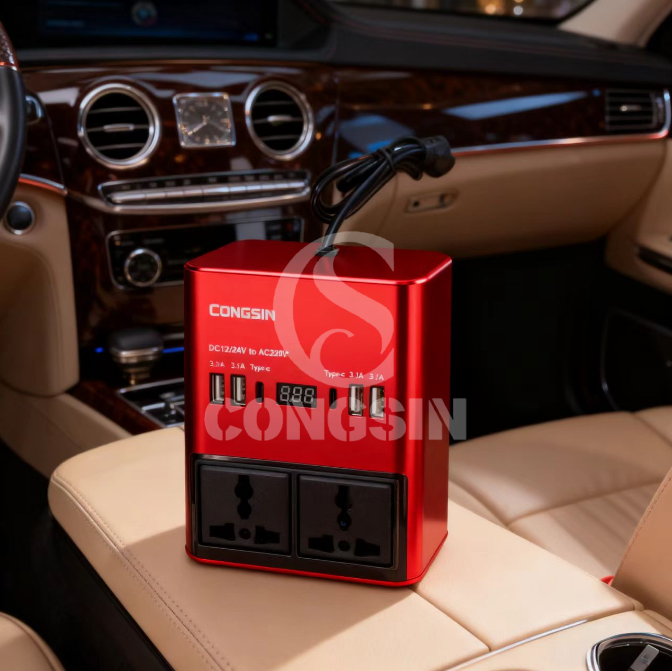
Dual-purpose core: It converts 12V/24V DC (car/solar) to 220V AC (via 2 universal outlets, compatible with global plugs) and includes 4 high-speed charging ports: o2 Type-C ports (3.1A each, supporting PD 3.0 for tablets/laptops) o2 USB-A ports (3.1A each, for smartphones/earbuds) Smart monitoring: The built-in digital display shows real-time voltage, current, and load status—preventing overcharging or power overloads (a critical safety upgrade from older “blind” inverters). This means users can power a portable blender and charge two phones + a laptop—no extra chargers needed. Functional Upgrade 2: High-Wattage Fast Charging for Power-Hungry Devices As devices like 16-inch MacBooks (67W charging) or gaming tablets (45W) become mainstream, 2024-2026 inverters now prioritize multi-wattage, multi-protocol charging support (not just 18W “fast” charging). CONGSIN’s 2026 blue 200W inverter (below) raises the bar:
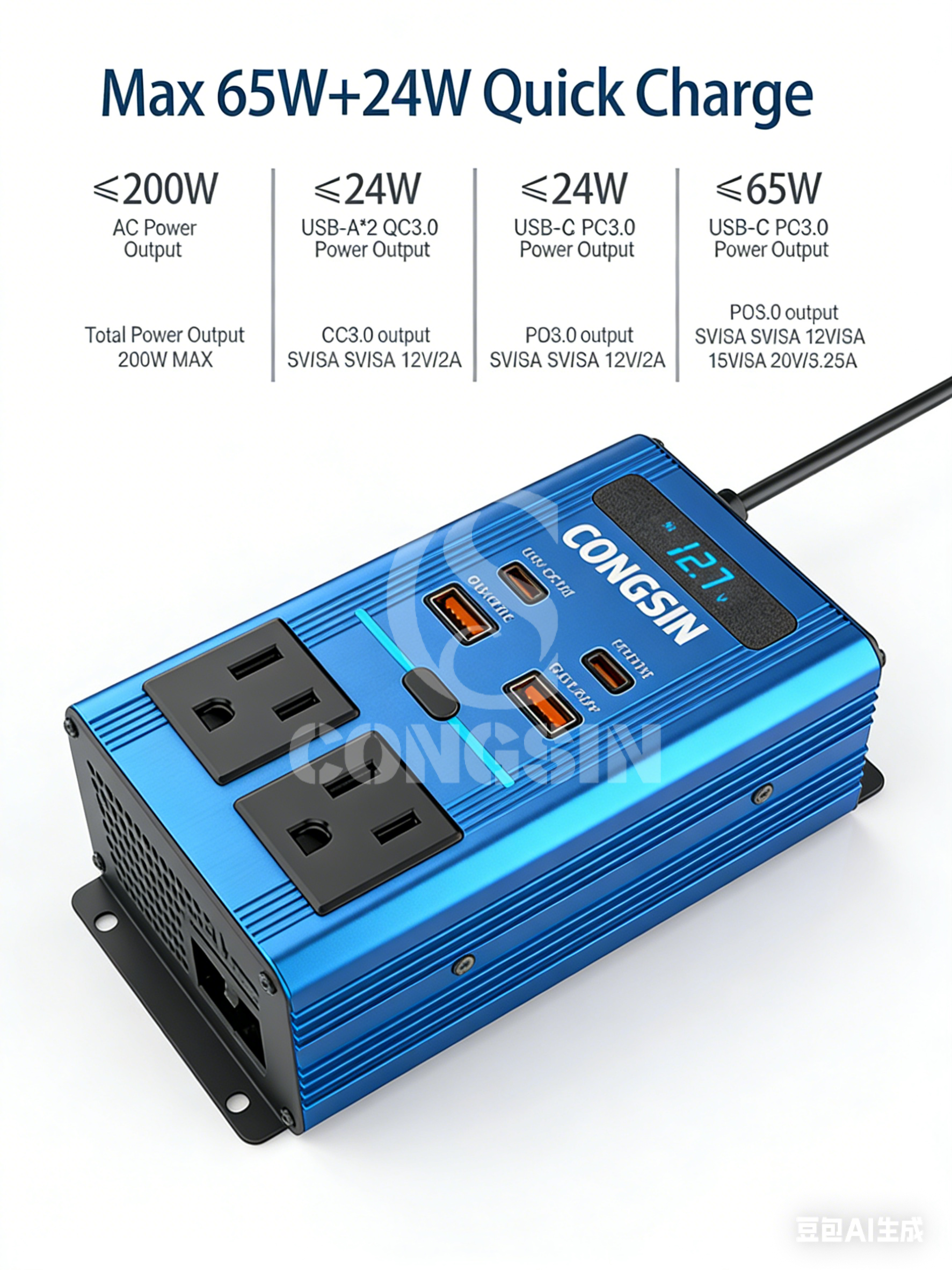
65W PD 3.0 + 24W QC 3.0: Its top USB-C port delivers 65W (enough to charge a 16-inch MacBook Pro from 0-50% in 30 minutes), while two USB-A ports offer 24W QC 3.0 (for Android devices). Load balancing: The inverter automatically allocates power between AC outlets (200W max) and charging ports—so running a 150W mini-fridge won’t slow down laptop charging. This solves a major pain point of older inverters: “fast charging” that only worked for phones, not power-hungry gear. Functional Upgrade 3: Scalable Port Layouts (For Group/Heavy Use) 2024-2026 users aren’t just charging 1-2 devices—they’re powering gear for families, teams, or remote setups. The trend? Scalable port counts + user-friendly layouts to avoid plug overlap. CONGSIN’s 2026 blue multi-port inverter (below) delivers: 3 AC outlets + 5 USB ports:
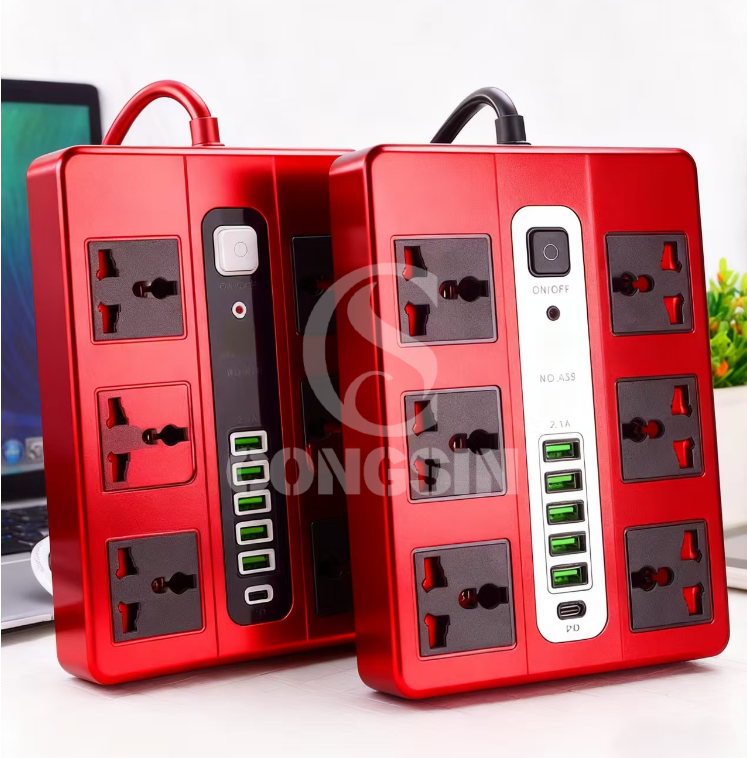
It supports up to 8 devices at once (e.g., 2 laptops, 1 portable fan, 3 phones, 1 tablet). Non-overlapping design: AC outlets are stacked vertically (instead of side-by-side) to fit bulkier plugs (like laptop adapters), while USB ports are spaced to prevent charger crowding. Independent controls: A dedicated power button lets users turn AC outlets on/off without disrupting USB charging—saving energy when only gadgets need power. This is a game-changer for camping trips, job sites, or road trips with multiple passengers. Functional Upgrade 4: Durability + Heat Dissipation (For Continuous Use) Older inverters often overheated during long sessions (e.g., powering a laptop for 8+ hours). 2024-2026 designs focus on thermal efficiency + rugged materials for reliability. CONGSIN’s 2026 red dual-inverter lineup (below) demonstrates this: Aluminum alloy casing: The matte red body acts as a heat sink (dissipating heat 3x faster than plastic), while scratch-resistant coating handles bumps/knocks during travel. Ventilation design: Hidden side vents circulate air without letting in dust—critical for off-grid use (e.g., desert camping). Overload protection: Built-in fuses and voltage cutoffs shut down the device if load exceeds capacity (a safety upgrade that prevents damage to both the inverter and connected gear).
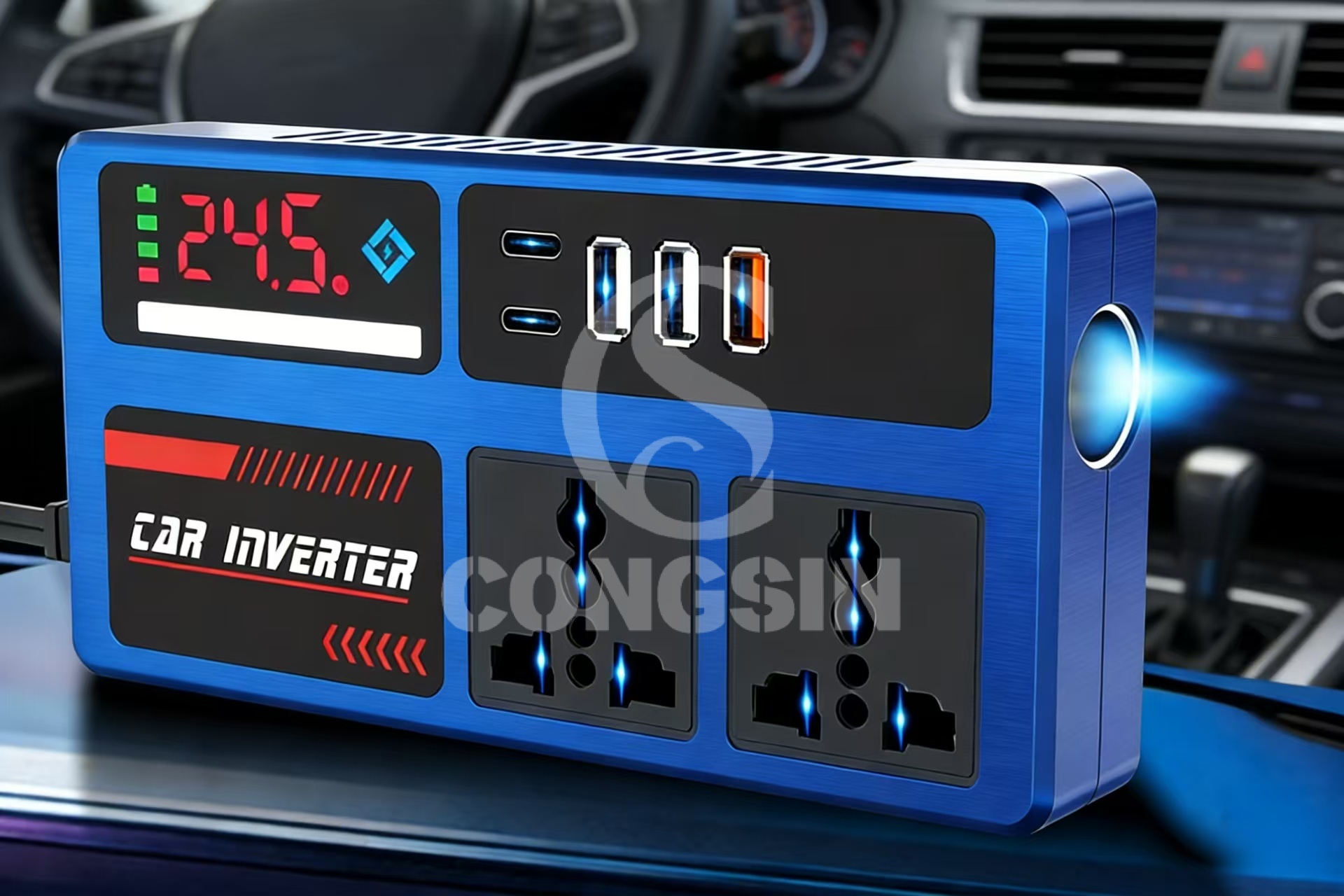
Why CONGSIN’s 2026 Upgrades Matter These functional shifts aren’t just “features”—they solve real user problems: No more carrying separate chargers + inverters Powering high-wattage devices (laptops, mini-fridges) and fast-charging gadgets simultaneously Using inverters for hours (or days) without overheating CONGSIN’s 2026 lineup turns “power conversion” into a seamless, all-in-one experience—whether you’re on the road, in the woods, or working remotely. Would you like me to draft a side-by-side comparison chart of CONGSIN 2026 inverter models, highlighting their key functional differences?


Modified Sine Wave Inverters
Is the cooling fan noisy?
The fan is designed for heat dissipation and will make some noise during operation, but it is within a reasonable range and will not interfere with normal use.
Can this inverter support both 12V and 24V inputs
Yes, it can work with different voltage systems via selectable input terminals.
Is it normal for the inverter to heat up when working?
It is normal for it to generate some heat when working. If the temperature is too high (e.g., hot to the touch), please stop using it and check if the load is overloaded.
Can the peak 720W supply power continuously?
The peak power is the instantaneous maximum power, and the continuous power supply is 360W. Ensure that the device power does not exceed the rated value when using.
Pure Sine Wave Inverters
What is the difference between labeled 6000W and full power 3000W?
Labeled 6000W is peak power, which is only used to cope with the instantaneous high-power demand during device startup (such as air conditioner, motor startup); full power 3000W is continuous power, referring to the power that the device can stably output for a long time. When driving appliances daily, 3000W should be used as a reference to avoid total power overload.
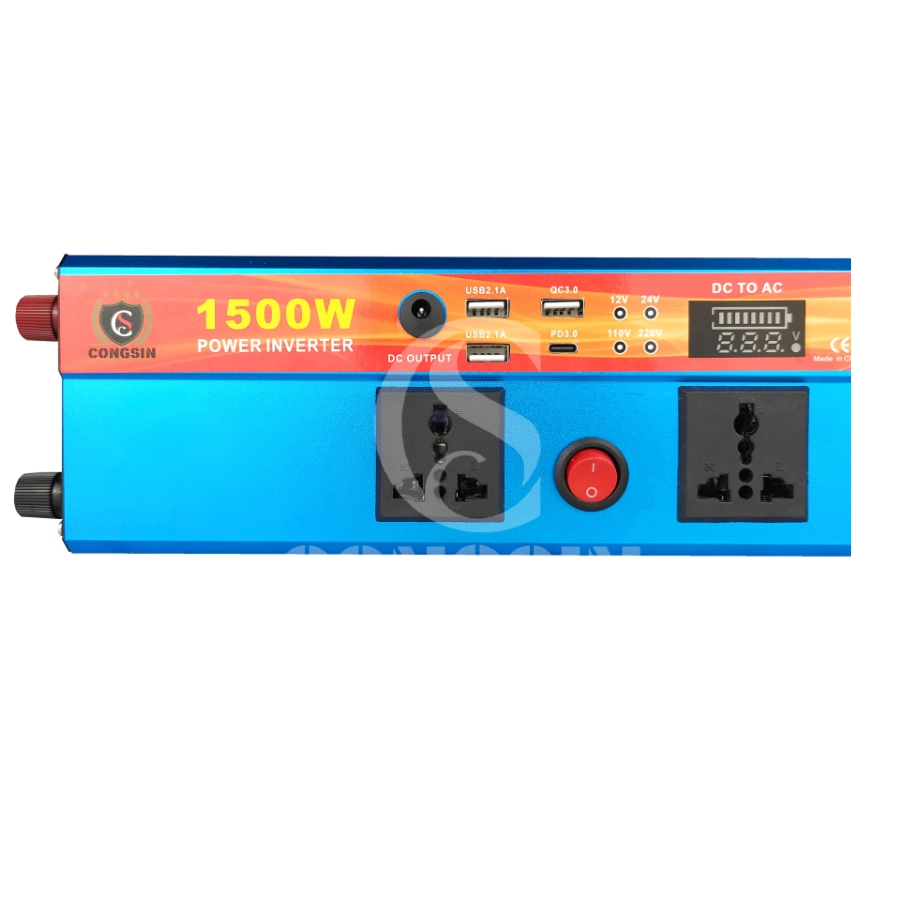
Our CS1000DDBC 1000W modified sine wave inverter is a professional power conversion device that converts DC 12V from batteries into AC 220V electricity. It is designed with user convenience in mind, featuring an LED display for real-time status monitoring, multiple charging ports (3 USB, 1 Type-C, 1 DC 12V) and two universal sockets to power a wide range of devices simultaneously. Its compact size (250×95×55mm) and lightweight design (NW: 0.84kg) make it easy to carry, ideal for outdoor activities, emergency home use, and on-the-go power needs.
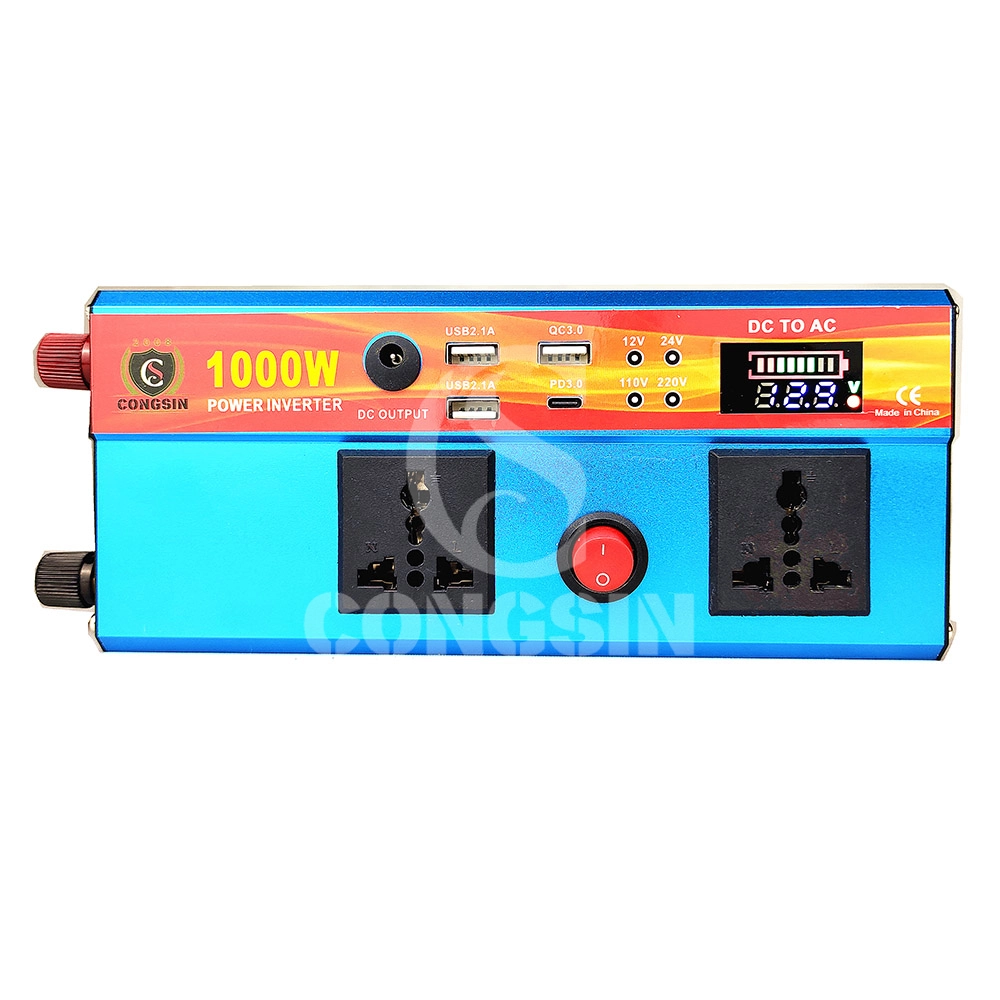
Our CS1000DDBC 1000W modified sine wave inverter is a professional power conversion device that converts DC 12V from batteries into AC 220V electricity. It is designed with user convenience in mind, featuring an LED display for real-time status monitoring, multiple charging ports (3 USB, 1 Type-C, 1 DC 12V) and two universal sockets to power a wide range of devices simultaneously. Its compact size (250×95×55mm) and lightweight design (NW: 0.84kg) make it easy to carry, ideal for outdoor activities, emergency home use, and on-the-go power needs.
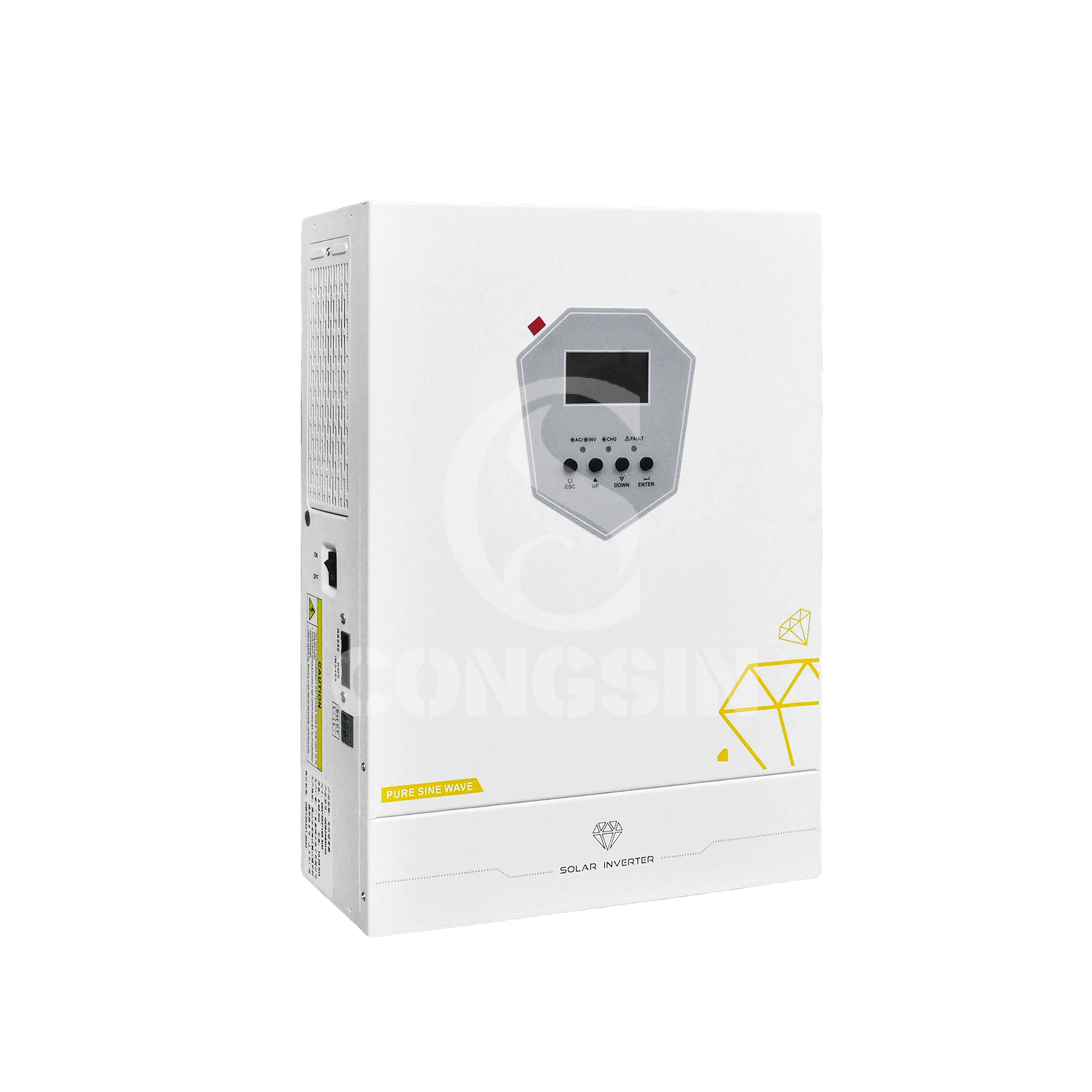
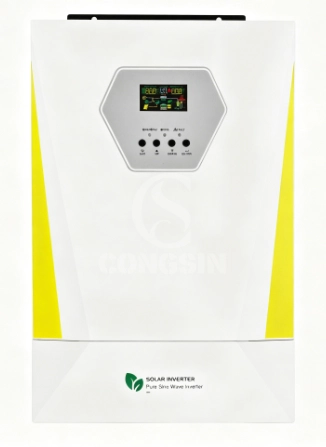
Power your solar system efficiently with the Congsin 4000W and 6000W Hybrid Inverter. Featuring an integrated MPPT Controller, this CE Certified inverter ensures optimal energy conversion. Monitor performance effortlessly via the intuitive LCD Display. Reliable, powerful, and ready for your sustainable energy needs.
Get in Touch with Our Team
You can also communicate with us directly through our online contact form. Please fill in the following information, and our team will contact you as soon as possible after receiving your message.

CONGSIN is a trusted OEM factory for power inverters, solar charge controllers, and DC converters. Reliable solutions for global B2B buyers.
 High Quality
 7/24 Service
 Guaranteed Warranty
© 2025 Congsin. All Rights Reserved.
 WeChat
 Scan QR Code
sin cong
teaimei10
Whatsapp: +8618028086791
Scan QR Code