





How to Choose a Reliable Power Inverter Manufacturer for Your Business
Choosing a trustworthy power inverter manufacturer can directly affect your product quality, brand reputation, and long-term business growth. This guide breaks down what to look for, how to verify a supplier, and how to confidently pick the right manufacturing partner.
- Why Choosing the Right Inverter Manufacturer Matters
- Better Quality Means Fewer Headaches
- Consistent Supply Helps You Grow Faster
- Key Factors to Consider When Choosing a Power Inverter Manufacturer
- 1. Certifications & Compliance
- 2. Real Production Capacity
- 3. Strong R&D Capability
- 4. Quality Control System
- 5. Delivery Speed & Stability
- 6. Customer Reviews & Market Reputation
- 7. Transparent Pricing
- Common Red Flags to Watch Out For
- 1. No Real Factory Address or Video Proof
- 2. Prices That Are Too Good to Be True
- 3. No Aging Test
- 4. Fake or Unverifiable Certificates
- How to Verify a Manufacturer Before Working With Them
- 1. Check Certifications and Company Documents
- 2. Do a Video Factory Tour
- 3. Test Samples Thoroughly
- 4. Ask About Their Main Export Markets
- 5. Evaluate Their Understanding of Your Business
- Why a Good Manufacturer Becomes a Long-Term Partner
- Frequently Asked Questions (FAQ)
Why Choosing the Right Inverter Manufacturer Matters
If you’re running a B2B business, your supplier is the backbone of your success. A reliable inverter manufacturer brings stability, fewer product issues, and smoother delivery schedules.
Better Quality Means Fewer Headaches
Stable quality means fewer returns, fewer customer complaints, and a stronger brand image.
Consistent Supply Helps You Grow Faster
A dependable factory ensures steady production, predictable delivery times, and the ability to scale when your business grows.
Key Factors to Consider When Choosing a Power Inverter Manufacturer
1. Certifications & Compliance
A professional inverter manufacturer should provide valid industry certifications such as
CE
ROHS
FCC
These certifications prove that the products meet international safety and compliance standards.
2. Real Production Capacity
Ask questions such as
How many production lines do they have?
What’s their monthly output?
Do they support OEM/ODM?
Can they customize PCBA, casing, or functions?
Higher production stability = higher business reliability.
3. Strong R&D Capability
Work with manufacturers who:
Have a dedicated engineering team
Can develop new PCB boards
Own patented designs
Support customized waveforms, protections, or structures
Great R&D means long-term competitiveness.
4. Quality Control System
A trustworthy factory usually performs:
100% aging test
Power load test
Input protection testing
Efficiency testing
Full quality procedures
The stricter the QC, the fewer issues you’ll face later.
5. Delivery Speed & Stability
Clarify:
Standard lead time
Peak season lead time
Whether they keep safety stock
Whether they can prepare inventory plans for you
Stable delivery equals stable business.
6. Customer Reviews & Market Reputation
Reliable manufacturers usually have long-term partners and solid feedback on:
Alibaba
Made In China
Industry forums
Long-term export markets
A good reputation = safer cooperation.
7. Transparent Pricing
A trustworthy manufacturer provides clear cost breakdowns:
Material cost
Bulk pricing
Customization fees
Payment terms and delivery schedule
Transparent pricing reflects professionalism.
Common Red Flags to Watch Out For
1. No Real Factory Address or Video Proof
Always request real factory videos or a live walkthrough.
2. Prices That Are Too Good to Be True
Inverter manufacturing has predictable material costs. Unrealistic low pricing usually means poor components or lack of QC.
3. No Aging Test
Inverters without aging tests often have high failure rates.
4. Fake or Unverifiable Certificates
Always ask for original and traceable certificates.
How to Verify a Manufacturer Before Working With Them
1. Check Certifications and Company Documents
Request business licenses, ISO certificates, test reports, and compliance documentation.
2. Do a Video Factory Tour
Ask for a real-time video showing production lines, the warehouse, SMT machines, and assembly processes.
3. Test Samples Thoroughly
Focus on:
Actual output power
Temperature rise
Efficiency
Long-time stability
Fan noise
Protection functions
Samples tell the truth.
4. Ask About Their Main Export Markets
Experienced manufacturers understand market needs and compliance requirements.
5. Evaluate Their Understanding of Your Business
A professional supplier can quickly understand your target customers and recommend the right solutions.
Why a Good Manufacturer Becomes a Long-Term Partner
Stable Quality = Stable Business
Fewer product issues mean less time spent on after-sales.
Customization Options = Stronger Market Position
Unique designs help you stand out from competitors.
Reliable Delivery = Reliable Sales
A supplier who never misses a deadline is a supplier worth keeping.
Frequently Asked Questions (FAQ)
1. What certifications should a reliable inverter manufacturer have?
Typically CE, ROHS, FCC, UL, and PSE depending on your market.
2. How can I verify whether the manufacturer is real?
Request factory videos, certificates, production photos, and business license documents.
3. How many samples should I test before bulk ordering?
At least 2–3 units for long-time and full-load testing.
4. Is R&D capability really important?
Yes. Strong R&D allows you to customize functions, improve performance, and stay competitive.
5. Should I avoid manufacturers with extremely cheap prices?
Absolutely. Unrealistic low pricing usually means low-quality components and high failure rates.


Modified Sine Wave Inverters
What devices can this inverter support?
It can power laptops, phones, cameras, and other small appliances.
Which regional plugs can be used with the universal socket?
The universal socket supports most national plug specifications, such as GB, US, EU, etc. (some require adapters), and can meet the use of devices in multiple regions.
What is the difference between modified sine wave and pure sine wave?
Modified sine wave is suitable for most ordinary home appliances and electronic devices; pure sine wave is suitable for devices with extremely high power requirements (such as precision instruments). This modified sine wave is more cost-effective and meets the needs of most daily scenarios.
What capacity battery can be used with it?
It is recommended to use a 12V 100Ah-200Ah lead-acid battery or lithium battery; the larger the battery capacity, the longer the UPS power supply time (e.g., a 100Ah battery can support a 100W device to work continuously for about 10 hours).
Does it have protection features?
Yes, it includes overload, overheat, and short-circuit protection.
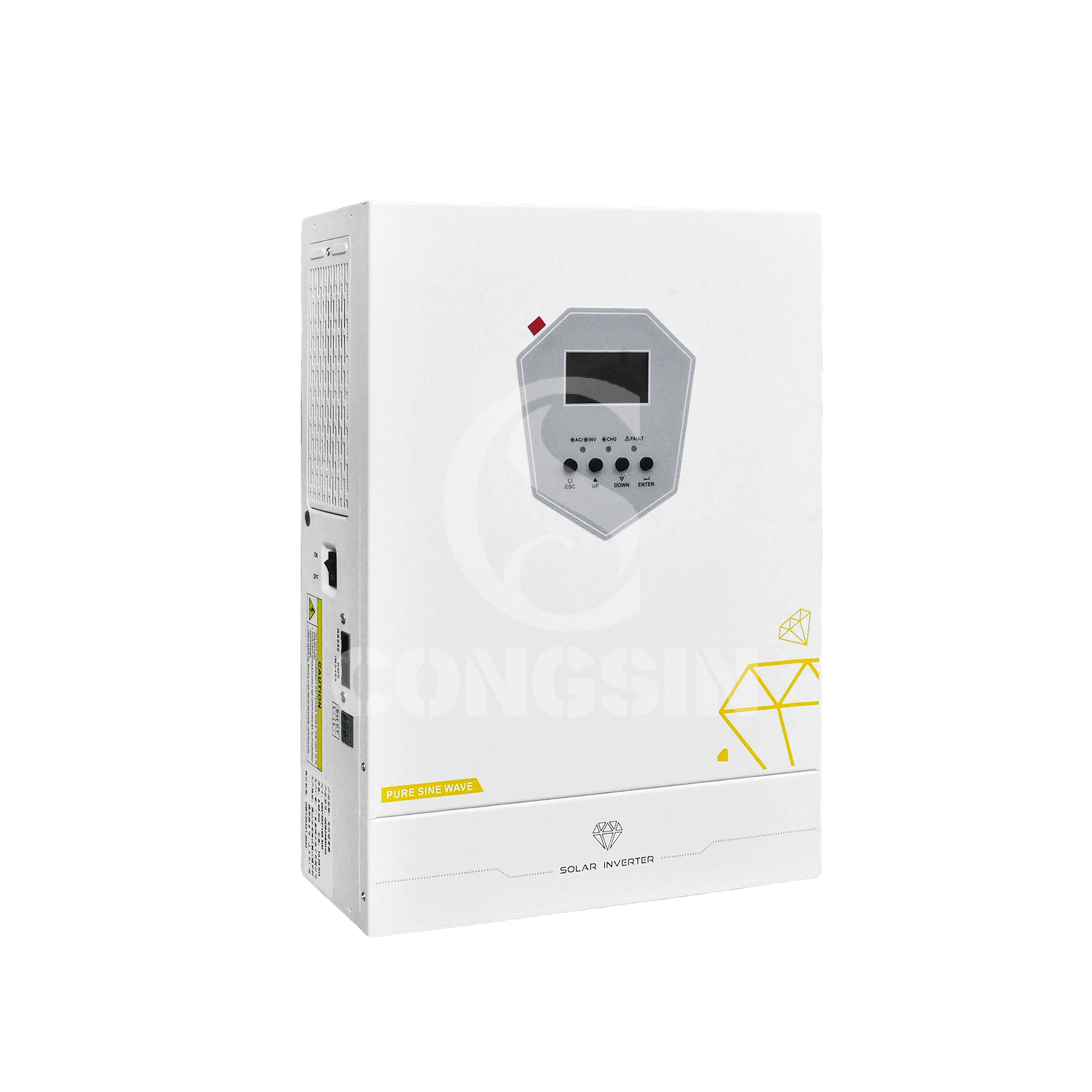
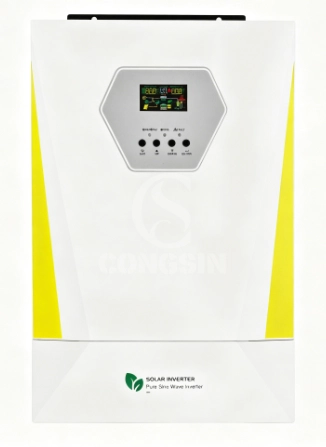
Power your solar system efficiently with the Congsin 4000W and 6000W Hybrid Inverter. Featuring an integrated MPPT Controller, this CE Certified inverter ensures optimal energy conversion. Monitor performance effortlessly via the intuitive LCD Display. Reliable, powerful, and ready for your sustainable energy needs.
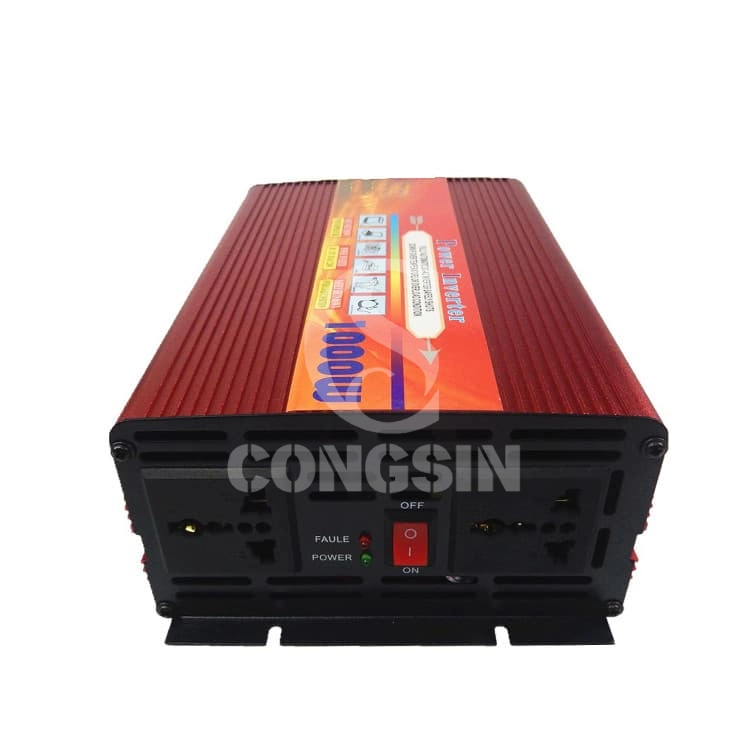
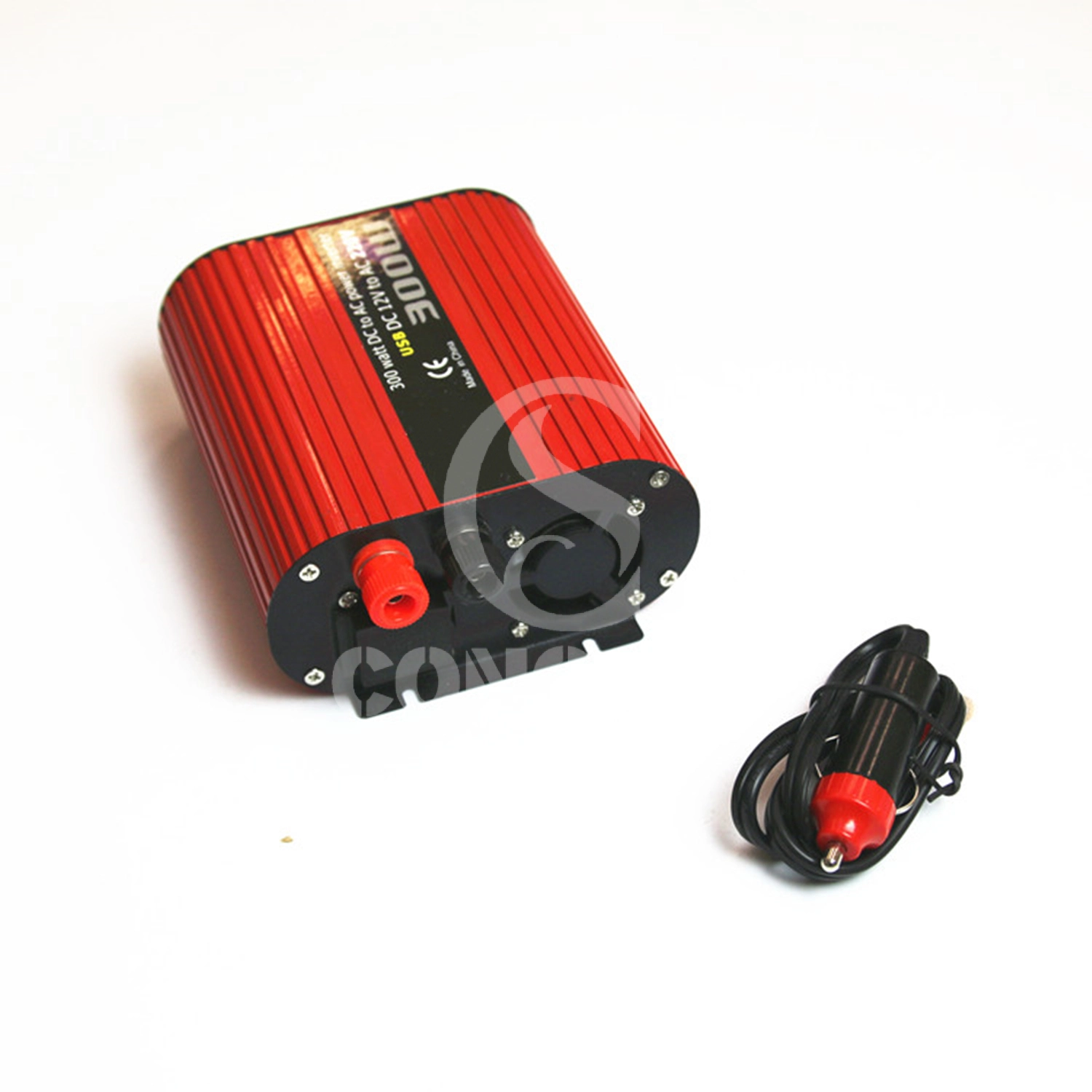
Congsin's Portable 150W Modified Sine Wave Inverter powers your journey! This versatile Car Power Inverter with USB acts as a reliable 12V to 220V converter, ensuring an essential off-grid power supply. With dual USB ports and a universal socket, enjoy convenient power on the go.
Get in Touch with Our Team
You can also communicate with us directly through our online contact form. Please fill in the following information, and our team will contact you as soon as possible after receiving your message.

CONGSIN is a trusted OEM factory for power inverters, solar charge controllers, and DC converters. Reliable solutions for global B2B buyers.
 High Quality
 7/24 Service
 Guaranteed Warranty
© 2025 Congsin. All Rights Reserved.
 WeChat
 Scan QR Code
sin cong
teaimei10
Whatsapp: +8618028086791
Scan QR Code