





Are solar micro inverters compatible with mainstream PV panels? | Insights by Congsin
- 1. What are the key factors to consider when ensuring compatibility between solar micro inverters and mainstream PV panels?
- 2. How do shading and partial obstructions affect the performance of micro inverter systems compared to traditional string inverters?
- 3. Are there any compatibility issues when retrofitting micro inverters to existing solar panel systems?
- 4. How do micro inverters compare to string inverters in terms of system reliability and maintenance requirements?
- 5. What are the cost implications of choosing micro inverters over string inverters for a new solar installation?
- 6. Are there specific brands or models of micro inverters that are particularly well-suited for mainstream PV panels?
- 7. How do environmental factors like temperature and humidity affect the performance and longevity of micro inverters?
- 8. What are the warranty terms for micro inverters, and how do they compare to those of string inverters?
As the adoption of solar energy continues to rise, understanding the compatibility between solar micro inverters and mainstream photovoltaic (PV) panels becomes crucial for both efficiency and system longevity. Below are some specific questions that beginners often have, along with detailed answers to guide your purchasing decisions.
1. What are the key factors to consider when ensuring compatibility between solar micro inverters and mainstream PV panels?
Ensuring compatibility involves several critical factors:
Electrical Specifications: Match the micro inverter's input voltage and current ranges with the PV panel's output to prevent overloading or underperformance.
Power Ratings: Ensure the micro inverter's maximum output power aligns with the panel's peak power to optimize energy conversion.
Panel Type and Size: Verify that the micro inverter supports the specific type (e.g., monocrystalline, polycrystalline) and size (e.g., 60-cell, 72-cell) of your PV panels.
Environmental Conditions: Consider the operating temperature range and environmental durability of both the micro inverter and PV panels to ensure reliable performance.
For instance, Enphase micro inverters are designed to operate with most 60 and 72-cell PV module configurations, but it's essential to verify the voltage and current specifications of your PV module match with those of the micro inverter.
2. How do shading and partial obstructions affect the performance of micro inverter systems compared to traditional string inverters?
Micro inverters offer significant advantages in shaded or partially obstructed environments:
Independent Panel Operation: Each panel operates independently, so shading on one panel doesn't affect the performance of others.
Enhanced Energy Harvesting: Micro inverters can increase energy yield by up to 25% in shaded conditions compared to string inverters.
Reduced Impact of the Barrel Effect: Unlike string inverters, which suffer from the 'Barrel Effect' where the performance of the entire string is limited by the weakest panel, micro inverters mitigate this issue.
3. Are there any compatibility issues when retrofitting micro inverters to existing solar panel systems?
Retrofitting micro inverters to existing systems can present challenges:
Electrical Compatibility: Ensure that the existing panels' electrical characteristics match the input requirements of the micro inverters.
Physical Mounting: Verify that the micro inverters can be securely mounted on the existing panels without obstructing airflow or maintenance access.
System Integration: Check that the micro inverters are compatible with the existing monitoring and control systems.
It's advisable to consult with a professional installer to assess the feasibility and benefits of retrofitting.
4. How do micro inverters compare to string inverters in terms of system reliability and maintenance requirements?
Micro inverters offer several reliability and maintenance advantages:
Reduced Single Points of Failure: With each panel having its own inverter, the failure of one unit doesn't compromise the entire system.
Easier Maintenance: Fault detection is more straightforward, as issues are isolated to individual panels or inverters.
Longer Lifespan: Micro inverters often have longer warranties (e.g., 25 years) compared to string inverters, indicating a longer expected operational life.
5. What are the cost implications of choosing micro inverters over string inverters for a new solar installation?
While micro inverters have a higher initial cost per watt compared to string inverters, they offer benefits that can offset the upfront expense:
Increased Energy Yield: Micro inverters can boost energy production by up to 25% in shaded conditions, leading to higher returns on investment.
Scalability: Systems with micro inverters can be expanded incrementally without rewiring, providing flexibility for future growth.
Enhanced Safety: Micro inverters operate at lower DC voltages, reducing the risk of electrical hazards.
It's essential to conduct a cost-benefit analysis considering these factors to determine the most economical choice for your specific situation.
6. Are there specific brands or models of micro inverters that are particularly well-suited for mainstream PV panels?
Several reputable micro inverter brands offer models compatible with mainstream PV panels:
Enphase IQ Series: Known for high efficiency and reliability, with models like the IQ7+ supporting various panel types.
APsystems YC600: Designed for residential systems, capable of optimizing power from two PV modules, making it cost-effective for smaller setups.
Hoymiles HM-600: Offers higher power output and dual-module connectivity, supporting a wide range of panel types.
It's crucial to verify the compatibility of these models with your specific PV panels by consulting manufacturer specifications or seeking professional advice.
7. How do environmental factors like temperature and humidity affect the performance and longevity of micro inverters?
Environmental conditions significantly impact micro inverter performance:
Temperature: Micro inverters typically operate efficiently within a temperature range of -40°C to 65°C. Exceeding this range can lead to overheating and reduced lifespan.
Humidity and Corrosion: High humidity and corrosive environments can degrade micro inverter components. Choosing models with appropriate ingress protection (e.g., NEMA 6 or IP67) is essential for durability.
8. What are the warranty terms for micro inverters, and how do they compare to those of string inverters?
Micro inverters often come with longer warranty periods compared to string inverters:
Micro Inverters: Warranties typically range from 20 to 25 years, reflecting the manufacturer's confidence in product longevity.
String Inverters: Warranties usually range from 5 to 10 years, with options to extend.
The longer warranty period for micro inverters can provide peace of mind regarding their durability and performance over time.
In conclusion, selecting the right micro inverter involves careful consideration of compatibility, environmental factors, and system requirements. Brands like Enphase, APsystems, and Hoymiles offer reliable options that cater to various needs. For tailored advice and high-quality products, consider exploring offerings from reputable manufacturers.
For more information on micro inverters and their compatibility with mainstream PV panels, you can refer to the (https://en.wikipedia.org/wiki/Solar_inverter).


Modified Sine Wave Inverters
Can this inverter run a refrigerator or power tools?
Recommended load ≤80% of rated power. For inductive loads, use a pure sine wave model.
Can other input voltages be customized?
Yes, the regular is DC12V, and DC24V, etc. can be customized. Please consult customer service for details.
How does the UPS function of this inverter work?
When the external power supply is normal, the inverter powers the device while charging the battery; when the external power supply is interrupted, it automatically switches to battery power to ensure uninterrupted operation of the device.
Is it compatible with both 12V and 24V vehicles?
Yes, it supports DC12V/24V dual input.
Pure Sine Wave Inverters
What appliances can this inverter support?
Rated 1500W, peak 3000W – supports most home appliances.
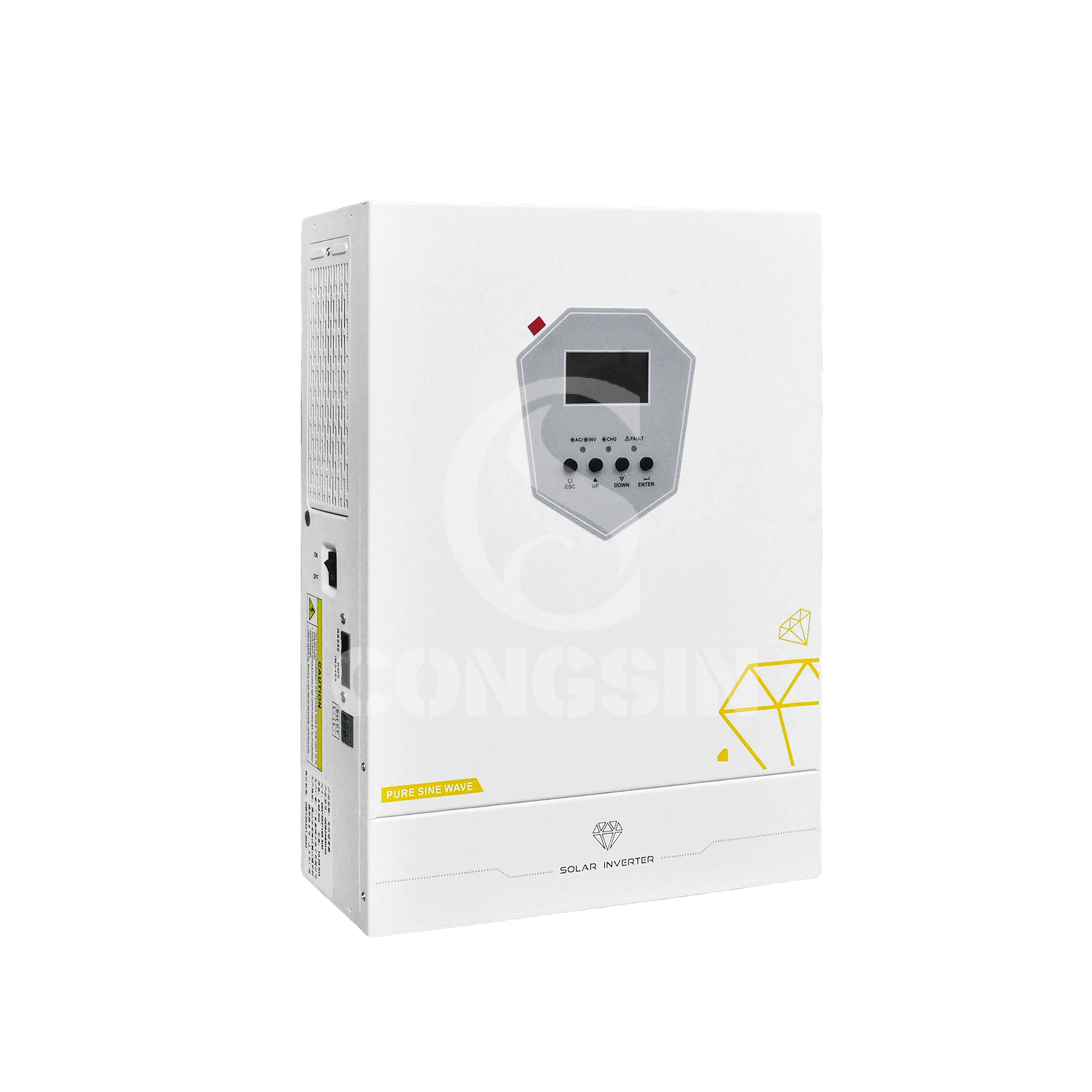
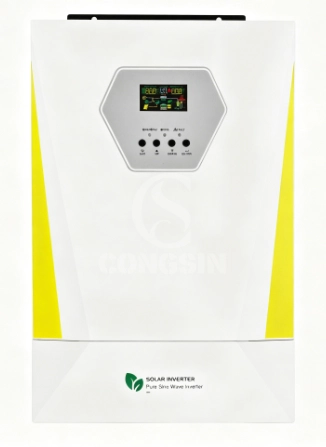
Power your solar system efficiently with the Congsin 4000W and 6000W Hybrid Inverter. Featuring an integrated MPPT Controller, this CE Certified inverter ensures optimal energy conversion. Monitor performance effortlessly via the intuitive LCD Display. Reliable, powerful, and ready for your sustainable energy needs.
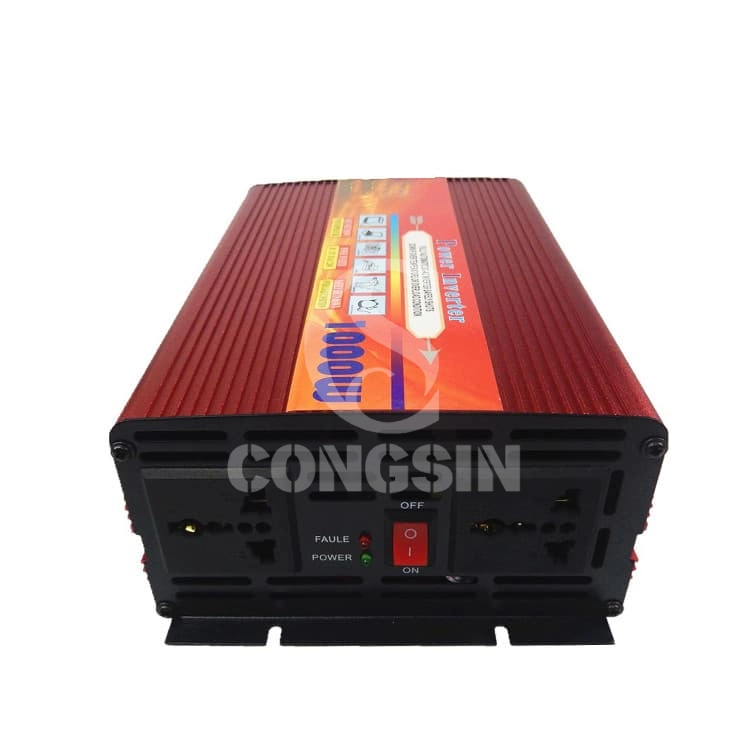
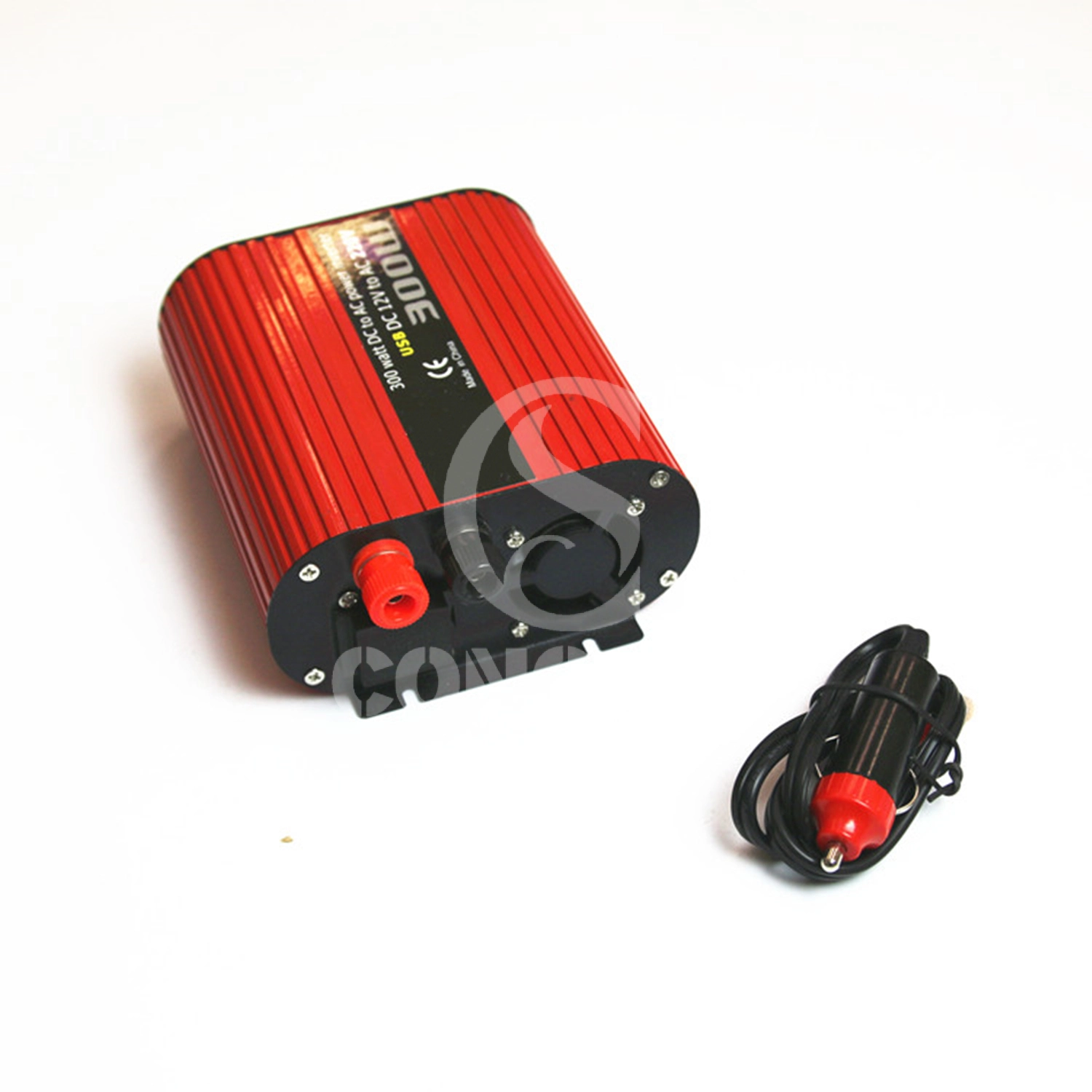
Congsin's Portable 150W Modified Sine Wave Inverter powers your journey! This versatile Car Power Inverter with USB acts as a reliable 12V to 220V converter, ensuring an essential off-grid power supply. With dual USB ports and a universal socket, enjoy convenient power on the go.
Get in Touch with Our Team
You can also communicate with us directly through our online contact form. Please fill in the following information, and our team will contact you as soon as possible after receiving your message.

CONGSIN is a trusted OEM factory for power inverters, solar charge controllers, and DC converters. Reliable solutions for global B2B buyers.
 High Quality
 7/24 Service
 Guaranteed Warranty
© 2025 Congsin. All Rights Reserved.
 WeChat
 Scan QR Code
sin cong
teaimei10
Whatsapp: +8618028086791
Scan QR Code