





Off-grid inverter vs. grid-tie inverter: which is best for buyers?
- 1. What are the primary differences between off-grid and grid-tie inverters?
- 2. How do off-grid inverters manage energy storage and backup power?
- 3. What are the cost implications of choosing an off-grid inverter system?
- 4. How do off-grid inverters handle power outages?
- 5. What are the maintenance requirements for off-grid inverters?
- 6. Are there any incentives or rebates available for off-grid inverter systems?
- Conclusion
1. What are the primary differences between off-grid and grid-tie inverters?
Off-grid inverters operate independently of the utility grid, converting direct current (DC) from renewable sources like solar panels into alternating current (AC) for household use. They require battery storage systems to supply power during periods without sunlight. In contrast, grid-tie inverters synchronize with the utility grid, allowing excess energy to be fed back, often resulting in credits or payments from the utility company. They do not require battery storage, as they rely on the grid for power during low production periods.
2. How do off-grid inverters manage energy storage and backup power?
Off-grid inverters are designed to work with battery banks, storing excess energy generated during peak production times. This stored energy is then used during periods of low generation, such as at night or on cloudy days. The capacity of the battery bank must be carefully matched to the household's energy consumption to ensure a continuous power supply. Proper maintenance of the battery system is crucial for longevity and reliability.
3. What are the cost implications of choosing an off-grid inverter system?
Off-grid systems typically involve higher initial costs compared to grid-tie systems. This is due to the need for battery storage, which can be a significant investment. Additionally, off-grid systems may require backup generators and more complex installation processes. However, they offer energy independence and can be cost-effective in the long term, especially in areas where utility electricity is expensive or unreliable.
4. How do off-grid inverters handle power outages?
Off-grid inverters provide a reliable power source during grid outages, as they are not dependent on the utility grid. The battery storage system ensures that essential appliances continue to operate even when the grid is down. This capability is particularly beneficial in remote areas or regions prone to frequent power interruptions.
5. What are the maintenance requirements for off-grid inverters?
Maintenance of off-grid inverters involves regular monitoring of the battery bank, ensuring batteries are charged correctly, and checking for any signs of wear or damage. Batteries have a finite lifespan and may need to be replaced every 5-15 years, depending on the type and usage. Regular system checks and prompt attention to any issues can extend the life of the system and maintain its efficiency.
6. Are there any incentives or rebates available for off-grid inverter systems?
In some regions, there are federal, state, or local incentives and rebates available for off-grid renewable energy systems, including solar panels and battery storage. These incentives can significantly reduce the upfront cost of installation. It's advisable to consult with local energy authorities or a professional installer to understand the specific incentives applicable to your area.
Conclusion
Off-grid inverters offer a viable solution for those seeking energy independence, especially in areas without reliable access to the utility grid. While they come with higher initial costs and maintenance requirements, the benefits of uninterrupted power supply and potential long-term savings make them a compelling choice for many consumers. When considering an off-grid inverter system, it's essential to assess your energy needs, budget, and the specific conditions of your location to make an informed decision.
For personalized advice and a detailed quote tailored to your specific requirements, please contact us at info@csinverter.com or visit our website at www.csinverter.com.


Modified Sine Wave Inverters
Does it only support DC12V input voltage?
The regular model has DC12V input, and other input voltages such as DC24V can be customized. Please consult customer service for details.
Is the cooling fan noisy during operation?
The noise is low (≤45 decibels, equivalent to normal conversation volume). The fan uses a silent motor and automatically adjusts the speed according to the device temperature (low-speed operation when temperature <40℃, high-speed operation when >60℃), balancing heat dissipation and noise.
Can this inverter power a laptop?
If the laptop power is within 150W and the input is AC220V, it can supply power normally.
OEM & ODM Services
What’s the main difference between your OEM and ODM services?
OEM uses your brand on our standard products; ODM creates entirely new products based on your concept or specification.
Distributor
Do you provide marketing and sales materials?
Yes, we provide a range of marketing resources, including brochures, digital content, and product training.
Get in Touch with Our Team
You can also communicate with us directly through our online contact form. Please fill in the following information, and our team will contact you as soon as possible after receiving your message.

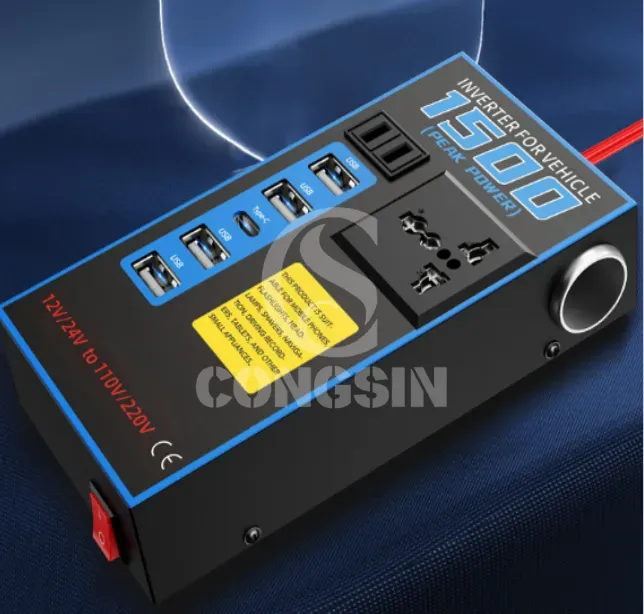
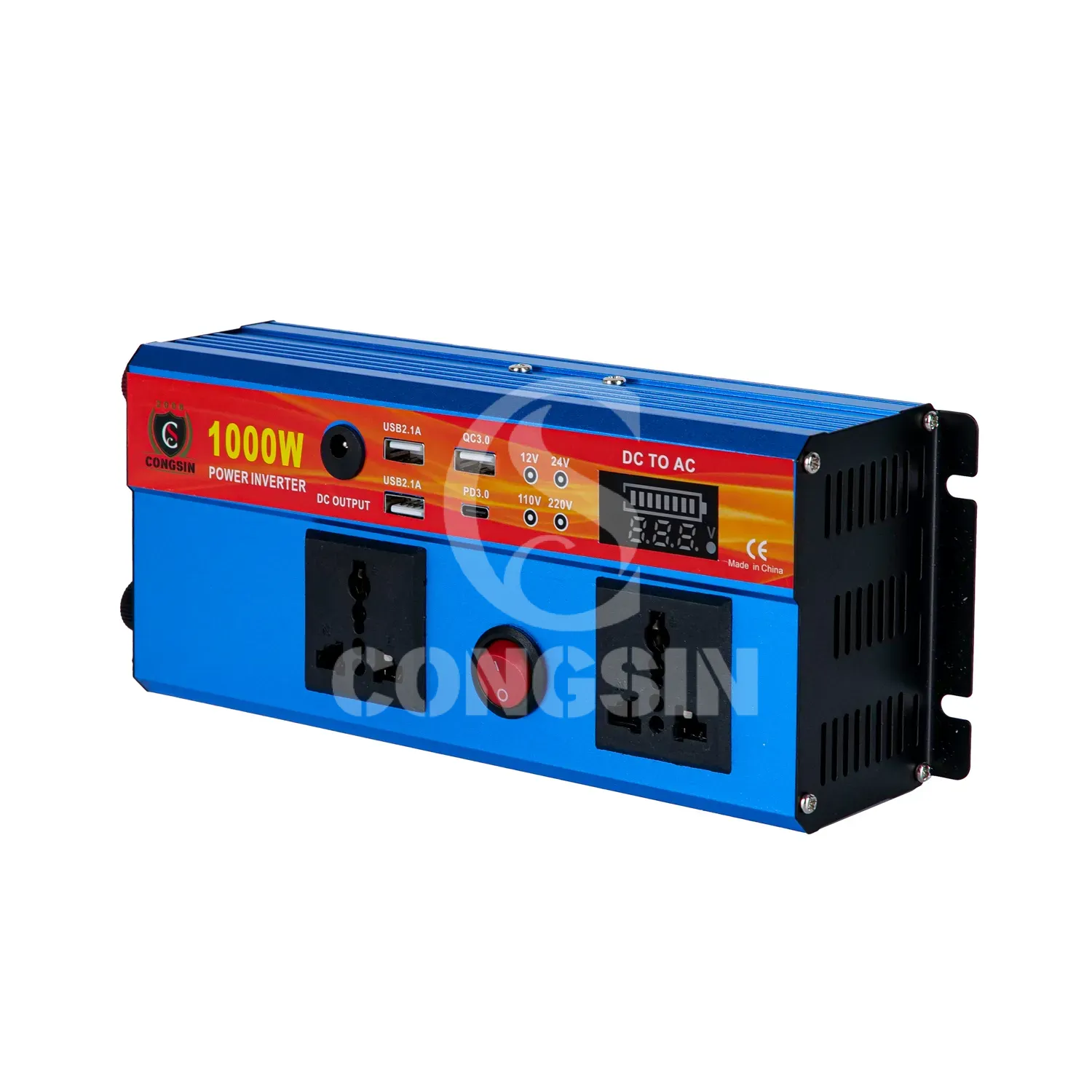
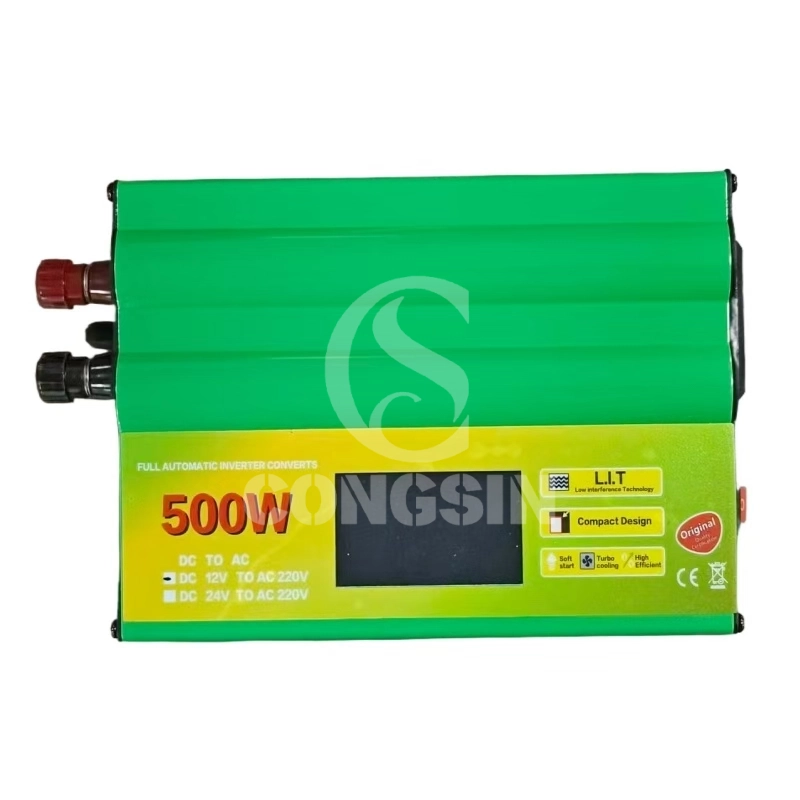
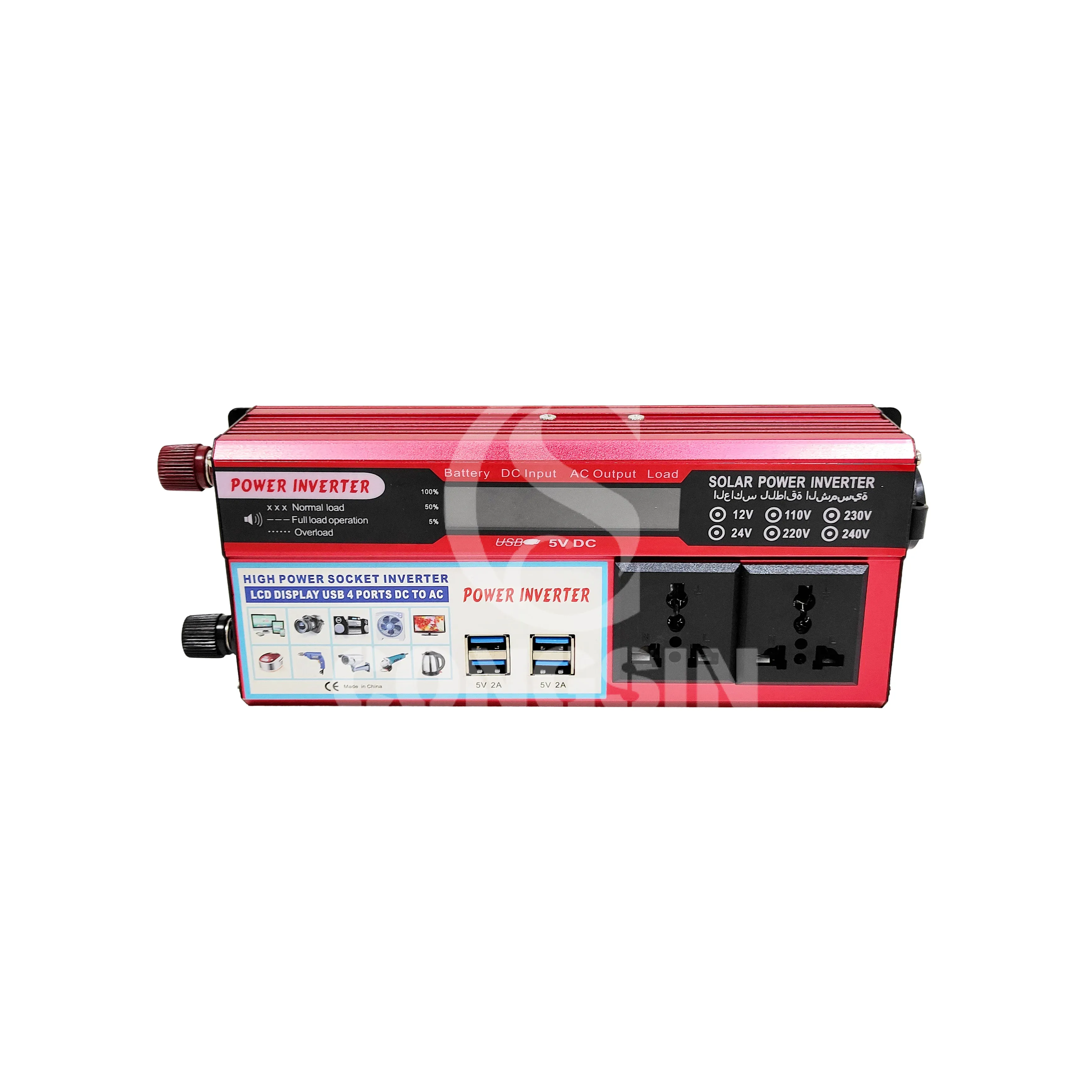
CONGSIN is a trusted OEM factory for power inverters, solar charge controllers, and DC converters. Reliable solutions for global B2B buyers.
 High Quality
 7/24 Service
 Guaranteed Warranty
© 2025 Congsin. All Rights Reserved.