





Which pure sine wave inverter offers the best price-to-performance?
- 1. What is a pure sine wave inverter, and how does it differ from other types?
- 2. How do I determine the appropriate power capacity for my pure sine wave inverter?
- 3. What are the key features to consider when selecting a pure sine wave inverter?
- 4. How do I calculate the total wattage of devices to ensure my inverter can handle the load?
- 5. Which pure sine wave inverters offer the best price-to-performance ratio for beginners?
- 6. What are the common mistakes to avoid when purchasing a pure sine wave inverter?
1. What is a pure sine wave inverter, and how does it differ from other types?
A pure sine wave inverter is a device that converts direct current (DC) into alternating current (AC) with a smooth, consistent waveform, identical to the power supplied by utility companies. This type of inverter ensures that sensitive electronic devices receive clean and stable power, preventing potential damage and ensuring optimal performance. In contrast, modified sine wave inverters produce a more jagged waveform, which can lead to inefficiencies and potential harm to delicate equipment.
2. How do I determine the appropriate power capacity for my pure sine wave inverter?
To select the right inverter capacity, first calculate the total wattage of all devices you intend to power simultaneously. It's advisable to choose an inverter with a continuous power rating 20–30% higher than your total load to accommodate surge demands when devices start up. For instance, if your combined devices require 1,000W, an inverter rated between 1,200W and 1,300W would be suitable.
3. What are the key features to consider when selecting a pure sine wave inverter?
When choosing a pure sine wave inverter, consider the following features:
Efficiency: Look for inverters with an efficiency rating above 90% to minimize energy loss.
Safety Protections: Ensure the inverter includes safeguards such as overload, thermal, and low-voltage protection to protect both the inverter and connected devices.
Battery Compatibility: Verify that the inverter is compatible with your battery type and voltage to ensure efficient charging and operation.
Surge Capacity: Check the inverter's surge capacity to handle the initial power draw of devices with motors or compressors.
4. How do I calculate the total wattage of devices to ensure my inverter can handle the load?
To calculate the total wattage:
List all devices: Write down each device you plan to power.
Find individual wattages: Check the power rating (in watts) of each device, typically found on the device label or in the user manual.
Sum the wattages: Add up the wattages of all devices to determine the total load.
For example, if you have a refrigerator (150W), a television (100W), and a laptop (50W), the total load would be 300W. It's recommended to add a 20–30% buffer to this total to account for surge power requirements.
5. Which pure sine wave inverters offer the best price-to-performance ratio for beginners?
For those new to pure sine wave inverters, the following models offer excellent value:
Renogy 1000W Pure Sine Wave Inverter: Known for its reliability and efficiency, this inverter is suitable for powering small to medium-sized appliances and is priced around $250.
Roarbatt 1000W Pure Sine Wave Inverter: Offering a balance between cost and performance, this model is ideal for beginners and is available for approximately $100.
Leicestercn 300W Pure Sine Wave Inverter: Perfect for powering small devices, this inverter is budget-friendly at about $40.
6. What are the common mistakes to avoid when purchasing a pure sine wave inverter?
When buying a pure sine wave inverter, avoid these common pitfalls:
Underestimating Power Requirements: Ensure you accurately calculate the total wattage of devices to prevent overloading the inverter.
Overlooking Efficiency: Choose inverters with high efficiency to reduce energy consumption and operational costs.
Ignoring Battery Compatibility: Confirm that the inverter is compatible with your battery type and voltage to ensure safe and efficient operation.
Focusing Solely on Price: While budget is important, prioritize quality and reliability to avoid frequent replacements and potential damage to connected devices.
Neglecting Safety Features: Ensure the inverter includes necessary protection features to safeguard both the inverter and connected devices.
In conclusion, selecting the right pure sine wave inverter involves careful consideration of your power needs, device compatibility, and safety features. By avoiding common mistakes and choosing a model that offers a good balance between price and performance, you can ensure reliable and efficient power conversion for your devices.
For personalized recommendations and quotes, feel free to contact us at info@csinverter.com or visit our website at www.csinverter.com.


Modified Sine Wave Inverters
Can this inverter run a refrigerator or power tools?
Recommended load ≤80% of rated power. For inductive loads, use a pure sine wave model.
What devices can be powered by this inverter?
Suitable for TVs, fans, computers, and small tools.
Can 4 USB ports charge 4 mobile phones at the same time?
Yes, the total current of 6.8A can support simultaneous fast charging of multiple devices, and the charging efficiency is guaranteed.
OEM & ODM Services
Do you provide support for shipping and customs clearance?
Yes, we offer international logistics solutions including export documentation and customs advice.
Pure Sine Wave Inverters
What capacity battery is needed to drive a 1000W electric kettle?
It is recommended to match with a 12V 100Ah or larger capacity battery. When a 1000W electric kettle is working, the power consumption per hour is about 83Ah (1000W÷12V≈83A), and a 100Ah battery can support continuous work for about 1 hour (actual battery life is affected by battery aging).
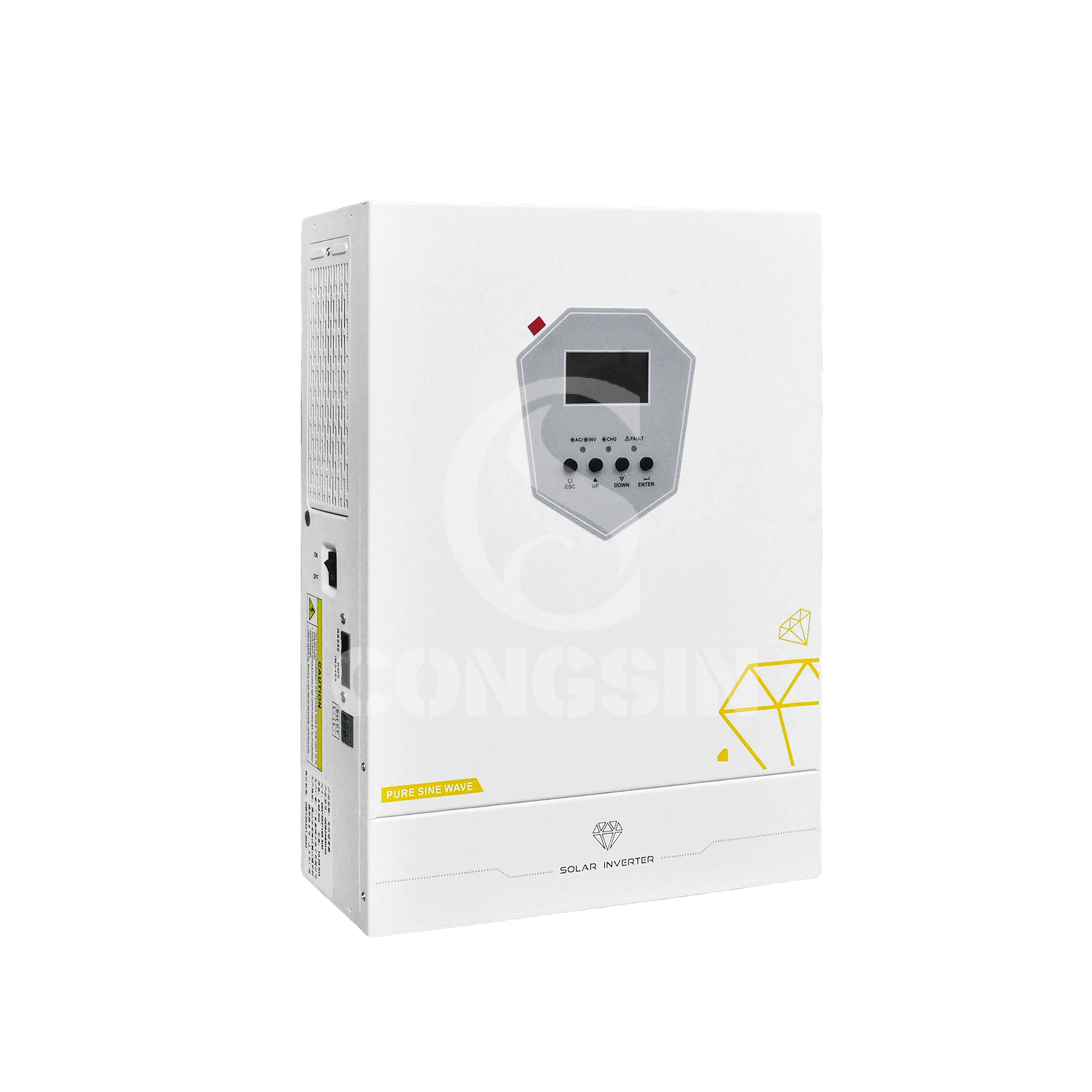
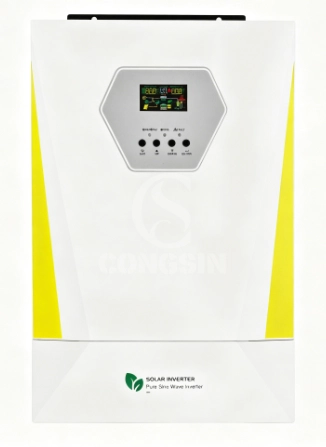
Power your solar system efficiently with the Congsin 4000W and 6000W Hybrid Inverter. Featuring an integrated MPPT Controller, this CE Certified inverter ensures optimal energy conversion. Monitor performance effortlessly via the intuitive LCD Display. Reliable, powerful, and ready for your sustainable energy needs.
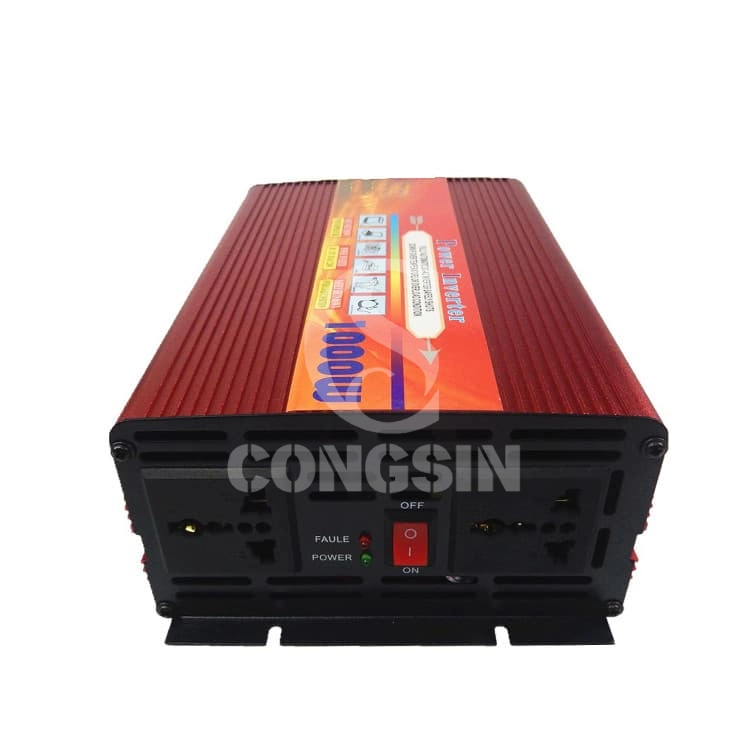
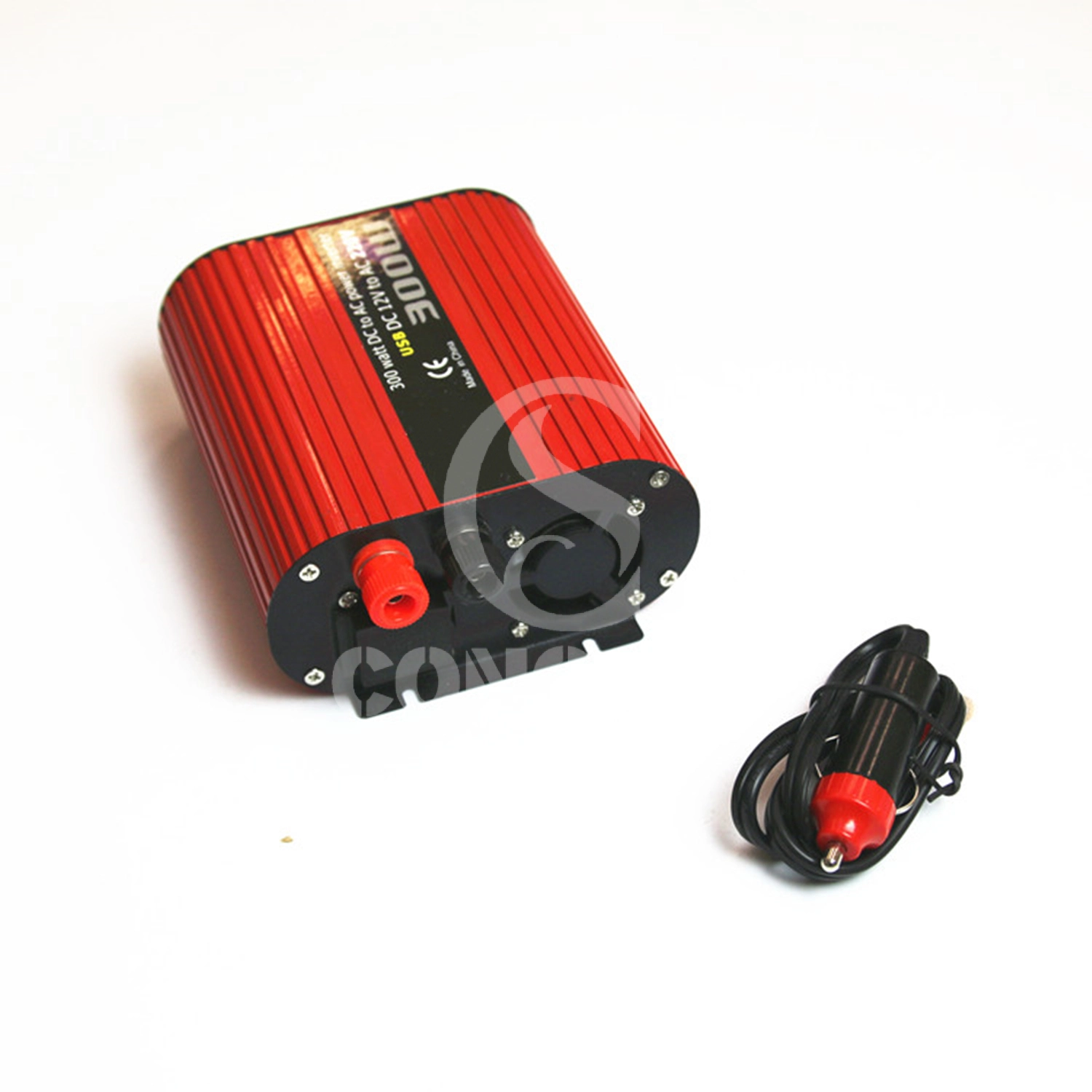
Congsin's Portable 150W Modified Sine Wave Inverter powers your journey! This versatile Car Power Inverter with USB acts as a reliable 12V to 220V converter, ensuring an essential off-grid power supply. With dual USB ports and a universal socket, enjoy convenient power on the go.
Get in Touch with Our Team
You can also communicate with us directly through our online contact form. Please fill in the following information, and our team will contact you as soon as possible after receiving your message.

CONGSIN is a trusted OEM factory for power inverters, solar charge controllers, and DC converters. Reliable solutions for global B2B buyers.
 High Quality
 7/24 Service
 Guaranteed Warranty
© 2025 Congsin. All Rights Reserved.
 WeChat
 Scan QR Code
sin cong
teaimei10
Whatsapp: +8618028086791
Scan QR Code