





How to choose an inverter with car battery for RV use?
- Comprehensive Guide to Choosing an Inverter with Car Battery for RV Use
- 1. What is an Inverter, and Why Do I Need One for My RV?
- 2. How Do I Determine the Appropriate Inverter Size for My RV?
- 3. What Battery Capacity is Needed to Support My Inverter?
- 4. Can I Use My Car's Starter Battery with an Inverter?
- 5. What Are the Installation Considerations for an Inverter and Battery System?
- 6. How Do I Maintain My Inverter and Battery System?
- 7. What Are the Advantages of Choosing Congsin for My Inverter and Battery Needs?
Comprehensive Guide to Choosing an Inverter with Car Battery for RV Use
When embarking on RV adventures, ensuring a reliable power supply is crucial. Integrating an inverter with your car battery can provide the necessary electricity for your appliances and devices. Below are key considerations to guide your selection process.
1. What is an Inverter, and Why Do I Need One for My RV?
An inverter is a device that converts direct current (DC) from your car battery into alternating current (AC), which is used by most household appliances. In RVs, an inverter allows you to power devices like laptops, TVs, and small kitchen appliances without relying on external power sources.
2. How Do I Determine the Appropriate Inverter Size for My RV?
To select the right inverter size:
List Your Appliances: Identify all devices you plan to use simultaneously.
Calculate Total Wattage: Sum the wattage of each appliance. For instance, a 500-watt microwave, a 100-watt TV, and a 50-watt fan total 650 watts.
Account for Surge Power: Some appliances require additional power to start. Ensure your inverter can handle these surges.
Add a Safety Margin: Choose an inverter with a continuous power output slightly higher than your total requirement to accommodate future additions and ensure efficient operation.
3. What Battery Capacity is Needed to Support My Inverter?
The battery capacity should match your inverter's power needs. A general guideline is:
1,000W Inverter: Requires at least a 100Ah 12V battery.
2,000W Inverter: Requires at least a 200Ah 12V battery.
3,000W Inverter: Requires at least a 300Ah 12V battery.
Ensure your battery bank can handle the continuous and surge power demands of your inverter.
4. Can I Use My Car's Starter Battery with an Inverter?
Using your car's starter battery with an inverter is not recommended, as it can drain the battery, preventing the engine from starting. For running heavy loads, it's advisable to use a deep cycle battery, such as an RV or marine battery, which is designed for deep discharges and recharges.
5. What Are the Installation Considerations for an Inverter and Battery System?
Cabling and Connectors: Use thick cables (4 AWG or 2 AWG) to minimize voltage drop and reduce heat. Keep cable lengths short, ideally under 3 feet (1 meter) between the battery and inverter.
Fusing and Overcurrent Protection: Install a fuse or breaker between your inverter and battery, ideally within 12 inches of the battery terminal. For a 1,000W inverter, use a 100A fuse or breaker.
Installation Location and Ventilation: Mount the inverter in a dry, cool, and ventilated space, avoiding areas exposed to moisture or extreme heat. Ensure at least 2–3 inches of clearance around the inverter.
6. How Do I Maintain My Inverter and Battery System?
Regular Monitoring: Check battery voltage and inverter performance periodically.
Cleanliness: Keep terminals clean and free from corrosion.
Proper Charging: Use appropriate chargers and avoid overcharging or deep discharging batteries.
Temperature Management: Ensure batteries are kept within their optimal temperature range to prolong lifespan.
7. What Are the Advantages of Choosing Congsin for My Inverter and Battery Needs?
Congsin offers high-quality inverters and batteries designed for RV use, providing reliable power solutions tailored to your needs. Their products are known for durability, efficiency, and ease of installation, ensuring a seamless integration into your RV setup.
By carefully considering these factors, you can select an inverter and battery system that ensures a reliable and efficient power supply for your RV adventures.


OEM & ODM Services
What’s the main difference between your OEM and ODM services?
OEM uses your brand on our standard products; ODM creates entirely new products based on your concept or specification.
Modified Sine Wave Inverters
Can this inverter run a refrigerator or power tools?
Recommended load ≤80% of rated power. For inductive loads, use a pure sine wave model.
How to connect to the battery?
Use the included battery clips, connect the red clip to the positive pole of the battery and the black clip to the negative pole. Ensure good contact and no short-circuit risk when connecting.
Distributor
What kind of distributors are you looking for?
We seek distributors with experience in the amusement or entertainment equipment industry and a strong local market presence.
Do I need to carry inventory?
We offer flexible inventory options based on your market needs, and we can assist with supply chain management.
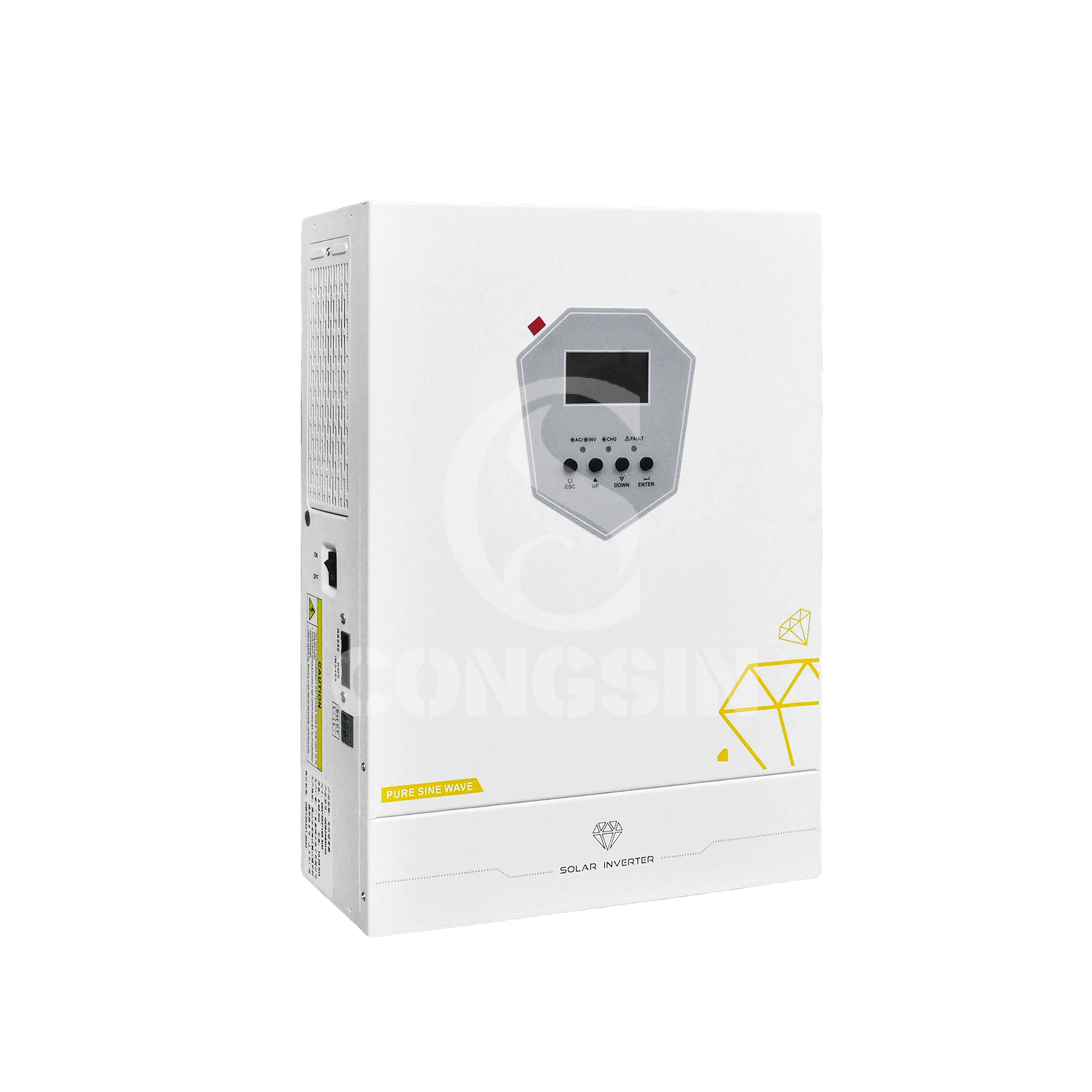
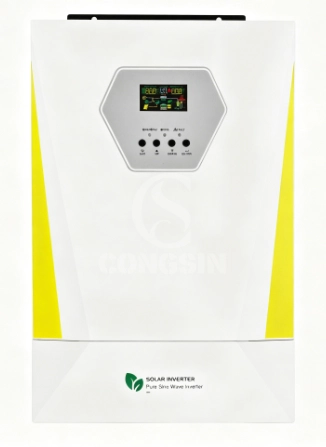
Power your solar system efficiently with the Congsin 4000W and 6000W Hybrid Inverter. Featuring an integrated MPPT Controller, this CE Certified inverter ensures optimal energy conversion. Monitor performance effortlessly via the intuitive LCD Display. Reliable, powerful, and ready for your sustainable energy needs.
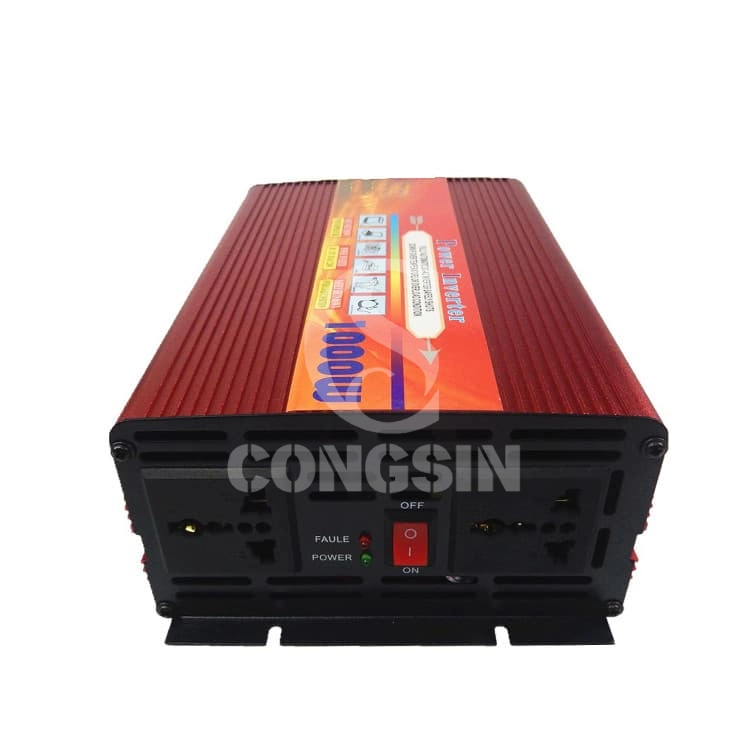
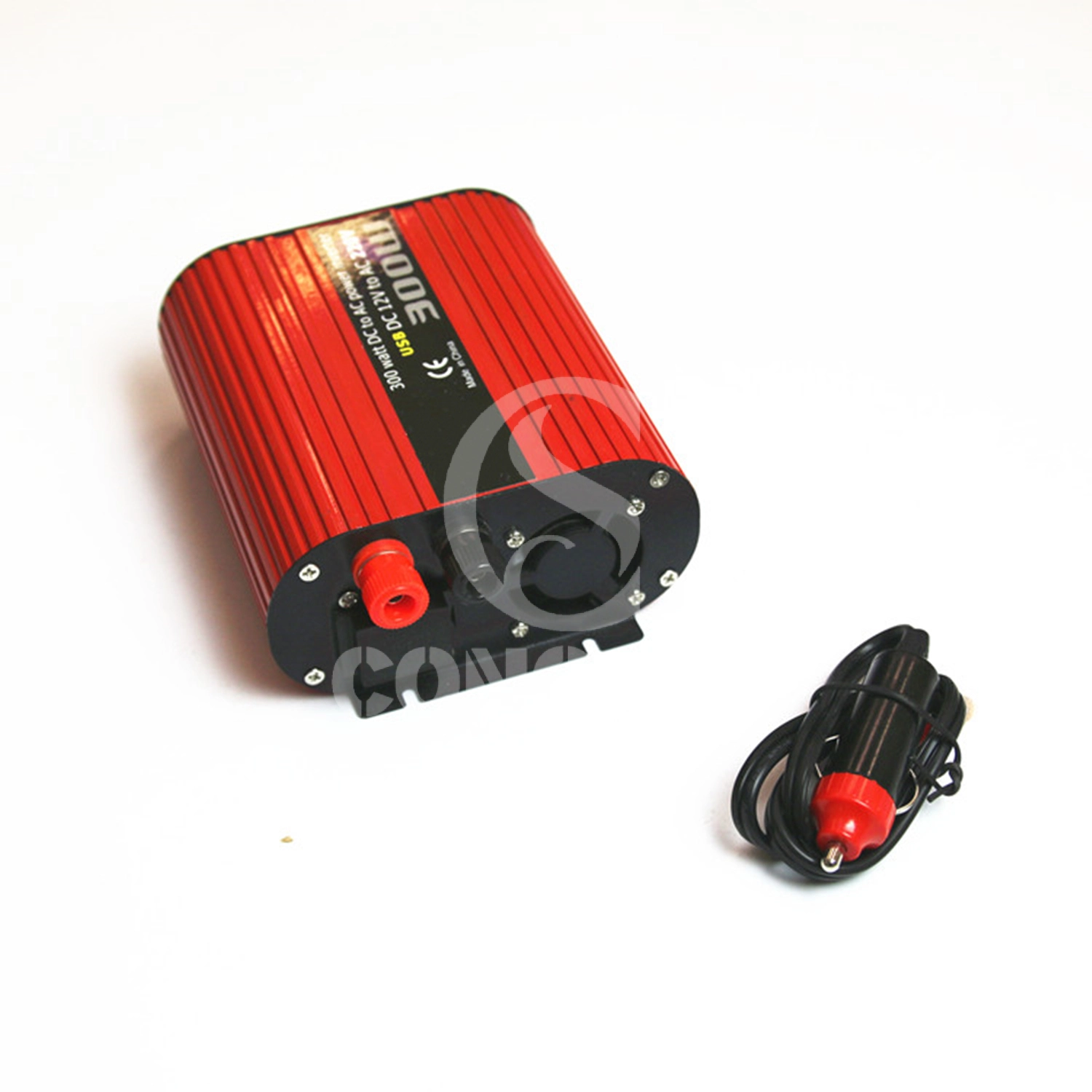
Congsin's Portable 150W Modified Sine Wave Inverter powers your journey! This versatile Car Power Inverter with USB acts as a reliable 12V to 220V converter, ensuring an essential off-grid power supply. With dual USB ports and a universal socket, enjoy convenient power on the go.
Get in Touch with Our Team
You can also communicate with us directly through our online contact form. Please fill in the following information, and our team will contact you as soon as possible after receiving your message.

CONGSIN is a trusted OEM factory for power inverters, solar charge controllers, and DC converters. Reliable solutions for global B2B buyers.
 High Quality
 7/24 Service
 Guaranteed Warranty
© 2025 Congsin. All Rights Reserved.
 WeChat
 Scan QR Code
sin cong
teaimei10
Whatsapp: +8618028086791
Scan QR Code