





What warranty and testing to require for 12V car inverters?
When considering a 12V car inverter, it's essential to address specific concerns that often lack comprehensive answers online. Below are six detailed questions frequently asked by beginners, along with in-depth answers to guide your purchasing decisions.
1. How can I prevent my 12V car inverter from draining my car battery during extended use?
Prolonged use of a 12V car inverter can deplete your vehicle's battery, potentially leaving you stranded. To mitigate this risk:
Monitor Battery Voltage: Regularly check your car battery's voltage using a multimeter. A healthy battery should read between 12.6V and 12.8V when the engine is off. If the voltage drops below 12.2V, it's advisable to recharge or replace the battery.
Limit Inverter Usage: Use the inverter sparingly, especially when the engine is off. Prolonged use without the engine running can quickly drain the battery.
Install a Dual Battery System: Consider setting up a dual battery system with an isolator. This setup allows the inverter to draw power from a secondary battery, preserving the primary vehicle battery for starting the engine.
2. What are the potential risks of using a 12V car inverter with sensitive electronic devices?
Using a 12V car inverter with sensitive electronics can pose several risks:
Power Quality Issues: Many car inverters produce modified sine wave output, which may not be suitable for sensitive devices like medical equipment or high-end audio systems. This can lead to malfunctions or damage.
Overheating: Inverters can overheat if not properly ventilated, potentially damaging connected devices.
Electrical Noise: Inverters can introduce electrical noise into the vehicle's electrical system, affecting the performance of sensitive electronics.
3. How do I ensure my 12V car inverter is compatible with my vehicle's electrical system?
Ensuring compatibility between your 12V car inverter and your vehicle's electrical system involves:
Voltage Matching: Verify that the inverter is designed for a 12V DC input, matching your vehicle's electrical system.
Power Requirements: Calculate the total wattage of devices you intend to power and ensure the inverter's continuous power rating meets or exceeds this requirement.
Installation Location: Install the inverter in a well-ventilated area, avoiding direct exposure to heat sources or moisture, to prevent overheating and potential damage.
4. What specific warranty terms should I look for when purchasing a 12V car inverter?
When evaluating warranties for a 12V car inverter, consider the following:
Duration: Look for warranties that offer at least one year of coverage, with some manufacturers providing extended warranties up to three years.
Coverage Details: Ensure the warranty covers defects in materials and workmanship. Some warranties may exclude coverage for damage resulting from misuse or improper installation.
Claim Process: Review the manufacturer's warranty claim process to understand the steps required to file a claim and any necessary documentation.
5. What testing standards should a quality 12V car inverter meet?
A reliable 12V car inverter should adhere to several testing standards:
Safety Certifications: Ensure the inverter is UL listed, indicating it has been tested for safety and performance.
Electromagnetic Compatibility (EMC): The inverter should comply with EMC standards to minimize interference with other electronic devices. ((https://www.csinverter.com/article/certifications-safety-pure-sine-inverters/))
Environmental Compliance: Check for compliance with RoHS (Restriction of Hazardous Substances) and WEEE (Waste Electrical and Electronic Equipment) directives, ensuring the inverter is free from hazardous materials and can be recycled appropriately.
6. How can I troubleshoot common issues with my 12V car inverter?
Common issues with 12V car inverters include:
Inverter Not Starting: Check the battery voltage; if it's below 10V, recharge or replace the battery. Ensure all connections are secure and free from corrosion.
Overheating: Ensure the inverter is installed in a well-ventilated area and that cooling fans are functioning properly.
No Output Power: Verify that the inverter is turned on, the battery is charged, and all connections are intact.
By addressing these specific concerns, you can make informed decisions when purchasing and using a 12V car inverter, ensuring safety, compatibility, and optimal performance.
For personalized assistance or to request a quote, please contact us at info@csinverter.com or visit our website at www.csinverter.com.


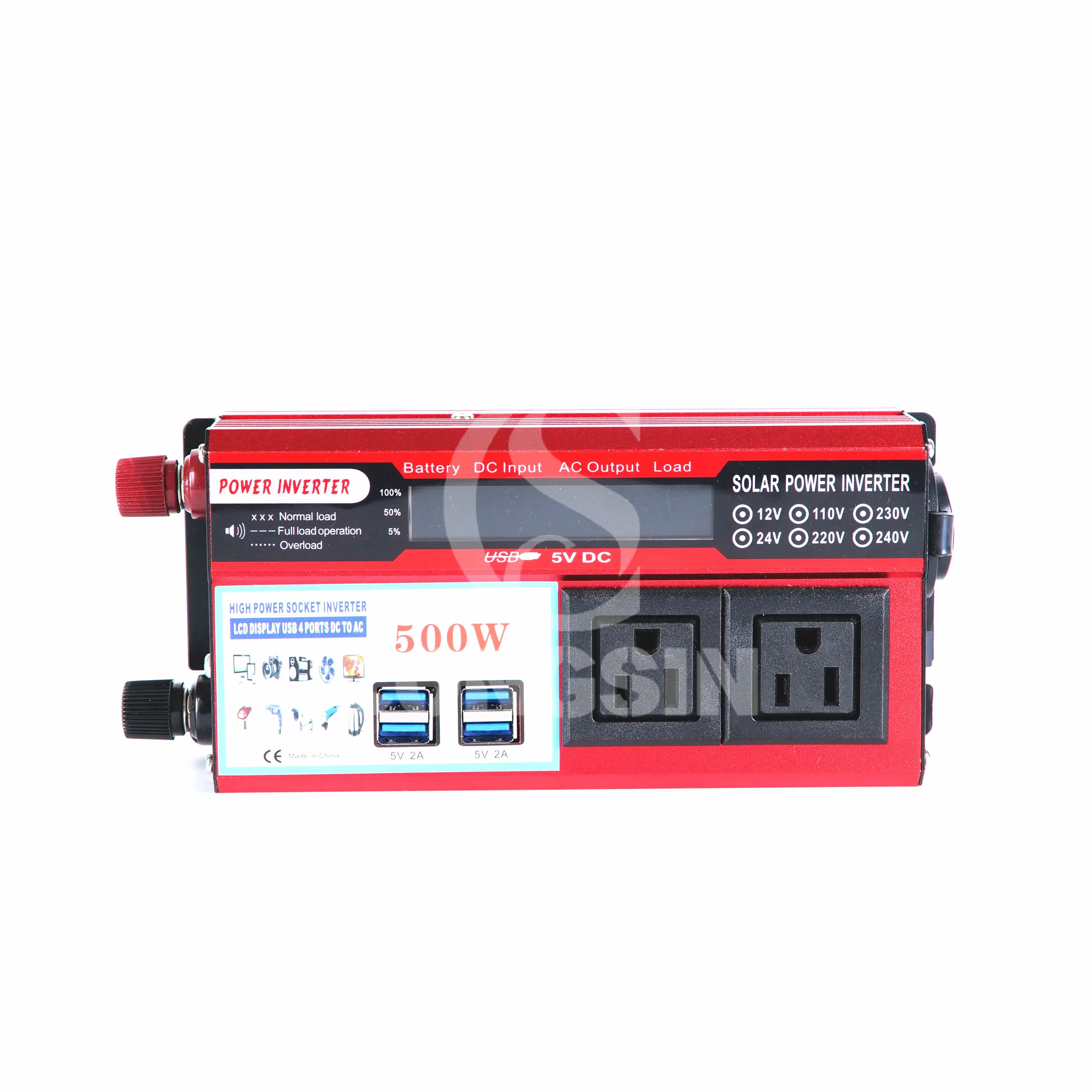
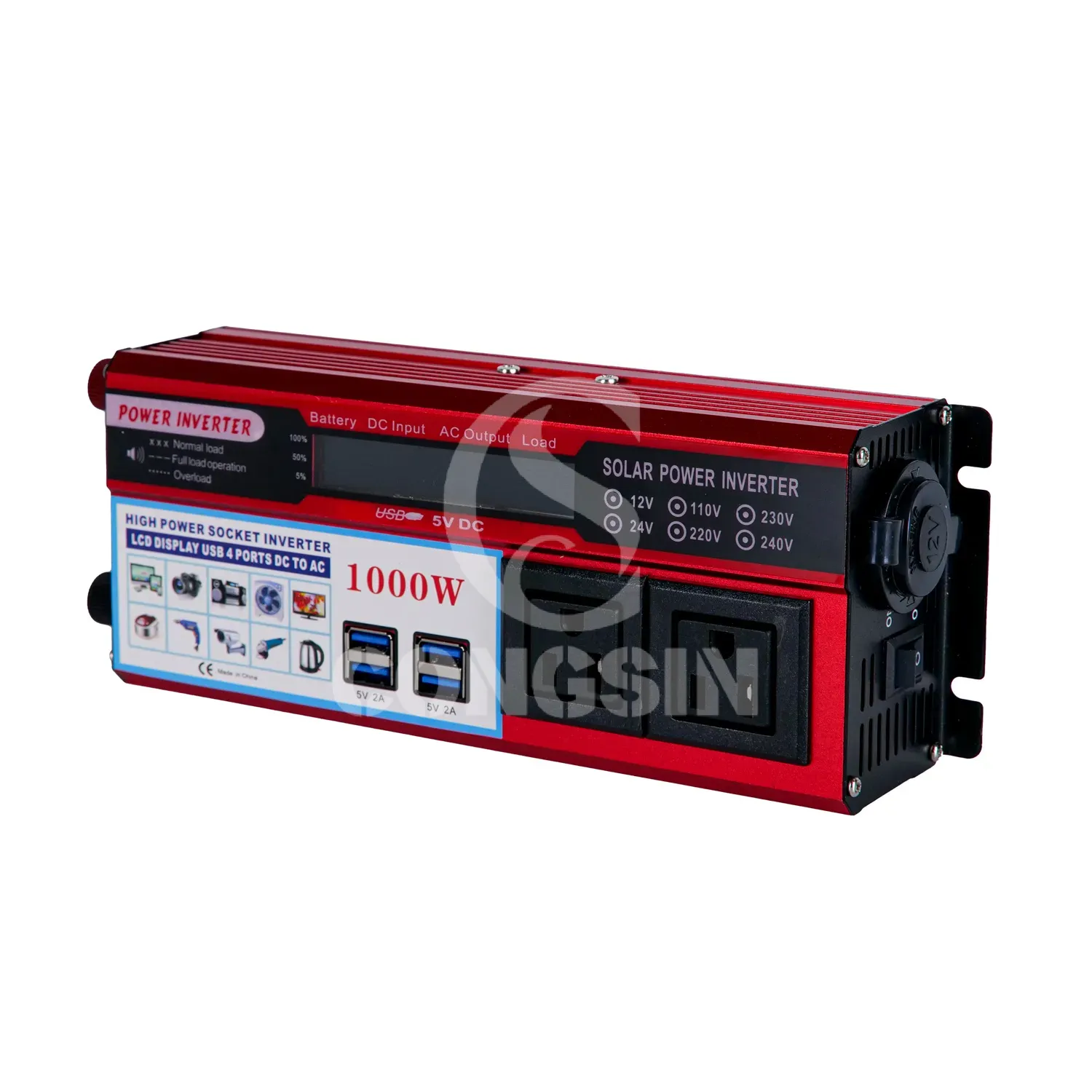
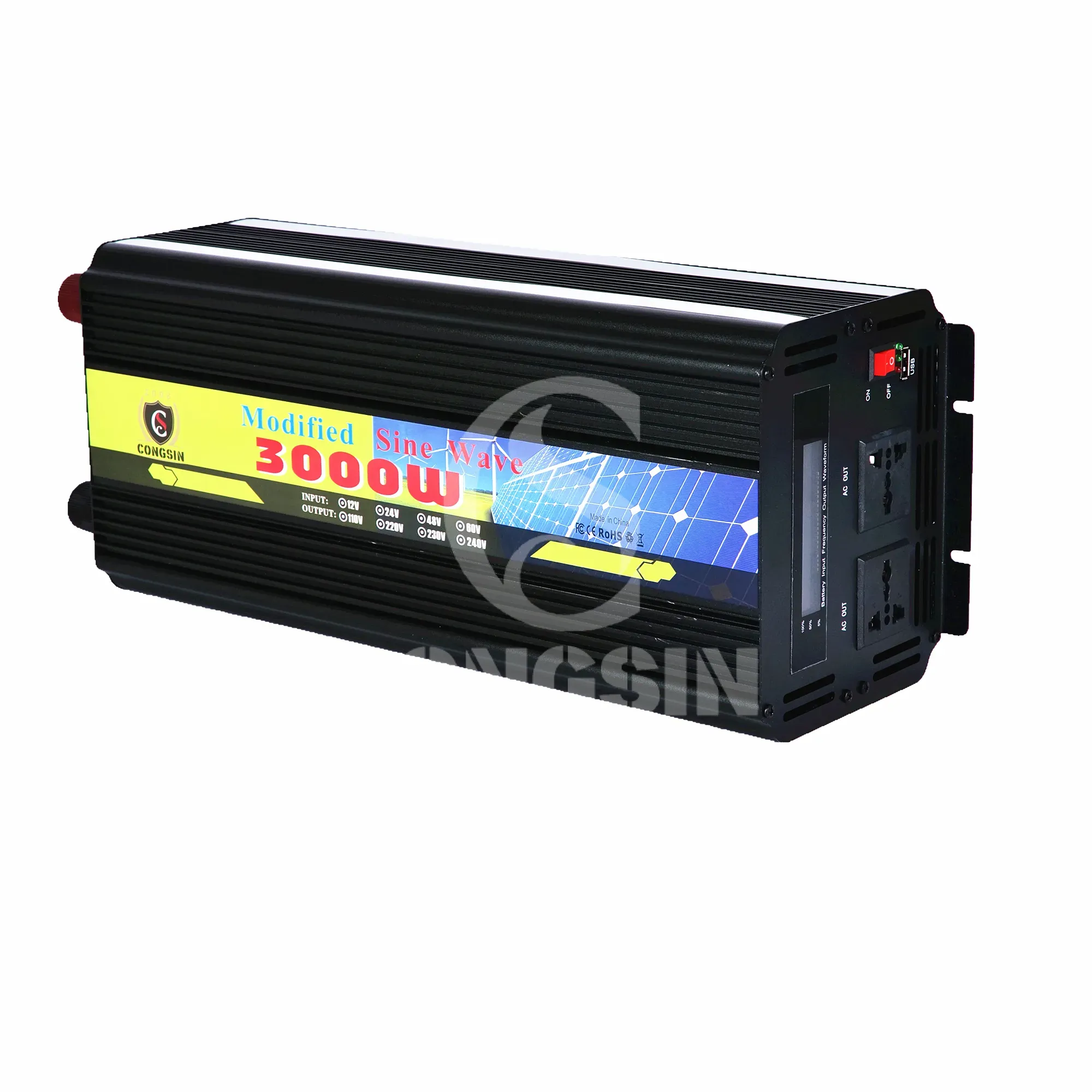
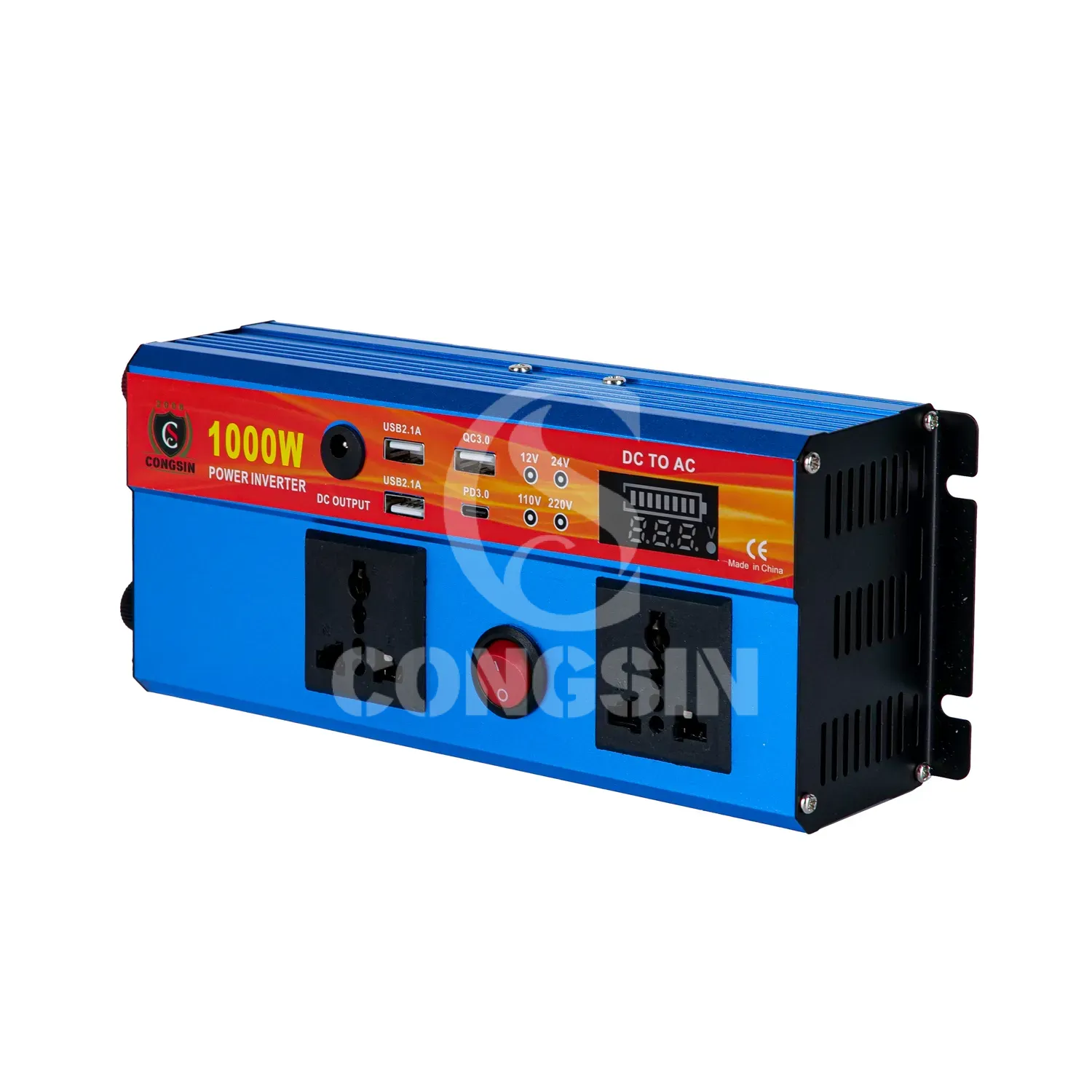
Modified Sine Wave Inverters
Can it be connected to a battery long-term?
Yes, ensure good ventilation to avoid overheating.
What devices can it power?
Suitable for fans, lights, TVs, laptops, and small electric tools.
What devices can be powered by the cigarette lighter port?
The cigarette lighter port can be used for car air pumps, car refrigerators, car vacuum cleaners and other conventional cigarette lighter powered devices, as long as the power does not exceed 300W.
How does reverse protection work?
When the positive and negative poles of the battery are reversed, the inverter will automatically cut off the circuit to avoid device damage and ensure power usage safety.
Distributor
What kind of distributors are you looking for?
We seek distributors with experience in the amusement or entertainment equipment industry and a strong local market presence.
Get in Touch with Our Team
You can also communicate with us directly through our online contact form. Please fill in the following information, and our team will contact you as soon as possible after receiving your message.

CONGSIN is a trusted OEM factory for power inverters, solar charge controllers, and DC converters. Reliable solutions for global B2B buyers.
 High Quality
 7/24 Service
 Guaranteed Warranty
© 2025 Congsin. All Rights Reserved.