





What certifications should a commercial pure sine wave inverter have?
When selecting a commercial pure sine wave inverter, it's crucial to address specific concerns to ensure optimal performance and compliance. Below are six frequently asked questions by beginners, along with comprehensive answers:
1. What are the key certifications a commercial pure sine wave inverter should have?
When selecting a commercial pure sine wave inverter, it's essential to ensure it meets specific certifications that guarantee safety, reliability, and compliance with industry standards. Key certifications include:
UL Certification: Indicates that the inverter has been tested and meets safety standards set by Underwriters Laboratories.
ETL Certification: Signifies compliance with North American safety standards, ensuring the product has been tested for safety and performance.
CE Marking: Denotes conformity with European Union safety, health, and environmental protection standards.
RoHS Compliance: Ensures the inverter is free from hazardous substances, promoting environmental safety.
IEC Standards: International standards that ensure the inverter meets global safety and performance criteria.
For instance, the Wagan Tech Pure Line 700W Pure Sine Wave Inverter is ETL certified and RoHS compliant, ensuring it meets stringent safety and environmental standards.
2. How do I determine the appropriate power capacity for my commercial pure sine wave inverter?
Selecting the right power capacity is vital to ensure your inverter can handle the total wattage of all connected devices without overloading. Consider the following steps:
Calculate Total Wattage: List all devices you intend to power and sum their individual wattages.
Account for Surge Power: Some devices, like motors, require additional power during startup. Ensure the inverter's surge capacity exceeds the combined surge requirements of your equipment.
Include a Safety Margin: Add a buffer (typically 20-30%) to the total wattage to accommodate unforeseen power demands and ensure efficient operation.
For example, if your equipment totals 1,000W, consider an inverter with at least 1,200W continuous power and a surge capacity of 2,000W to handle startup demands.
3. What are the common issues faced by commercial pure sine wave inverters, and how can they be mitigated?
Commercial pure sine wave inverters may encounter several issues:
Overheating: Ensure the inverter is installed in a well-ventilated area and that its cooling system is functioning correctly. Regular maintenance, such as cleaning dust from vents, can prevent overheating.
Loose or Corroded Connections: Periodically inspect and tighten all electrical connections. Corrosion can be mitigated by applying protective coatings to terminals.
Battery Issues: Use high-quality batteries compatible with your inverter. Regularly check battery health and replace them as needed to maintain optimal performance.
4. How can I ensure my commercial pure sine wave inverter is compatible with my existing electrical system?
Compatibility is crucial for seamless integration:
Voltage Matching: Ensure the inverter's input and output voltages align with your system's specifications.
Frequency Considerations: Verify that the inverter operates at the correct frequency (e.g., 50Hz or 60Hz) for your region.
Connection Types: Check that the inverter's output connections are compatible with your equipment's input requirements.
Consulting the inverter's technical specifications and, if necessary, seeking advice from a qualified electrician can help ensure compatibility.
5. What maintenance practices are recommended for commercial pure sine wave inverters?
Regular maintenance extends the lifespan and reliability of your inverter:
Routine Inspections: Check for signs of wear, corrosion, or damage.
Cleaning: Remove dust and debris from vents and cooling fans to prevent overheating.
Firmware Updates: Keep the inverter's firmware updated to benefit from performance improvements and security patches.
Professional Servicing: Schedule periodic servicing by qualified technicians to address potential issues proactively.
6. How do I assess the efficiency of a commercial pure sine wave inverter?
Inverter efficiency impacts energy consumption and operational costs:
Check Efficiency Ratings: High-quality inverters typically have efficiency ratings above 90%.
Review Total Harmonic Distortion (THD): A lower THD indicates cleaner power output, which is beneficial for sensitive equipment.
Consider Load Matching: Ensure the inverter's capacity aligns with your typical load to operate efficiently.
For instance, the SureSine series offers inverters with high efficiency and low THD, making them suitable for commercial applications.
By addressing these questions, you can make informed decisions when selecting a commercial pure sine wave inverter, ensuring it meets your operational needs and complies with industry standards.
For personalized assistance and a detailed quote, please contact us at info@csinverter.com or visit our website at www.csinverter.com.


Distributor
Do I need to carry inventory?
We offer flexible inventory options based on your market needs, and we can assist with supply chain management.
What kind of distributors are you looking for?
We seek distributors with experience in the amusement or entertainment equipment industry and a strong local market presence.
Modified Sine Wave Inverters
Is customization available?
OEM/ODM support for logo, color, and packaging design.
What is the function of the independent control switch?
The independent control switches for DC and AC can respectively control the on and off of DC and AC circuits, facilitating the separate management of power supply for different types of devices and improving power usage safety and flexibility.
Does it support inductive loads?
Modified sine wave inverters are suitable for resistive loads; for inductive loads, pure sine wave models are recommended.
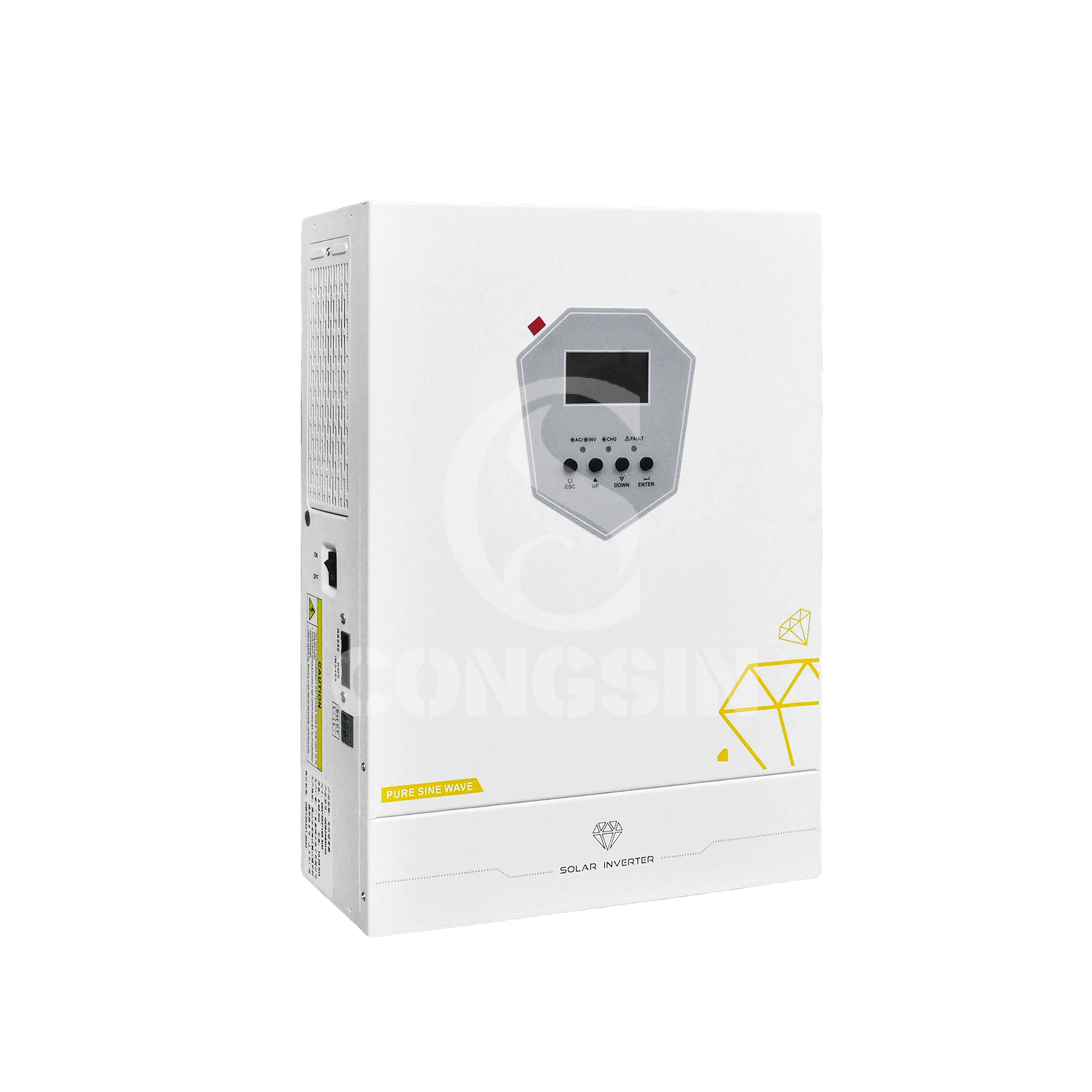
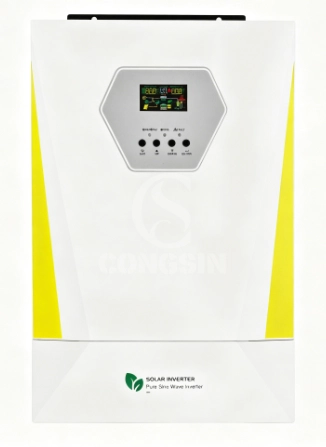
Power your solar system efficiently with the Congsin 4000W and 6000W Hybrid Inverter. Featuring an integrated MPPT Controller, this CE Certified inverter ensures optimal energy conversion. Monitor performance effortlessly via the intuitive LCD Display. Reliable, powerful, and ready for your sustainable energy needs.
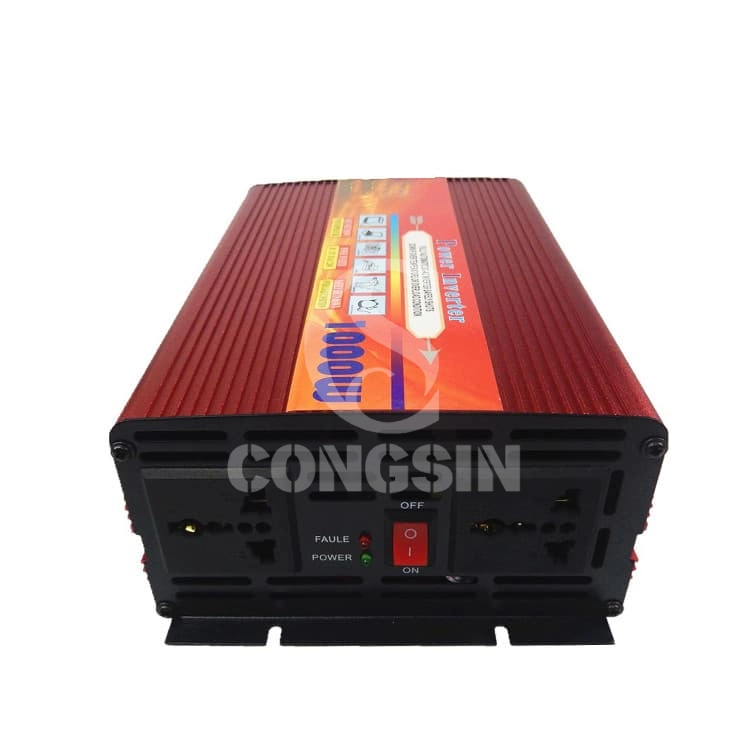
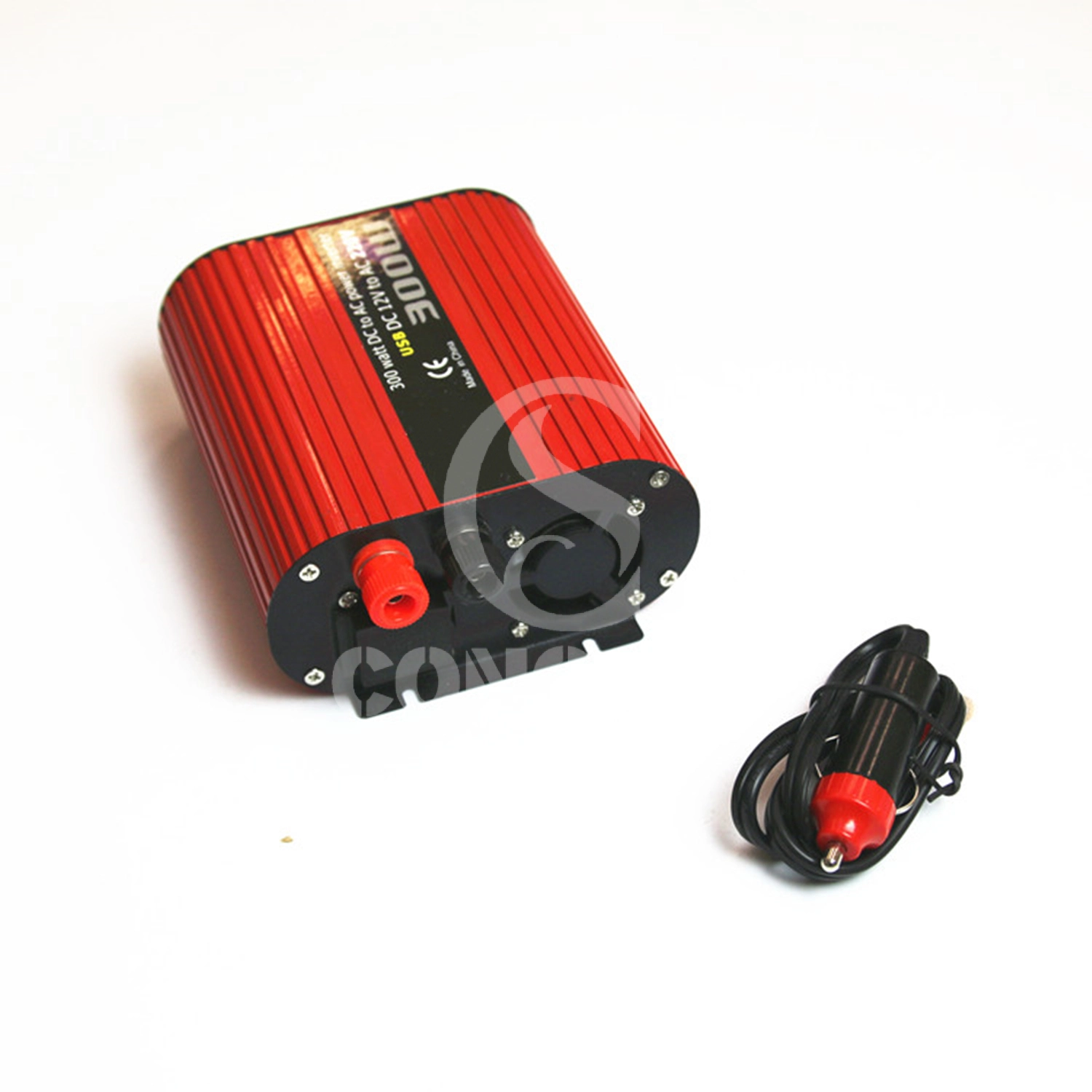
Congsin's Portable 150W Modified Sine Wave Inverter powers your journey! This versatile Car Power Inverter with USB acts as a reliable 12V to 220V converter, ensuring an essential off-grid power supply. With dual USB ports and a universal socket, enjoy convenient power on the go.
Get in Touch with Our Team
You can also communicate with us directly through our online contact form. Please fill in the following information, and our team will contact you as soon as possible after receiving your message.

CONGSIN is a trusted OEM factory for power inverters, solar charge controllers, and DC converters. Reliable solutions for global B2B buyers.
 High Quality
 7/24 Service
 Guaranteed Warranty
© 2025 Congsin. All Rights Reserved.
 WeChat
 Scan QR Code
sin cong
teaimei10
Whatsapp: +8618028086791
Scan QR Code