



OEM Portable Power Station Suppliers: Evaluation & RFQ Guide
- Quick Answer: How Should Buyers Evaluate OEM Portable Power Station Suppliers?
- 1. Define the Electrical Specification First
- 2. Review Battery and BMS Design
- 3. Check Inverter Output and Load Compatibility
- 4. Charging Architecture Matters
- 5. Confirm OEM/ODM Scope
- 6. Validate Samples Before Production
- 7. Review Quality and Compliance Requirements
- 8. MOQ, Lead Time and Price Are Project-Specific
- 9. RFQ Checklist
- 10. Congsin as an OEM/ODM Option
- FAQ
- What should I compare when choosing an OEM portable power station supplier?
- Should a portable power station use pure sine wave output?
- What should be tested in a sample?
- What OEM options should buyers confirm?
- Are MOQ and lead time fixed?
- What should an OEM portable power station RFQ include?
Quick Answer: How Should Buyers Evaluate OEM Portable Power Station Suppliers?
Compare suppliers by the exact power architecture, battery system, inverter output, charging inputs, BMS functions, thermal design, customization scope, sample validation, quality controls, required certifications and commercial terms. A generic “top supplier” ranking is less useful than confirming whether a manufacturer can repeatedly build the specification your market needs.
1. Define the Electrical Specification First
Before comparing suppliers, define AC output power, surge requirements, output waveform, DC and USB outputs, battery capacity, target cycle-life expectations, charging inputs and operating environment. Suppliers should quote against the same specification so price and capability comparisons are meaningful.
2. Review Battery and BMS Design
Portable power stations depend on the cell chemistry, pack architecture and battery-management system. Buyers should ask how over-voltage, under-voltage, over-current, temperature and short-circuit protection are implemented and validated for the exact model. Battery claims should be confirmed by model-specific documentation rather than generic marketing language.
3. Check Inverter Output and Load Compatibility
Confirm whether the AC output is pure sine wave or modified sine wave, the rated continuous power, surge behavior and supported AC voltage/frequency. Sensitive electronics, motors and inductive loads may have different waveform and surge requirements, so application fit should be checked before finalizing the design.
4. Charging Architecture Matters
Portable systems may support AC charging, vehicle charging and solar charging. Compare input ranges, charging power, control strategy, connector choices and solar-controller requirements. Charging time should be evaluated from the actual battery capacity and supported input power rather than treated as a universal product claim.
5. Confirm OEM/ODM Scope
| Area | What to confirm |
|---|---|
| Branding | Logo, labels, manuals and packaging |
| Electrical | Output ports, AC standard, charging inputs and control settings |
| Housing | Color, enclosure details and interface layout where supported |
| Documentation | Manuals, labels, inspection records and market-specific files |
6. Validate Samples Before Production
Use samples to confirm output stability, charging behavior, thermal performance, user interface, connectors, enclosure quality, noise, protection functions and packaging. For private-label projects, also review artwork, labeling and manual content before mass production.
7. Review Quality and Compliance Requirements
Ask which inspections and tests apply to the specific model and destination market. Congsin's site profile confirms an ISO9001-certified quality system and lists multiple international approvals across its product range, but buyers should still verify the exact certification documents required for the selected model and target market.
8. MOQ, Lead Time and Price Are Project-Specific
MOQ, lead time and pricing vary with battery size, inverter power, housing, branding, packaging, certification scope, order quantity and customization. Request commercial terms for the exact configuration instead of relying on generic supplier-list estimates.
9. RFQ Checklist
- Battery capacity and chemistry
- Continuous and surge AC output
- Waveform, voltage and frequency
- DC/USB outputs
- AC, vehicle and solar charging requirements
- Target market and certification needs
- Branding, packaging and manuals
- Sample and inspection requirements
- Order quantity and delivery destination
10. Congsin as an OEM/ODM Option
Congsin's site profile identifies the company as a power-inverter manufacturer founded in 1998, with portable power stations among its core product lines and OEM/ODM, private-label and customization support. Buyers should confirm the exact model, configuration and commercial terms for each project.
Contact Congsin about OEM portable power station requirements.
FAQ
What should I compare when choosing an OEM portable power station supplier?
Compare battery architecture, inverter output, charging, BMS protection, samples, customization, testing, documentation and commercial terms.
Should a portable power station use pure sine wave output?
It depends on the target loads. Sensitive electronics, motors and other devices may benefit from pure sine wave output, so the waveform should match the application.
What should be tested in a sample?
Test AC output, charging, thermal behavior, protection functions, ports, user interface, enclosure quality and packaging.
What OEM options should buyers confirm?
Confirm branding, labels, manuals, packaging, ports, AC standard, charging configuration and any enclosure or firmware options supported for the project.
Are MOQ and lead time fixed?
No. They can vary with configuration, customization, certification scope and order quantity.
What should an OEM portable power station RFQ include?
Include battery capacity, inverter output, waveform, charging inputs, ports, target market, certification needs, branding, packaging, quantity and sample requirements.
Maintenance Best Practices to Extend UPS Power Inverter Life
Certifications, Warranty, and Compliance for 1000W Car Inverters
Sourcing Reliable Modified Sine Wave Inverter Manufacturers
Case Studies: High Frequency Inverter Success in Solar Microgrids
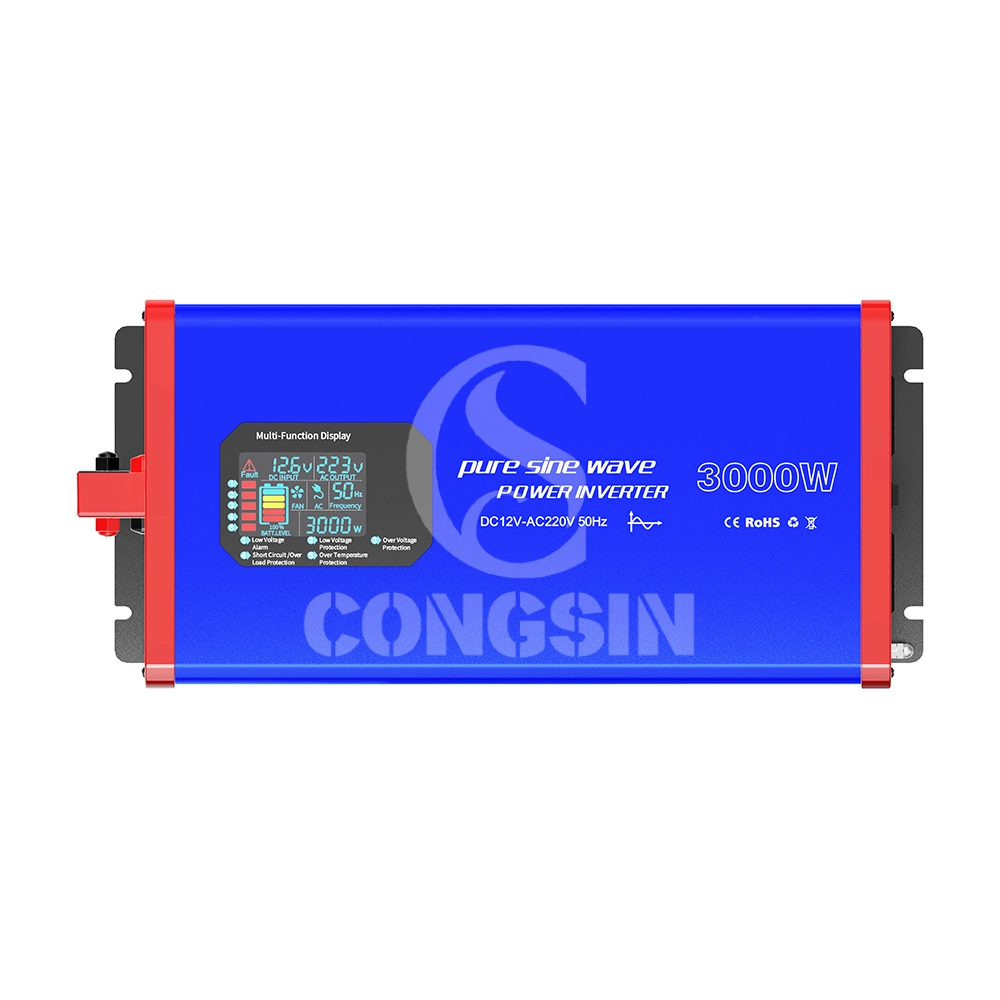
3000W Full-Power Pure Sine Wave Inverter, DC 12V to AC 220V Power Converter, Suitable for High-Power Precision Devices
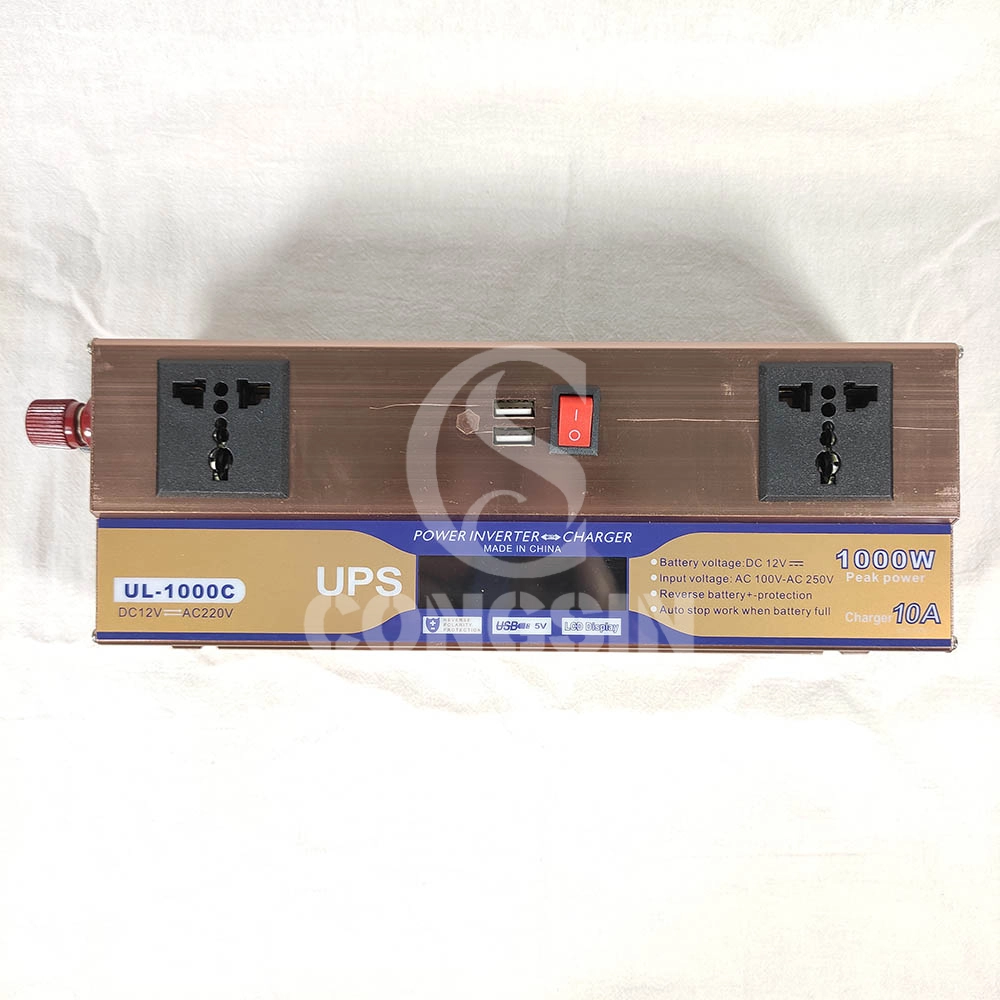
1000W Modified Sine Wave Inverter with UPS Charger DC12V to AC220V 600W Rated Power Dual Universal Socket Inverter

1500W Pure Sine Wave Inverter with Remote Control Function

2000W Modified Sine Wave Inverter, DC 12V to AC 220V Power Inverter with 2 AC Sockets, 2 Cooling Fans & Battery Terminal Wire (Model: CS2000BIG)
Get in Touch with Our Team
You can also communicate with us directly through our online contact form. Please fill in the following information, and our team will contact you as soon as possible after receiving your message.

CONGSIN is a trusted OEM factory for power inverters, solar charge controllers, and DC converters. Reliable solutions for global B2B buyers.
 High Quality
 7/24 Service
 Guaranteed Warranty
© 2025 Congsin. All Rights Reserved.
 WeChat
 Scan QR Code
sin cong
teaimei10
Whatsapp: +8618028086791
Scan QR Code