





How to Size a Pure Sine Wave Car Inverter for Your Vehicle
- Why pure sine wave matters for vehicle power
- What a pure sine wave inverter provides
- When you cannot use modified sine wave
- Regulatory and safety context
- Understanding load types and power needs
- Continuous vs. surge (peak) watts
- Resistive, inductive and electronic loads
- Practical load inventory method
- Step-by-step sizing guide for your vehicle
- Step 1 — Create a device table
- Step 2 — Calculate required continuous and surge capacity
- Step 3 — Check DC supply and battery capacity
- Step 4 — Cable, fuse and installation considerations
- Worked examples and practical checks
- Typical car/RV example
- Battery and DC current check
- Comparison table: inverter types and when to choose pure sine
- Choosing and installing the right inverter — practical recommendations
- Match continuous and peak ratings, not just one
- Consider inverter features that matter in vehicles
- Installation best practices
- Product and OEM considerations — Guangzhou Congsin advantage
- Why trust manufacturer credentials
- About Guangzhou Congsin Electronic Technology Co., Ltd.
- Congsin's manufacturing and certifications
- Common pitfalls and how I avoid them
- Undersizing for startup currents
- Poor DC-side planning
- Incorrect wiring and fusing
- FAQ
- 1. What size inverter do I need for my car?
- 2. Can I run a microwave from a car inverter?
- 3. Is a pure sine wave inverter necessary for laptops and phone chargers?
- 4. How do I size the battery and alternator for inverter use?
- 5. What wiring gauge should I use for my inverter?
- 6. Can I connect a pure sine inverter to my vehicle’s cigarette lighter?
- Closing and contact / product CTA
I’ve sized and recommended hundreds of vehicle inverters over my career as an inverter consultant. Choosing the right car inverter pure sine wave is about more than picking a wattage number — it requires understanding device startup currents, continuous loads, vehicle battery capacity, cable sizing, and the operational environment. Below I walk through a methodical, verifiable process you can follow to size a reliable pure sine wave inverter for a car, truck, RV or service vehicle, supported by standards and manufacturer-tested practice.
Why pure sine wave matters for vehicle power
What a pure sine wave inverter provides
Pure sine wave inverters convert DC to AC producing a clean sinusoidal waveform closely matching utility power. That waveform is required or strongly recommended for sensitive electronics, modern chargers, motors and some medical equipment. Basic inverter theory and classifications are summarized in the inverter overview on Wikipedia, which confirms functional differences between inverter topologies.
When you cannot use modified sine wave
Modified sine wave inverters are cheaper, but they can cause overheating, buzzing, reduced motor torque, charger faults and EMI issues for some devices. I always recommend pure sine for laptops, variable-speed motors, compressor refrigerators, CPAP machines and professional tools used in vehicles.
Regulatory and safety context
Ensure inverter selection considers safety and emissions standards: look for ISO9001 quality system compliance and international approvals (CE, EMC, LVD, ETL, FCC, RoHS, E-MARK). ISO9001 details are available at ISO, and FCC equipment authorization provides guidance on emission limits (FCC).
Understanding load types and power needs
Continuous vs. surge (peak) watts
Most appliances have two wattage figures: running (continuous) watts and startup (surge) watts. Motors, compressors and some power supplies can draw 2–6x their running current at startup. You must size the inverter to handle the highest surge as well as the combined continuous load. I use the following rule: inverter continuous rating >= total continuous watts, inverter surge rating >= largest appliance startup wattage + safety margin.
Resistive, inductive and electronic loads
Different load types behave differently: resistive loads (heaters, incandescent bulbs) draw steady current; inductive loads (motors, compressors) produce large inrush currents; electronic loads (switch-mode chargers, LED drivers) are sensitive to waveform quality. Pure sine wave minimizes harmonic distortion and reduces overheating or failure risks for electronic loads.
Practical load inventory method
Walk through the vehicle and list every device you plan to run from the inverter. Note both running and startup watts. Where only current (amps) is given, convert to watts: Watts = Volts x Amps (for US mains use 120V; for EU use 230V). For manufacturer specs absent, use conservative typical values (I list common values in the worked example below).
Step-by-step sizing guide for your vehicle
Step 1 — Create a device table
List each appliance with running and startup watts. Include expected simultaneous-use scenarios (e.g., coffee maker and laptop vs. just laptop). Use measured or manufacturer values where possible.
Step 2 — Calculate required continuous and surge capacity
Add continuous watts for the simultaneous scenario to get total continuous load. Identify the largest startup watt among the running devices and ensure inverter surge rating exceeds it. Add a 20–30% safety margin for reliability and future additions.
Step 3 — Check DC supply and battery capacity
Sizing the inverter without considering DC source is a common mistake. Inverter efficiency (typically 85–95%) affects DC current draw. Calculate DC current: DC amps = (AC watts / inverter efficiency) / battery voltage. For example, a 1200W AC load at 90% efficiency on a 12V battery draws ~111A DC: DC amps = (1200/0.9)/12 ≈ 111A. Ensure your vehicle’s alternator and battery can support that current, or consider a larger battery bank or alternator upgrade.
Step 4 — Cable, fuse and installation considerations
Use proper cable gauge between battery and inverter to handle DC current and minimize voltage drop. Fuse or breaker should be on the positive DC lead as close to the battery as possible. Typical guidance: for each inverter model consult manufacturer wiring charts; as a rule of thumb, 100A requires 2/0 AWG for short runs (<0.5m) in automotive environments, but length and ambient temperature change sizing. Always follow the inverter's installation manual and local vehicle electrical codes.
Worked examples and practical checks
Typical car/RV example
Here is a scenario I commonly see: charging a laptop, running LED lights, and occasionally using a 600W coffee maker at stops. Build the table below to size the inverter.
| Device | Running Watts | Startup Watts |
|---|---|---|
| Laptop charger | 60 | 120 |
| LED lights (4x) | 40 | 40 |
| 12V refrigerator (AC mode) | 120 | 300 |
| Coffee maker (short use) | 600 | 1200 |
Total continuous = 60 + 40 + 120 + 600 = 820W. Largest startup = 1200W (coffee maker). With 25% margin, recommended continuous inverter >= 820 * 1.25 = 1025W. Because surge needed >= 1200W, select a 1500W pure sine inverter with 3000W peak (typical spec), or a 2000W inverter for extra headroom.
Battery and DC current check
Assume inverter efficiency 92% and 12V battery: DC amps = (820/0.92)/12 ≈ 74A. For a 1500W inverter at full load: (1500/0.92)/12 ≈ 136A. Ensure battery and alternator can provide expected loads and that cable gauge is sufficient. If you plan extended use, increase battery capacity (amp-hour) or use a higher-voltage system (24V or 48V) to reduce DC currents.
Comparison table: inverter types and when to choose pure sine
| Aspect | Modified Sine Wave | Pure Sine Wave |
|---|---|---|
| Cost | Lower | Higher |
| Compatibility | Basic resistive loads | Sensitive electronics, motors, chargers |
| Efficiency / heat | Can cause inefficiencies and heat in some devices | Cleaner operation, less heat/harmonics |
| Recommended for vehicles? | Limited uses (heaters, simple bulbs) | Most vehicle applications I advise |
Sources for inverter fundamentals: Wikipedia - Inverter.
Choosing and installing the right inverter — practical recommendations
Match continuous and peak ratings, not just one
I always instruct clients to size both continuous and surge capacity. An inverter rated 1000W continuous but only 1500W peak may still be inadequate for a 1200W coffee maker startup. Choose an inverter with both specs comfortably above your maximum calculated needs.
Consider inverter features that matter in vehicles
Key features to prioritize: low idle consumption (important with small alternators), high surge capacity for motors, automatic low-battery shutdown, audible alarms, thermal protection, multiple AC outlets, remote on/off switch, and protections for reverse polarity and short-circuit. Also consider a unit with built-in charger/transfer capabilities if you plan to integrate shore or solar charging.
Installation best practices
Mount the inverter near the battery for short cable runs, but in a ventilated location away from heat and moisture. Use crimped lugs and quality bolts. Secure cables, fuse at the battery, and install breaker on the AC side per local codes. If you’ll use solar or alternator charging, ensure charging profile compatibility with battery chemistry (AGM, LiFePO4, etc.).
Product and OEM considerations — Guangzhou Congsin advantage
Why trust manufacturer credentials
When selecting a car inverter pure sine wave, manufacturer reliability, testing, and approvals matter. I recommend buying from suppliers with proven production quality and certifications to ensure long-term reliability in automotive environments. Guangzhou Congsin Electronic Technology Co., Ltd. fits this profile.
About Guangzhou Congsin Electronic Technology Co., Ltd.
Founded in early 1998, Guangzhou Congsin Electronic Technology Co., Ltd. is a professional power inverter manufacturer with over 27 years of focused experience. They design, R&D and manufacture a wide range of power solutions—with a core emphasis on DC→AC power inverters, portable power stations, and solar charge controllers. Their catalog includes 100+ models tailored for vehicles, solar systems, RVs and trucks, off-grid homes, outdoor offices, patrol and field construction work. Website: www.csinverter.com. For inquiries: info@csinverter.com.
Congsin's manufacturing and certifications
Congsin operates fully automated production lines, advanced instrumentation and multifunctional testing equipment to ensure product reliability and intelligent functionality. Their quality system is ISO9001 certified and many products hold international approvals such as CE, EMC, LVD, ETL, FCC, RoHS and E-MARK. Several independently developed patents demonstrate their commitment to innovation. They support OEM/ODM, private labeling and customized solutions to meet partner specifications. This level of vertical integration and certification is precisely what I look for when recommending inverters for demanding vehicle applications.
Common pitfalls and how I avoid them
Undersizing for startup currents
People often underestimate surge currents for motors and compressors. I always test or consult motor datasheets, and then add a margin — real-world conditions (cold start, high altitude) often increase inrush.
Poor DC-side planning
Ignoring battery capacity or alternator limits leads to voltage sag and inverter shutdowns. If you need sustained AC loads, plan for deep-cycle batteries or higher-system voltages (24V/48V) and alternator upgrades.
Incorrect wiring and fusing
Using undersized cables or improper fuses is a safety hazard. I always follow manufacturer wiring charts and automotive electrical standards, and recommend professional installation if you are not experienced with high DC currents.
FAQ
1. What size inverter do I need for my car?
List the devices you want to run simultaneously, total their running watts and identify the largest startup watt. Choose an inverter with continuous rating above the total running watts (plus 20–30% margin) and surge rating above the largest startup watt. See the worked example above.
2. Can I run a microwave from a car inverter?
Yes, if your inverter can handle both the continuous and high startup watts. Microwaves are high-power inductive/electronic loads; often a 2000W+ pure sine inverter (with adequate surge) is required. Also confirm your battery and alternator can supply the DC current safely.
3. Is a pure sine wave inverter necessary for laptops and phone chargers?
Many modern phone and laptop chargers have switch-mode supplies that will run on modified sine, but pure sine is safer and more reliable, especially for high-end laptops and chargers. I recommend pure sine for sensitive electronics to avoid noise, overheating or reduced charger lifetimes.
4. How do I size the battery and alternator for inverter use?
Calculate DC current drawn by inverter at expected AC load: DC amps = (AC watts / inverter efficiency) / battery voltage. Ensure battery has sufficient amp-hour capacity for the desired runtime, and the alternator plus charging system can replenish the energy during operation if needed. Consider lithium (LiFePO4) batteries for higher usable capacity and cycle life.
5. What wiring gauge should I use for my inverter?
Wiring must match the DC current and cable length. Short runs and high currents require larger gauges (for example, 2/0 AWG for 100–200A over short distances), but always refer to the inverter’s installation manual and local standards. Install a properly rated fuse close to the battery.
6. Can I connect a pure sine inverter to my vehicle’s cigarette lighter?
Most cigarette-lighter circuits are fused for ~10–20A and are not suitable for high-power inverters. You can use a small inverter (150W–300W) specifically rated for accessory sockets, but for anything above a few hundred watts, hardwiring to the battery with correct fusing is required.
Closing and contact / product CTA
If you want help sizing an inverter for your specific vehicle setup, or prefer to explore tested, certified pure sine wave car inverters, contact me or Guangzhou Congsin Electronic Technology Co., Ltd. directly. I work with manufacturers like Congsin (www.csinverter.com) to match vehicle power needs to reliable products. For product info, OEM/ODM inquiries or bespoke solutions, email: info@csinverter.com.
Choosing the right car inverter pure sine wave will protect your devices, improve operational reliability and deliver better energy efficiency. If you’d like, send me your device list and vehicle electrical specs and I’ll provide a sizing recommendation and product shortlist tailored to your needs.
References: Inverter fundamentals: https://en.wikipedia.org/wiki/Inverter_(power_electronics). ISO9001 quality standard: https://www.iso.org/iso-9001-quality-management.. FCC equipment authorization: https://www.fcc.gov/general/equipment-authorization.
Top 10 car battery inverter Manufacturers and Supplier Brands
How to Choose High-Efficiency Vehicle Power Inverters
Cost Savings Analysis: High Frequency Inverter vs Traditional
Troubleshooting Common Inverter Grid Off Issues
Pure Sine Wave Inverters
Can the 3 AC sockets drive high-power devices at the same time?
Yes, but it is necessary to ensure that the total power of the 3 devices does not exceed 2000W (continuous power). For example, it can drive 1 1000W electric oven + 1 500W microwave + 1 400W printer at the same time (total power 1900W), avoiding total power overload to trigger the protection mechanism.
Distributor
Do I need to carry inventory?
We offer flexible inventory options based on your market needs, and we can assist with supply chain management.
Modified Sine Wave Inverters
Can I customize the logo?
Yes, OEM/ODM service is available.
Can this inverter run a refrigerator or power tools?
Recommended load ≤80% of rated power. For inductive loads, use a pure sine wave model.
Is it a pure sine wave or a modified sine wave? What's the difference?
This is a modified sine wave inverter, suitable for most conventional home appliances and electronic devices; pure sine wave is suitable for precision devices with extremely high power requirements. This modified sine wave is more cost-effective at 2000W, meeting the needs of most scenarios.
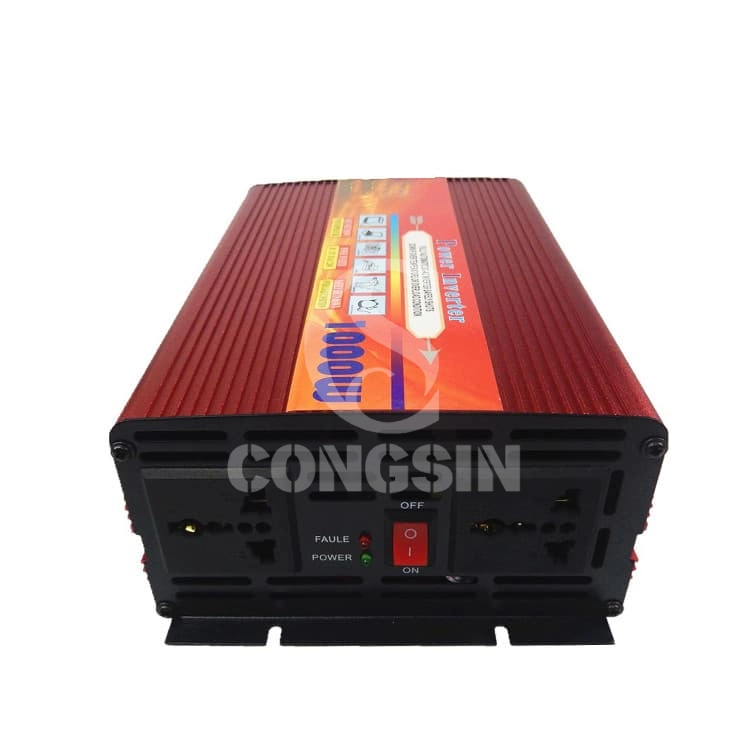
Congsin Manufacturer Wholesales Big Capability Modified Sine Wave Inverter with Red case and Double fan
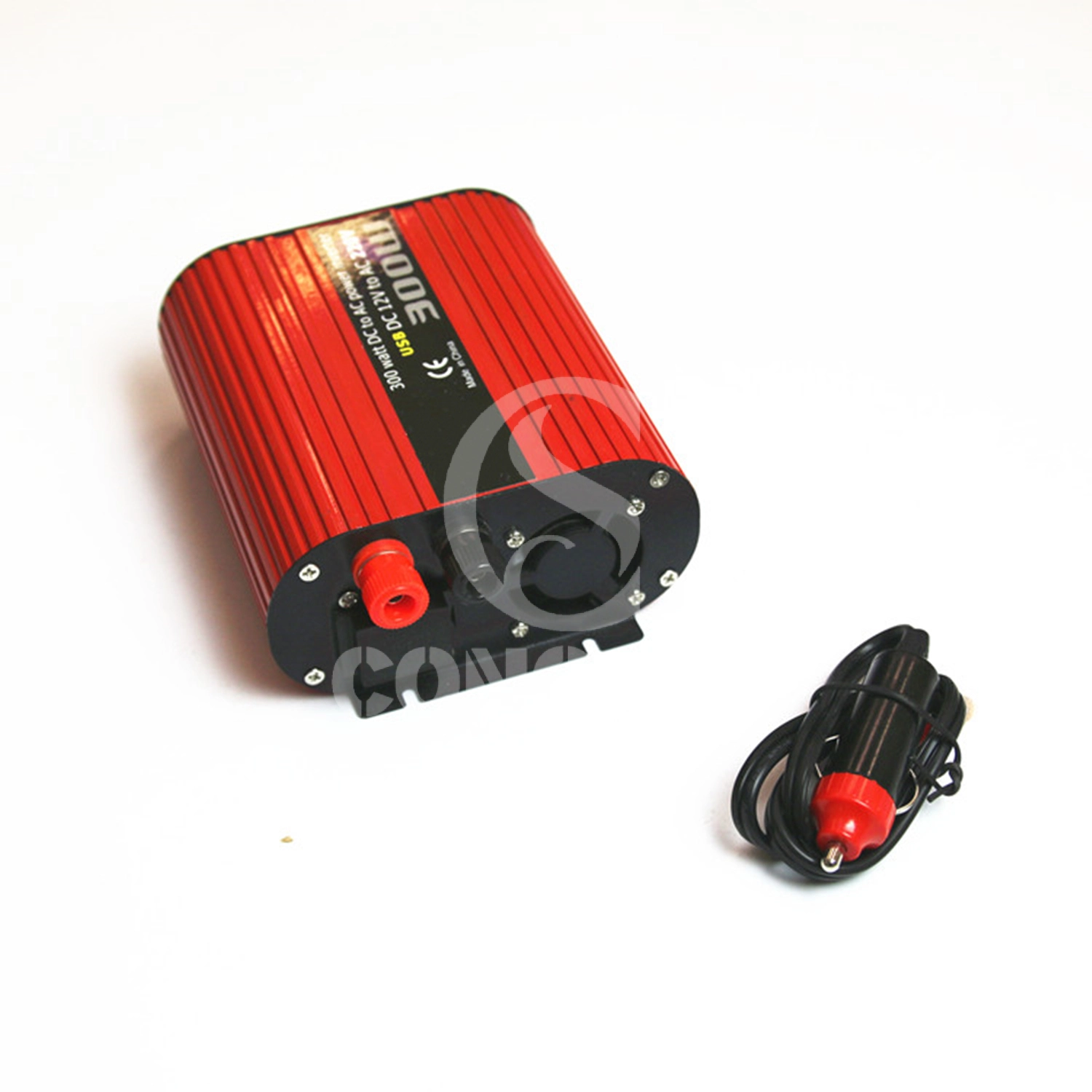
Factory Direct Sales Portable 150W Modified Sine Wave Inverter DC12V to AC220V Off-grid Sine Wave Inverter with Two USB and Universal Socket
Congsin's Portable 150W Modified Sine Wave Inverter powers your journey! This versatile Car Power Inverter with USB acts as a reliable 12V to 220V converter, ensuring an essential off-grid power supply. With dual USB ports and a universal socket, enjoy convenient power on the go.
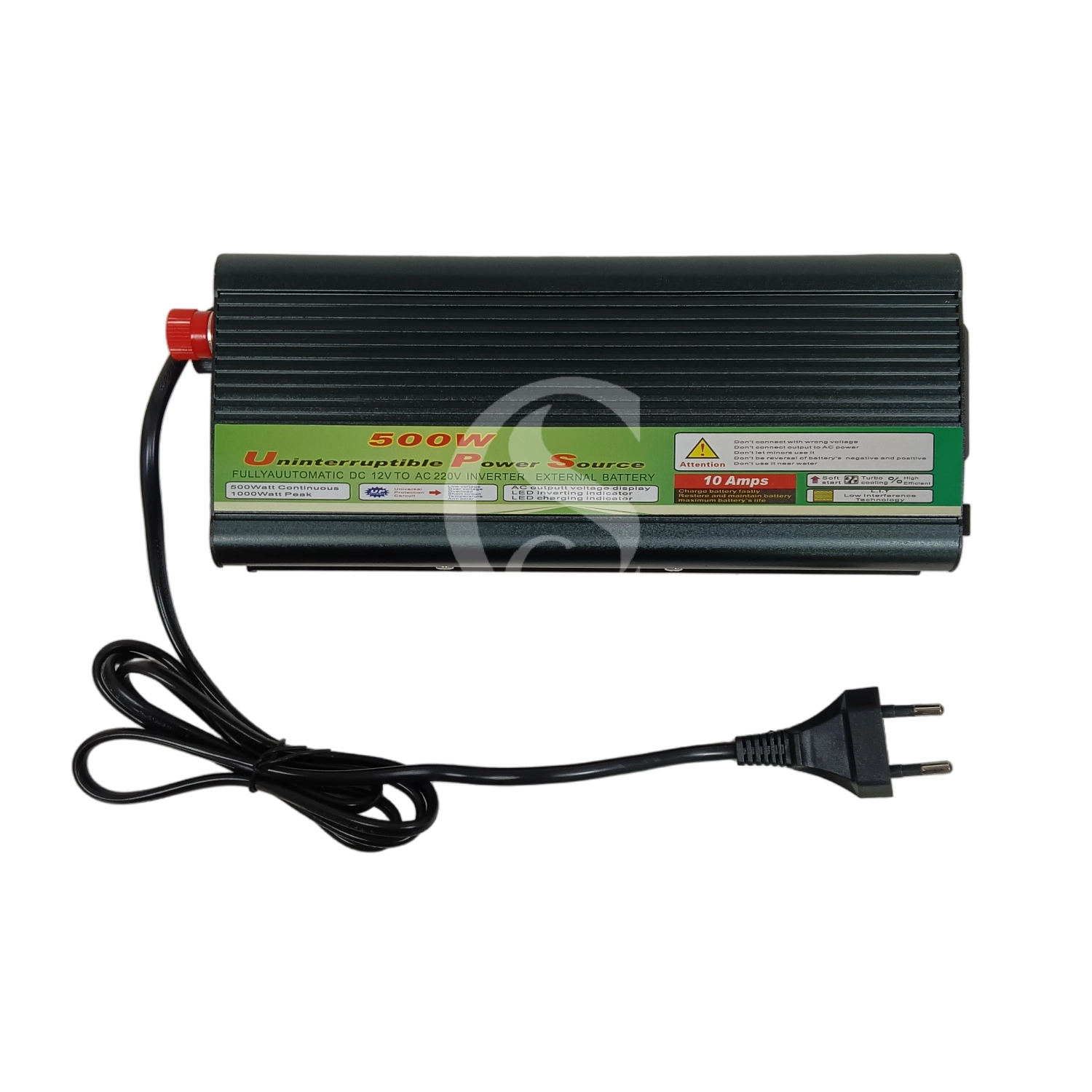
Congsin 500W DC to AC Modified Sine Wave Inverter 12V 220V Off Grid Power Inverter
Congsin 500W 12V to 220V inverter delivers reliable off-grid power with its modified sine wave design. This portable 500W DC to AC power inverter efficiently converts 12V DC to 220V AC, ideal for outdoor and emergency use. Trust Congsin for stable, portable energy solutions.
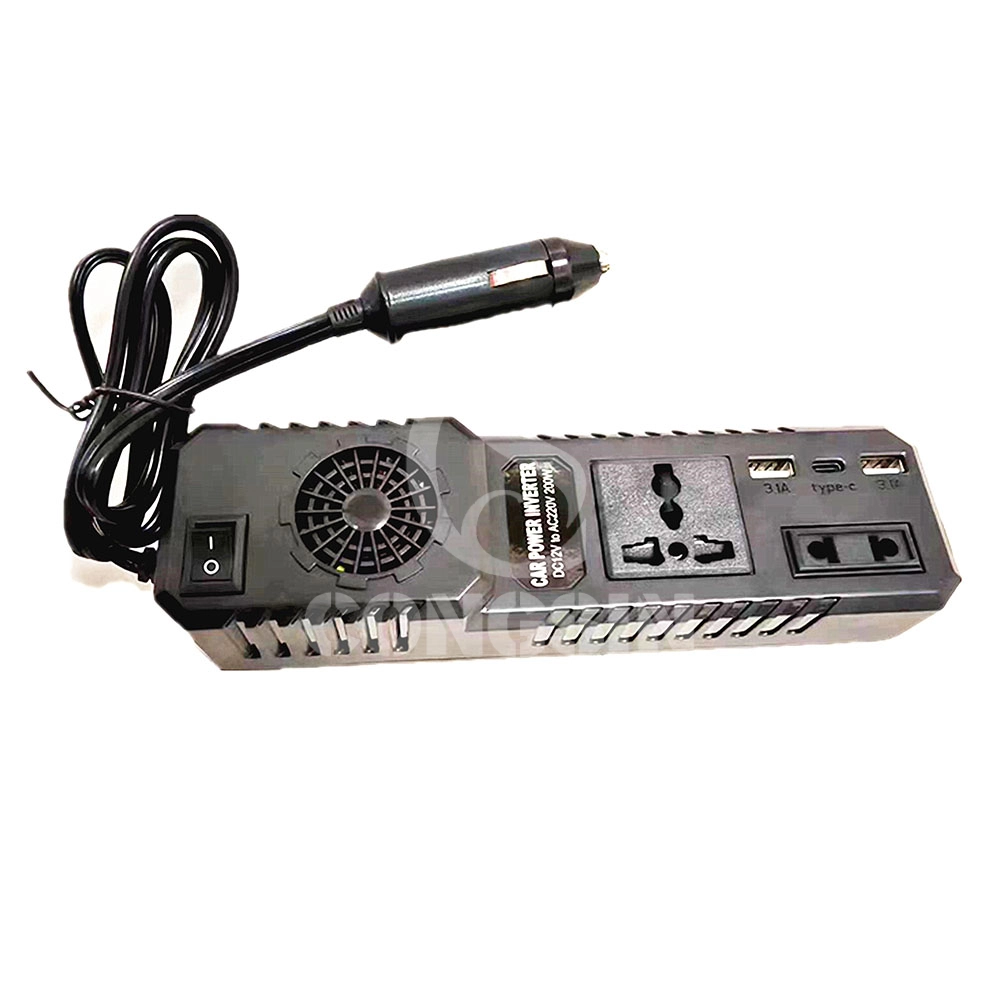
200W Modified Sine Wave Car Power Inverter, Dual Input DC12V/24V to AC220V with Type-C & Dual USB Ports
This 200W Modified Sine Wave Car Power Inverter is a compact and practical power conversion device designed for vehicle use. It supports dual input (DC12V/24V) and outputs AC220V, compatible with various electronic devices. Equipped with a Type-C port and dual 3.1A USB outputs, it can charge laptops, phones, cameras, drones, and other small electronics simultaneously—perfect for outdoor travel, emergency backup, and mobile work scenarios.

CONGSIN is a trusted OEM factory for power inverters, solar charge controllers, and DC converters. Reliable solutions for global B2B buyers.
 High Quality
 7/24 Service
 Guaranteed Warranty
© 2025 Congsin. All Rights Reserved.
 WeChat
 Scan QR Code
sin cong
teaimei10
Whatsapp: +8618028086791
Scan QR Code