





Pure vs Modified Sine: Which Car Inverter Should You Buy
- Understanding inverter basics
- What an inverter does and why waveform matters
- Pure sine wave vs modified sine wave—what are we comparing?
- Standards and power quality considerations
- Pure Sine Wave vs Modified Sine Wave: Technical Comparison
- Waveform quality, harmonics and device behavior
- Efficiency, thermal performance and noise
- Compatibility—which devices need pure sine?
- How to choose the right car inverter
- Identify your loads and power requirements
- Safety, certifications and build quality
- Sizing and surge capacity: practical examples
- Why I often recommend pure sine for car use (and when modified is acceptable)
- When pure sine is the smart choice
- When modified sine can be a pragmatic option
- Budget, lifecycle cost and resale value
- About Guangzhou Congsin Electronic Technology Co., Ltd. and why I trust their inverters
- Company overview and manufacturing strength
- Quality, certifications and innovation
- Product lines and support
- Final recommendation and practical checklist before you buy
- My bottom-line guidance
- Purchasing checklist
- FAQ
- 1. Can a modified sine wave inverter damage my devices?
- 2. How do I calculate the inverter size I need for my car?
- 3. Is a pure sine inverter always worth the extra cost?
- 4. Do car alternators and vehicle electrical systems limit inverter choice?
- 5. What certifications should I look for for a car inverter?
- 6. Can I use a portable power station instead of a car inverter?
- Contact & product information
I often get asked: Do I need a pure sine inverter for my car, or is a modified sine inverter good enough? As someone who has consulted on power inverter selection and written extensively about DC→AC solutions for vehicles, RVs and portable power, I want to give you a clear, evidence-based decision path. This article explains the technical differences between pure and modified sine wave outputs, compatibility with common automotive loads, sizing, certifications to watch for, and the practical trade-offs—so you can pick the right car inverter with confidence.
Understanding inverter basics
What an inverter does and why waveform matters
An inverter converts DC power (from a car battery or vehicle electrical system) into AC power used by most household electronics. The quality of the AC output—especially the waveform—determines how well a device runs, how much electromagnetic interference (EMI) is produced, and how efficient the conversion is. For general background on inverters and their role in power systems, see the Wikipedia overview on inverters: https://en.wikipedia.org/wiki/Inverter_(electrical).
Pure sine wave vs modified sine wave—what are we comparing?
A pure sine wave inverter produces an AC waveform that closely matches the smooth sine curve of utility power. A modified sine wave inverter approximates that curve using stepped or approximated voltage levels. The distinction is not just academic: the waveform affects harmonics, heating in motors, audio/video noise, and device compatibility.
Standards and power quality considerations
Power quality is regulated and characterized by standards such as IEEE 519 for harmonics and IEC/ISO frameworks for safety and manufacturing processes. Harmonic distortion and interference can be quantified. If you want to dive deeper into harmonic limits and industry guidance, IEEE Std 519 addresses acceptable harmonic limits: https://standards.ieee.org/standard/519-2014..
Pure Sine Wave vs Modified Sine Wave: Technical Comparison
Waveform quality, harmonics and device behavior
Pure sine outputs have low total harmonic distortion (THD), typically under 3–5% for quality inverters; this mimics grid power and is ideal for sensitive electronics. Modified sine inverters, by design, introduce higher harmonic content, which can cause extra heating in motors and transformers and audible buzzing in speakers. For the mathematical basis of sine waves, see: https://en.wikipedia.org/wiki/Sine_wave.
Efficiency, thermal performance and noise
Efficiency depends on inverter topology, switching components and load. Modified sine inverters may be slightly more efficient at certain loads because of simpler circuitry, but they often create more EMI and heat in powered appliances. Modern pure sine inverters using advanced MOSFET/IGBT topologies can reach high efficiencies (often 90%+ under typical loads) with superior thermal management.
Compatibility—which devices need pure sine?
Devices that typically require pure sine include medical devices, CPAP machines, modern laptop power supplies with active PFC, variable-speed motor drives, laser printers, certain LED drivers and sensitive audio/video equipment. Inductive loads such as motors and refrigerators will run cooler and quieter on pure sine. Modified sine may work for simple resistive loads like incandescent bulbs, many phone chargers and simple power tools, but compatibility is not guaranteed and can vary by model.
| Feature / Metric | Pure Sine Wave | Modified Sine Wave |
|---|---|---|
| Waveform quality (THD) | Low (commonly <5%) | High (stepped waveform, significant harmonics) |
| Compatibility | All devices including sensitive electronics | Simple resistive loads and some electronics; risky for sensitive or inductive loads |
| EMI / Audible noise | Low | Higher (buzzing/heating in some devices) |
| Price (typical) | Higher | Lower |
| Use cases | Medical, audio/video, laptops, modern appliances | Basic charging, simple tools, incandescent lights |
How to choose the right car inverter
Identify your loads and power requirements
Start by listing every device you plan to run and note its continuous and startup (surge) power. Motors and compressors often have startup currents several times their running current. I recommend using the device nameplate and, when in doubt, choosing an inverter with a surge capability 2–3x the continuous load. For best practices on inverter sizing for solar and vehicle systems see EnergySage's inverter guide: https://www.energysage.com/solar/solar-inverters/.
Safety, certifications and build quality
Certifications (CE, EMC, LVD, ETL, FCC, RoHS, E-MARK) and a quality management system like ISO9001 provide assurance about safety, emissions and consistent manufacturing. ISO's page explains the standard: https://www.iso.org/iso-9001-quality-management.. I always recommend buying inverters that have the relevant approvals for your market and documented test reports.
Sizing and surge capacity: practical examples
Here are example recommendations based on common car/RV devices:
| Device | Typical Running Watts | Typical Surge Watts | Recommended Inverter Type |
|---|---|---|---|
| Laptop charger | 45–90 W | 100–200 W | Pure sine recommended |
| CPAP machine | 30–60 W | 60–120 W | Pure sine required |
| Refrigerator (12V compressor) | 100–400 W | 800–2000 W | Pure sine recommended |
| Power drill | 300–500 W | 900–1500 W | Modified may work, but pure sine reduces motor heating |
| Incandescent bulb | 40–100 W | Same as running | Either |
Why I often recommend pure sine for car use (and when modified is acceptable)
When pure sine is the smart choice
If you run electronics with switch-mode power supplies, audio/video gear, medical equipment, variable-speed motors or refrigeration, choose a pure sine inverter. The operational reliability, cooler motor temperatures and lower noise often justify the price High Quality—especially on longer trips or in commercial/critical use cases.
When modified sine can be a pragmatic option
For occasional, simple loads like incandescent lights, older resistive appliances, or basic battery chargers, a modified sine inverter can save money. However, be aware of possible side effects: humming in audio equipment, reduced efficiency, or increased heating in some loads. For vehicle-based emergency kits or infrequent low-power use, modified sine may suffice.
Budget, lifecycle cost and resale value
I frequently run a quick cost-benefit analysis for clients: initial savings on a modified sine inverter can be offset by device incompatibilities, potential damage or shortened lifetime of certain appliances, and user frustration. Pure sine inverters also have higher resale and OEM value in many markets, especially if they carry recognized certifications.
About Guangzhou Congsin Electronic Technology Co., Ltd. and why I trust their inverters
Company overview and manufacturing strength
Guangzhou Congsin Electronic Technology Co., Ltd., founded in early 1998, is a professional power inverter manufacturer with over 27 years of focused experience. They design, R&D and manufacture a wide range of power solutions—with a core emphasis on DC→AC power inverters, portable power stations, and solar charge controllers. Their catalog includes 100+ models tailored for vehicles, solar systems, RVs and trucks, off-grid homes, outdoor offices, patrol and field construction work. Visit their site: www.csinverter.com.
Quality, certifications and innovation
Congsin operates fully automated production lines, advanced instrumentation and multifunctional testing equipment to ensure product reliability, efficiency and intelligent functionality. Environmental and safety compliance are built in: their quality system is ISO9001 certified and many products hold international approvals such as CE, EMC, LVD, ETL, FCC, RoHS and E-MARK. Several independently developed patents further demonstrate commitment to innovation. For context on ISO 9001 quality systems: https://www.iso.org/iso-9001-quality-management..
Product lines and support
Congsin's product lineup includes pure sine wave inverters, modified sine wave inverters, solar charge controllers and portable power stations. Their experience supplying OEM/ODM channels and multiple international approvals means you can get customized labeling, distribution and bespoke adaptations for automotive and off-grid applications. For inquiries contact: info@csinverter.com or explore models at www.csinverter.com. Their mission is to deliver reliable, efficient and affordable energy solutions that enable energy independence.
Final recommendation and practical checklist before you buy
My bottom-line guidance
If you expect to power sensitive electronics, motors, refrigeration, medical devices or want long-term reliability and minimal interference, buy a quality pure sine wave inverter. If your needs are strictly basic and budget-constrained, and you accept the compatibility risks, a modified sine inverter can suffice for simple loads.
Purchasing checklist
- List devices, note running & surge watts.
- Decide acceptable waveform: pure sine for sensitive/inductive loads.
- Confirm certifications (CE/ETL/FCC/RoHS/E-MARK) and ISO9001 production.
- Check efficiency curves and cooling design (fan/noise) in datasheets.
- Verify warranty, OEM/ODM support and after-sales service.
FAQ
1. Can a modified sine wave inverter damage my devices?
Not usually immediately, but certain devices—especially those with switch-mode power supplies, active power factor correction or sensitive electronics—may operate inefficiently, run hotter, produce audible noise, or behave unpredictably. Over time this can reduce device lifespan. For devices like CPAP machines or medical equipment, use pure sine to stay within manufacturer recommendations.
2. How do I calculate the inverter size I need for my car?
Add up the continuous wattage of all devices you plan to run simultaneously, then add headroom for surge/start-up currents (commonly 2–3x for motors). Choose an inverter whose continuous rating meets or exceeds your total, and whose surge rating covers the highest startup demand.
3. Is a pure sine inverter always worth the extra cost?
Often yes for mixed loads and long-term use. The High Quality protects sensitive electronics and motors, reduces EMI and tends to increase overall system reliability. For occasional, low-complexity use, the cost may not be justified.
4. Do car alternators and vehicle electrical systems limit inverter choice?
Make sure the inverter's input range matches your vehicle's DC system (12V/24V). Also consider input protection features like low-voltage disconnect, over-voltage protection and thermal cut-out. Some inverters include features optimized for automotive environments or connect directly to the alternator/battery system for charging and power management.
5. What certifications should I look for for a car inverter?
Look for CE, EMC, LVD, ETL, FCC, RoHS and E-MARK depending on your market. ISO9001 certification for manufacturing quality is a strong signal of consistent production standards. Also request test reports for THD, efficiency and EMI if your application is sensitive.
6. Can I use a portable power station instead of a car inverter?
Portable power stations (AC-capable battery packs) often include built-in pure sine inverters and may provide a cleaner, simpler user experience for short durations. However, they have limited runtime based on battery capacity. For continuous or higher-power car-based needs, a dedicated inverter wired to the vehicle battery/alternator is typically better.
Contact & product information
If you want tailored advice based on your exact device list and vehicle setup, or to explore high-quality pure sine wave inverters, modified sine options, solar charge controllers and portable power stations, contact Guangzhou Congsin Electronic Technology Co., Ltd. They support OEM/ODM, private labeling, distribution and custom specifications. Visit www.csinverter.com or email info@csinverter.com to request datasheets, certifications and customization options.
My goal in writing this was to give you a pragmatic, verifiable decision path. If you send me your device list and vehicle electrical specs, I will help you size the inverter and recommend specific Congsin models that fit your needs and budget.
What are the application scenarios of modified sine wave inverter?
24V Pure Sine Inverters vs Modified: Why Pay More?
Pure Sine Car Inverter vs Modified Sine: Which to Choose?
How to Choose a Pure Sine Car Inverter for Vehicles
Modified Sine Wave Inverters
Is customization available?
OEM/ODM support for logo, color, and packaging design.
Can other input voltages be customized?
Yes, the regular is DC12V, and DC24V, etc. can be customized. Please consult customer service for details.
How many devices can it power at the same time?
Dual universal sockets + two USB ports can power multiple devices (such as two home appliances + two mobile phones) at the same time, as long as the total power does not exceed 600W.
Can 4 USB ports fast charge at the same time?
Yes, 4 USB ports can fast charge mobile phones, tablets and other devices at the same time, meeting the needs of simultaneous charging of multiple devices.
Distributor
What kind of distributors are you looking for?
We seek distributors with experience in the amusement or entertainment equipment industry and a strong local market presence.
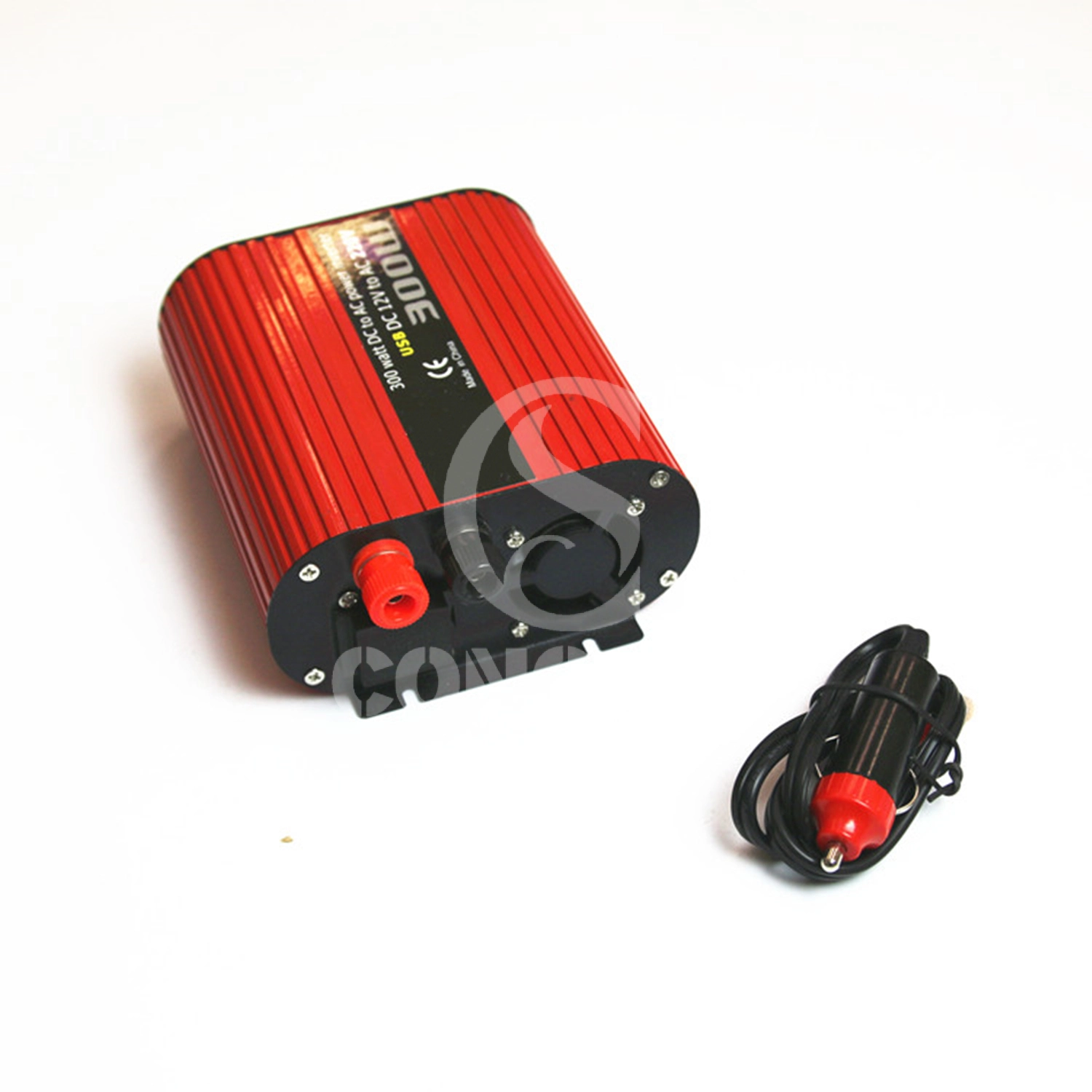
Factory Direct Sales Portable 150W Modified Sine Wave Inverter DC12V to AC220V Off-grid Sine Wave Inverter with Two USB and Universal Socket
Congsin's Portable 150W Modified Sine Wave Inverter powers your journey! This versatile Car Power Inverter with USB acts as a reliable 12V to 220V converter, ensuring an essential off-grid power supply. With dual USB ports and a universal socket, enjoy convenient power on the go.
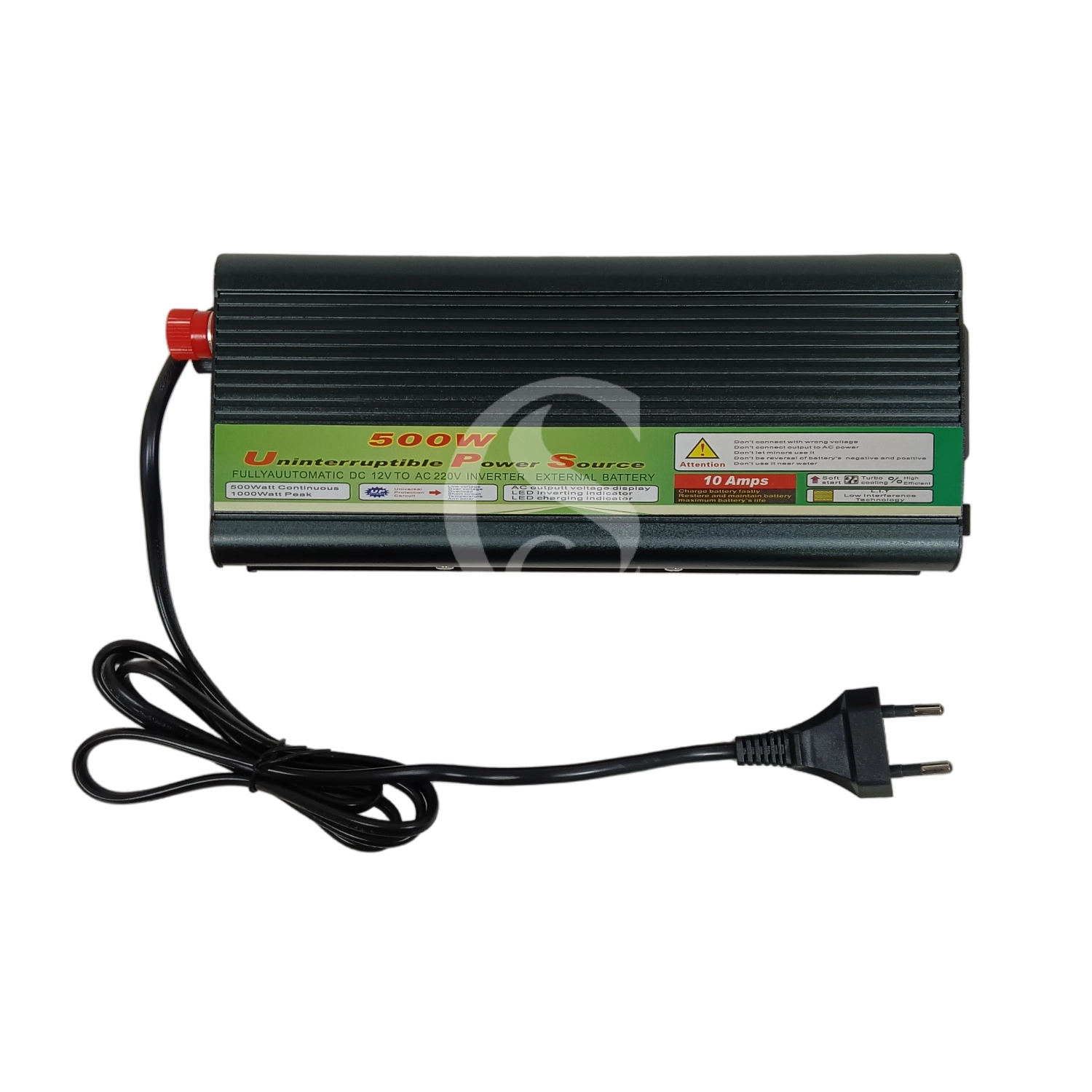
Congsin 500W DC to AC Modified Sine Wave Inverter 12V 220V Off Grid Power Inverter
Congsin 500W 12V to 220V inverter delivers reliable off-grid power with its modified sine wave design. This portable 500W DC to AC power inverter efficiently converts 12V DC to 220V AC, ideal for outdoor and emergency use. Trust Congsin for stable, portable energy solutions.
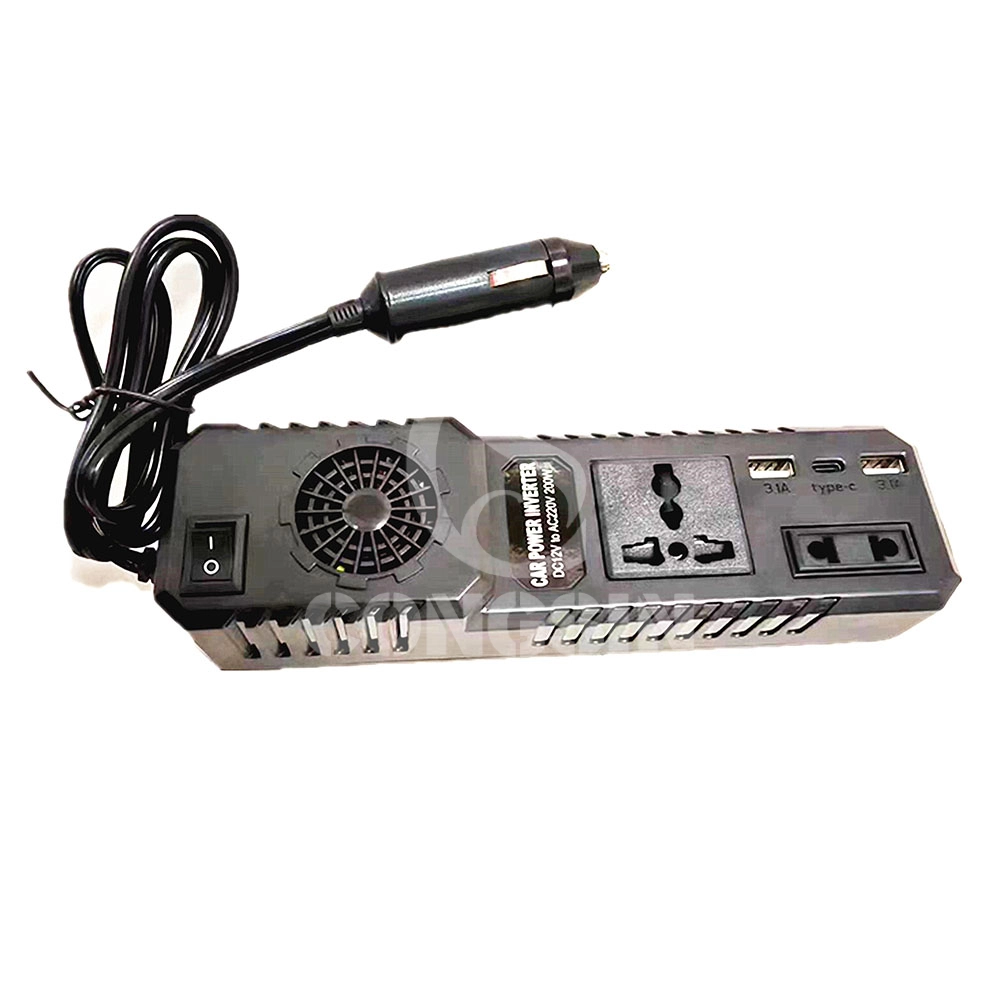
200W Modified Sine Wave Car Power Inverter, Dual Input DC12V/24V to AC220V with Type-C & Dual USB Ports
This 200W Modified Sine Wave Car Power Inverter is a compact and practical power conversion device designed for vehicle use. It supports dual input (DC12V/24V) and outputs AC220V, compatible with various electronic devices. Equipped with a Type-C port and dual 3.1A USB outputs, it can charge laptops, phones, cameras, drones, and other small electronics simultaneously—perfect for outdoor travel, emergency backup, and mobile work scenarios.
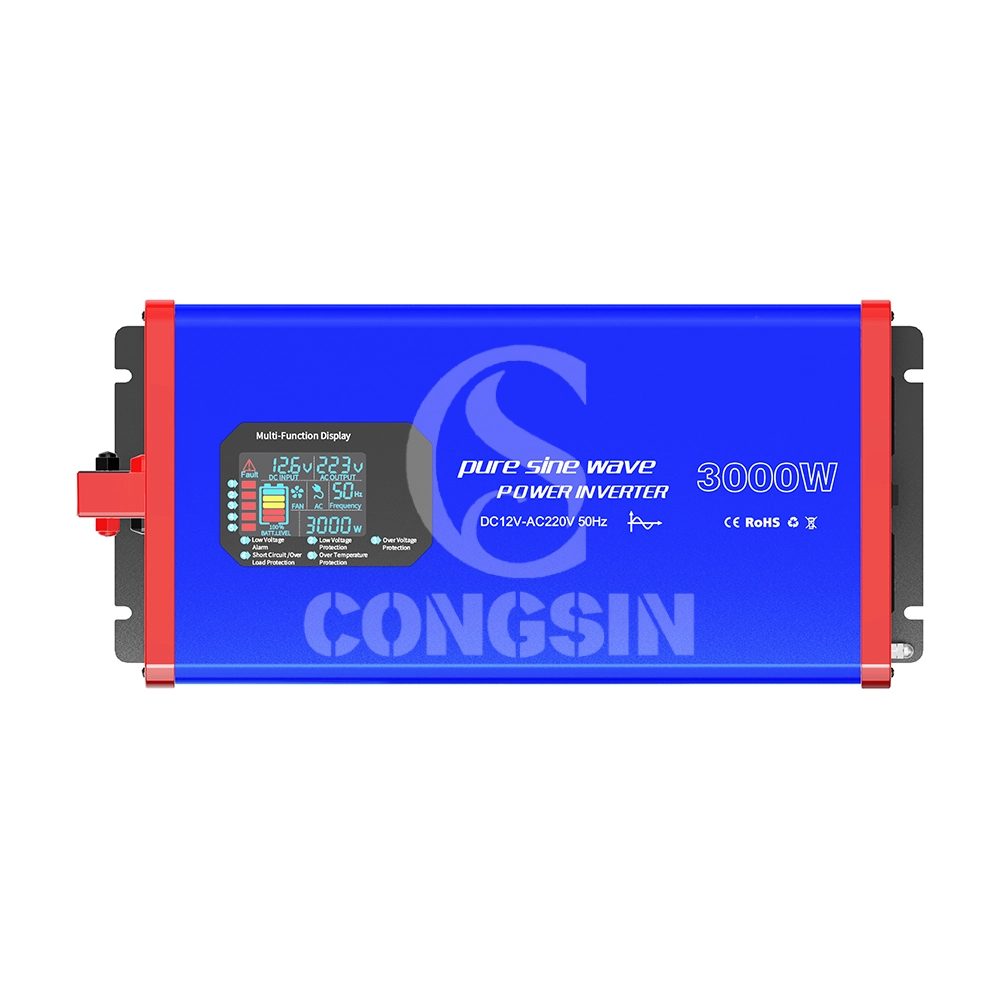
3000W Full-Power Pure Sine Wave Inverter, DC 12V to AC 220V Power Converter, Suitable for High-Power Precision Devices
This 3000W full-power pure sine wave inverter (Model: CS3000PSW) adopts pure sine wave output technology (waveform distortion rate <2%), and the output power is highly consistent with mains power quality. It can safely drive high-power precision loads such as air conditioners, refrigerators, medical instruments, and small industrial equipment, avoiding equipment malfunctions or shortened service life caused by unstable waveforms. The device supports DC 12V input (compatible with 10.5V-14.8V wide voltage), continuously outputs 3000W full power, and has a peak power of 6000W, easily coping with the instantaneous startup impact of high-power devices; it is equipped with 4 AC universal sockets (max current 16A) + 2 USB 3.0 fast-charging ports (22.5W per port) to meet the simultaneous power supply needs of multiple devices. Built-in six-fold safety protection (overload, overvoltage, undervoltage, short circuit, overtemperature, reverse connection), combined with dual intelligent silent cooling fans (noise ≤45dB), it achieves the triple advantages of "high power + high safety + low noise," suitable for home emergency, outdoor engineering, vehicle-mounted power supply, small industrial scenarios and other fields.

CONGSIN is a trusted OEM factory for power inverters, solar charge controllers, and DC converters. Reliable solutions for global B2B buyers.
 High Quality
 7/24 Service
 Guaranteed Warranty
© 2025 Congsin. All Rights Reserved.
 WeChat
 Scan QR Code
sin cong
teaimei10
Whatsapp: +8618028086791
Scan QR Code