





Pure Sine Wave vs. Modified Sine Wave: The Key Difference for Protecting Sensitive Electronics
- What Is the Difference Between Pure and Modified Sine Waves?
- Key Takeaways: Quick Summary for Buyers
- The Science of Inverters: Visualizing the Waveforms
- Data Comparison Table: Pure vs. Modified Sine Wave Specifications
- The Appliance Showdown: What Requires Pure Sine Power?
- Common Mistakes When Choosing an Inverter
- 2026 Future Trends: Why Modified Waves Are Phasing Out
- Industry Leading Solution: Securing Your Off-Grid Power
- Conclusion & Call to Action
- Frequently Asked Questions
- Can a modified sine wave damage my appliances?
- Will a refrigerator run on a modified sine wave inverter?
- Why are pure sine wave inverters more expensive?
- Can I use a modified sine wave inverter for a CPAP machine?
- How do I know if my inverter is pure or modified sine wave?
- Do laptops need a pure sine wave inverter?
- What is Total Harmonic Distortion (THD) in inverters?
- Can a pure sine wave inverter improve generator fuel efficiency?
When building an off-grid solar system, outfitting an RV, or securing an emergency backup power supply, one of the most critical decisions you will make is selecting the right inverter. The debate between a Pure vs Modified Sine Wave inverter is not just about upfront cost; it is about the survival and efficiency of your connected devices. As modern technology becomes increasingly sophisticated, understanding the nuances of electrical waveforms is essential to prevent premature appliance failure and energy waste.
What Is the Difference Between Pure and Modified Sine Waves?
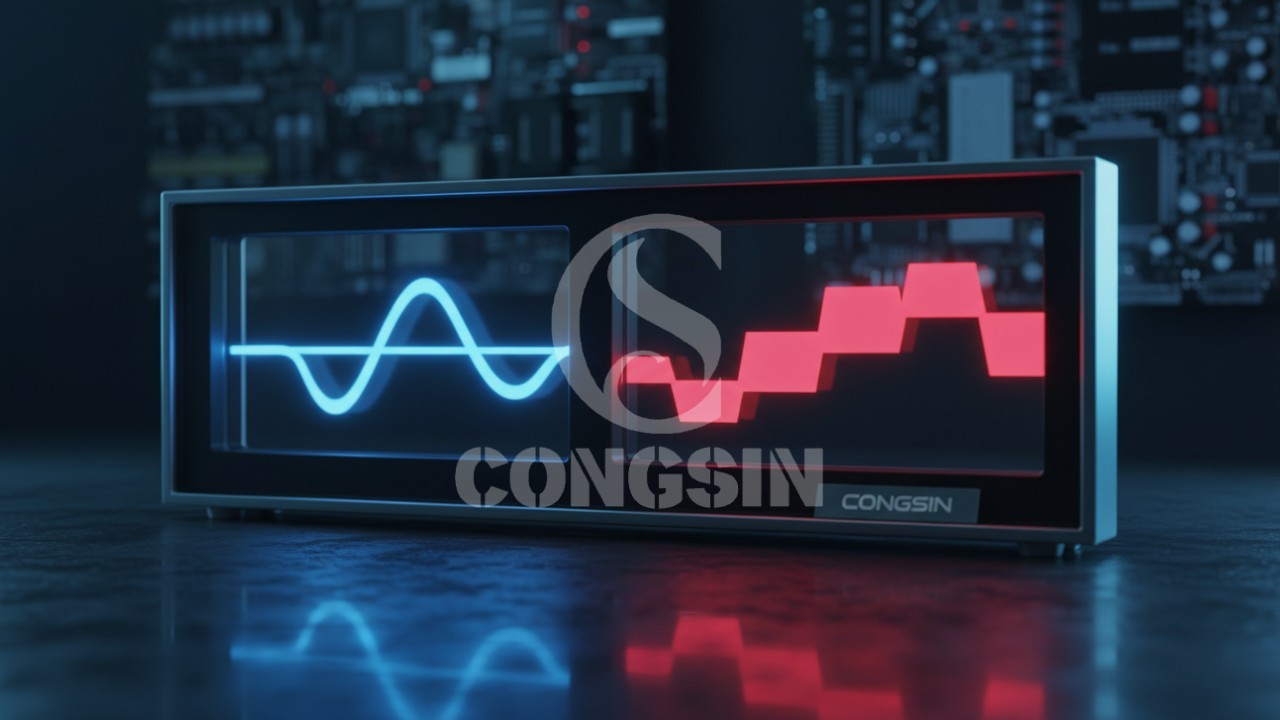
A pure sine wave inverter produces a smooth, continuous electrical wave identical to utility grid power, ensuring safe operation for all electronics. Conversely, a modified sine wave produces a blocky, stair-stepped wave that is cheaper to manufacture but can cause overheating, buzzing, or permanent damage to sensitive devices.
To understand this difference, imagine rolling a perfectly round wheel versus rolling an octagon. The round wheel (pure sine) glides effortlessly, transferring energy with minimal friction. The octagon (modified sine) clunks along, jarring everything attached to it. In electrical terms, this "clunking" manifests as micro-surges and power gaps that force the internal power supplies of your devices to work significantly harder, generating excess heat.
Key Takeaways: Quick Summary for Buyers
When choosing a power solution, remember that a pure sine wave is required for modern sensitive electronics, medical equipment, and appliances with variable-speed motors. Modified sine wave inverters are budget-friendly but only suitable for simple, non-electronic devices, as using the wrong inverter can void appliance warranties and cause significant energy losses.
- Pure Sine Wave: Identical to grid power. Safe for 100% of electronics, including medical devices like CPAPs.
- Modified Sine Wave: Budget-friendly but risky. Best reserved for incandescent light bulbs or old brush motors.
- Efficiency Loss: Running appliances on a modified waveform can result in energy losses of up to 30%, draining battery banks faster.
The Science of Inverters: Visualizing the Waveforms
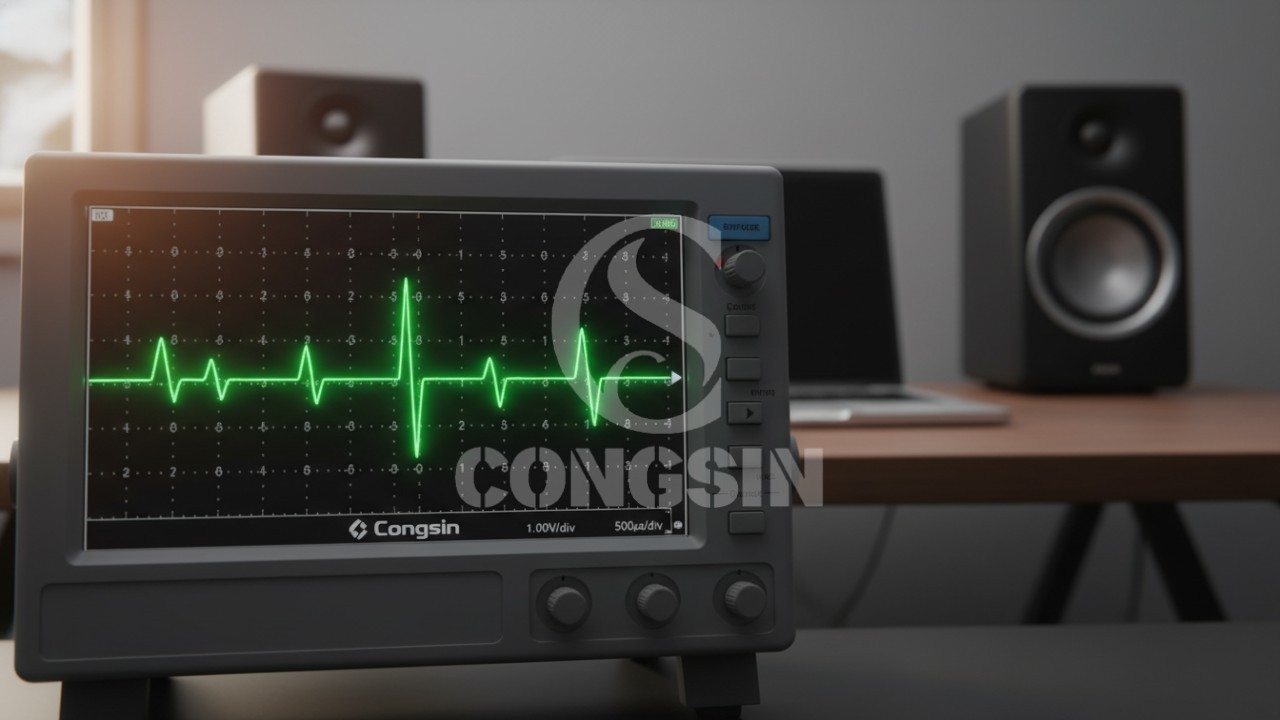
The fundamental science of inverters relies on the shape of the electrical output, where a pure sine wave forms a smooth, rolling arc on an oscilloscope. In contrast, a modified sine wave looks like a harsh, stair-stepped analog simulation, leading to poor power delivery and increased harmonic distortion.
The core metric that defines power quality is Total Harmonic Distortion (THD). According to Wikipedia, THD is a measurement of the harmonic distortion present in a signal, and lower THD implies lower peak currents, less heating, and lower electromagnetic emissions. High-quality pure sine wave inverters maintain a THD of less than 3%, which is virtually indistinguishable from the power provided by your local utility company. Modified sine wave inverters, however, can produce a THD of 20% to 40%. This massive distortion is exactly what causes the dreaded "buzzing" sound in audio equipment, ceiling fans, and fluorescent lights when running on poor waveforms.
Data Comparison Table: Pure vs. Modified Sine Wave Specifications
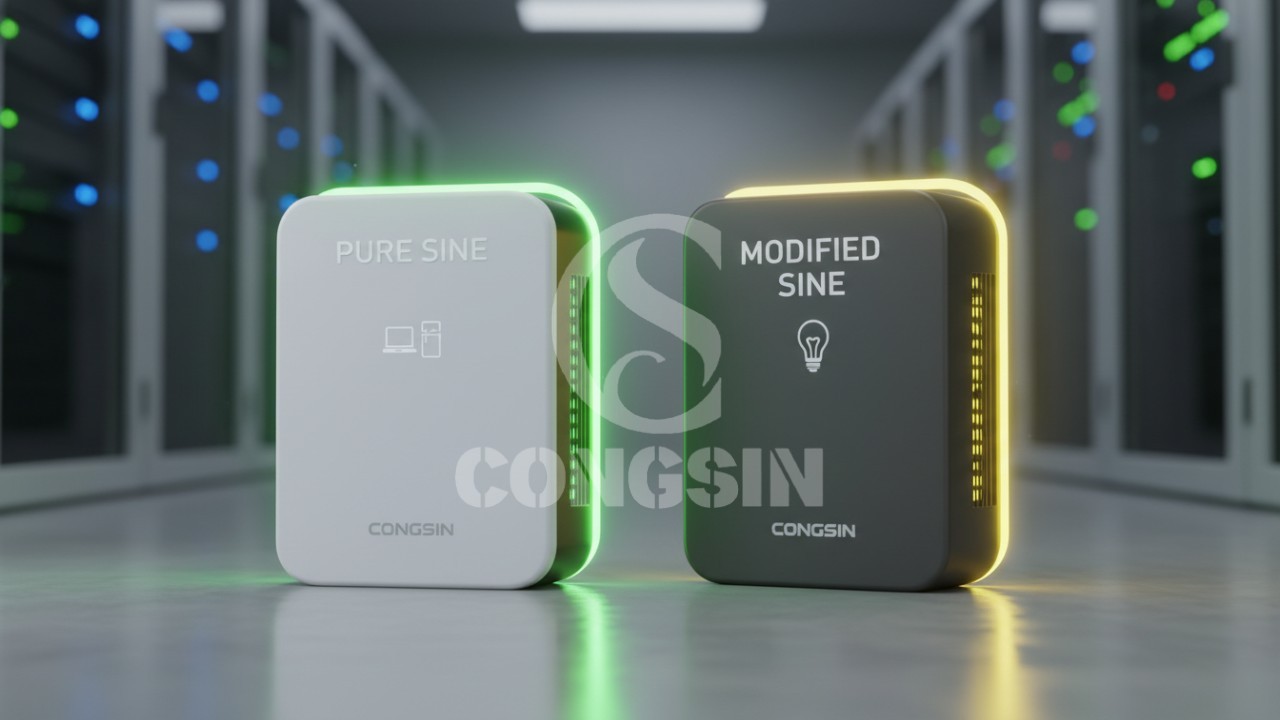
Comparing pure vs modified sine wave specifications reveals critical differences in the inverter efficiency rating, harmonic distortion levels, and long-term operating costs. The comprehensive data comparison table below highlights exactly why investing in pure sine wave technology offers vastly superior value and protection for your electronic devices over their lifespan.
The Appliance Showdown: What Requires Pure Sine Power?
Modern appliances equipped with microprocessors, variable-speed motors, or Active PFC power supplies strictly require pure sine wave power to function safely and efficiently. Running these critical devices on chopped, modified waveforms often results in immediate failure, voided manufacturer warranties, severe overheating, or premature degradation of internal components.
As highlighted by industry experts at Eaton, devices with Active PFC (Power Factor Correction) power supplies are highly sensitive to chopped waveforms and can experience unexpected shutdowns or catastrophic hardware damage if not supplied with a pure sine wave. This includes modern gaming PCs, servers, and high-end audio-visual equipment.
Furthermore, critical healthcare devices such as oxygen concentrators and CPAP machines rely on precise timing circuits. A modified sine wave can disrupt these sensors, rendering the medical equipment useless. For smaller setups like a CPAP machine or a mobile laptop charging station, a highly efficient 1000W pure sine wave inverter provides the perfect balance of portability and clean, reliable power.
Common Mistakes When Choosing an Inverter
The most common mistake buyers make is undersizing their power system by confusing running watts with surge watts needed for inductive loads and motors. Additionally, many users falsely assume modern power tools work on modified sine waves, completely ignoring the hidden costs of inefficiency that drain battery banks significantly faster.
- Ignoring Surge Watts: Compressors in refrigerators and air conditioners require a massive surge of power to start—often 2 to 3 times their running wattage.
- Misunderstanding Motor Types: While old brush motors could handle modified sine waves, modern brushless motors (found in newer power tools and appliances) require the smooth rotation provided by a pure sine wave.
- Overlooking Battery Drain: Because devices run less efficiently on a modified sine wave, they consume more power to achieve the same result. This invisible inefficiency can drain your battery bank up to 20% faster compared to a pure sine system.
2026 Future Trends: Why Modified Waves Are Phasing Out
As we progress through 2026, modified sine wave inverters are rapidly phasing out due to the significantly dropping manufacturing costs of superior pure sine technology. The modern integration of smart home grids and sensitive IoT devices simply refuses to operate efficiently on high-distortion power, making pure sine the universal standard.
In the past, the high cost of pure sine wave microprocessors made modified inverters an attractive budget option. Today, that price gap has closed dramatically. Furthermore, as homes transition to fully automated, smart ecosystems, every appliance—from your refrigerator to your smart thermostat—relies on delicate internal computers. Modern off-grid homes and solar backups increasingly rely on systems like the 3000W LCD Pure Sine Wave Inverter to seamlessly handle these complex, interconnected loads without risking micro-surge damage.
Industry Leading Solution: Securing Your Off-Grid Power
Protecting your expensive appliances requires choosing a reliable, high-efficiency power core from a heavily experienced and globally certified manufacturer. Guangzhou Congsin Electronic Technology Co., Ltd. offers industry-leading pure sine wave inverters engineered to deliver true grid-quality power with less than 3% THD for ultimate off-grid and mobile reliability.
Drawing on over 27 years of focused experience since our founding in early 1998, the Congsin brand has become synonymous with energy independence. We understand that whether you are powering an outdoor office, outfitting a fleet of RVs, or setting up an Uninterruptible Power Supply (UPS) for a commercial server room, power quality is non-negotiable.
With a catalog of over 100+ specialized models, our fully automated production lines ensure that every unit meets strict ISO9001 quality standards. Furthermore, our products hold international safety and environmental approvals, including CE, EMC, LVD, ETL, FCC, RoHS, and E-MARK. For heavy-duty commercial applications or comprehensive off-grid living, our 3000W Full-Power Pure Sine Wave Inverter provides robust, continuous energy that safely powers even the most demanding inductive loads. We proudly support global partners with robust OEM/ODM services, private labeling, and bespoke customization.
Conclusion & Call to Action
Choosing between pure and modified sine wave power ultimately comes down to protecting your expensive appliances and ensuring maximum system efficiency across your setup. While modified inverters save money upfront, the long-term reliability of pure sine wave technology makes it the undisputed standard for modern off-grid, solar, and mobile applications.
Contact Guangzhou Congsin Electronic Technology Co., Ltd. today to discuss your specific needs.
Frequently Asked Questions
Can a modified sine wave damage my appliances?
Yes, sensitive electronics, medical devices, and appliances with microprocessors can overheat, malfunction, or suffer permanent damage over time when run on a modified sine wave.
Will a refrigerator run on a modified sine wave inverter?
Older refrigerators might run, but less efficiently and with louder compressor noise. Modern refrigerators with variable-speed compressors require a pure sine wave inverter to function properly.
Why are pure sine wave inverters more expensive?
They utilize more complex circuitry, microprocessors, and heavy-duty filtering components to recreate a smooth, continuous electrical wave identical to the power from your utility company.
Can I use a modified sine wave inverter for a CPAP machine?
No. CPAP manufacturers strongly advise against using modified sine wave inverters as they can damage the humidifier unit, disrupt pressure sensors, and void the warranty.
How do I know if my inverter is pure or modified sine wave?
Check the manufacturer's label or manual. Pure sine wave inverters will clearly advertise 'Pure Sine Wave' or 'PSW'. If it is exceptionally cheap and doesn't specify, it is almost certainly a modified sine wave.
Do laptops need a pure sine wave inverter?
Most laptop charging bricks convert AC to DC and can technically survive on a modified sine wave, but they will run significantly hotter. Using a pure sine wave is highly recommended to protect the power supply.
What is Total Harmonic Distortion (THD) in inverters?
THD measures the deviation of the inverter's electrical wave from a perfect sine wave. Pure sine wave inverters typically have less than 3% THD, while modified inverters can exceed 20%, causing power inefficiencies.
Can a pure sine wave inverter improve generator fuel efficiency?
Yes. Because pure sine wave power allows appliances to run at their optimal efficiency (using 10-20% less energy than on a modified wave), the overall load on your battery or generator is reduced, saving fuel.


Modified Sine Wave Inverters
Is the cooling fan noisy during operation?
The noise is low (≤45 decibels, equivalent to normal conversation volume). The fan uses a silent motor and automatically adjusts the speed according to the device temperature (low-speed operation when temperature <40℃, high-speed operation when >60℃), balancing heat dissipation and noise.
Can this inverter run a refrigerator or power tools?
Recommended load ≤80% of rated power. For inductive loads, use a pure sine wave model.
How does reverse protection work?
When the positive and negative poles of the battery are reversed, the inverter will automatically cut off the circuit to avoid device damage and ensure power usage safety.
Does it support inductive loads?
Modified sine wave inverters are suitable for resistive loads; for inductive loads, pure sine wave models are recommended.
Pure Sine Wave Inverters
What capacity battery is needed to meet long-term use?
It needs to be calculated according to the total power of the device, the formula is "Battery Capacity (Ah) = Total Device Power (W) × Usage Time (h) ÷ Input Voltage (12V)". For example, to drive a 1000W device for 5 hours, the required battery capacity = 1000×5÷12≈417Ah, it is recommended to use 2 200Ah batteries in parallel (total capacity 400Ah, actual usage about 4.8 hours).
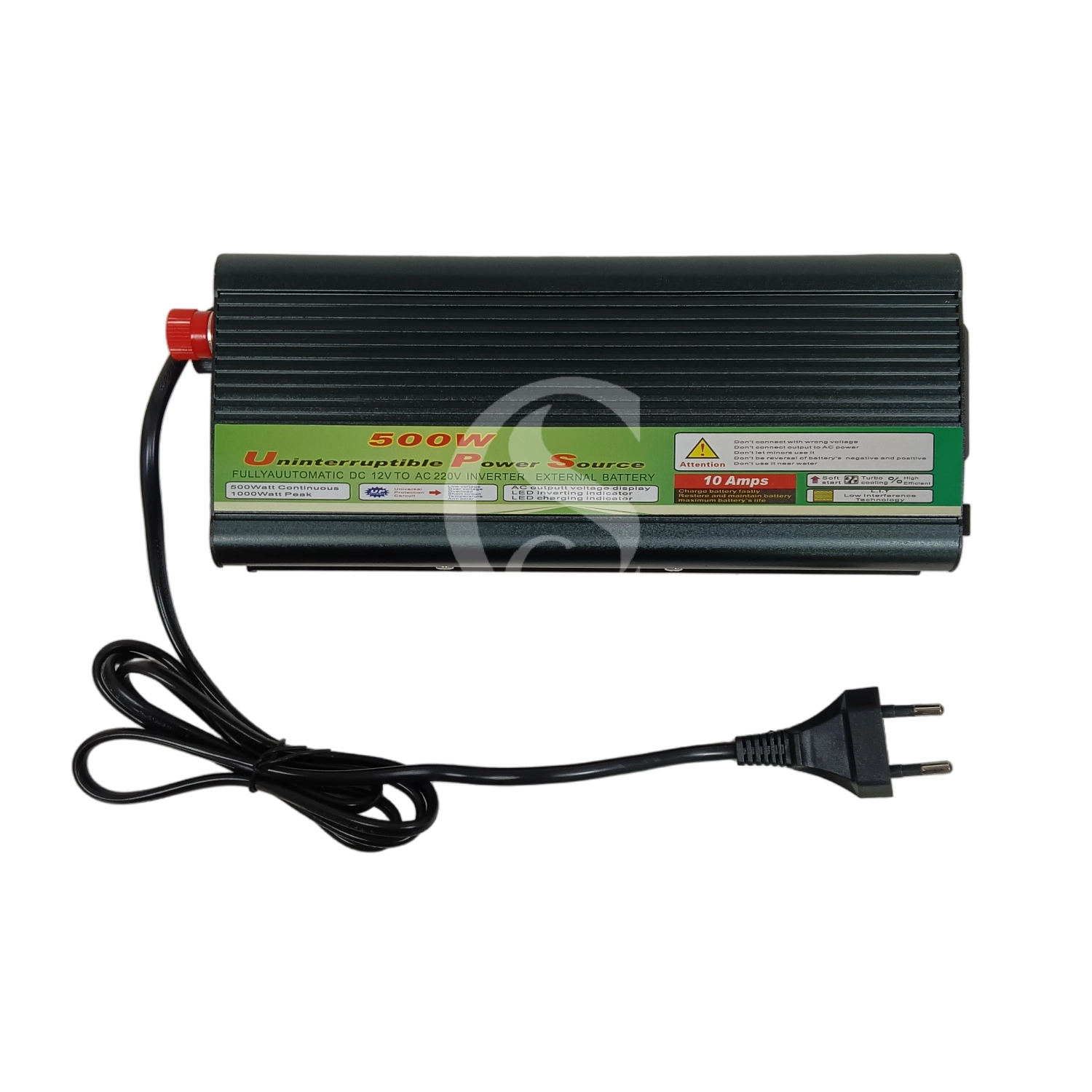
Congsin 500W 12V to 220V inverter delivers reliable off-grid power with its modified sine wave design. This portable 500W DC to AC power inverter efficiently converts 12V DC to 220V AC, ideal for outdoor and emergency use. Trust Congsin for stable, portable energy solutions.
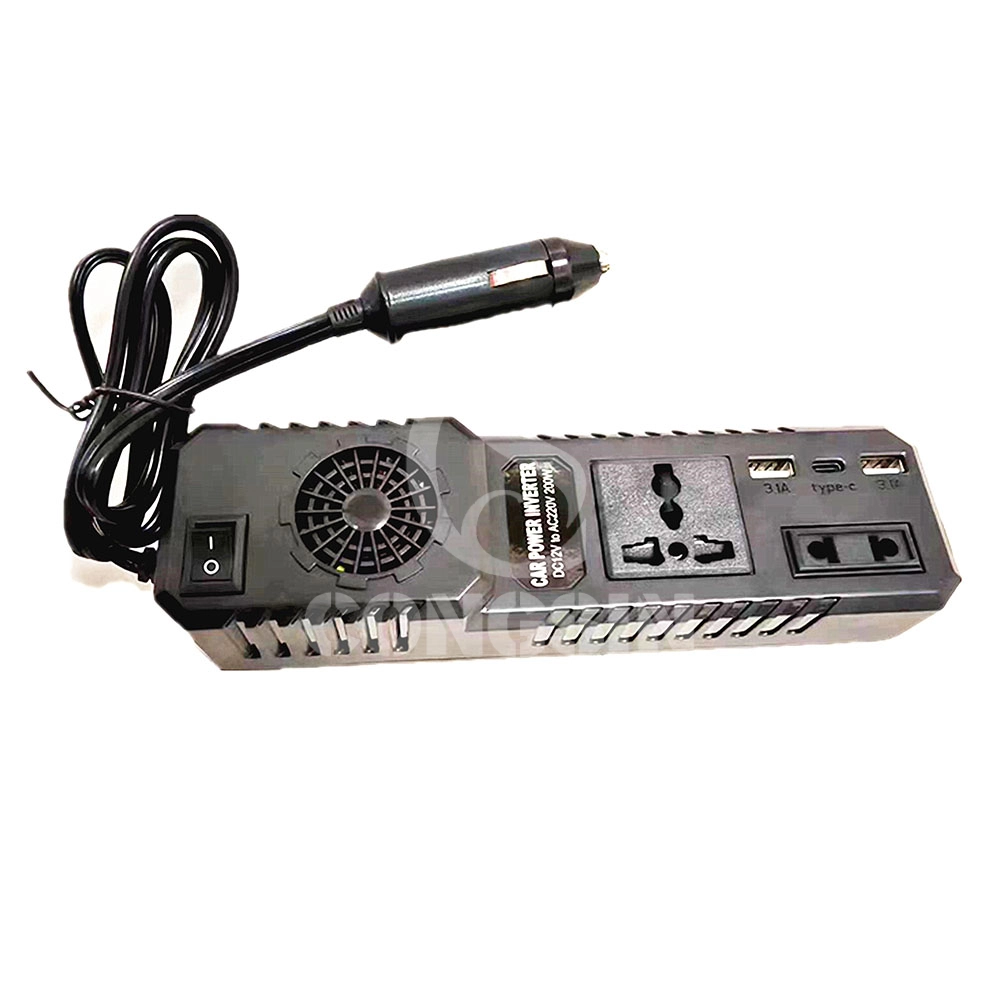
This 200W Modified Sine Wave Car Power Inverter is a compact and practical power conversion device designed for vehicle use. It supports dual input (DC12V/24V) and outputs AC220V, compatible with various electronic devices. Equipped with a Type-C port and dual 3.1A USB outputs, it can charge laptops, phones, cameras, drones, and other small electronics simultaneously—perfect for outdoor travel, emergency backup, and mobile work scenarios.
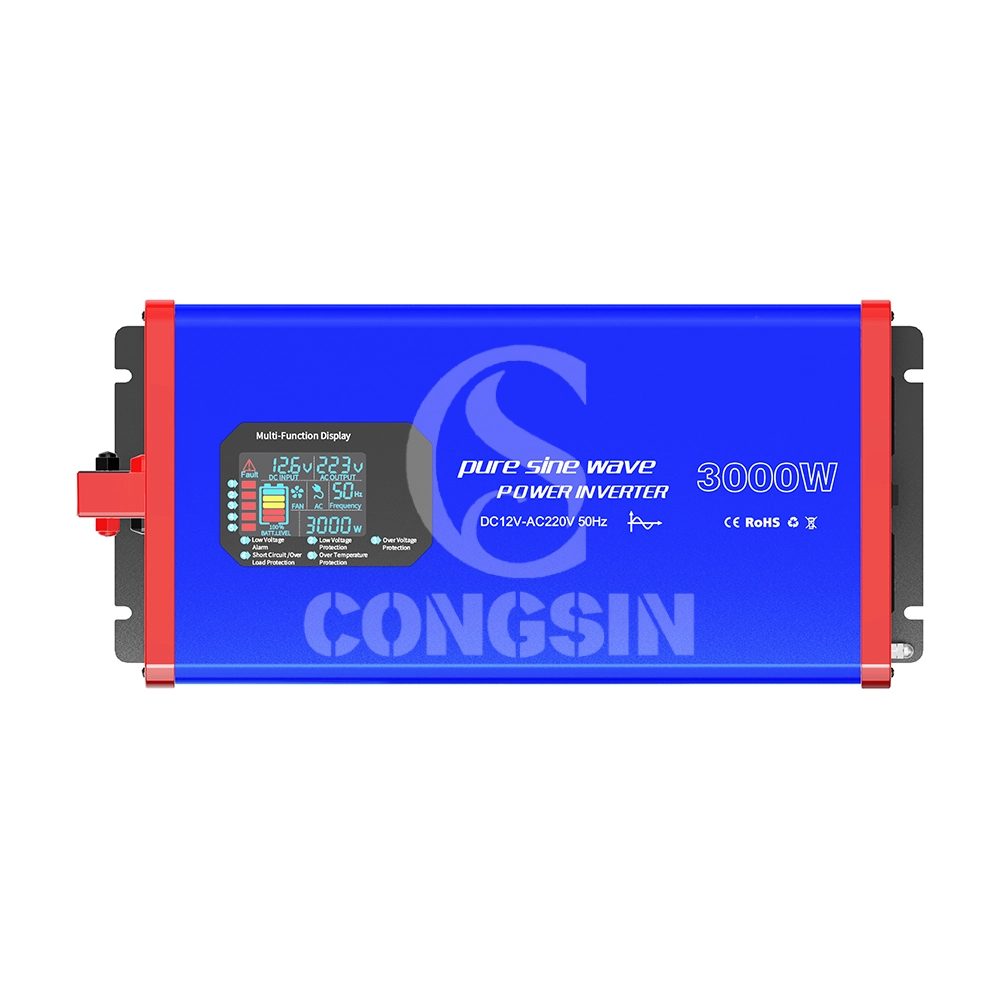
This 3000W full-power pure sine wave inverter (Model: CS3000PSW) adopts pure sine wave output technology (waveform distortion rate <2%), and the output power is highly consistent with mains power quality. It can safely drive high-power precision loads such as air conditioners, refrigerators, medical instruments, and small industrial equipment, avoiding equipment malfunctions or shortened service life caused by unstable waveforms. The device supports DC 12V input (compatible with 10.5V-14.8V wide voltage), continuously outputs 3000W full power, and has a peak power of 6000W, easily coping with the instantaneous startup impact of high-power devices; it is equipped with 4 AC universal sockets (max current 16A) + 2 USB 3.0 fast-charging ports (22.5W per port) to meet the simultaneous power supply needs of multiple devices. Built-in six-fold safety protection (overload, overvoltage, undervoltage, short circuit, overtemperature, reverse connection), combined with dual intelligent silent cooling fans (noise ≤45dB), it achieves the triple advantages of "high power + high safety + low noise," suitable for home emergency, outdoor engineering, vehicle-mounted power supply, small industrial scenarios and other fields.
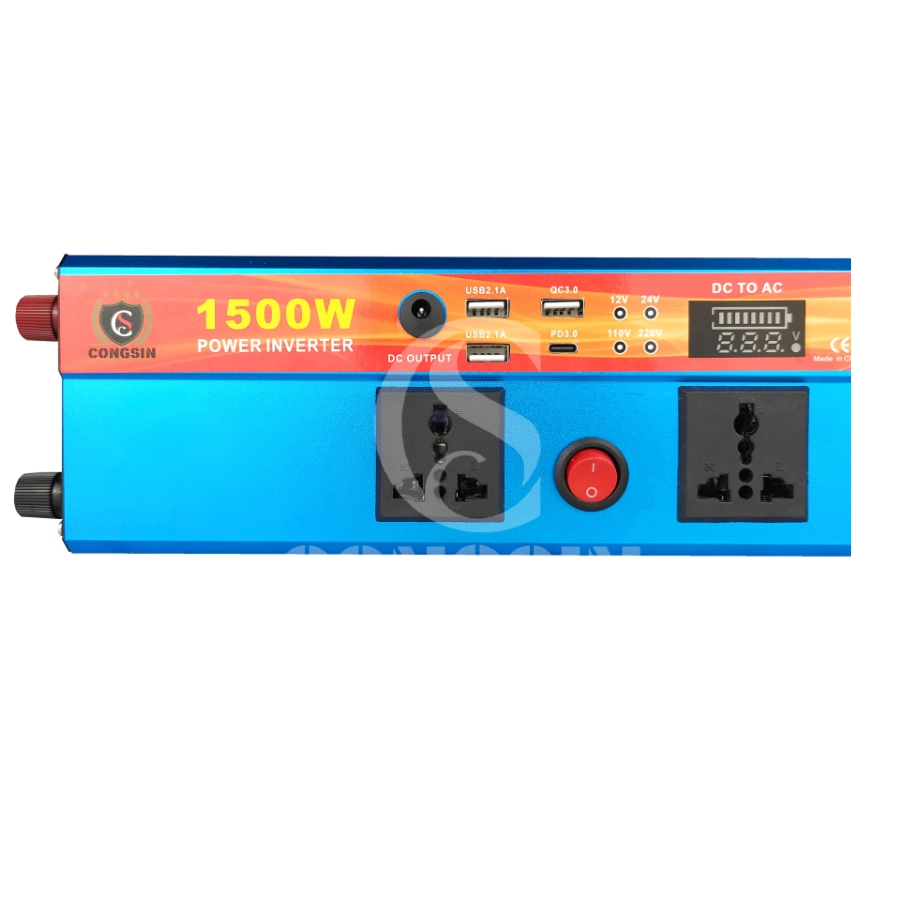
Our CS1000DDBC 1000W modified sine wave inverter is a professional power conversion device that converts DC 12V from batteries into AC 220V electricity. It is designed with user convenience in mind, featuring an LED display for real-time status monitoring, multiple charging ports (3 USB, 1 Type-C, 1 DC 12V) and two universal sockets to power a wide range of devices simultaneously. Its compact size (250×95×55mm) and lightweight design (NW: 0.84kg) make it easy to carry, ideal for outdoor activities, emergency home use, and on-the-go power needs.
Get in Touch with Our Team
You can also communicate with us directly through our online contact form. Please fill in the following information, and our team will contact you as soon as possible after receiving your message.

CONGSIN is a trusted OEM factory for power inverters, solar charge controllers, and DC converters. Reliable solutions for global B2B buyers.
 High Quality
 7/24 Service
 Guaranteed Warranty
© 2025 Congsin. All Rights Reserved.
 WeChat
 Scan QR Code
sin cong
teaimei10
Whatsapp: +8618028086791
Scan QR Code