



How Solar Cell Systems Maximize Home Energy Efficiency: The 2026 Integration Masterclass
- How do solar cell systems improve home energy efficiency?
- The Role of Conversion and Inversion
- Key Efficiency Mechanisms
- 2026 Quick Summary: Key Takeaways for Homeowners
- The 4 Pillars of Modern Efficiency
- The Synergy Between Energy Generation and Waste Reduction
- The Energy Pyramid Approach
- Active vs. Passive Solar Gains
- 2026 Expert Tips: Maximizing Your Solar ROI
- Tip 1: Choose N-Type TOPCon Cells
- Tip 2: Join a Virtual Power Plant (VPP)
- Common Pitfalls to Avoid
- Technological Gaps: What Competitors Aren't Telling You
- Bidirectional Charging (V2H)
- Software-Defined Power
- FAQ
- Can solar panels make a home 100% energy efficient?
- How do solar batteries contribute to home efficiency?
- What is the most efficient type of solar cell in 2026?
- How does net metering affect energy efficiency?
- Does solar improve home value if the home isn't insulated?
- How often do solar cells need maintenance to stay efficient?
- Will solar panels work on cloudy days in 2026?
- What is a Smart Home Energy Management System (HEMS)?
- References
How do solar cell systems improve home energy efficiency?
Solar cell systems improve home energy efficiency by generating DC electricity at the point of consumption, which eliminates the 5% to 15% energy loss typically associated with long-distance grid transmission. This localized generation ensures that a higher percentage of produced energy powers your home directly rather than dissipating as heat in power lines.
The Role of Conversion and Inversion
While the photovoltaic effect captures sunlight, the real efficiency engine is the inverter. Modern systems rely on high-performance inverters to convert DC power into the AC electricity your appliances use.
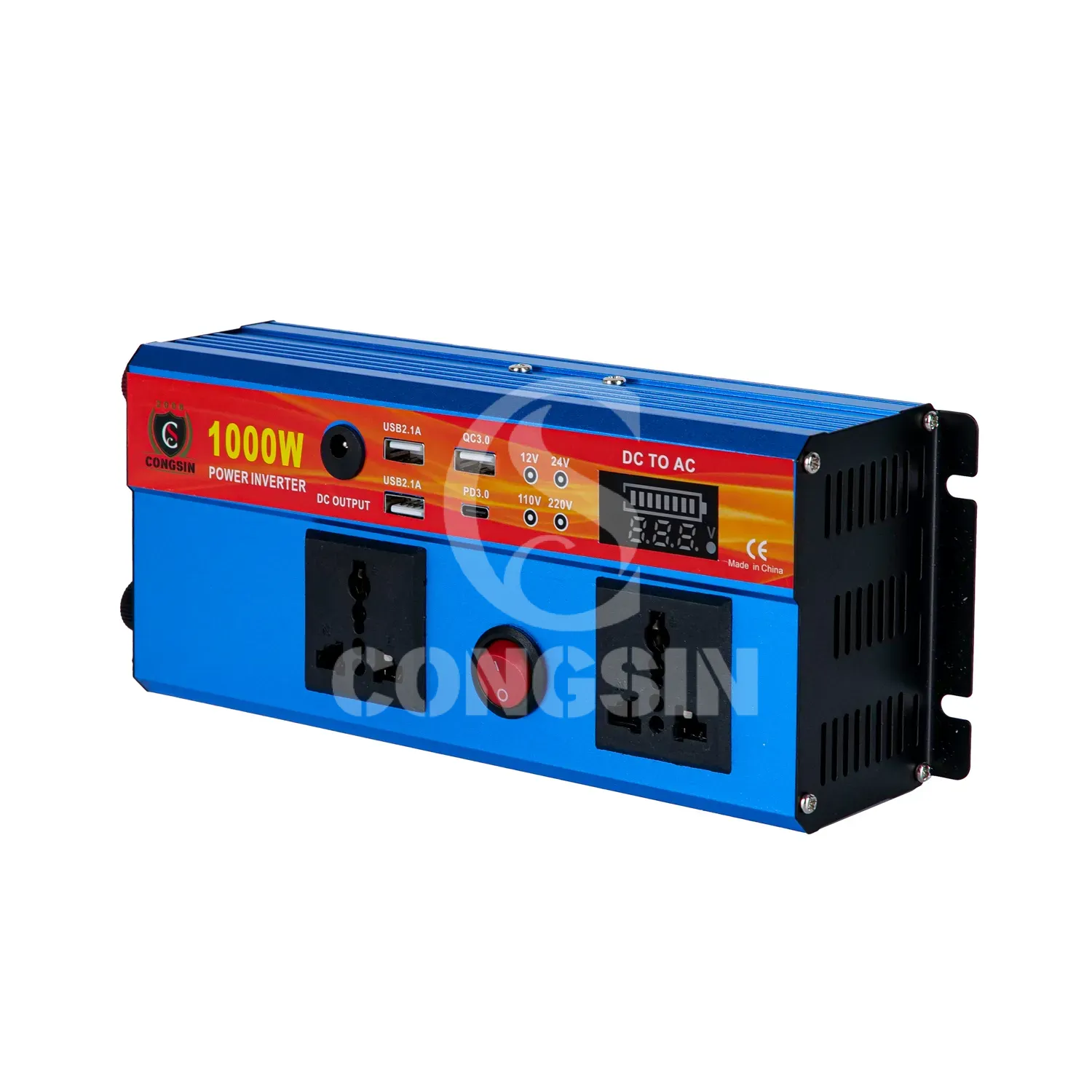
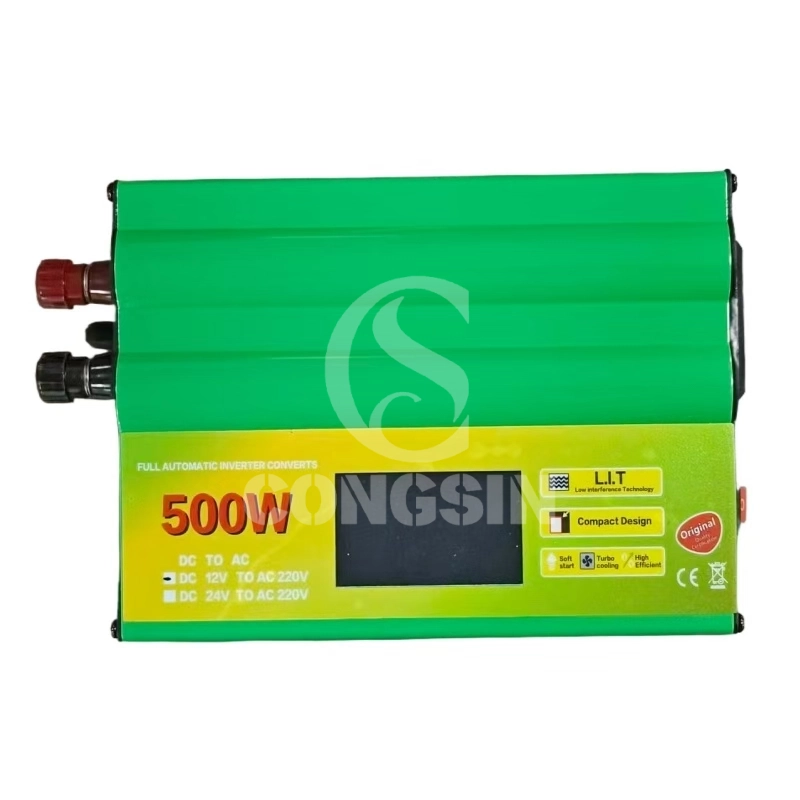
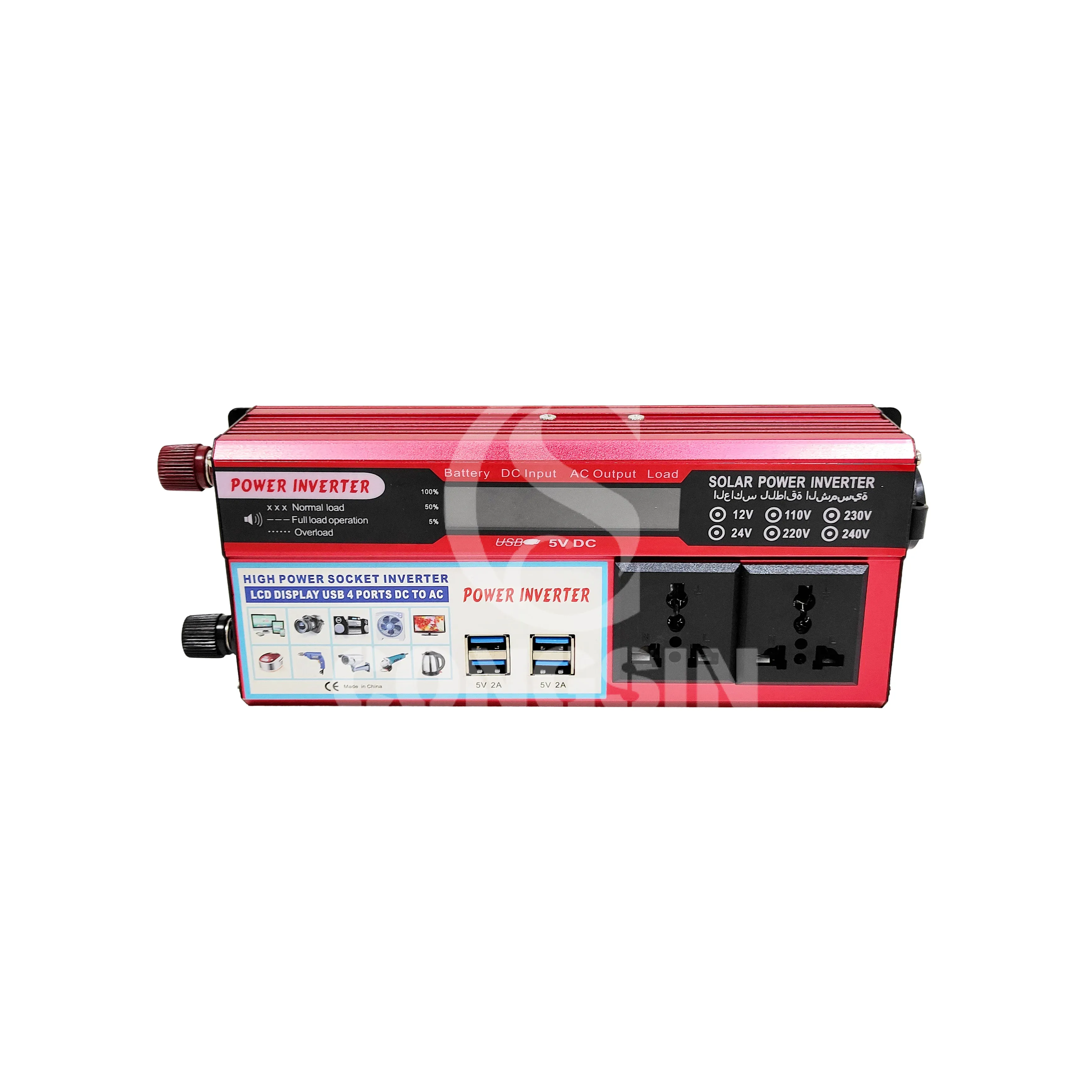
Experience from the field: At Guangzhou Congsin Electronic Technology Co., Ltd., we have observed over our 27 years of manufacturing that the quality of the pure sine wave inverter is critical. A low-quality inverter can waste precious solar energy during conversion. Congsin’s advanced inverters are designed to minimize harmonic distortion, ensuring that sensitive electronics run efficiently without wasting power as heat.
Key Efficiency Mechanisms
- Elimination of Grid Reliance: By generating power on your roof, you bypass the inefficiencies of aging grid infrastructure.
- Peak Load Shaving: Solar systems offset energy usage during peak hours (4 PM – 9 PM) when grid electricity is dirtiest and most expensive.
- Smart Regulation: Utilizing a high-grade solar charge controller—like those developed by Congsin—ensures that batteries are charged at optimal voltage levels, preventing overcharging and extending the lifespan of your storage system.
2026 Quick Summary: Key Takeaways for Homeowners
In 2026, maximizing solar efficiency requires a ‘Whole-Home’ approach that pairs generation with thermal integrity, utilizing N-type cells and AI-driven load management to achieve a Net Zero footprint. It is no longer enough to just install panels; you must manage the flow of electrons intelligently.
The 4 Pillars of Modern Efficiency
- Efficiency First: Always perform a thermal envelope audit (checking insulation and windows) before sizing your solar array. Reducing waste is cheaper than generating more power.
- Storage is Essential: Home solar panels and battery storage are now inseparable. 2026 trends favor LiFePO4 chemistry, which supports a Depth of Discharge (DoD) of 80% for over 6,000 cycles.
- Financial Synergy: Data indicates that combining solar with heat pumps can reduce total energy spend by significantly more than gas boilers, with heat pumps being up to 4x more efficient.
- AI Optimization: Modern Smart Home Energy Management Systems (HEMS) automatically shift heavy loads—like laundry or EV charging—to align with peak solar production windows.
The Synergy Between Energy Generation and Waste Reduction
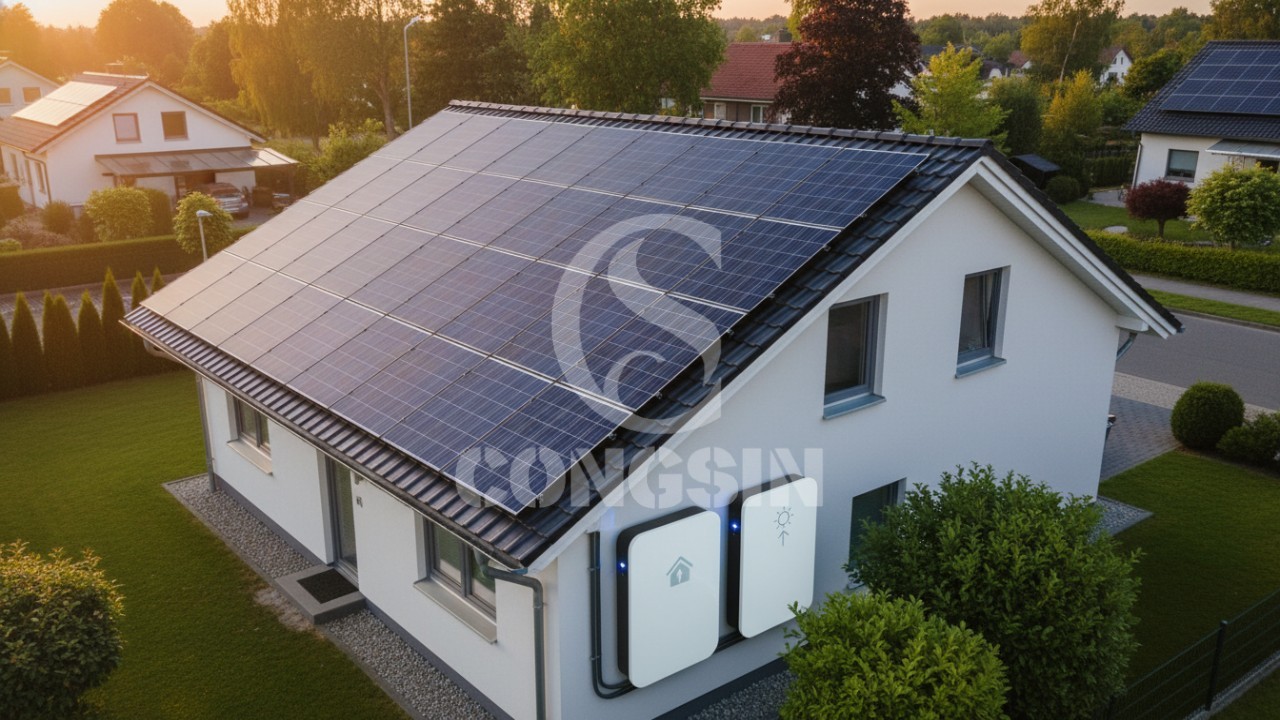
True energy efficiency is achieved when active solar generation is right-sized to meet a minimized passive load, utilizing structural advancements like bifacial panels to capture reflected light. This ‘Energy Pyramid’ approach ensures you aren't spending money to power a leaky home.
The Energy Pyramid Approach
Many homeowners make the mistake of installing a massive solar array to cover wasteful habits. Instead, focus on reducing the load first. High-R insulation and LED upgrades can reduce your required system size by 20%, significantly lowering upfront costs.
Active vs. Passive Solar Gains
- Bifacial Technology: According to recent industry data, bifacial solar panels can increase yield by 5% to 30% by capturing light reflected off the roof surface (albedo). Installing these over a white cool roof or light-colored gravel maximizes this effect.
- Structural Cooling: Properly mounted panels shade the roof itself, reducing the attic temperature and lowering the cooling load on your HVAC system during summer.
- BIPV Integration: Building-Integrated Photovoltaics (BIPV) are replacing traditional materials, allowing windows and facades to generate power without compromising aesthetics.
2026 Expert Tips: Maximizing Your Solar ROI
To maximize Return on Investment (ROI) in 2026, prioritize N-type TOPCon cells for their superior longevity and participate in Virtual Power Plants (VPPs) to monetize your excess battery capacity. These technologies protect your asset value while generating passive income.
Tip 1: Choose N-Type TOPCon Cells
The standard for residential efficiency has shifted. N-type TOPCon cells are projected to dominate the market in 2026, offering efficiencies between 22% and 24.5%. Unlike older P-type cells, they suffer from lower light-induced degradation (0.3% per year vs. 0.7%), ensuring your system produces near-peak power even in year 25.
Tip 2: Join a Virtual Power Plant (VPP)
Net Zero energy home optimization now extends beyond your property line. By joining a VPP, your home solar panels and battery storage system can discharge power to the grid during emergencies. Utilities pay a premium for this service, turning your battery into a revenue generator. Reports from 2025 show residential VPP participation is growing rapidly as a method to stabilize the grid.
Common Pitfalls to Avoid
- Mistake: Sizing a system based on current bills without accounting for future EV charging needs. Always plan for the addition of an electric vehicle.
- Mistake: Neglecting "Ghost Loads." Even efficient homes waste power on standby devices. Pairing your solar setup with Congsin's portable power stations for specific off-grid zones (like outdoor offices or workshops) can isolate these loads from your main meter.
Technological Gaps: What Competitors Aren't Telling You
Most generic advice overlooks the critical role of Bidirectional Charging (V2H) and the emerging dominance of machine-learning micro-inverters that mitigate shading losses at the sub-panel level. These technologies are the frontier of Photovoltaic system self-consumption.
Bidirectional Charging (V2H)
Your Electric Vehicle is essentially a massive battery on wheels. Vehicle-to-Home (V2H) technology allows you to use your EV's stored energy to power your home during outages or peak tariff hours. This drastically reduces the need for stationary home batteries, effectively doubling your storage capacity for free.
Software-Defined Power
In 2026, Smart Home Energy Management Systems (HEMS) are evolving. They don't just monitor; they predict. Using weather forecasts and historical usage data, these systems allow inverters to "throttle" or "boost" production dynamically. For off-grid enthusiasts using Congsin's power solutions, this intelligent management is crucial for maintaining uptime without grid backup.
FAQ
Can solar panels make a home 100% energy efficient?
Solar panels generate clean energy but do not fix existing energy waste like air leaks or poor insulation. Maximum efficiency is only achieved by pairing solar with "Deep Energy Retrofits" to minimize the energy required to run the home.
How do solar batteries contribute to home efficiency?
Batteries maximize efficiency by preventing energy ‘clipping’ during peak production hours and storing it for use when grid power is expensive. This ensures Photovoltaic system self-consumption is prioritized over selling cheap power back to the grid.
What is the most efficient type of solar cell in 2026?
Monocrystalline N-type cells (TOPCon) are the current industry standard for residential efficiency, offering 22-24.5% conversion rates. While Perovskite tandem cells show higher potential in labs, TOPCon is the reliable market leader for homeowners today.
How does net metering affect energy efficiency?
Net metering incentivizes generation but doesn't technically improve home efficiency; however, Net Metering 3.0 policies push homeowners toward storage. By focusing on self-consumption rather than export, homeowners optimize their actual energy usage profile.
Does solar improve home value if the home isn't insulated?
Solar adds value, but knowledgeable buyers in 2026 prioritize ‘Whole-Home’ efficiency and will pay less for a solar home that leaks energy. An insulated, efficient home with a smaller solar array often commands a higher premium than a drafty home with a large system.
How often do solar cells need maintenance to stay efficient?
Annual cleaning is recommended and can improve output by 5-10% in dusty or high-pollen areas. Additionally, using monitoring software to check inverter health—something Congsin builds into its intelligent power solutions—helps identify issues instantly.
Will solar panels work on cloudy days in 2026?
Yes, modern high-efficiency N-type cells can still capture diffuse sunlight on cloudy days, though output may drop to 10-25%. This reliability is why integrating home solar panels and battery storage is critical for consistent 24/7 power.
What is a Smart Home Energy Management System (HEMS)?
A HEMS is a central digital hub that uses AI to coordinate solar production, battery storage, and appliance usage. It optimizes Net Zero energy home optimization by ensuring your home runs on the cheapest, cleanest energy available at any second.
References


OEM & ODM Services
Do you provide support for shipping and customs clearance?
Yes, we offer international logistics solutions including export documentation and customs advice.
Modified Sine Wave Inverters
Is the cooling fan noisy?
The fan is designed for heat dissipation and will make some noise during operation, but it is within a reasonable range and will not interfere with normal use.
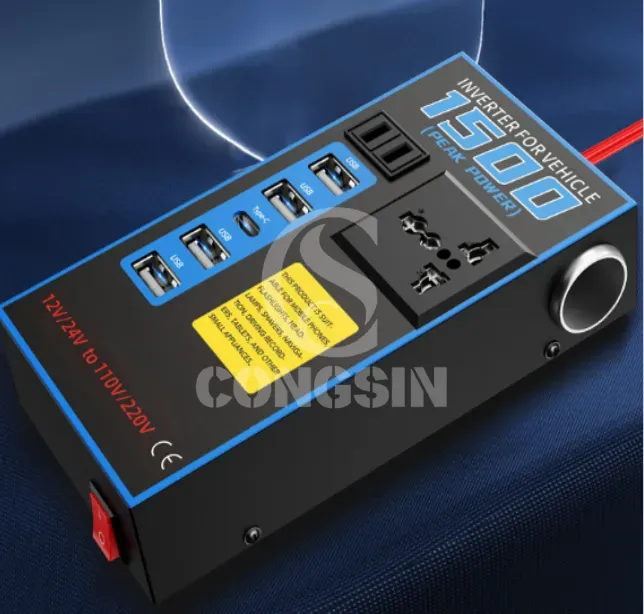
What power appliance can this inverter run?
It has a continuous power of 800W, so it can run appliances within 800W; the peak power is 1500W, supporting the instantaneous startup of appliances within 1500W.
Which regional plugs are supported by the universal socket?
The universal socket is compatible with most national plug specifications, such as GB, US, EU, etc. (some require adapters), and can meet the use of devices in different regions.
Is it compatible with both 12V and 24V vehicles?
Yes, it supports DC12V/24V dual input.
Get in Touch with Our Team
You can also communicate with us directly through our online contact form. Please fill in the following information, and our team will contact you as soon as possible after receiving your message.

CONGSIN is a trusted OEM factory for power inverters, solar charge controllers, and DC converters. Reliable solutions for global B2B buyers.
 High Quality
 7/24 Service
 Guaranteed Warranty
© 2025 Congsin. All Rights Reserved.