





Hybrid vs. Off-Grid Solar Inverters: Which Product Line Yields Higher Margins in 2026?
- What is the Difference Between Hybrid and Off-Grid Solar Inverters?
- Key Takeaways: The 2026 Solar Inverter Market
- Technical Breakdown: System Topologies and Architecture
- Data Comparison Table: Hybrid vs. Off-Grid Dealer Margins
- Why Hybrid Systems Offer Better Upsell Opportunities
- Expert Tips and Common Installer Mistakes
- Maximizing Profitability with Congsin's Leading Solutions
- Conclusion & Call to Action
- Can a hybrid solar inverter work off-grid?
- Are off-grid solar systems more expensive to install than hybrid systems?
- Which solar inverter type has a better profit margin for installers?
- Do I need batteries for a hybrid solar inverter?
- What is the lifespan of an off-grid vs hybrid inverter?
- How does net metering affect hybrid solar inverter ROI?
- Can you retrofit a grid-tied system with a hybrid inverter?
- What is the difference between a solar charge controller and a hybrid inverter?
What is the Difference Between Hybrid and Off-Grid Solar Inverters?
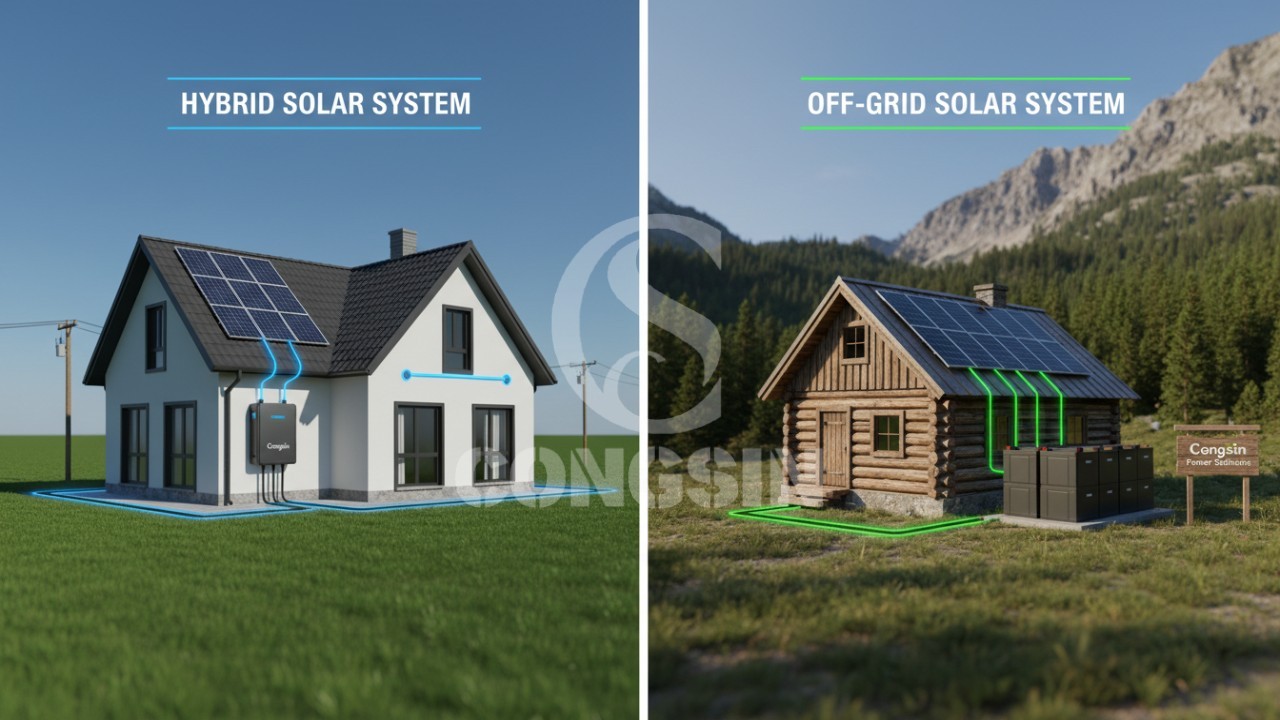
A hybrid solar inverter connects to both the utility grid and a battery system, automatically managing energy flow between solar panels, the grid, and the home. Conversely, an off-grid solar inverter operates entirely independently from the utility grid, relying exclusively on solar generation and robust battery banks to power properties.
When homeowners and commercial entities explore their renewable energy options, understanding the nuances of a Hybrid vs off grid solar inverter is the critical first step. Hybrid models are designed to synchronize with the utility grid, allowing users to draw power during shortfalls or export excess energy for credits. This grid-interactive capability makes them incredibly versatile for urban and suburban environments. Off-grid inverters, on the other hand, are the backbone of complete energy independence. They require no grid connection but demand precise load calculation and substantial battery storage to ensure continuous power during inclement weather or nighttime hours. For installers, this fundamental difference dictates not only the system's hardware requirements but also the complexity of the installation and the ultimate profitability of the project.
Key Takeaways: The 2026 Solar Inverter Market
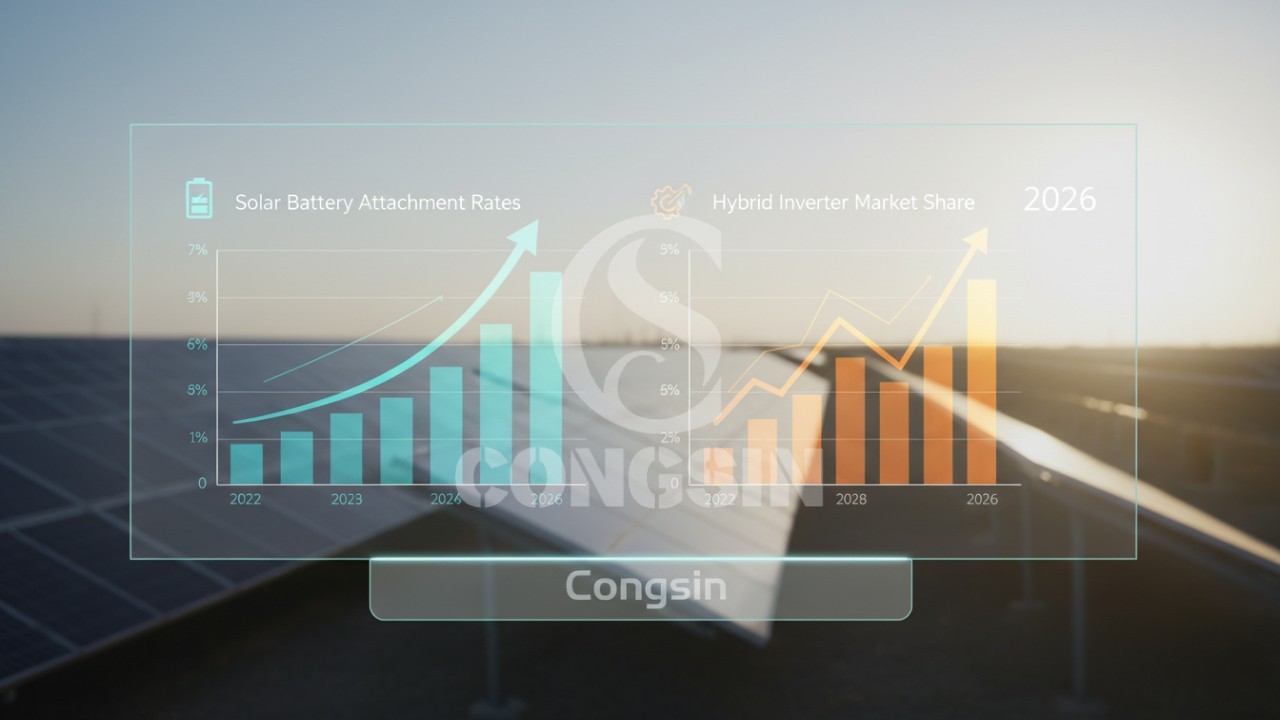
The 2026 solar market is defined by a massive shift toward hybrid systems due to changing net metering policies and grid instability, while off-grid setups remain a highly profitable niche for remote installations. Consequently, installers are experiencing significantly higher long-term margins when deploying adaptable, grid-interactive energy storage solutions.
The transition away from traditional net metering, most notably the implementation of Net Energy Metering (NEM 3.0) in California, has fundamentally altered consumer behavior. According to market data highlighted by pv magazine USA, battery attachment rates in regions affected by NEM 3.0 skyrocketed to 45% and beyond, as homeowners realized the necessity of storing their own solar energy rather than exporting it for diminished returns. This regulatory shift has made hybrid inverters the undisputed market leaders.
- Market Dominance: Hybrid inverters are capturing maximum market share as consumers demand backup power and time-of-use (TOU) rate arbitrage capabilities.
- Niche Profitability: Off-grid systems require higher upfront capital but offer lucrative, specialized profitability for remote, rural, or highly specific industrial installations.
- Margin Growth: Installers are seeing up to 25% higher margins on hybrid systems due to modular battery upselling, streamlined commissioning, and reduced labor complexity.
Technical Breakdown: System Topologies and Architecture
System architecture dictates profitability; grid-forming off-grid inverters require stricter sizing tolerances and larger surge capacities to operate independently, whereas grid-following hybrid inverters offer flexible AC or DC coupling. Understanding this hybrid inverter system topology allows installers to streamline labor, reduce hardware costs, and accelerate project completion times.
When designing a robust solar array, the choice between AC vs DC coupled battery storage significantly impacts both the installation timeline and the system's overall efficiency. DC-coupled systems are highly efficient for new installations, as the solar panels and batteries share a single hybrid inverter, minimizing power conversion losses. AC-coupled systems, while slightly less efficient, are the premier choice for retrofitting existing grid-tied solar arrays, allowing installers to add battery backup without replacing the original string inverter.
Off-grid architecture demands a different approach. Because the inverter acts as the sole grid-forming entity, it must be capable of handling massive inrush currents from heavy appliances like HVAC units or well pumps. For these demanding applications, deploying a robust low frequency solar inverter with heavy-duty copper transformers is often necessary to provide the required surge capacity, ensuring the system doesn't trip under heavy loads.
Data Comparison Table: Hybrid vs. Off-Grid Dealer Margins
Analyzing the financial data reveals that while off-grid systems command higher upfront revenue, hybrid inverters consistently yield superior net margins for dealers. The table below breaks down average wholesale costs, retail pricing, labor hours, and the overall profitability of grid-tied vs off-grid installation costs in the current market.
Understanding Solar inverter profit margins requires looking beyond the initial sale. Research from the National Renewable Energy Laboratory (NREL) indicates that inverter failures and related operation and maintenance (O&M) issues can account for up to 36% of a system's lost energy, heavily impacting long-term profitability if warranty servicing is frequent. Hybrid systems mitigate this risk through grid reliance and modularity, preserving the installer's bottom line.
Why Hybrid Systems Offer Better Upsell Opportunities
Hybrid systems unlock continuous revenue streams by allowing installers to sell entry-level battery banks with future expansion potential, smart-home integrations, and Virtual Power Plant (VPP) participation. This modular approach significantly boosts the overall solar equipment ROI for installers by transforming one-time buyers into long-term energy management clients.
The true financial power of the hybrid inverter lies in its upgradability. Because the utility grid acts as a fail-safe backup, installers can confidently pitch smaller, more affordable battery banks to price-conscious consumers. Once the homeowner experiences the benefits of energy storage, the installer has a warm lead for future upsells, such as adding expansion battery modules, integrating EV chargers, or installing smart electrical panels.
Furthermore, the rise of Virtual Power Plants (VPPs) presents a paradigm shift. Modern hybrid inverters can aggregate distributed battery storage and sell power back to the grid during peak demand events. Installers who position themselves as energy consultants can pitch these grid-services to lower the customer's payback period, all while maintaining high equipment margins and potentially securing recurring revenue shares from VPP aggregators.
Expert Tips and Common Installer Mistakes
Maximizing profitability requires avoiding critical design errors, such as undersizing battery banks for off-grid clients or mismatching inverter surge capacities with a home's critical load panel. By accurately forecasting energy loads and navigating local net metering rules, installers can prevent margin-killing callback visits and ensure optimal system performance.
One of the most common mistakes in the industry is failing to properly calculate the continuous and peak load requirements for off-grid properties. Undersizing the battery bank or the inverter leads to system shutdowns, frustrated customers, and expensive, unbillable truck rolls that devastate your profit margins. Before finalizing any remote project design, we highly recommend consulting a comprehensive Off-Grid Hybrid Solar Inverters Buyer's Checklist to ensure all technical specifications align tightly with the customer's daily energy consumption.
Additionally, when installing hybrid systems, always account for localized net metering rules when pitching the ROI to the homeowner. Setting accurate consumer expectations regarding export credits versus self-consumption savings will drastically improve customer satisfaction and generate highly profitable referral business.
Maximizing Profitability with Congsin's Leading Solutions
Partnering with an experienced manufacturer directly improves wholesale margins and system reliability. With over 27 years of dedicated R&D, Guangzhou Congsin Electronic Technology Co., Ltd. provides installers with high-efficiency, ISO9001-certified solar inverters that reduce installation friction, minimize equipment failure rates, and maximize long-term business profitability.
Since its founding in early 1998, Guangzhou Congsin Electronic Technology Co., Ltd. (Congsin) has been at the forefront of power inversion technology. We understand that an installer's margin is only as secure as the reliability of the equipment they deploy. That is why our fully automated production lines and advanced testing facilities ensure that every pure sine wave inverter, solar charge controller, and portable power station we manufacture meets the highest global standards, including CE, EMC, LVD, ETL, FCC, RoHS, and E-MARK certifications.
By sourcing directly from Congsin, dealers and installers bypass middleman markups, securing a highly competitive baseline wholesale margin. Our catalog of over 100 models—tailored for off-grid homes, RVs, trucks, and field construction—allows businesses to standardize their product offerings. Furthermore, our comprehensive OEM/ODM support, private labeling, and bespoke customization empower our partners to build their own brand equity while relying on our 27 years of proven, patented engineering. Regional installers who have standardized on Congsin's architecture consistently report increased average ticket sizes and virtually eliminated margin erosion from RMA processes.
Conclusion & Call to Action
While off-grid inverters offer robust margins for specialized remote projects, hybrid inverters present the most scalable and profitable product line for installers in 2026. By focusing on system modularity and grid-interactive features, solar businesses can consistently drive higher lifetime value per customer and secure sustainable business growth.
The data is clear: the future of solar installation profitability lies in intelligent, adaptable energy storage. Whether you are navigating the complexities of NEM 3.0 with hybrid systems or delivering absolute energy independence to remote off-grid properties, choosing the right hardware partner is the most critical decision for your bottom line.
Contact Guangzhou Congsin Electronic Technology Co., Ltd. today to discuss your specific needs.
Can a hybrid solar inverter work off-grid?
Yes, most modern hybrid solar inverters have 'islanding' or backup capabilities. During a grid outage, they can disconnect from the utility and function essentially as an off-grid system to power critical loads using battery storage.
Are off-grid solar systems more expensive to install than hybrid systems?
Generally, yes. Off-grid systems require significantly larger battery banks and higher-capacity inverters to ensure 100% reliability without grid support. This increases both equipment costs and labor for installers.
Which solar inverter type has a better profit margin for installers?
Hybrid inverters typically yield higher overall profit margins for a business. They offer faster installation times, require fewer callbacks, and present opportunities for continuous upselling, such as adding more battery modules later.
Do I need batteries for a hybrid solar inverter?
While hybrid inverters are specifically designed to integrate with batteries, some models can operate without them by simply feeding power back to the grid. However, to utilize backup power during an outage, a battery bank is required.
What is the lifespan of an off-grid vs hybrid inverter?
Both hybrid and off-grid inverters generally last between 10 to 15 years. Off-grid inverters may face heavier constant loads which can impact lifespan, whereas hybrid inverters benefit from grid stability.
How does net metering affect hybrid solar inverter ROI?
Favorable net metering policies allow hybrid system owners to sell excess power to the grid at retail rates, drastically improving ROI. In areas with poor net metering, hybrid systems maximize ROI by storing solar energy in batteries for self-consumption during peak rate hours.
Can you retrofit a grid-tied system with a hybrid inverter?
Yes. An existing grid-tied system can be upgraded by replacing the standard string inverter with a hybrid inverter. Alternatively, an AC-coupled battery system can be added without replacing the existing inverter.
What is the difference between a solar charge controller and a hybrid inverter?
A solar charge controller regulates the voltage and current coming from solar panels to safely charge batteries, usually in DC systems. A hybrid inverter is an all-in-one unit that typically includes a built-in charge controller, manages battery storage, and converts DC to AC power for home use.


Pure Sine Wave Inverters
What is the difference between labeled 6000W and full power 3000W?
Labeled 6000W is peak power, which is only used to cope with the instantaneous high-power demand during device startup (such as air conditioner, motor startup); full power 3000W is continuous power, referring to the power that the device can stably output for a long time. When driving appliances daily, 3000W should be used as a reference to avoid total power overload.
What appliances can this inverter support?
Rated 1500W, peak 3000W – supports most home appliances.
Modified Sine Wave Inverters
Can it drive a 3000W air conditioner?
Yes. Air conditioners have instantaneous power during startup (about 2-3 times the rated power), and this product has a peak power of 6000W, which can meet the startup and operation needs of a 3000W air conditioner; the battery capacity must be ≥150Ah to ensure continuous power supply.
Can other input voltages be customized?
Yes, the regular is DC12V, and DC24V, etc. can be customized. Please consult customer service for details.
Distributor
How long does it take to become an authorized distributor?
The process typically takes 2-4 weeks, depending on the discussion and agreement finalization.
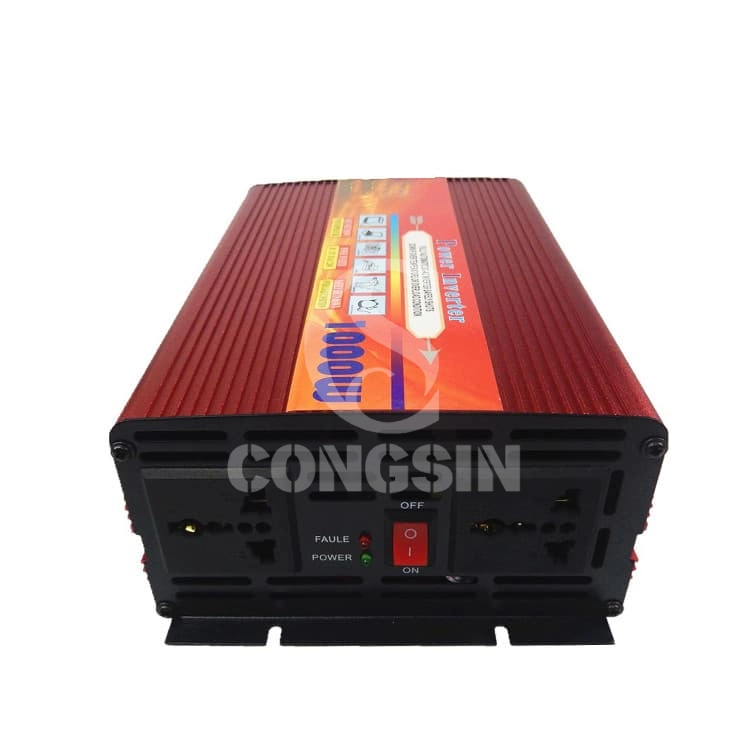
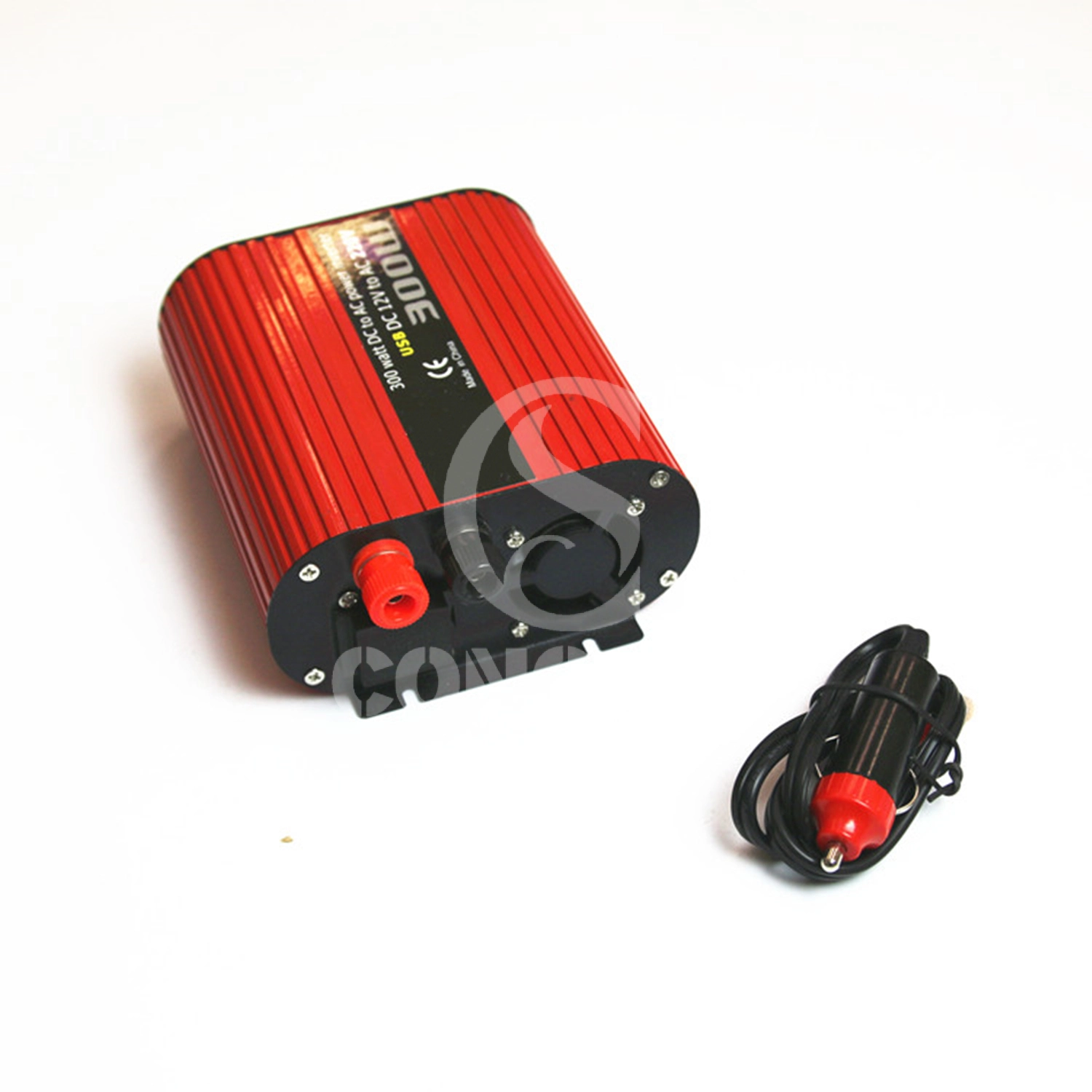
Congsin's Portable 150W Modified Sine Wave Inverter powers your journey! This versatile Car Power Inverter with USB acts as a reliable 12V to 220V converter, ensuring an essential off-grid power supply. With dual USB ports and a universal socket, enjoy convenient power on the go.
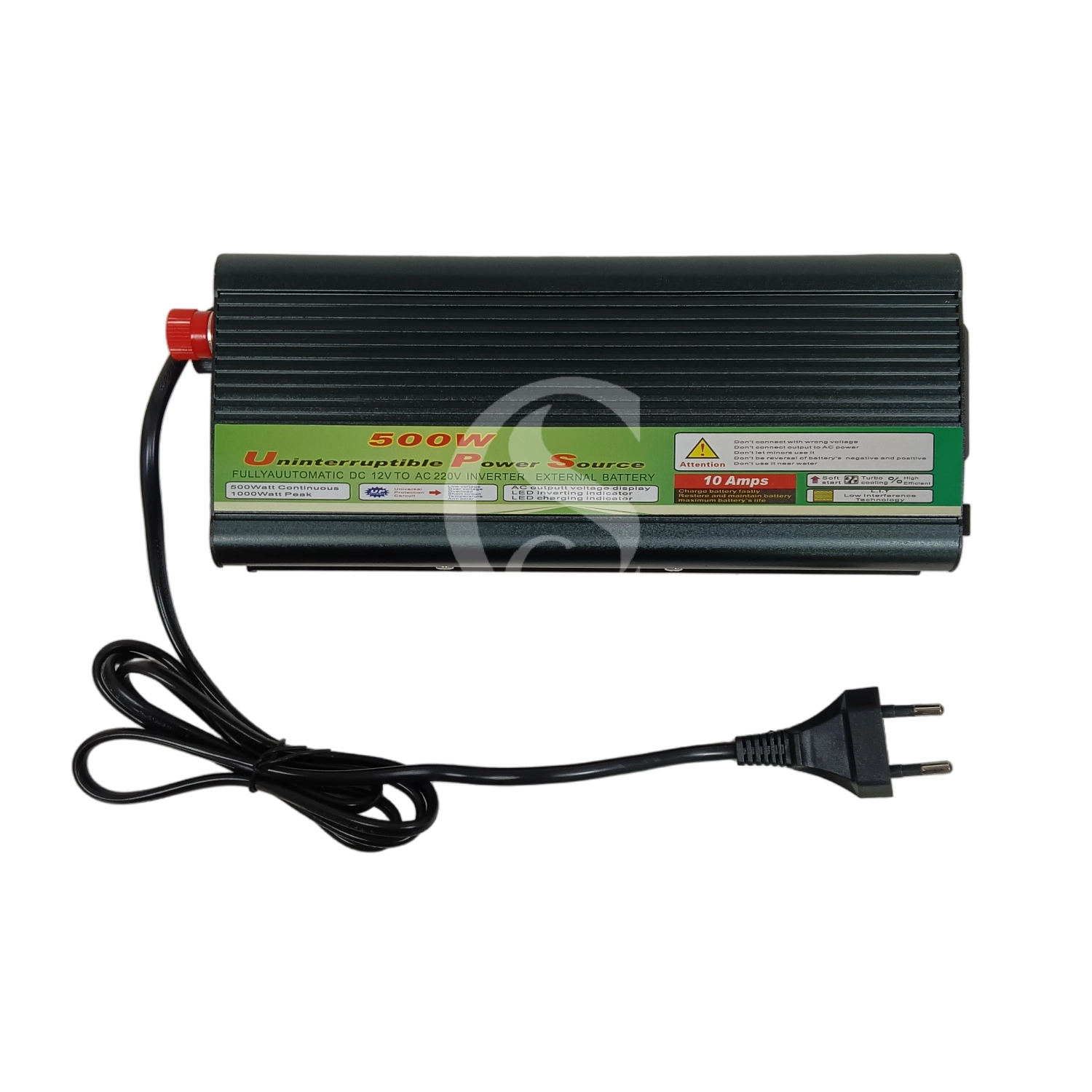
Congsin 500W 12V to 220V inverter delivers reliable off-grid power with its modified sine wave design. This portable 500W DC to AC power inverter efficiently converts 12V DC to 220V AC, ideal for outdoor and emergency use. Trust Congsin for stable, portable energy solutions.
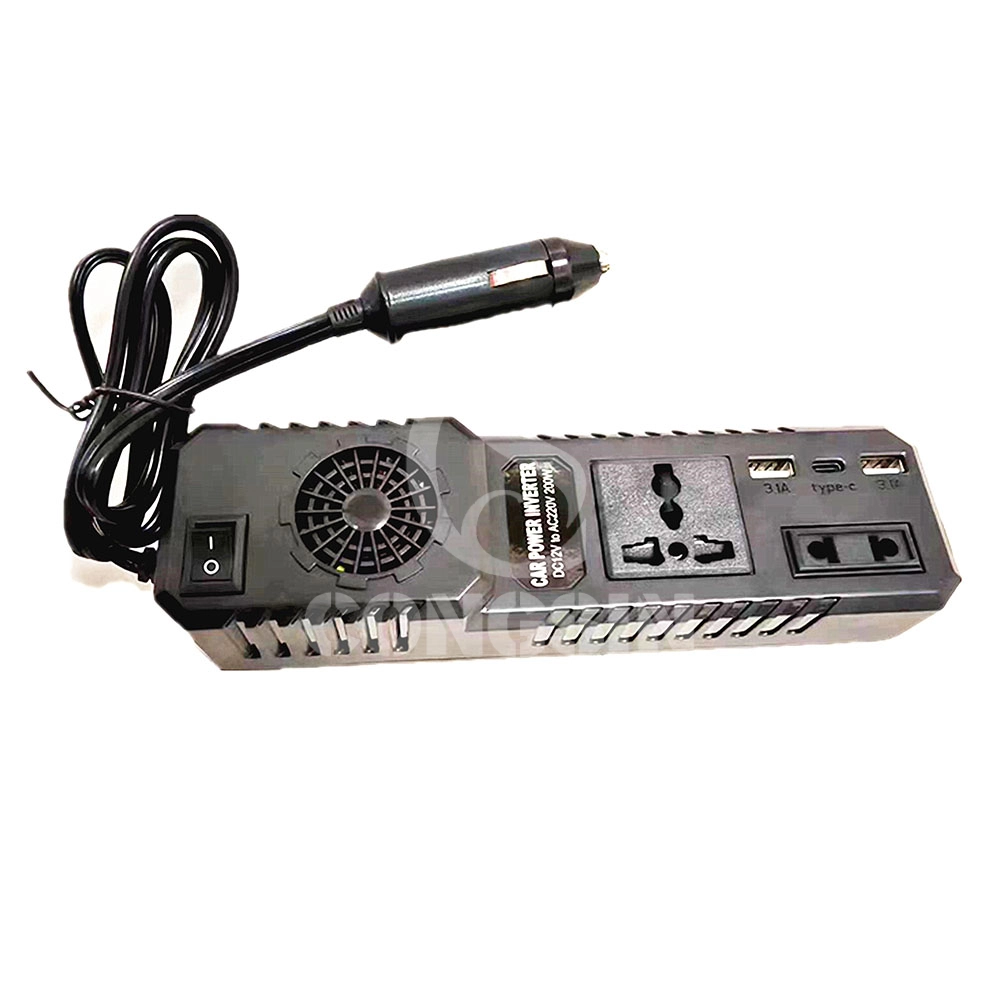
This 200W Modified Sine Wave Car Power Inverter is a compact and practical power conversion device designed for vehicle use. It supports dual input (DC12V/24V) and outputs AC220V, compatible with various electronic devices. Equipped with a Type-C port and dual 3.1A USB outputs, it can charge laptops, phones, cameras, drones, and other small electronics simultaneously—perfect for outdoor travel, emergency backup, and mobile work scenarios.
Get in Touch with Our Team
You can also communicate with us directly through our online contact form. Please fill in the following information, and our team will contact you as soon as possible after receiving your message.

CONGSIN is a trusted OEM factory for power inverters, solar charge controllers, and DC converters. Reliable solutions for global B2B buyers.
 High Quality
 7/24 Service
 Guaranteed Warranty
© 2025 Congsin. All Rights Reserved.
 WeChat
 Scan QR Code
sin cong
teaimei10
Whatsapp: +8618028086791
Scan QR Code