





How does an inverter grid off work in solar systems?
- Understanding Off-Grid Inverters in Solar Systems
- 1. What is an off-grid inverter?
- 2. How does an off-grid inverter work in solar systems?
- 3. What are the benefits of using an off-grid inverter?
- 4. Can an on-grid inverter be used as an off-grid inverter?
- 5. What factors should be considered when purchasing an off-grid inverter?
- 6. How do off-grid inverters handle power outages?
- 7. Are there hybrid inverters that combine off-grid and on-grid capabilities?
- 8. How do I maintain my off-grid inverter?
- Conclusion
- About Congsin
Understanding Off-Grid Inverters in Solar Systems
Off-grid inverters are essential components in solar energy systems, particularly for applications where access to the traditional power grid is unavailable or unreliable. These inverters convert direct current (DC) electricity generated by solar panels into alternating current (AC) electricity, which is suitable for powering household appliances and other electrical devices. In this article, we will address common questions about off-grid inverters to assist you in making informed purchasing decisions.
1. What is an off-grid inverter?
An off-grid inverter is a device that converts DC electricity from solar panels or batteries into AC electricity for use in homes or businesses not connected to the electrical grid. It enables the use of solar energy in remote locations by providing a stable and reliable power supply.
2. How does an off-grid inverter work in solar systems?
Off-grid inverters perform several key functions:
DC to AC Conversion: They convert the DC power from solar panels or batteries into AC power suitable for household appliances.
Power Management: They manage the distribution of power between the solar panels, batteries, and electrical loads, ensuring efficient energy use.
Battery Charging: Many off-grid inverters include a solar charge controller to manage the charging of batteries from solar panels, storing energy for use during periods without sunlight.
3. What are the benefits of using an off-grid inverter?
Energy Independence: Off-grid inverters allow users to generate and consume their own electricity, reducing reliance on external power sources.
Reliability: They provide a consistent power supply in areas with unreliable or no access to the electrical grid.
Environmental Impact: Utilizing solar energy reduces carbon emissions and promotes sustainable energy practices.
4. Can an on-grid inverter be used as an off-grid inverter?
No, on-grid inverters are designed to operate in conjunction with the electrical grid and cannot function in off-grid scenarios. Using an on-grid inverter in an off-grid system can lead to equipment damage and safety hazards. It's essential to use an inverter specifically designed for off-grid applications.
5. What factors should be considered when purchasing an off-grid inverter?
Power Capacity: Ensure the inverter can handle the total wattage of your solar panels and the energy requirements of your appliances.
Battery Compatibility: Verify that the inverter is compatible with your battery system for efficient energy storage and retrieval.
Efficiency: Look for inverters with high conversion efficiency to maximize energy utilization.
Safety Features: Choose inverters with built-in safety mechanisms, such as overvoltage protection and short circuit protection, to safeguard your system.
6. How do off-grid inverters handle power outages?
Off-grid inverters are designed to operate independently of the electrical grid, providing a continuous power supply during outages. They automatically switch to battery power when the grid is unavailable, ensuring uninterrupted electricity for essential appliances.
7. Are there hybrid inverters that combine off-grid and on-grid capabilities?
Yes, hybrid inverters can operate both on-grid and off-grid, offering flexibility in various scenarios. They can switch between modes based on grid availability, providing energy independence during outages while allowing for grid interaction when available.
8. How do I maintain my off-grid inverter?
Regular maintenance of your off-grid inverter includes:
Monitoring Performance: Regularly check the inverter's performance to ensure it's operating efficiently.
Cleaning: Keep the inverter clean and free from dust and debris to prevent overheating.
Inspection: Periodically inspect for any signs of wear or damage and address issues promptly.
Firmware Updates: Keep the inverter's firmware updated to benefit from the latest features and improvements.
Conclusion
Off-grid inverters play a crucial role in harnessing solar energy for independent power systems. By understanding their functionality and considering key factors during the purchasing process, you can ensure a reliable and efficient solar power solution tailored to your needs.
About Congsin
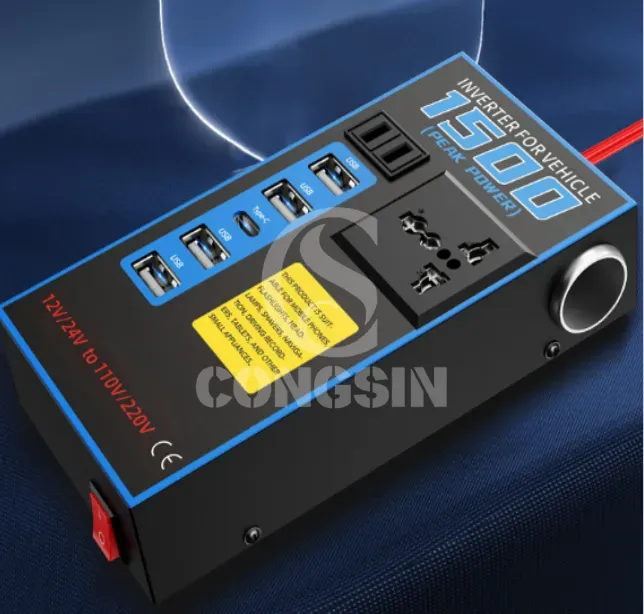
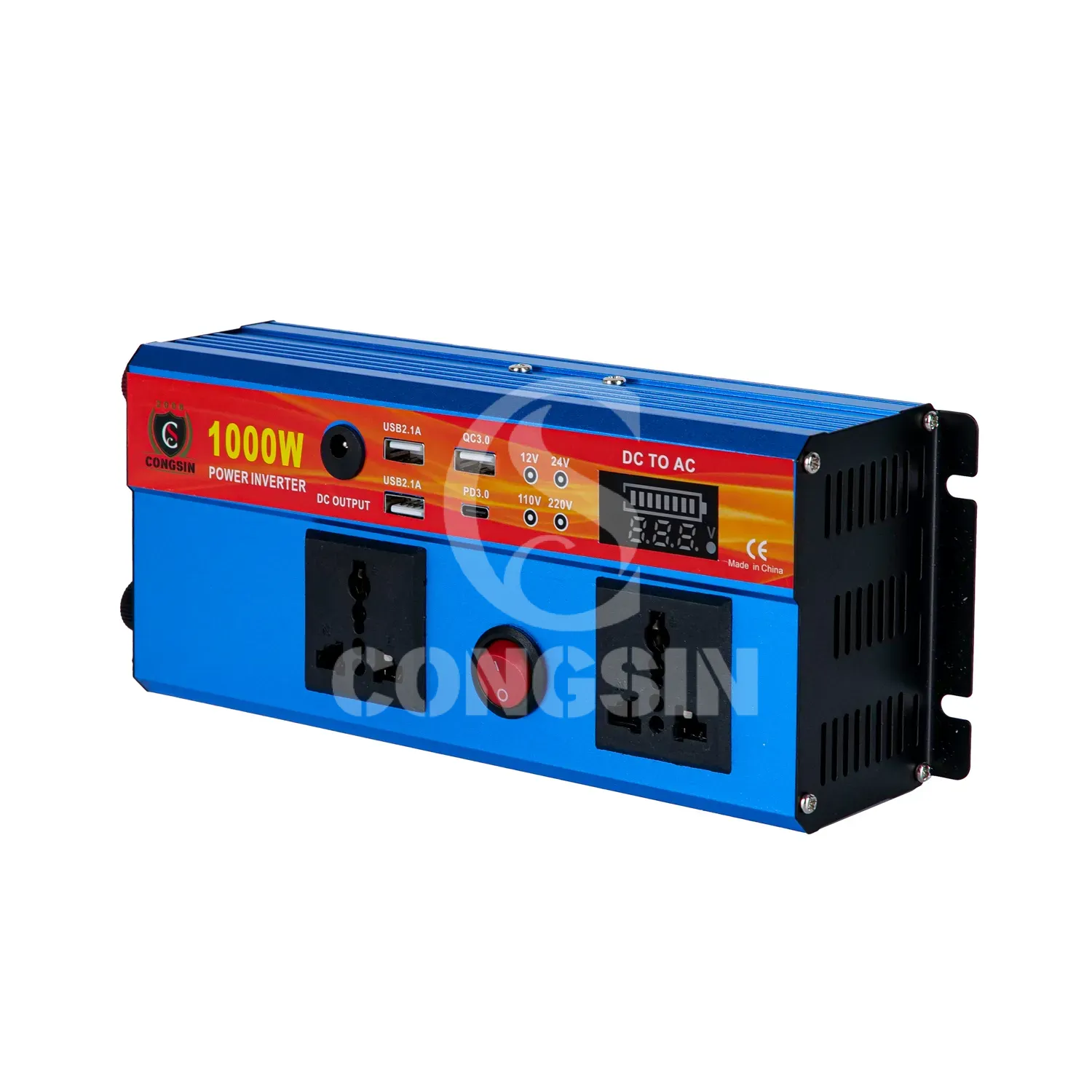
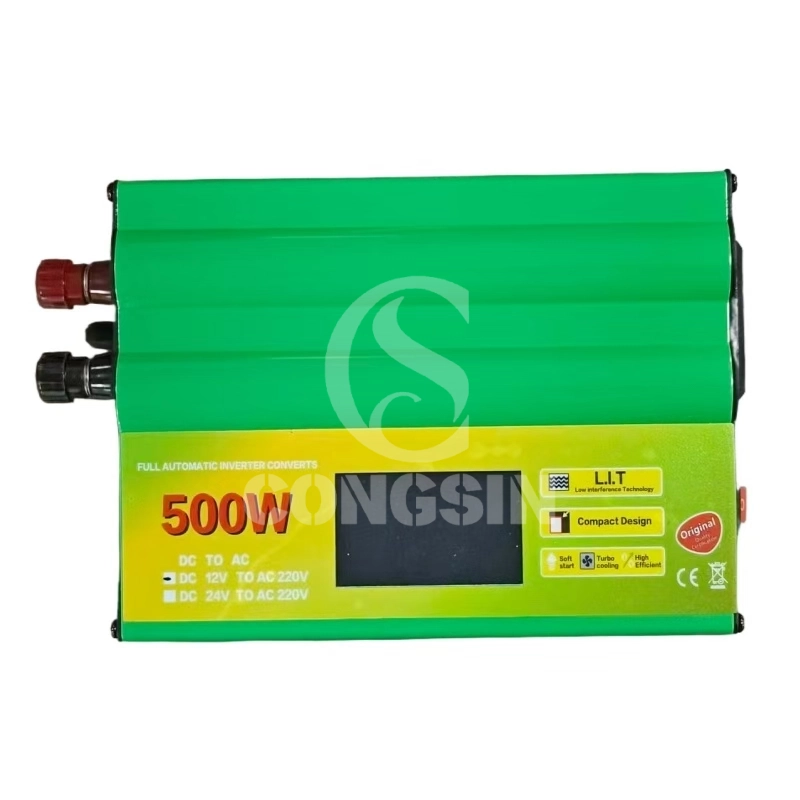
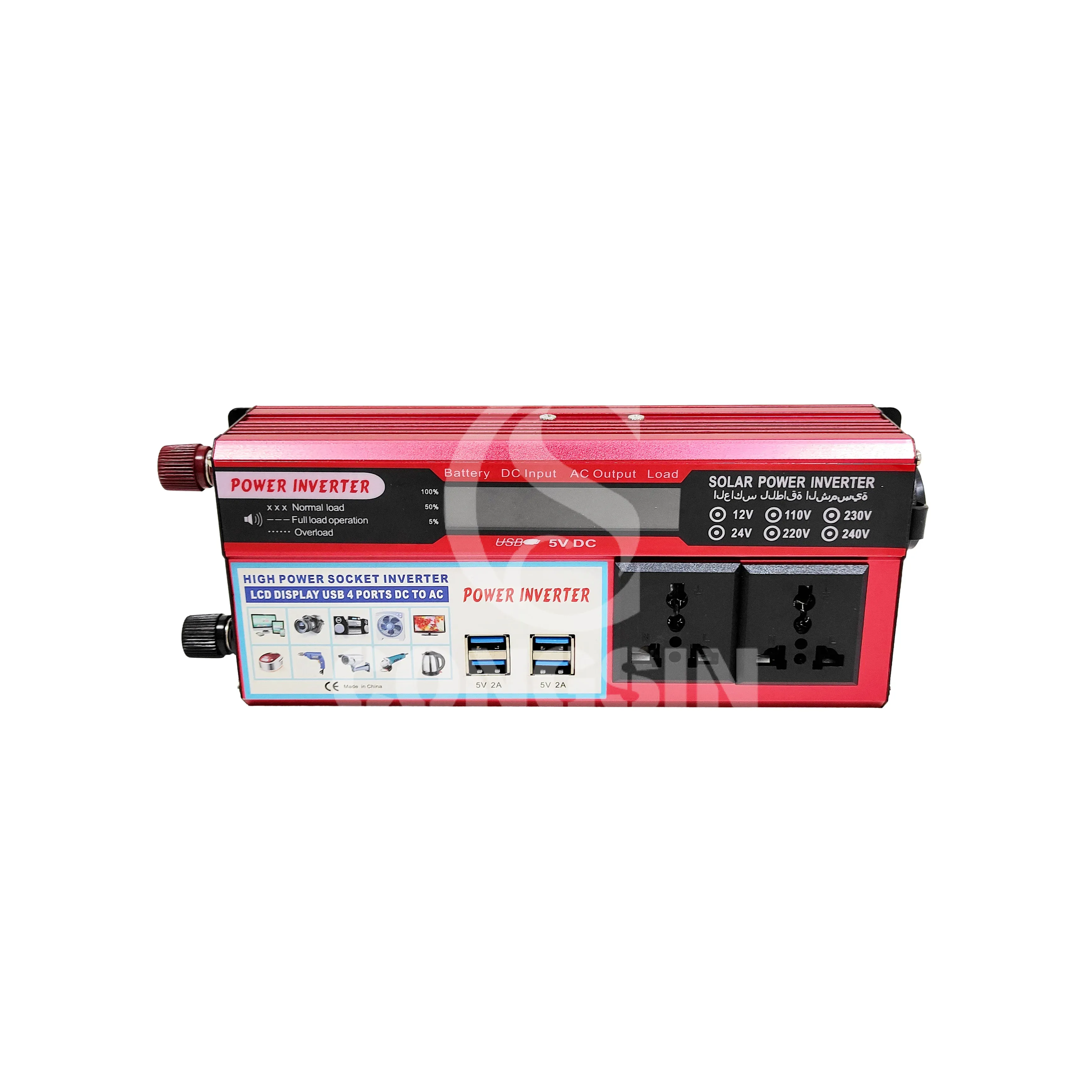
Congsin offers a range of high-quality off-grid inverters designed for optimal performance and durability. With advanced features and user-friendly interfaces, Congsin inverters provide reliable power solutions for various applications. Explore our product line to find the perfect fit for your solar energy system.
References:


Modified Sine Wave Inverters
Which region’s voltage standards does it support?
It defaults to AC 220V output, suitable for regions with 220V voltage standards such as China and Europe; it can also be customized to output AC 110V, suitable for regions with 110V voltage standards such as the United States and Japan.
Which plug types are supported by the universal socket?
The universal socket is compatible with most national plug specifications, such as GB, US, EU, etc., and can meet the use of devices in different regions (some require adapters).
What capacity battery can be used with it?
It is recommended to use a 12V 100Ah-200Ah lead-acid battery or lithium battery; the larger the battery capacity, the longer the UPS power supply time (e.g., a 100Ah battery can support a 100W device to work continuously for about 10 hours).
Is it normal for the inverter to heat up when working?
It is normal for it to generate some heat when working. If the temperature is too high (e.g., hot to the touch), please stop using it and check if the load is overloaded.
Products
Can this inverter run a refrigerator or power tools?
Recommended load ≤80% of rated power. For inductive loads, use a pure sine wave model.
Get in Touch with Our Team
You can also communicate with us directly through our online contact form. Please fill in the following information, and our team will contact you as soon as possible after receiving your message.

CONGSIN is a trusted OEM factory for power inverters, solar charge controllers, and DC converters. Reliable solutions for global B2B buyers.
 High Quality
 7/24 Service
 Guaranteed Warranty
© 2025 Congsin. All Rights Reserved.