





Which off grid inverter charger is best for RV and marine use?
When embarking on off-grid adventures in your RV or marine vessel, selecting the right inverter charger is paramount to ensure a seamless and reliable power supply. Below are six critical questions frequently posed by beginners, accompanied by in-depth answers to guide your decision-making process.
1. What is the difference between pure sine wave and modified sine wave inverters, and which is better for RV and marine applications?
Pure sine wave inverters produce electricity that closely mimics the clean, stable power supplied by the grid, making them ideal for sensitive electronics and appliances. Modified sine wave inverters, while more affordable, generate a choppier waveform that can cause interference and potential damage to delicate devices. For RV and marine environments, where equipment reliability is crucial, pure sine wave inverters are highly recommended.
2. How do I determine the appropriate power output for my off-grid inverter charger based on my RV or marine electrical needs?
Begin by listing all appliances and devices you intend to power, noting their continuous and surge wattage requirements. Sum the continuous wattages to determine the minimum continuous power your inverter must handle. Ensure the inverter's surge capacity exceeds the combined startup wattage of devices with high inrush currents, such as refrigerators or air conditioners. This approach ensures your inverter can manage both steady and transient power demands effectively.
3. What are the advantages of integrated inverter chargers, and how do they benefit off-grid RV and marine systems?
Integrated inverter chargers combine the functions of an inverter and a battery charger into a single unit, streamlining power management. They allow for seamless switching between different power sources—such as solar panels, shore power, or generators—ensuring a continuous and reliable power supply. This integration simplifies installation, reduces equipment footprint, and enhances system efficiency, making them particularly beneficial for off-grid RV and marine applications.
4. How do I select the right battery type and capacity to pair with my off-grid inverter charger for optimal performance?
Lithium Iron Phosphate (LiFePO₄) batteries are increasingly favored for off-grid systems due to their high energy density, deep discharge capabilities, and longer cycle life compared to traditional lead-acid batteries. When determining capacity, consider your daily energy consumption and desired autonomy. For instance, if your daily usage is 1,200 Wh and you want 1.5 days of autonomy, a 1,800 Wh battery bank would be appropriate. Ensure the battery voltage aligns with your inverter's specifications (commonly 12V, 24V, or 48V) to maintain system compatibility and efficiency.
5. What environmental factors should I consider when installing an off-grid inverter charger in my RV or marine vessel?
Off-grid systems in RVs and marine environments are exposed to unique challenges, including temperature fluctuations, humidity, and potential exposure to saltwater. It's essential to choose equipment rated for such conditions, ensuring durability and reliable performance. Proper ventilation is crucial to prevent overheating, and components should be installed in locations protected from moisture and corrosive elements. Additionally, ensure all wiring and connections are secure and insulated to prevent short circuits and electrical hazards.
6. How can I monitor and manage my off-grid power system to ensure optimal performance and longevity?
Many modern inverter chargers offer built-in monitoring capabilities, providing real-time data on voltage, current, and system status. Utilizing these features allows for proactive maintenance and timely troubleshooting. Some systems also offer remote monitoring via smartphone apps or web interfaces, enabling you to manage your power system conveniently. Regularly checking system performance, performing routine maintenance, and staying informed about battery health are key practices to ensure the longevity and efficiency of your off-grid power setup.
Conclusion
Selecting the right off-grid inverter charger is crucial for ensuring a reliable and efficient power supply in your RV or marine vessel. By considering factors such as inverter type, power requirements, battery compatibility, environmental conditions, and monitoring capabilities, you can tailor a system that meets your specific needs and enhances your off-grid experience.
For personalized recommendations and a detailed quote, please contact us at info@csinverter.com or visit our website at www.csinverter.com.


Modified Sine Wave Inverters
Can this inverter run a refrigerator or power tools?
Recommended load ≤80% of rated power. For inductive loads, use a pure sine wave model.
Which country’s voltage standards does it support?
It defaults to AC 220V output, suitable for regions with 220V voltage standards such as China and Europe; it can also be customized to output AC 110V, suitable for regions with 110V voltage standards such as the United States and Japan.
Is it compatible with both 12V and 24V vehicles?
Yes, it supports DC12V/24V dual input.
OEM & ODM Services
Can I order samples before production?
Yes, we offer sample evaluation and prototype testing.
Pure Sine Wave Inverters
What is the difference between labeled 6000W and full power 3000W?
Labeled 6000W is peak power, which is only used to cope with the instantaneous high-power demand during device startup (such as air conditioner, motor startup); full power 3000W is continuous power, referring to the power that the device can stably output for a long time. When driving appliances daily, 3000W should be used as a reference to avoid total power overload.
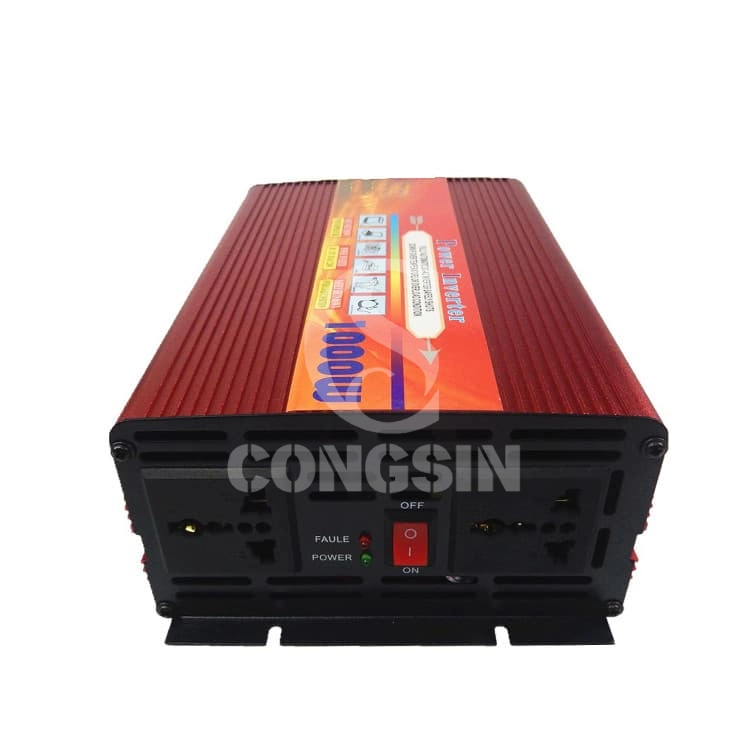
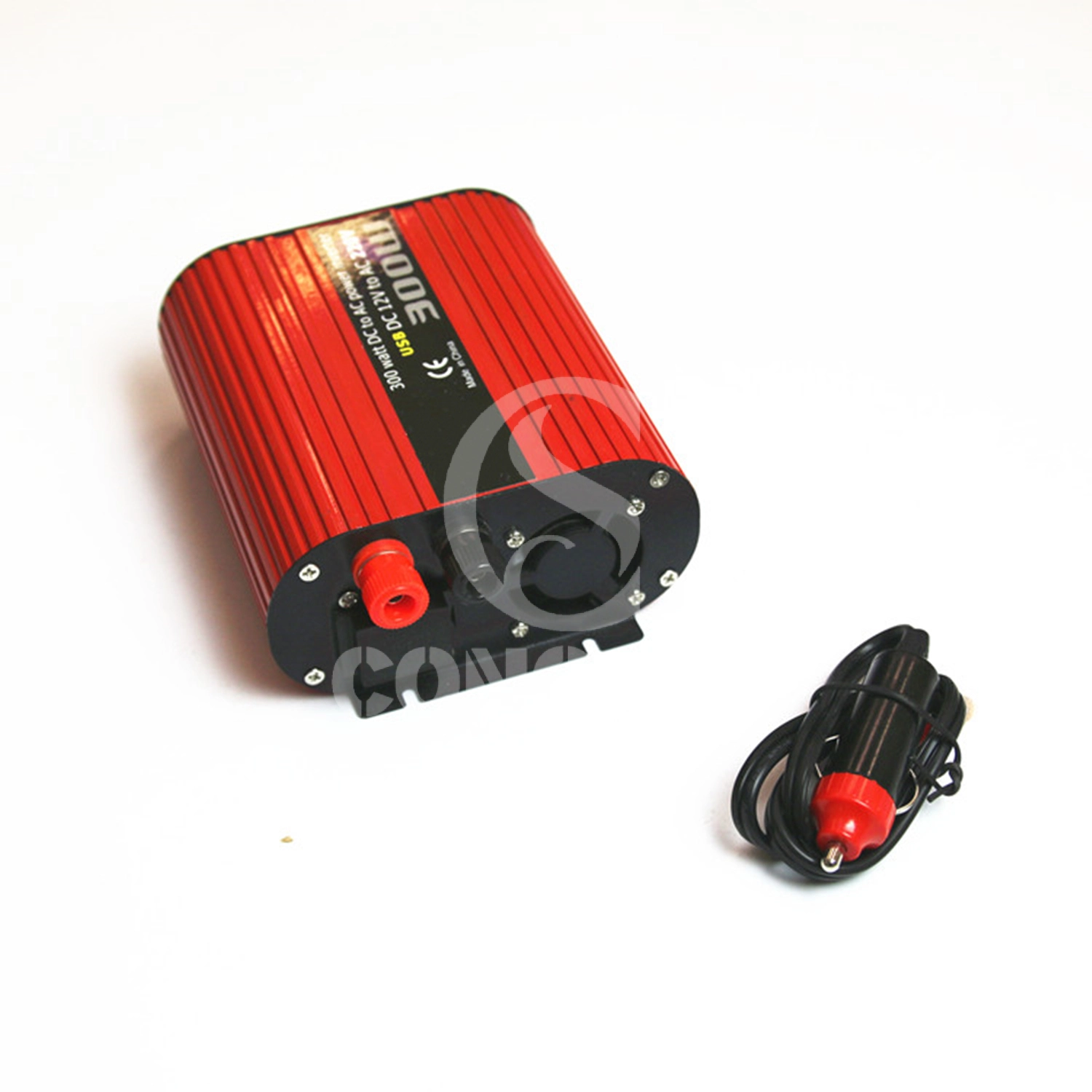
Congsin's Portable 150W Modified Sine Wave Inverter powers your journey! This versatile Car Power Inverter with USB acts as a reliable 12V to 220V converter, ensuring an essential off-grid power supply. With dual USB ports and a universal socket, enjoy convenient power on the go.
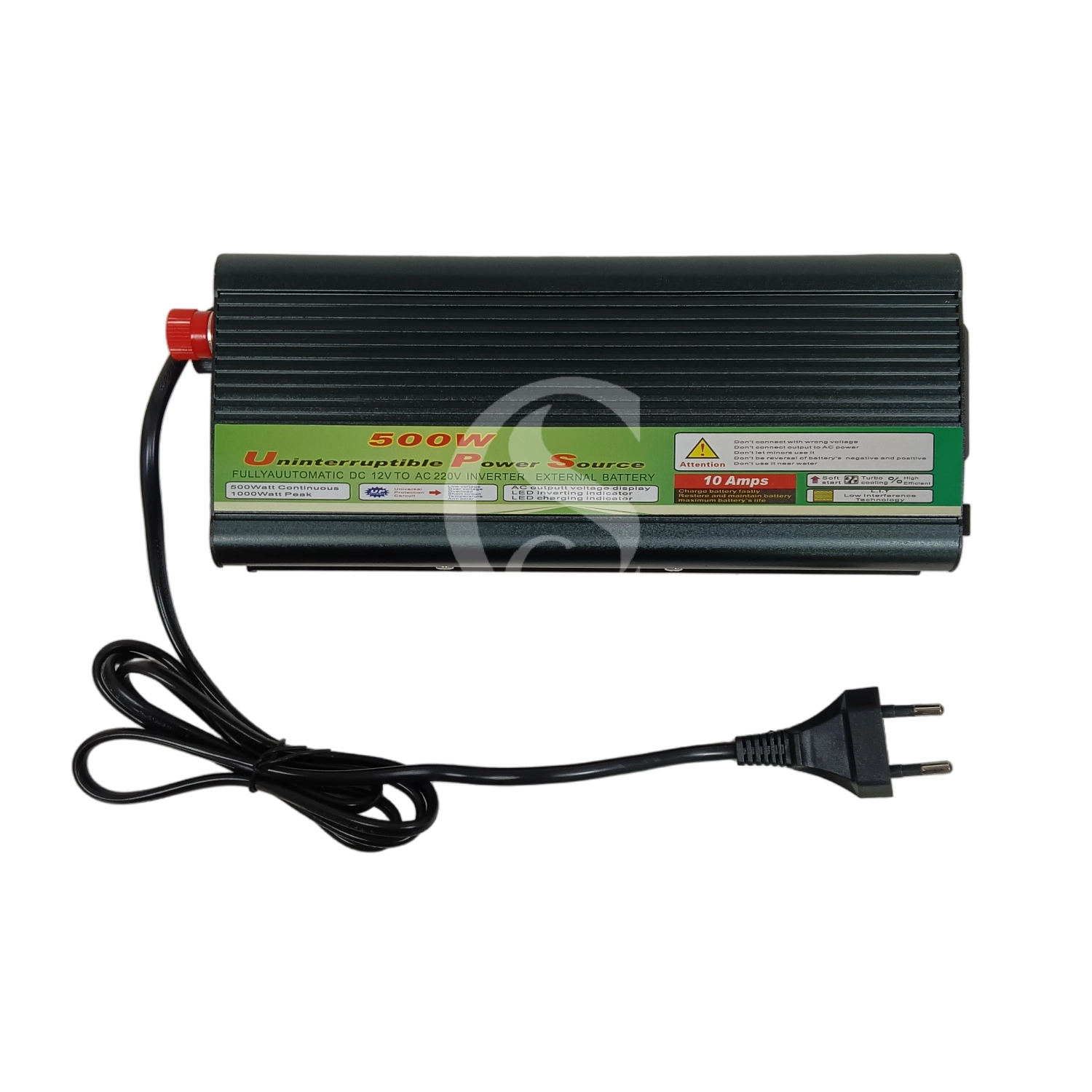
Congsin 500W 12V to 220V inverter delivers reliable off-grid power with its modified sine wave design. This portable 500W DC to AC power inverter efficiently converts 12V DC to 220V AC, ideal for outdoor and emergency use. Trust Congsin for stable, portable energy solutions.
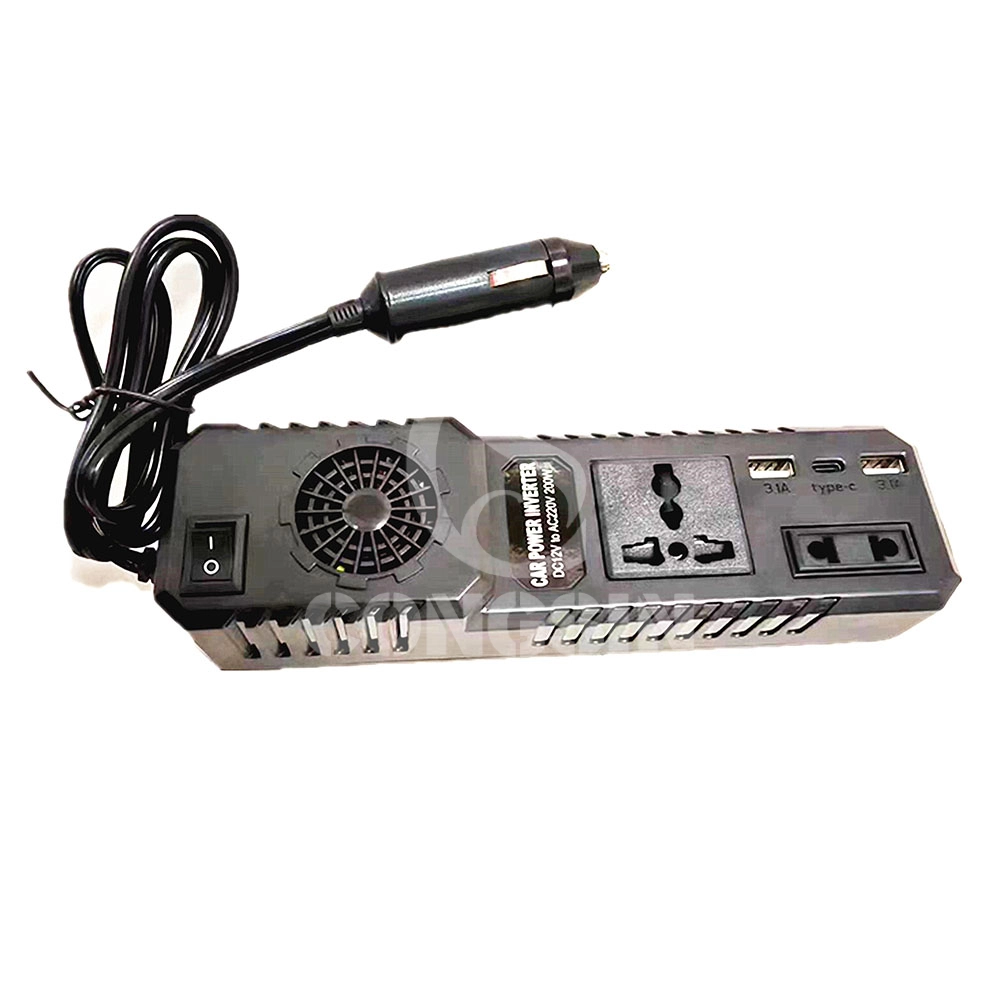
This 200W Modified Sine Wave Car Power Inverter is a compact and practical power conversion device designed for vehicle use. It supports dual input (DC12V/24V) and outputs AC220V, compatible with various electronic devices. Equipped with a Type-C port and dual 3.1A USB outputs, it can charge laptops, phones, cameras, drones, and other small electronics simultaneously—perfect for outdoor travel, emergency backup, and mobile work scenarios.
Get in Touch with Our Team
You can also communicate with us directly through our online contact form. Please fill in the following information, and our team will contact you as soon as possible after receiving your message.

CONGSIN is a trusted OEM factory for power inverters, solar charge controllers, and DC converters. Reliable solutions for global B2B buyers.
 High Quality
 7/24 Service
 Guaranteed Warranty
© 2025 Congsin. All Rights Reserved.
 WeChat
 Scan QR Code
sin cong
teaimei10
Whatsapp: +8618028086791
Scan QR Code