





How does MPPT charge controller improve solar efficiency?
- 1. How does an MPPT charge controller adapt to varying sunlight conditions to optimize solar energy harvesting?
- 2. What are the key factors that influence the performance of an MPPT charge controller?
- 3. How does an MPPT charge controller compare to traditional PWM controllers in terms of efficiency?
- 4. What are the common misconceptions about MPPT charge controllers?
- 5. How does an MPPT charge controller extend the lifespan of solar batteries?
- 6. What are the limitations of MPPT charge controllers?
1. How does an MPPT charge controller adapt to varying sunlight conditions to optimize solar energy harvesting?
An MPPT (Maximum Power Point Tracking) charge controller continuously monitors the voltage and current output of solar panels to identify the optimal power point. In conditions of low light, such as cloudy weather or early morning and late afternoon, the performance of the MPPT controller may be hindered. A well-designed MPPT system will still manage to extract some power, but the overall energy harvested will be significantly lower compared to optimal sunny conditions.
2. What are the key factors that influence the performance of an MPPT charge controller?
Several factors can affect the performance of an MPPT charge controller:
Environmental Conditions: Temperature variations can impact both solar panel efficiency and the controller's ability to track the maximum power point. Extreme temperatures can lead to overheating and inefficient operation.
System Design: The configuration of solar panels (series or parallel) and the type of battery used influence the controller's performance. Proper wiring and connections are also crucial to minimize energy loss.
Hardware Quality: High-quality controllers with advanced algorithms can more precisely track the maximum power point, enhancing overall system efficiency.
3. How does an MPPT charge controller compare to traditional PWM controllers in terms of efficiency?
MPPT controllers can increase the efficiency of your solar power system by up to 30% compared to PWM controllers. This is especially significant in situations where the solar panel voltage is much higher than the battery bank voltage, a common scenario in larger or more advanced solar systems.
4. What are the common misconceptions about MPPT charge controllers?
Common misconceptions include:
Overestimating Efficiency Gains: While MPPT controllers are more efficient than PWM controllers, the actual efficiency gain depends on various factors, including environmental conditions and system design.
Assuming MPPT Controllers Are Always the Best Choice: For small-scale systems, the higher cost and complexity of MPPT controllers may not justify the benefits over PWM controllers.
5. How does an MPPT charge controller extend the lifespan of solar batteries?
By optimizing the charging process, MPPT controllers prevent overcharging and undercharging, thereby extending the battery's lifespan. This is crucial for businesses and homes that rely on solar power for backup power or off-grid systems, effectively reducing the system's long-term maintenance costs.
6. What are the limitations of MPPT charge controllers?
MPPT controllers are more complex than their PWM counterparts, requiring more attention during installation and setup. While the technology provides significant advantages, it can be overkill for small, simple solar systems that don't require high efficiency.
In conclusion, MPPT charge controllers offer significant advantages in optimizing solar energy harvesting and improving system efficiency. They adapt to varying sunlight conditions, enhance battery lifespan, and provide greater design flexibility. However, it's essential to consider system size, environmental factors, and specific energy needs when deciding to implement an MPPT charge controller.
For a comprehensive understanding of MPPT vs. PWM efficiency, you might find this video insightful:
(https://www.youtube.com/watch?v=fTvNqxLCkJc&utm_source=openai)
For personalized advice and a quote tailored to your specific requirements, please contact us at info@csinverter.com or visit our website at www.csinverter.com.


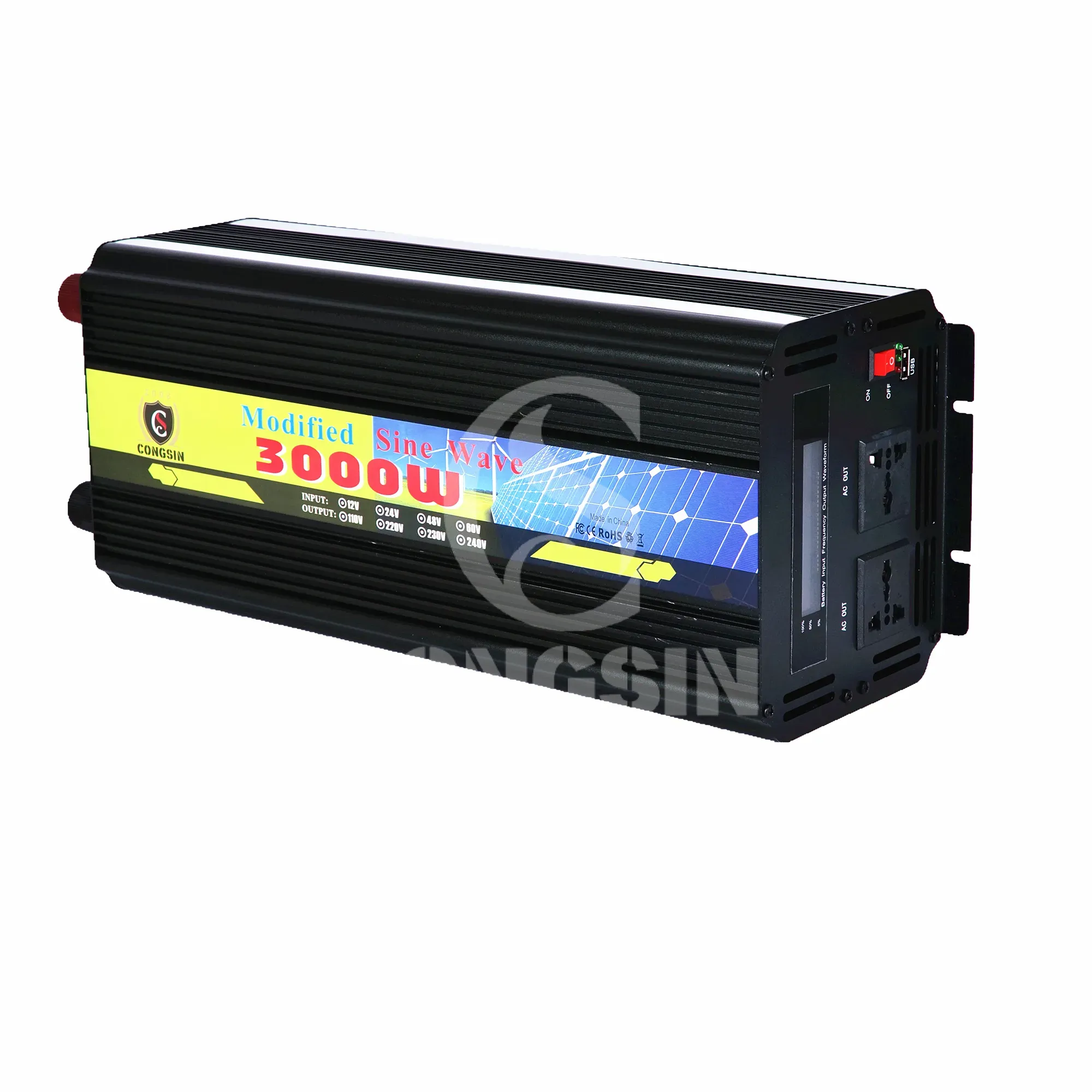
Modified Sine Wave Inverters
What devices can it power?
Suitable for fans, lights, TVs, laptops, and small electric tools.
How does the UPS function of this inverter work?
When the external power supply is normal, the inverter powers the device while charging the battery; when the external power supply is interrupted, it automatically switches to battery power to ensure uninterrupted operation of the device.
Is the cooling fan noisy during operation?
The noise is low (≤45 decibels, equivalent to normal conversation volume). The fan uses a silent motor and automatically adjusts the speed according to the device temperature (low-speed operation when temperature <40℃, high-speed operation when >60℃), balancing heat dissipation and noise.
OEM & ODM Services
What certifications do your products comply with?
All products meet CE, RoHS, FCC, and other market-specific compliance standards.
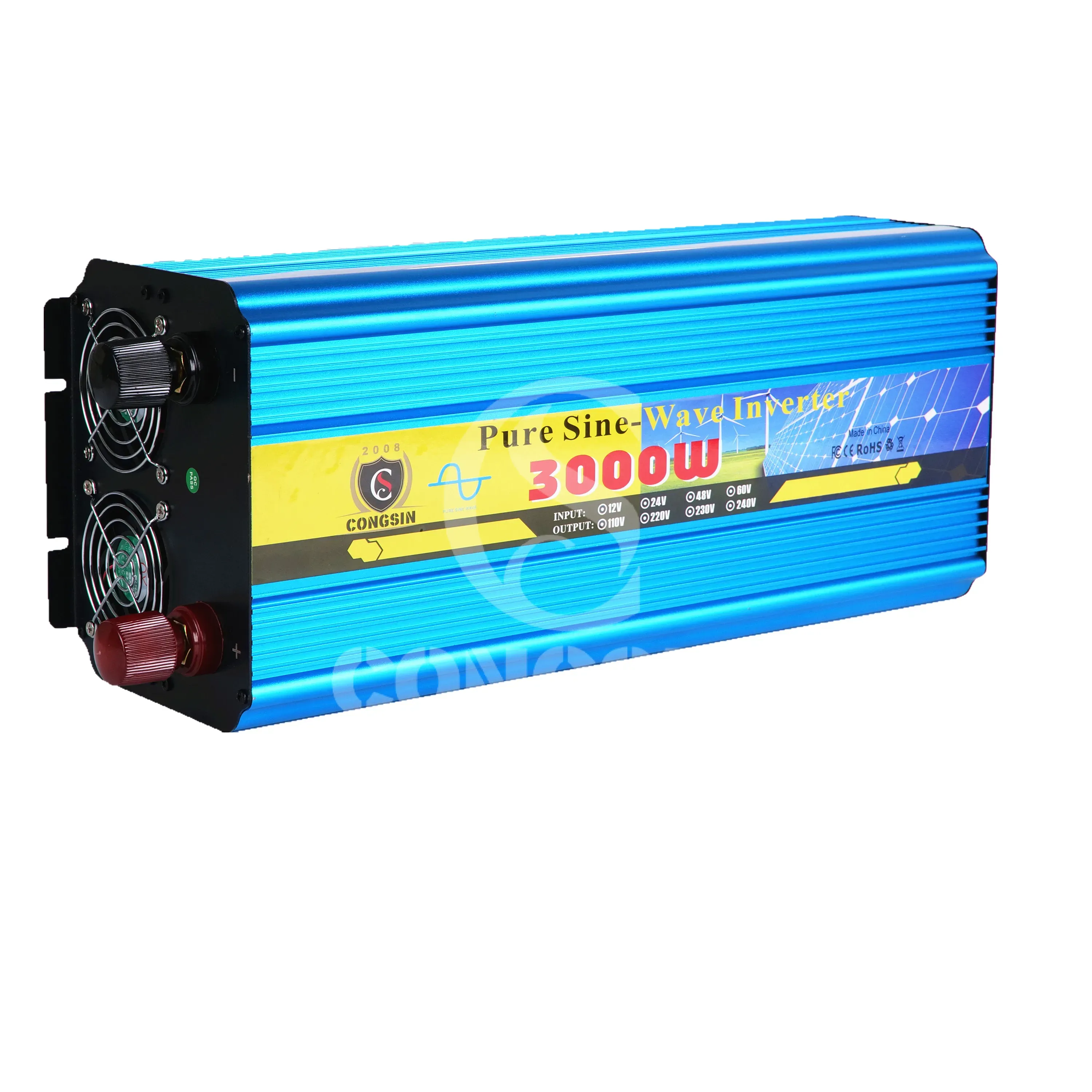
Pure Sine Wave Inverters
Can it run inductive loads like fridges or tools?
Yes, pure sine wave output supports all load types.
Get in Touch with Our Team
You can also communicate with us directly through our online contact form. Please fill in the following information, and our team will contact you as soon as possible after receiving your message.

CONGSIN is a trusted OEM factory for power inverters, solar charge controllers, and DC converters. Reliable solutions for global B2B buyers.
 High Quality
 7/24 Service
 Guaranteed Warranty
© 2025 Congsin. All Rights Reserved.