





Are MPPT charge controllers compatible with hybrid inverters?
- 1. What is an MPPT Charge Controller, and How Does It Enhance Solar Energy Systems?
- 2. Are MPPT Charge Controllers Compatible with Hybrid Inverters?
- 3. What Are the Risks of Using an External MPPT Charge Controller with a Hybrid Inverter?
- 4. How Do I Determine If My Hybrid Inverter Requires an External MPPT Charge Controller?
- 5. What Are the Benefits of Using a Hybrid Inverter with a Built-in MPPT Charge Controller?
- 6. How Do I Choose the Right MPPT Charge Controller for My Hybrid Inverter?
1. What is an MPPT Charge Controller, and How Does It Enhance Solar Energy Systems?
An MPPT (Maximum Power Point Tracking) charge controller is a device that optimizes the power output from solar panels by continuously adjusting the electrical operating point of the modules. It ensures that the solar panels operate at their maximum power point, thereby increasing the efficiency of the entire solar energy system. By converting excess voltage into additional current, MPPT controllers can improve energy harvest by up to 30% compared to traditional charge controllers. This optimization is crucial for maximizing the return on investment in solar installations.
2. Are MPPT Charge Controllers Compatible with Hybrid Inverters?
Hybrid inverters are designed to manage both solar energy input and battery storage, often incorporating built-in MPPT charge controllers. This integration allows for seamless energy management and eliminates the need for external charge controllers. However, if a hybrid inverter lacks a built-in MPPT controller or if the existing one is insufficient for the system's capacity, adding an external MPPT charge controller can be beneficial. It's essential to ensure that the external controller is compatible with the inverter's specifications and that both devices can communicate effectively to prevent potential conflicts and inefficiencies. For instance, some hybrid inverters support communication protocols like RS485 or CAN, which can be utilized by external MPPT controllers for optimal performance.
3. What Are the Risks of Using an External MPPT Charge Controller with a Hybrid Inverter?
Integrating an external MPPT charge controller with a hybrid inverter can lead to several issues: conflicts in regulation, battery overload risks, and reduced system efficiency. These problems arise due to the lack of synchronization between the external controller and the hybrid inverter, which can result in overcharging, voltage fluctuations, and overall system inefficiencies. Therefore, it's generally advisable to use a hybrid inverter with a built-in MPPT charge controller to ensure optimal performance and safety.
4. How Do I Determine If My Hybrid Inverter Requires an External MPPT Charge Controller?
To assess whether your hybrid inverter needs an external MPPT charge controller, consider the following steps: 1) Review the inverter's technical specifications to identify if it includes a built-in MPPT charge controller. 2) Evaluate the system's energy requirements and compare them with the inverter's capacity to determine if the existing controller can handle the load. 3) Consult the manufacturer's guidelines or contact their support to confirm compatibility and recommendations. If the inverter lacks a built-in MPPT controller or if the existing one is inadequate, adding an external controller may be necessary.
5. What Are the Benefits of Using a Hybrid Inverter with a Built-in MPPT Charge Controller?
Utilizing a hybrid inverter with an integrated MPPT charge controller offers several advantages: 1) Simplified system design and installation due to the elimination of external components. 2) Enhanced system efficiency through optimized energy management. 3) Improved reliability and safety with synchronized operation between the inverter and charge controller. 4) Potential cost savings by reducing the need for additional equipment. These benefits contribute to a more streamlined and effective solar energy system.
6. How Do I Choose the Right MPPT Charge Controller for My Hybrid Inverter?
When selecting an MPPT charge controller for your hybrid inverter, consider the following factors: 1) Compatibility: Ensure the controller is compatible with your inverter's voltage and current specifications. 2) Communication Protocols: Verify that the controller supports communication protocols (e.g., RS485, CAN) used by your inverter for seamless integration. 3) System Capacity: Choose a controller that can handle the maximum power output of your solar panels. 4) Manufacturer Support: Opt for controllers from reputable manufacturers that offer robust customer support and warranty services. By carefully evaluating these aspects, you can select a charge controller that enhances your system's performance and longevity.
In conclusion, understanding the role of MPPT charge controllers and their compatibility with hybrid inverters is essential for optimizing solar energy systems. By selecting the appropriate components and ensuring their compatibility, you can achieve enhanced efficiency, reliability, and performance in your solar installations. For personalized advice and to explore suitable options for your specific needs, feel free to contact us at info@csinverter.com or visit our website at www.csinverter.com.


OEM & ODM Services
What’s the main difference between your OEM and ODM services?
OEM uses your brand on our standard products; ODM creates entirely new products based on your concept or specification.
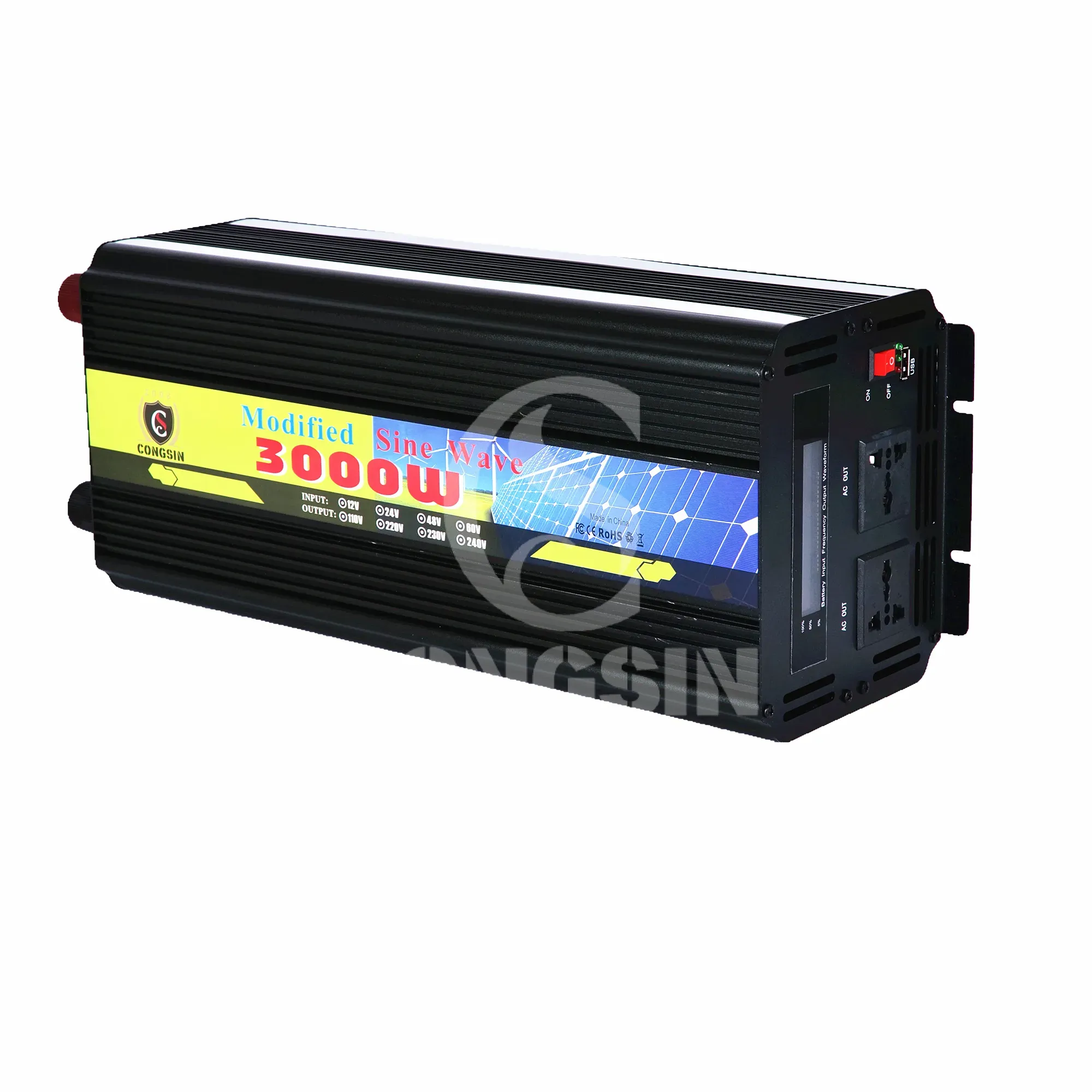
Modified Sine Wave Inverters
Can it be connected to a battery long-term?
Yes, ensure good ventilation to avoid overheating.
How to install the battery terminal wire?
Connect the red terminal wire to the positive pole of the battery and the black terminal wire to the negative pole. Ensure the interface is firm and there is no short circuit when connecting.
Is it normal for the inverter to heat up when working?
It is normal for it to generate some heat when working. If the temperature is too high (e.g., hot to the touch), please stop using it and check if the load is overloaded.
Does the UPS function require additional mains connection?
Yes. The inverter needs to be connected to a home/office socket via the included mains cable, and the device will automatically detect the mains status; when the mains power is interrupted, it will switch to battery power immediately.
Get in Touch with Our Team
You can also communicate with us directly through our online contact form. Please fill in the following information, and our team will contact you as soon as possible after receiving your message.

CONGSIN is a trusted OEM factory for power inverters, solar charge controllers, and DC converters. Reliable solutions for global B2B buyers.
 High Quality
 7/24 Service
 Guaranteed Warranty
© 2025 Congsin. All Rights Reserved.