





What is the cost to run an inverter with a car battery?
When considering the use of an inverter with a car battery, beginners often encounter specific challenges and questions that lack comprehensive answers online. Below are six detailed questions addressing common pain points, along with in-depth answers to guide your understanding.
1. How do I determine the appropriate inverter size for my car battery?
Selecting the right inverter size is crucial to ensure efficient power conversion without overloading your car battery. The inverter's wattage should align with the combined wattage of the devices you intend to power. For instance, if your devices total 300 watts, a 500-watt inverter would provide a sufficient buffer. It's advisable to choose an inverter with a continuous power rating higher than your total device wattage to accommodate any surge demands. Additionally, ensure the inverter's input voltage matches your car battery's output, typically 12V DC.
2. What are the risks of using a standard car battery with an inverter for extended periods?
Standard car batteries are designed for short bursts of high current to start the engine and are not built for deep discharges. Using them with an inverter for extended periods can lead to rapid depletion, reduced battery lifespan, and potential failure. Deep cycle batteries, on the other hand, are engineered to handle prolonged discharges and are more suitable for inverter applications.
3. How can I prevent my car battery from draining when using an inverter?
To prevent battery drain, it's essential to operate the inverter while the car engine is running. This practice ensures the alternator recharges the battery, maintaining its charge and preventing deep discharge. If using the inverter with the engine off, limit usage to short durations and start the engine periodically to recharge the battery. Regularly monitoring the battery's voltage can also help in managing its health.
4. What are the signs that my car battery is being damaged by inverter use?
Indicators of potential battery damage include difficulty starting the engine after inverter use, a swollen battery case, corroded terminals, or a voltage dropping below 11.8V under load. These signs suggest deep discharge or overcharging, which can permanently reduce battery performance. Regular inspection and maintenance can help in early detection and prevention.
5. Can I use an inverter to charge my car battery?
While it's technically possible to use an inverter to charge a car battery, it's not recommended as a regular practice. Inverters are designed to convert DC to AC power and may not provide the controlled charging current and voltage required for car batteries. Using an inverter for charging can lead to overcharging or undercharging, potentially damaging the battery. It's advisable to use a dedicated car battery charger for this purpose.
6. What is the cost to run an inverter with a car battery?
The cost of running an inverter with a car battery depends on several factors, including the inverter's efficiency, the power draw of the connected devices, and the duration of use. Inverters typically have an efficiency rate of 85–90%, meaning some energy is lost during the conversion process. For example, running a 100W device for 5 hours would consume approximately 0.5 kWh of energy. The cost would then depend on your local electricity rates. However, using a car battery for such purposes can lead to increased wear and potential early replacement costs. Therefore, while the immediate operational cost may seem low, the long-term expenses associated with battery maintenance or replacement should be considered.
In conclusion, understanding the compatibility, risks, and operational costs associated with using an inverter with a car battery is essential for making informed decisions. By selecting the appropriate equipment, monitoring usage, and adhering to best practices, you can effectively utilize an inverter without compromising your vehicle's battery health.
For personalized advice and solutions tailored to your specific needs, please contact us at info@csinverter.com or visit our website at www.csinverter.com.


Modified Sine Wave Inverters
How does reverse protection work?
When the positive and negative poles of the battery are reversed, the inverter will automatically cut off the circuit to avoid device damage and ensure power usage safety.
Which regional plugs are supported by the universal socket?
The universal socket is compatible with most national plug specifications, such as GB, US, EU, etc. (some require adapters), and can meet the use of devices in different regions.
Can it drive a 3000W air conditioner?
Yes. Air conditioners have instantaneous power during startup (about 2-3 times the rated power), and this product has a peak power of 6000W, which can meet the startup and operation needs of a 3000W air conditioner; the battery capacity must be ≥150Ah to ensure continuous power supply.
Can it be used with a car cigarette lighter socket?
Yes, it supports both battery clip and cigarette lighter connection.
Distributor
How long does it take to become an authorized distributor?
The process typically takes 2-4 weeks, depending on the discussion and agreement finalization.
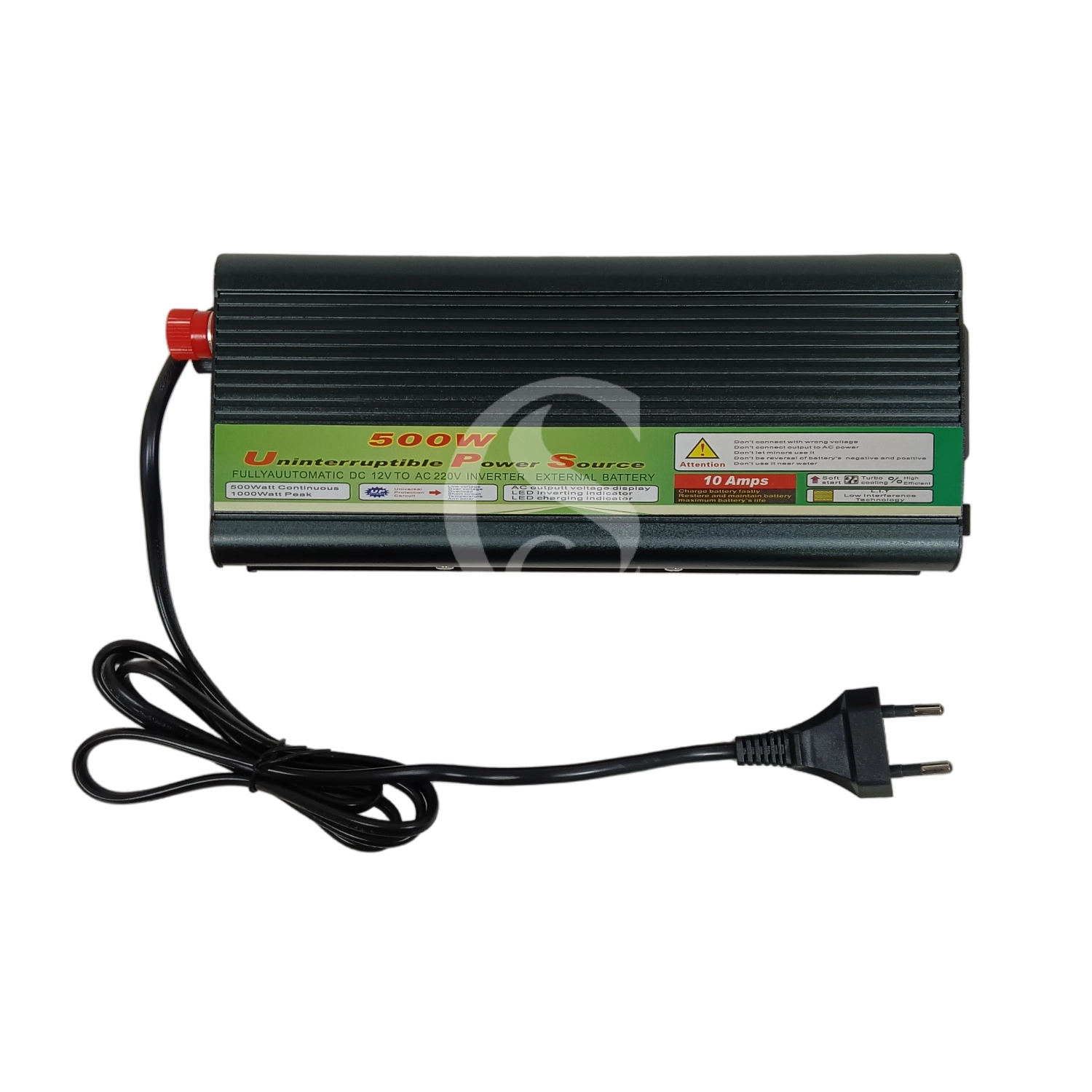
Congsin 500W 12V to 220V inverter delivers reliable off-grid power with its modified sine wave design. This portable 500W DC to AC power inverter efficiently converts 12V DC to 220V AC, ideal for outdoor and emergency use. Trust Congsin for stable, portable energy solutions.
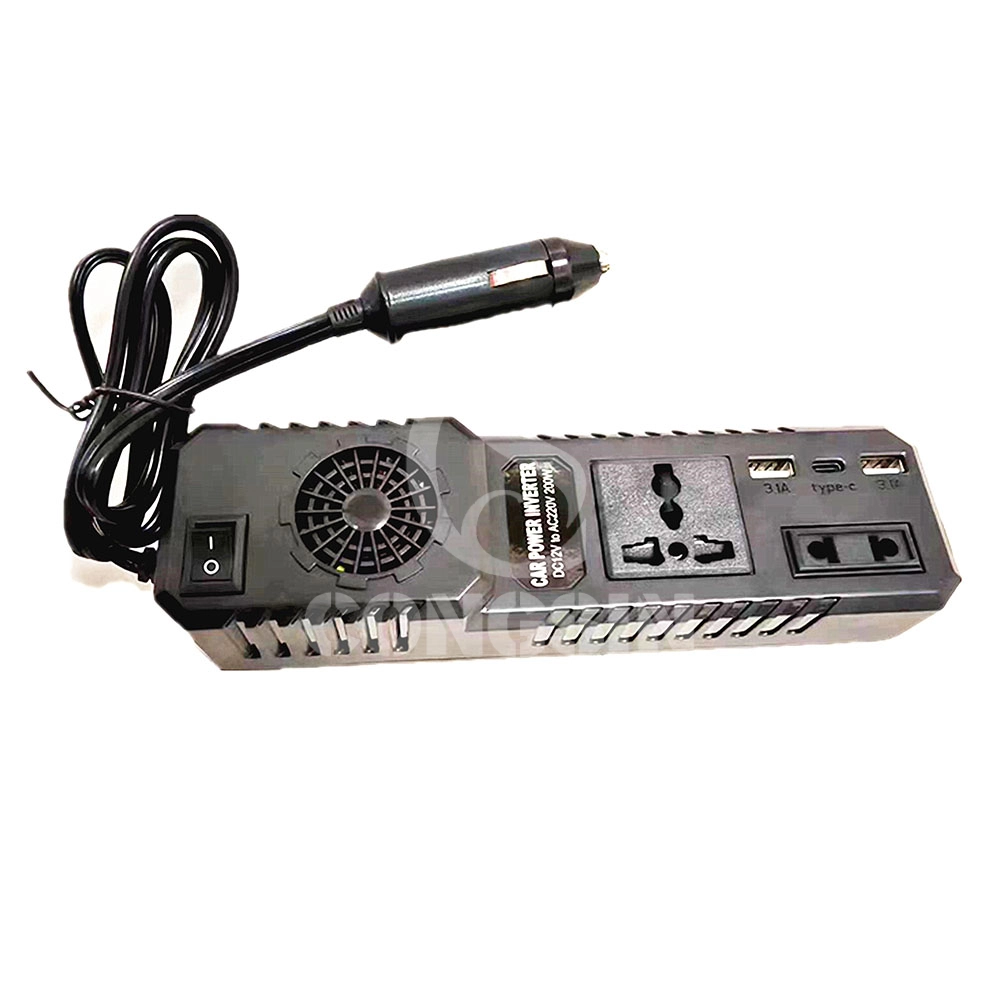
This 200W Modified Sine Wave Car Power Inverter is a compact and practical power conversion device designed for vehicle use. It supports dual input (DC12V/24V) and outputs AC220V, compatible with various electronic devices. Equipped with a Type-C port and dual 3.1A USB outputs, it can charge laptops, phones, cameras, drones, and other small electronics simultaneously—perfect for outdoor travel, emergency backup, and mobile work scenarios.
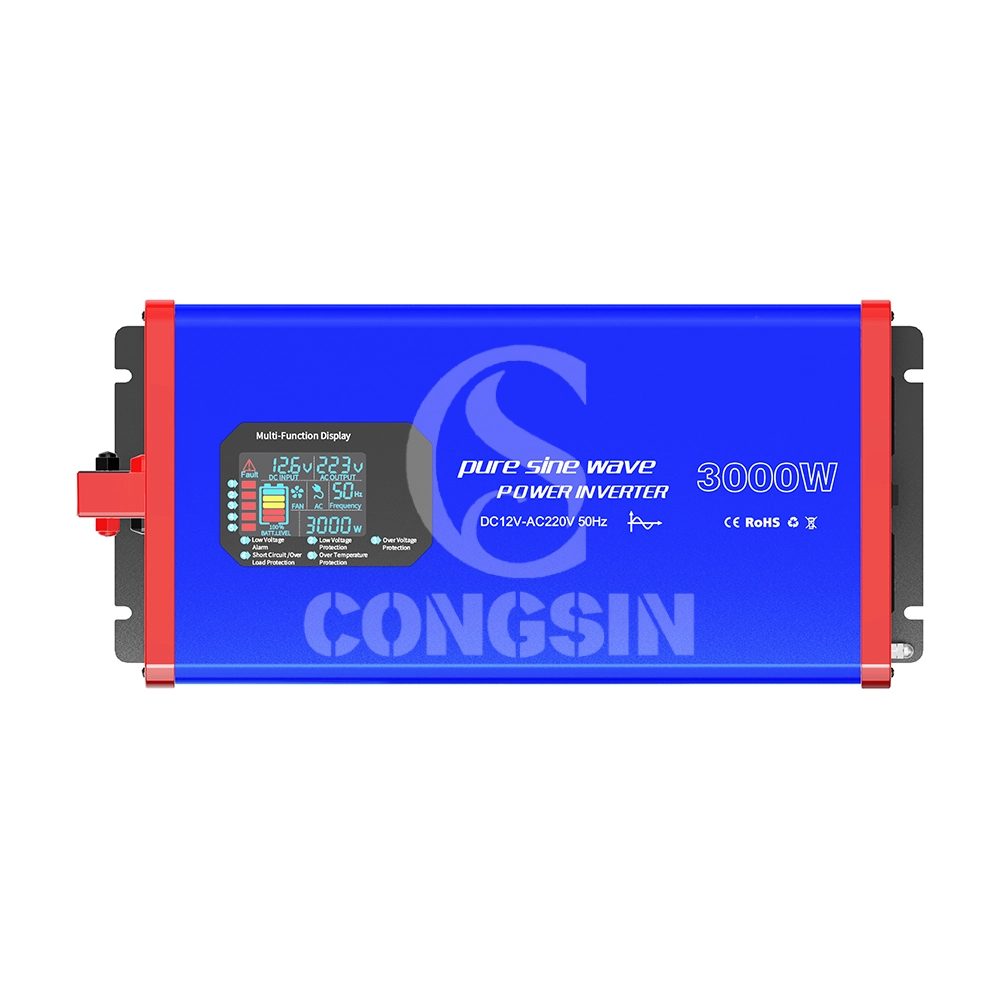
This 3000W full-power pure sine wave inverter (Model: CS3000PSW) adopts pure sine wave output technology (waveform distortion rate <2%), and the output power is highly consistent with mains power quality. It can safely drive high-power precision loads such as air conditioners, refrigerators, medical instruments, and small industrial equipment, avoiding equipment malfunctions or shortened service life caused by unstable waveforms. The device supports DC 12V input (compatible with 10.5V-14.8V wide voltage), continuously outputs 3000W full power, and has a peak power of 6000W, easily coping with the instantaneous startup impact of high-power devices; it is equipped with 4 AC universal sockets (max current 16A) + 2 USB 3.0 fast-charging ports (22.5W per port) to meet the simultaneous power supply needs of multiple devices. Built-in six-fold safety protection (overload, overvoltage, undervoltage, short circuit, overtemperature, reverse connection), combined with dual intelligent silent cooling fans (noise ≤45dB), it achieves the triple advantages of "high power + high safety + low noise," suitable for home emergency, outdoor engineering, vehicle-mounted power supply, small industrial scenarios and other fields.
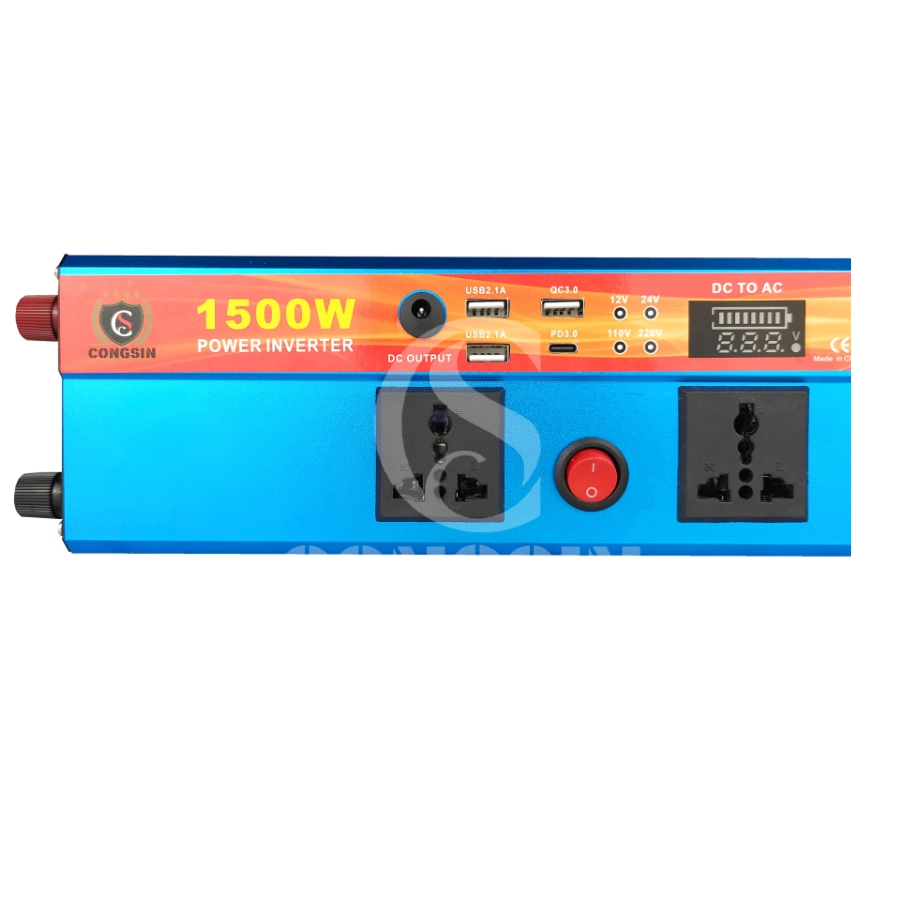
Our CS1000DDBC 1000W modified sine wave inverter is a professional power conversion device that converts DC 12V from batteries into AC 220V electricity. It is designed with user convenience in mind, featuring an LED display for real-time status monitoring, multiple charging ports (3 USB, 1 Type-C, 1 DC 12V) and two universal sockets to power a wide range of devices simultaneously. Its compact size (250×95×55mm) and lightweight design (NW: 0.84kg) make it easy to carry, ideal for outdoor activities, emergency home use, and on-the-go power needs.
Get in Touch with Our Team
You can also communicate with us directly through our online contact form. Please fill in the following information, and our team will contact you as soon as possible after receiving your message.

CONGSIN is a trusted OEM factory for power inverters, solar charge controllers, and DC converters. Reliable solutions for global B2B buyers.
 High Quality
 7/24 Service
 Guaranteed Warranty
© 2025 Congsin. All Rights Reserved.