





How to compare costs of solar inverters from Chinese suppliers?
When considering the purchase of solar inverters from China, it's essential to address specific concerns to ensure a sound investment. Below are six frequently asked questions by beginners, along with detailed answers to guide your decision-making process.
1. What are the typical price ranges for solar inverters from Chinese suppliers?
The cost of solar inverters from China varies based on capacity, type, and features. Here's a breakdown:
- Entry-Level Inverters (3–5kW): Approximately $800–$1,400.
- Mid-Range Inverters (6–10kW): Around $1,500–$2,800.
- Premium Inverters (10kW+): Between $3,000–$6,000.
These prices are influenced by factors such as brand reputation, technological advancements, and additional features.
2. How do I assess the quality and reliability of Chinese solar inverters?
To evaluate the quality and reliability of Chinese solar inverters, consider the following steps:
- Certifications: Ensure the inverter meets international standards like IEC 62109 and IEC 62116.
- Warranty Terms: Opt for inverters with warranties of at least 5 years, preferably extendable to 10 years.
- Supplier Reputation: Research the manufacturer's history, customer reviews, and after-sales support.
- Performance Metrics: Review efficiency ratings and real-world performance data.
For instance, Growatt's MIN 5000-8000TL-XH series offers 98% efficiency and is compatible with lithium batteries, making it a reliable choice.
3. What are the potential hidden costs when purchasing solar inverters from China?
Beyond the initial purchase price, consider these potential hidden costs:
- Shipping and Import Duties: Shipping a 10 kW system from China can cost $2,000–$5,000, with delivery times of 8–12 weeks. Additionally, U.S. buyers may face a 25% tariff plus an 18% anti-dumping duty.
- Installation Expenses: Costs vary based on system complexity and local labor rates.
- Maintenance and Repairs: Consider potential expenses for upkeep and any necessary repairs over the inverter's lifespan.
4. How do I compare costs of solar inverters from different Chinese suppliers?
To effectively compare costs:
- Obtain Multiple Quotes: Reach out to various suppliers to gather a range of prices.
- Evaluate Total Cost of Ownership: Consider not just the upfront price but also installation, maintenance, and potential savings over time.
- Assess Supplier Reliability: Look into the supplier's reputation, warranty terms, and after-sales support.
For example, a 5kW hybrid inverter from Growatt is priced between $350–$360 per unit, while a 6kW off-grid inverter from FCHAO ranges from $94.50–$172.86 per unit, depending on the model and features.
5. Are there significant differences in performance between Chinese and Western-made solar inverters?
While Chinese manufacturers have made significant advancements, there are still differences to consider:
- Technology and Features: Western brands may offer more advanced monitoring systems and integration capabilities.
- Durability and Build Quality: Some Western inverters are known for longer lifespans and robust construction.
- After-Sales Support: Local support and service availability can be more accessible with Western brands.
However, many Chinese inverters now offer competitive performance and features, making them a viable option for many consumers.
6. What are the advantages of purchasing solar inverters from China?
Purchasing from Chinese suppliers offers several benefits:
- Cost Savings: Chinese inverters are often 50–70% cheaper than those sold locally.
- Innovative Technology: Chinese firms invest heavily in R&D, leading to cutting-edge products.
- Customization: Direct suppliers offer tailored solutions to meet specific needs.
By carefully considering these factors, you can make an informed decision when purchasing a solar inverter from China.
For a personalized quote or further assistance, please contact us at info@csinverter.com.


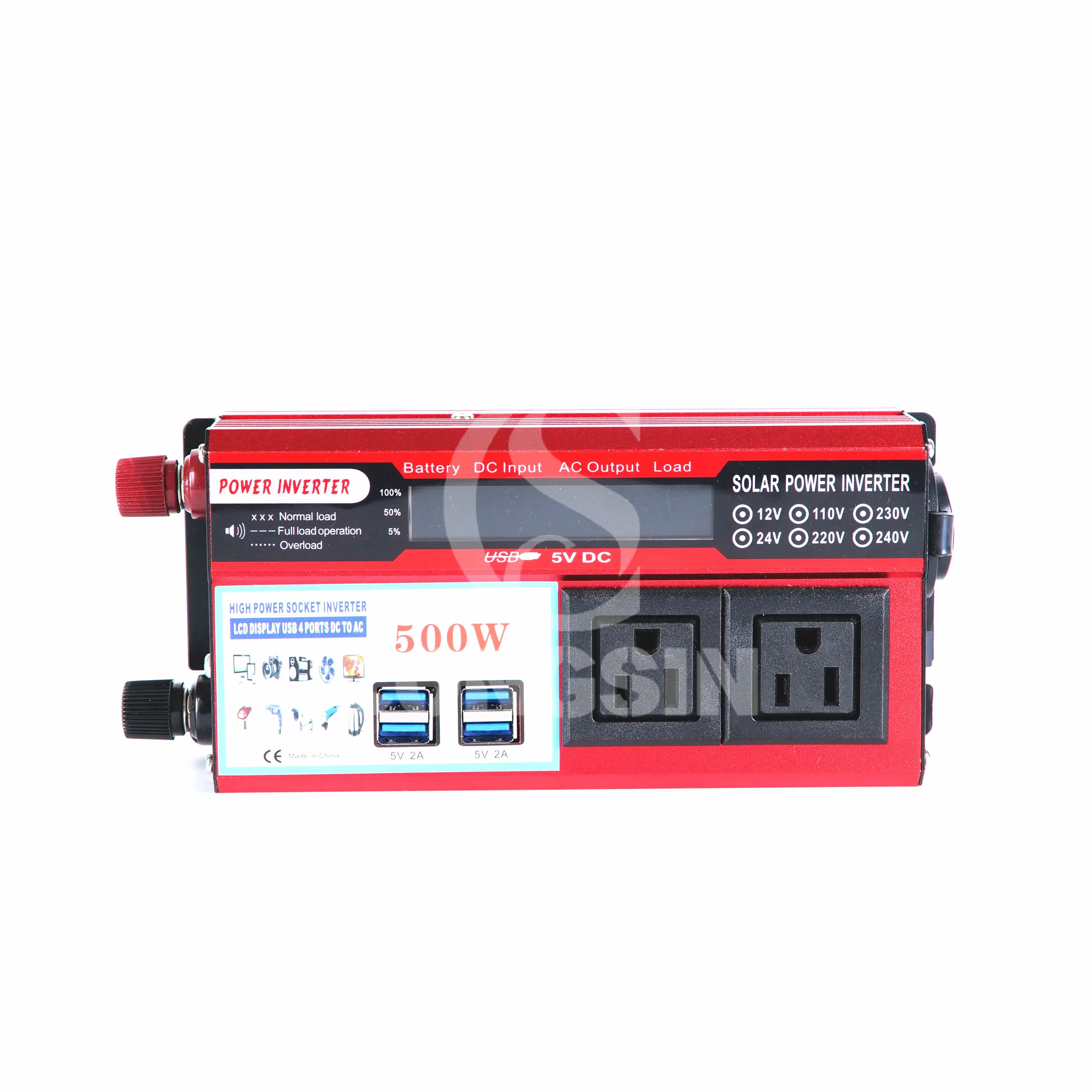
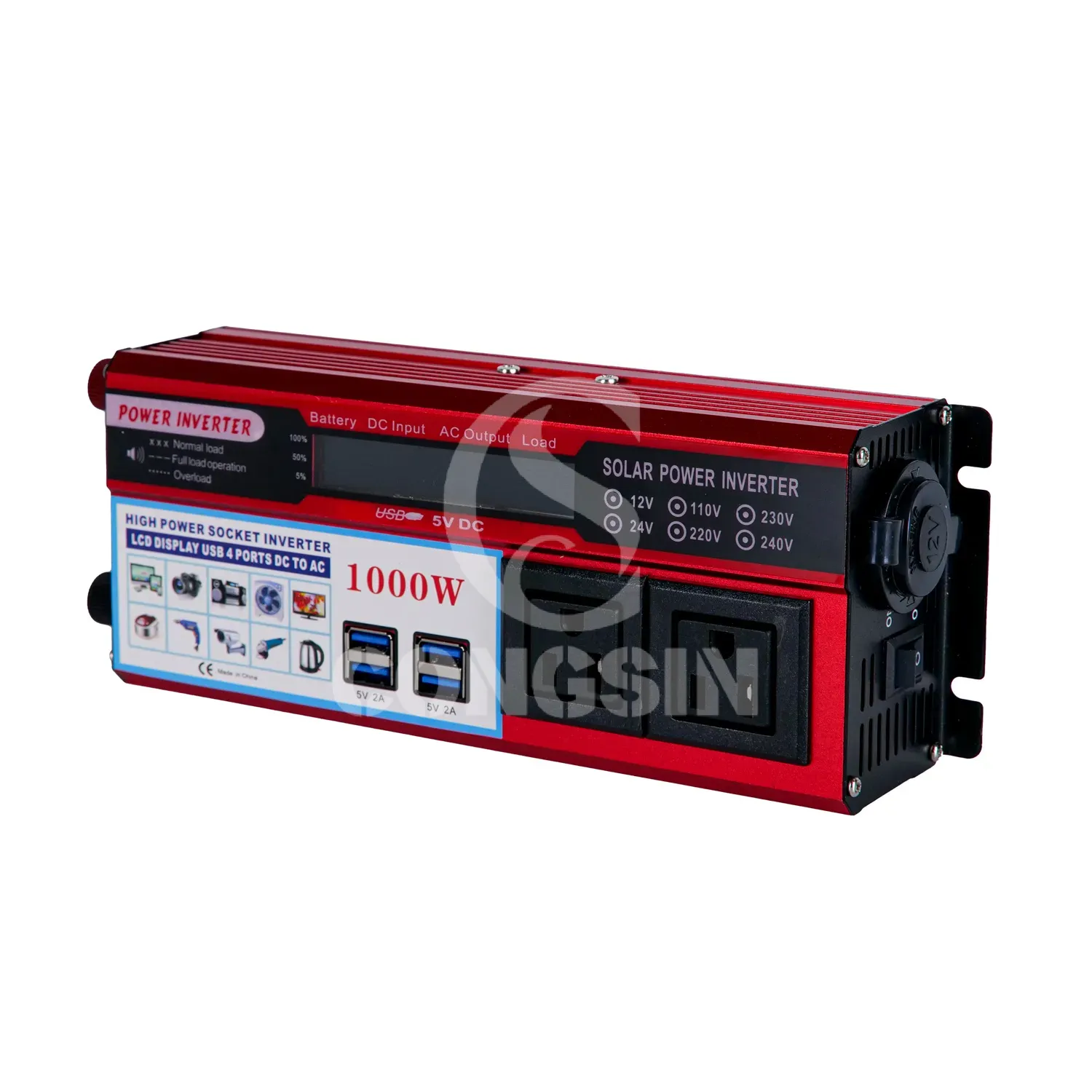
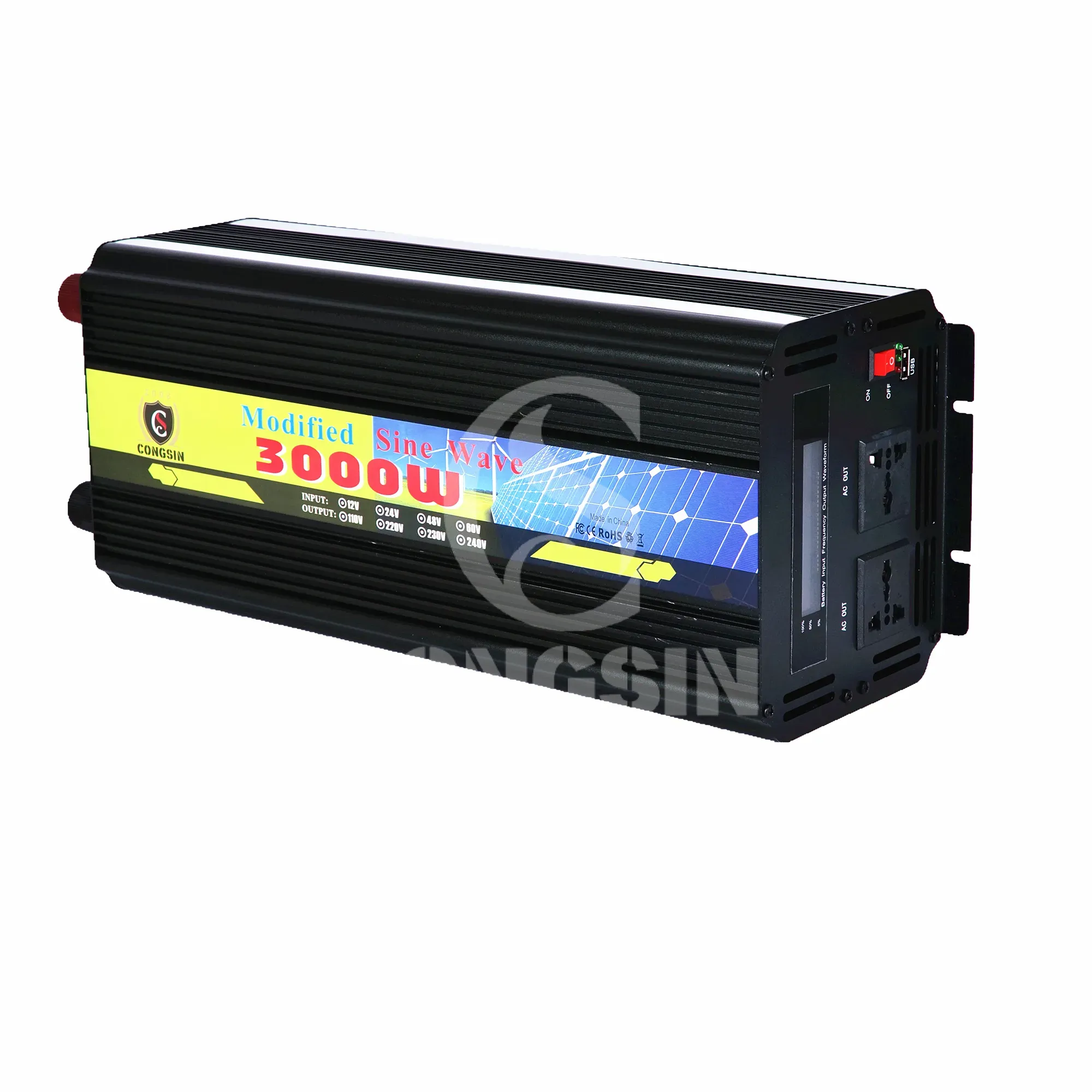
Modified Sine Wave Inverters
What capacity battery can be used with it?
It is recommended to use a 12V 100Ah-200Ah lead-acid battery or lithium battery; the larger the battery capacity, the longer the UPS power supply time (e.g., a 100Ah battery can support a 100W device to work continuously for about 10 hours).
Can this inverter support both 12V and 24V inputs
Yes, it can work with different voltage systems via selectable input terminals.
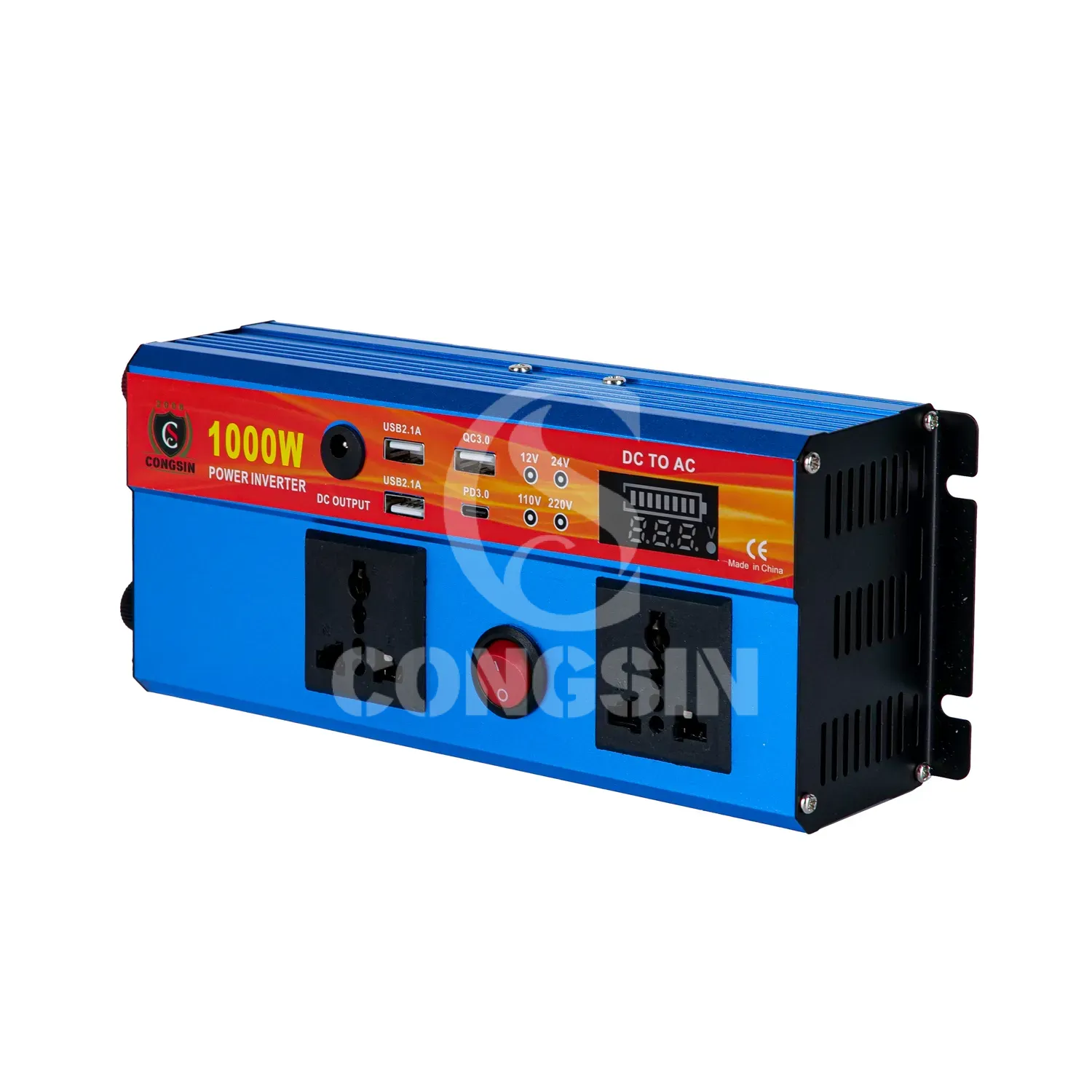
Pure Sine Wave Inverters
Can the 3 AC sockets drive high-power devices at the same time?
Yes, but it is necessary to ensure that the total power of the 3 devices does not exceed 2000W (continuous power). For example, it can drive 1 1000W electric oven + 1 500W microwave + 1 400W printer at the same time (total power 1900W), avoiding total power overload to trigger the protection mechanism.
Can it run inductive loads like fridges or tools?
Yes, pure sine wave output supports all load types.
What capacity battery is needed to drive a 1000W electric kettle?
It is recommended to match with a 12V 100Ah or larger capacity battery. When a 1000W electric kettle is working, the power consumption per hour is about 83Ah (1000W÷12V≈83A), and a 100Ah battery can support continuous work for about 1 hour (actual battery life is affected by battery aging).
Get in Touch with Our Team
You can also communicate with us directly through our online contact form. Please fill in the following information, and our team will contact you as soon as possible after receiving your message.

CONGSIN is a trusted OEM factory for power inverters, solar charge controllers, and DC converters. Reliable solutions for global B2B buyers.
 High Quality
 7/24 Service
 Guaranteed Warranty
© 2025 Congsin. All Rights Reserved.