





How to Choose a Reliable Bidirectional Inverter Manufacturer?
- 1. What are the key factors to consider when selecting a bidirectional inverter manufacturer?
- 2. How can I assess the technological capabilities of a bidirectional inverter manufacturer?
- 3. What are the common challenges in selecting a reliable bidirectional inverter manufacturer?
- 4. How do I verify the compliance of a bidirectional inverter manufacturer with international standards?
- 5. What role does customer feedback play in evaluating a bidirectional inverter manufacturer?
- 6. How can I ensure the cost-effectiveness of a bidirectional inverter manufacturer?
1. What are the key factors to consider when selecting a bidirectional inverter manufacturer?
When choosing a bidirectional inverter manufacturer, consider the following factors:
Product Quality and Reliability: Ensure the manufacturer offers inverters that meet industry standards and have a proven track record of reliability.
Technological Innovation: Opt for manufacturers that invest in research and development to provide advanced features and improved efficiency.
Customer Support and Service: Evaluate the manufacturer's customer service responsiveness, warranty policies, and availability of technical support.
Compliance with Standards: Verify that the manufacturer's products comply with relevant international standards and certifications.
Market Reputation: Research the manufacturer's reputation in the industry, including customer reviews and feedback.
Cost-Effectiveness: Consider the overall value, including initial cost, maintenance expenses, and potential energy savings.
2. How can I assess the technological capabilities of a bidirectional inverter manufacturer?
To assess a manufacturer's technological capabilities:
Product Portfolio Review: Examine the range of inverters offered, focusing on features like efficiency, scalability, and integration with renewable energy sources.
Research and Development Investment: Investigate the manufacturer's commitment to R&D, which indicates a focus on innovation and product improvement.
Industry Certifications: Check for certifications such as ISO 9001, which reflect adherence to quality management systems.
Technological Partnerships: Look for collaborations with reputable technology providers or participation in industry consortia.
Product Testing and Validation: Review the manufacturer's testing procedures and results to ensure product reliability and performance.
3. What are the common challenges in selecting a reliable bidirectional inverter manufacturer?
Common challenges include:
Evaluating Product Performance: Difficulty in obtaining accurate performance data and real-world application results.
Understanding Warranty Terms: Complex warranty policies that may have exclusions or limitations.
Assessing After-Sales Support: Limited information on the quality and availability of customer support services.
Comparing Pricing Models: Variations in pricing structures, including hidden costs or additional fees.
Ensuring Compliance with Local Regulations: Ensuring the manufacturer's products meet local regulatory requirements and standards.
4. How do I verify the compliance of a bidirectional inverter manufacturer with international standards?
To verify compliance:
Request Documentation: Ask the manufacturer for certificates and test reports demonstrating compliance with standards like IEC 62109 for safety and IEC 61683 for performance.
Third-Party Testing: Check if the products have been tested by independent laboratories accredited by recognized bodies.
Regulatory Approvals: Confirm that the manufacturer has obtained necessary approvals from relevant authorities in your region.
Industry Memberships: Membership in industry associations can indicate adherence to best practices and standards.
5. What role does customer feedback play in evaluating a bidirectional inverter manufacturer?
Customer feedback is crucial as it provides insights into:
Product Performance: Real-world experiences regarding efficiency, reliability, and ease of use.
Customer Service Quality: Responsiveness, professionalism, and effectiveness of support services.
Warranty and Support Experiences: Satisfaction with warranty claims and post-purchase support.
Overall Satisfaction: General contentment with the product and the manufacturer's services.
6. How can I ensure the cost-effectiveness of a bidirectional inverter manufacturer?
To ensure cost-effectiveness:
Total Cost of Ownership Analysis: Consider initial purchase price, installation costs, maintenance expenses, and expected lifespan.
Energy Savings Projections: Estimate potential energy savings based on the inverter's efficiency and your energy consumption patterns.
Compare Multiple Manufacturers: Obtain quotes from several manufacturers to assess pricing and value propositions.
Evaluate Financing Options: Explore available financing plans or incentives that can reduce upfront costs.
In conclusion, selecting a reliable bidirectional inverter manufacturer involves thorough evaluation of product quality, technological innovation, customer support, compliance with standards, and cost-effectiveness. By carefully considering these factors, you can make an informed decision that aligns with your energy needs and investment goals.
For a personalized quote or further assistance, please contact us at info@csinverter.com.


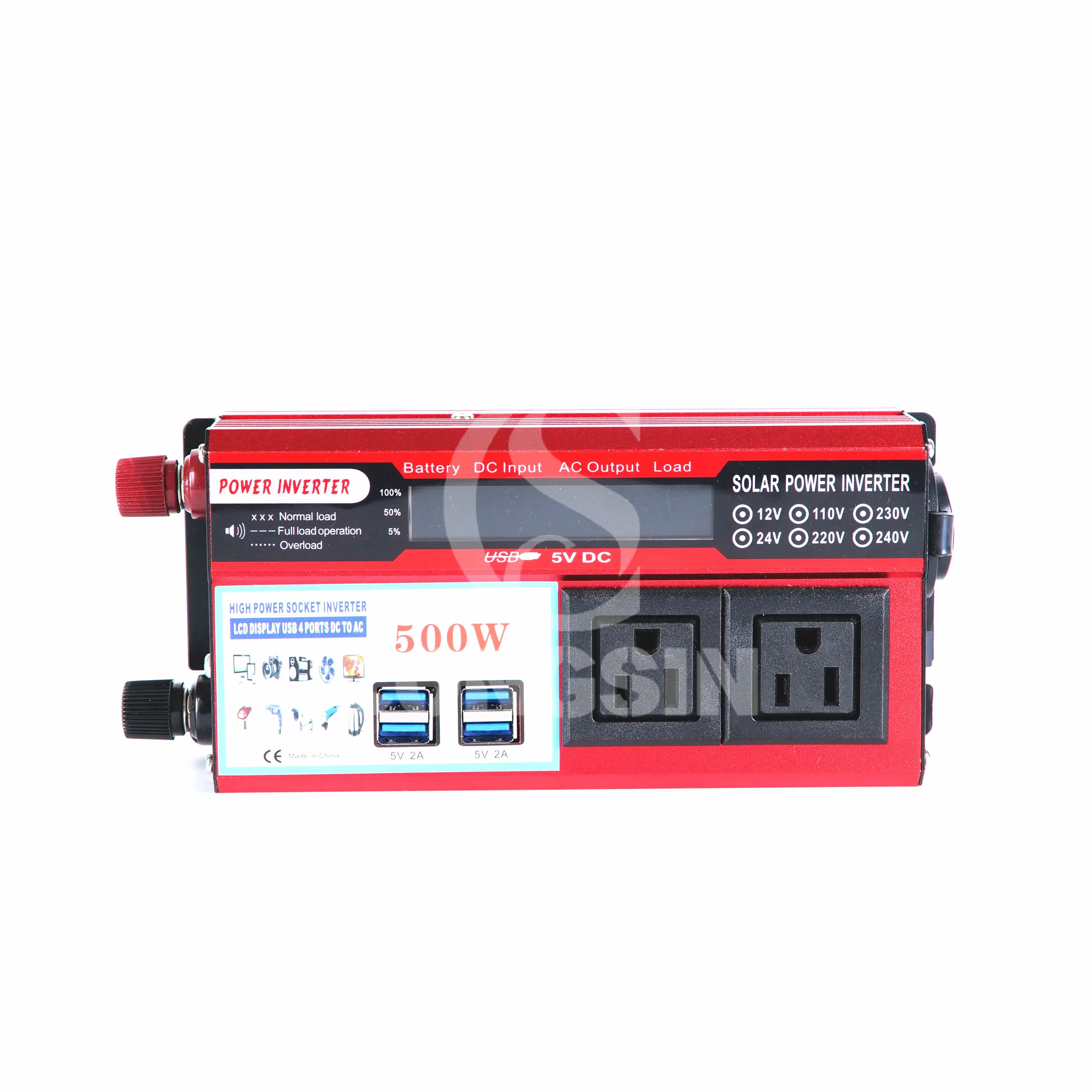
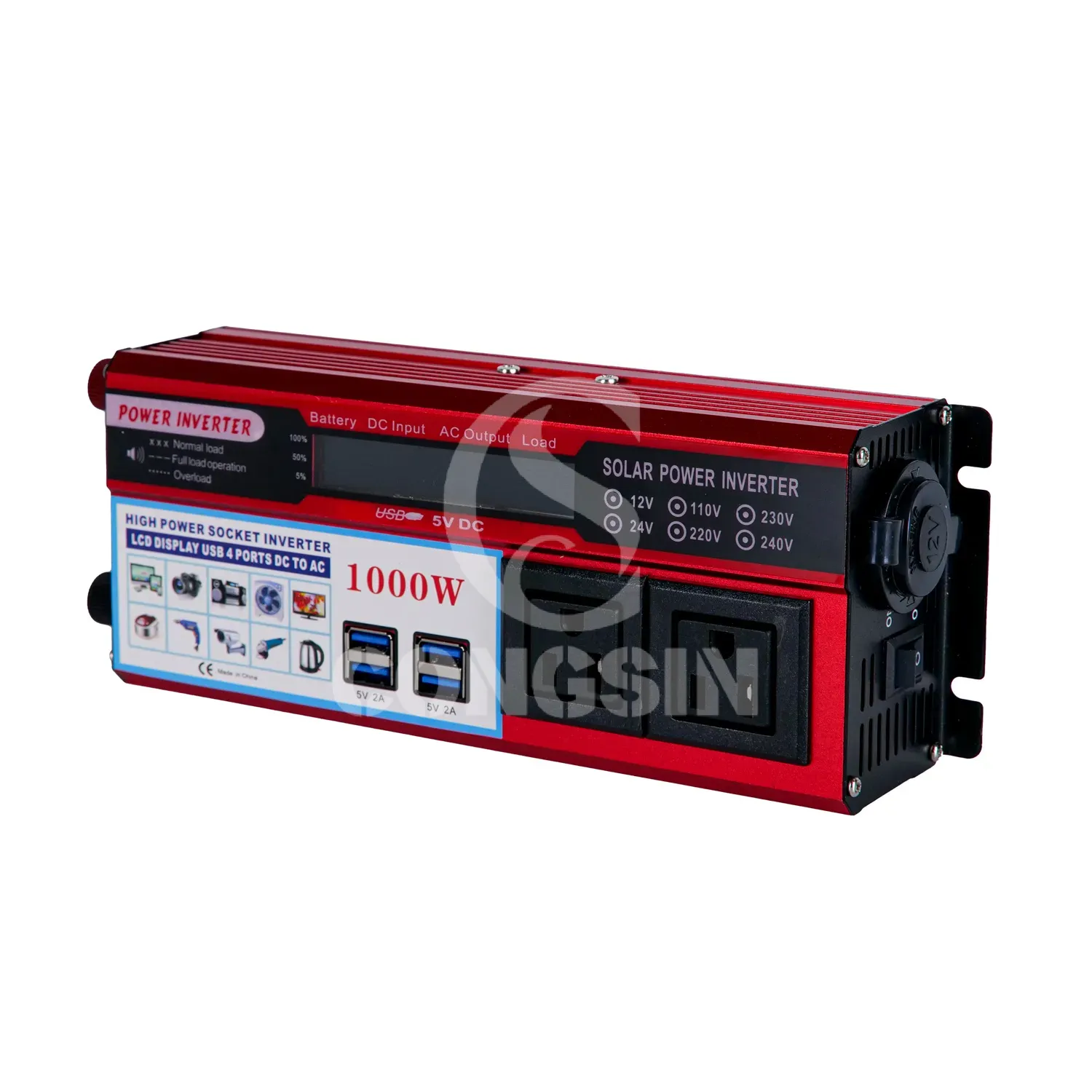
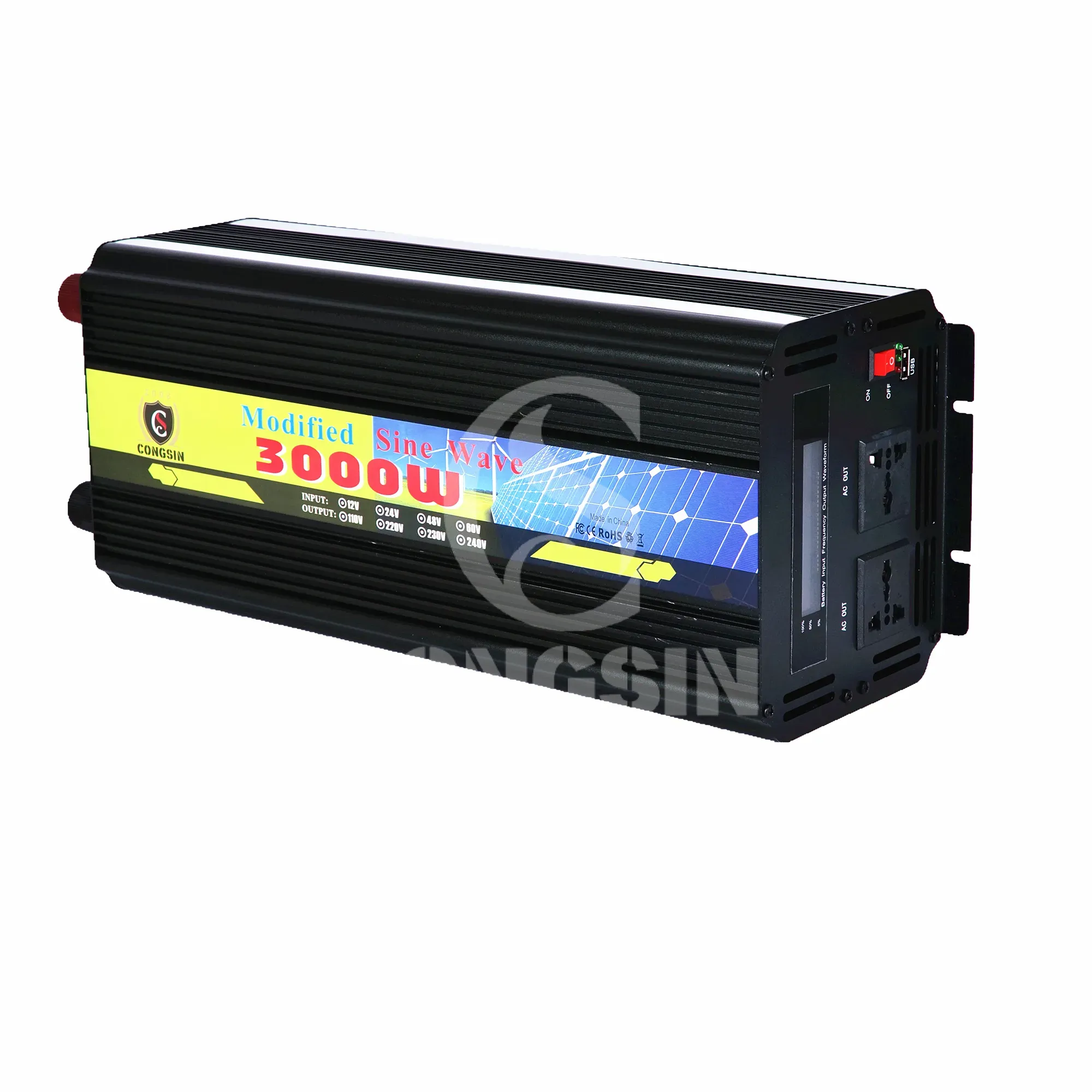
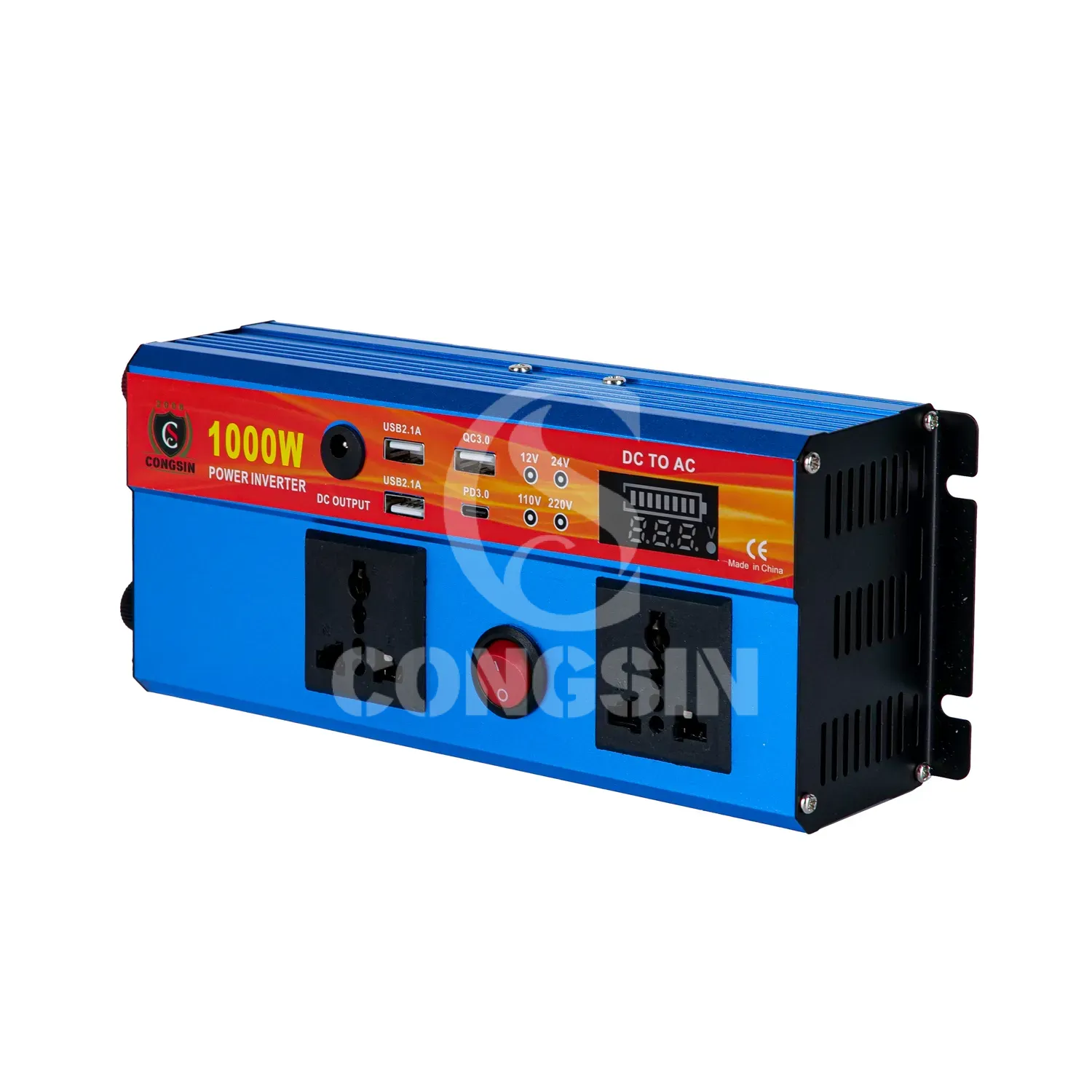
Modified Sine Wave Inverters
What is the working principle of the UPS function?
When the external power supply is normal, the inverter powers the device and charges the battery; when the external power supply is interrupted, it automatically switches to battery power to ensure uninterrupted operation of the device.
Can other input voltages be customized?
Yes, the regular is DC12V, and DC24V, etc. can be customized. Please consult customer service for details.
Which types of batteries can it be used with?
It is suitable for common DC batteries such as 12V lead-acid batteries and lithium batteries. Please ensure the battery voltage matches the inverter's input voltage before use.
What is the difference between modified sine wave and pure sine wave?
Modified sine wave is suitable for most ordinary home appliances and electronic devices; pure sine wave is suitable for devices with extremely high power requirements (such as precision instruments). This modified sine wave is more cost-effective and meets the needs of most daily scenarios.
What devices can this inverter support?
It can power laptops, phones, cameras, and other small appliances.
Get in Touch with Our Team
You can also communicate with us directly through our online contact form. Please fill in the following information, and our team will contact you as soon as possible after receiving your message.

CONGSIN is a trusted OEM factory for power inverters, solar charge controllers, and DC converters. Reliable solutions for global B2B buyers.
 High Quality
 7/24 Service
 Guaranteed Warranty
© 2025 Congsin. All Rights Reserved.