





How to ensure QC when importing solar inverters from China?
Importing solar inverters from China offers access to a wide range of products at competitive prices. However, ensuring quality control (QC) is paramount to avoid potential issues such as system inefficiencies, safety hazards, and compliance violations. Below are six specific questions frequently asked by beginners, along with detailed answers to guide you through the process.
1. How can I verify the authenticity of a Chinese solar inverter manufacturer's certifications?
Authenticating a manufacturer's certifications is crucial to ensure product quality and compliance with international standards. Here's how you can verify them:
Request Certification Documents: Ask the manufacturer for copies of their certifications, such as IEC 61215 (design and quality testing), IEC 61730 (electrical safety), and TÜV certification (independent third-party audit).
Cross-Check with Issuing Authorities: Contact the certifying bodies directly or visit their official websites to verify the authenticity of the certificates.
Third-Party Verification Services: Utilize third-party services that specialize in verifying international certifications to ensure their validity.
By thoroughly verifying certifications, you can ensure that the solar inverters meet the required quality and safety standards.
2. What are the key quality control measures to implement when importing solar inverters from China?
Implementing effective quality control measures is essential to ensure the reliability and performance of imported solar inverters. Consider the following steps:
Supplier Audits: Conduct comprehensive audits of potential suppliers to assess their manufacturing processes, quality management systems, and adherence to industry standards.
Product Sampling and Testing: Before placing a bulk order, request samples and perform rigorous testing to evaluate performance, durability, and compliance with specifications.
Third-Party Inspections: Engage independent inspection agencies to perform quality checks during various stages of production and before shipment.
Clear Contractual Agreements: Establish detailed contracts specifying quality standards, testing protocols, and penalties for non-compliance to hold suppliers accountable.
Implementing these measures helps mitigate risks associated with importing solar inverters and ensures product quality.
3. How can I assess the reliability and reputation of a Chinese solar inverter manufacturer?
Evaluating a manufacturer's reliability and reputation involves:
Company History and Experience: Research the manufacturer's years in business, market presence, and experience in producing solar inverters.
Customer Reviews and Testimonials: Seek feedback from previous clients regarding product performance, after-sales service, and overall satisfaction.
Industry Certifications and Awards: Verify any industry-recognized certifications, awards, or accolades that attest to the manufacturer's quality and innovation.
Financial Stability: Assess the manufacturer's financial health to ensure they can fulfill large orders and provide ongoing support.
A thorough evaluation of these factors provides confidence in the manufacturer's ability to deliver quality products.
4. What are the common pitfalls to avoid when importing solar inverters from China?
To ensure a successful import experience, be aware of and avoid the following pitfalls:
Neglecting Due Diligence: Failing to thoroughly research and vet suppliers can lead to issues with product quality and reliability.
Overlooking Compliance Requirements: Not ensuring that products meet local regulations and standards can result in legal complications and additional costs.
Ignoring Warranty and Support Terms: Not clarifying warranty terms and after-sales support can lead to difficulties in addressing product issues post-purchase.
Underestimating Shipping and Import Costs: Not accounting for all associated costs, including shipping, tariffs, and taxes, can affect the overall profitability of the import.
Avoiding these pitfalls requires careful planning, thorough research, and clear communication with suppliers.
5. How can I ensure that imported solar inverters are compatible with my local grid and regulations?
Ensuring compatibility involves:
Understanding Local Standards: Familiarize yourself with local grid codes, voltage, frequency, and other technical requirements.
Consulting with Local Authorities: Engage with local energy regulators or utility companies to confirm that the imported inverters meet all necessary standards.
Manufacturer's Support: Verify that the manufacturer provides inverters that are certified for use in your region and can offer technical support if needed.
Ensuring compatibility is crucial for the safe and efficient operation of solar inverters within your local infrastructure.
6. What are the best practices for negotiating contracts with Chinese solar inverter manufacturers?
Effective contract negotiation includes:
Clear Specifications: Define product specifications, quality standards, and performance criteria in detail.
Payment Terms: Agree on payment schedules, methods, and conditions that protect both parties.
Delivery and Shipping: Outline delivery timelines, shipping methods, and responsibilities for customs clearance.
Warranty and Support: Specify warranty periods, coverage, and after-sales support services.
Dispute Resolution: Establish procedures for resolving disputes, including jurisdiction and arbitration methods.
A well-negotiated contract provides a clear framework for the transaction and helps prevent misunderstandings.
By addressing these questions and implementing the recommended practices, you can navigate the complexities of importing solar inverters from China and ensure a successful and secure acquisition.
For personalized assistance and to receive a quote tailored to your needs, please contact us at info@csinverter.com or visit our website at www.csinverter.com.


Pure Sine Wave Inverters
What happens if the positive and negative poles are reversed when connecting the battery?
The device features built-in reverse polarity protection. If the positive and negative terminals are connected incorrectly, the circuit will automatically disconnect to prevent damage to the equipment. Simply adjust the battery clip connections (red clip to positive terminal, black clip to negative terminal), then restore power to resume normal operation.
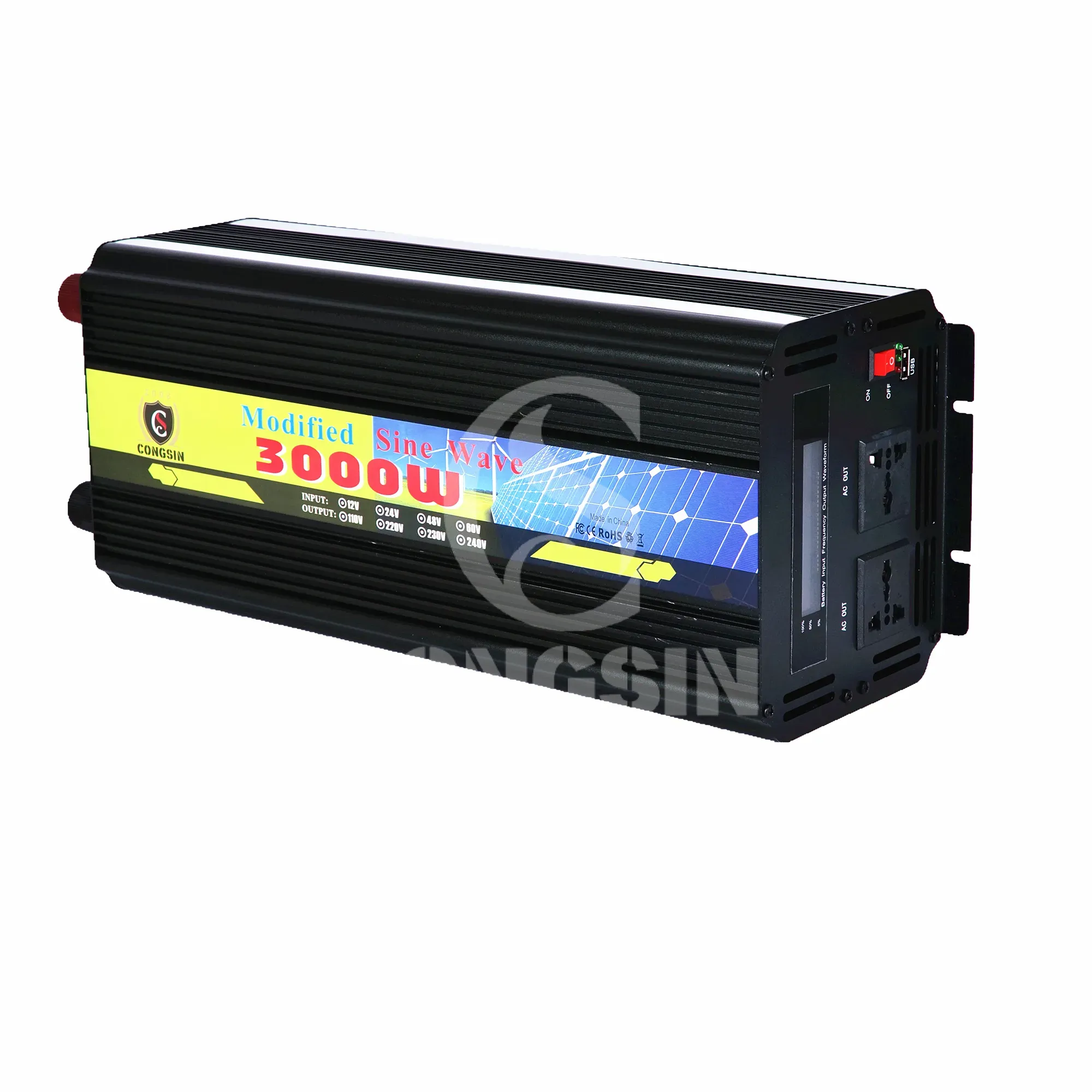
What is the difference between labeled 6000W and full power 3000W?
Labeled 6000W is peak power, which is only used to cope with the instantaneous high-power demand during device startup (such as air conditioner, motor startup); full power 3000W is continuous power, referring to the power that the device can stably output for a long time. When driving appliances daily, 3000W should be used as a reference to avoid total power overload.
Can it be used in RVs or trucks?
Yes. The device input voltage is DC 12V, which matches the battery voltage of RVs and trucks. It can be connected via battery clips or cigarette lighter interface (need to confirm that the maximum current of the cigarette lighter is ≥10A) to supply power to car refrigerators, parking air conditioners, laptops, etc.
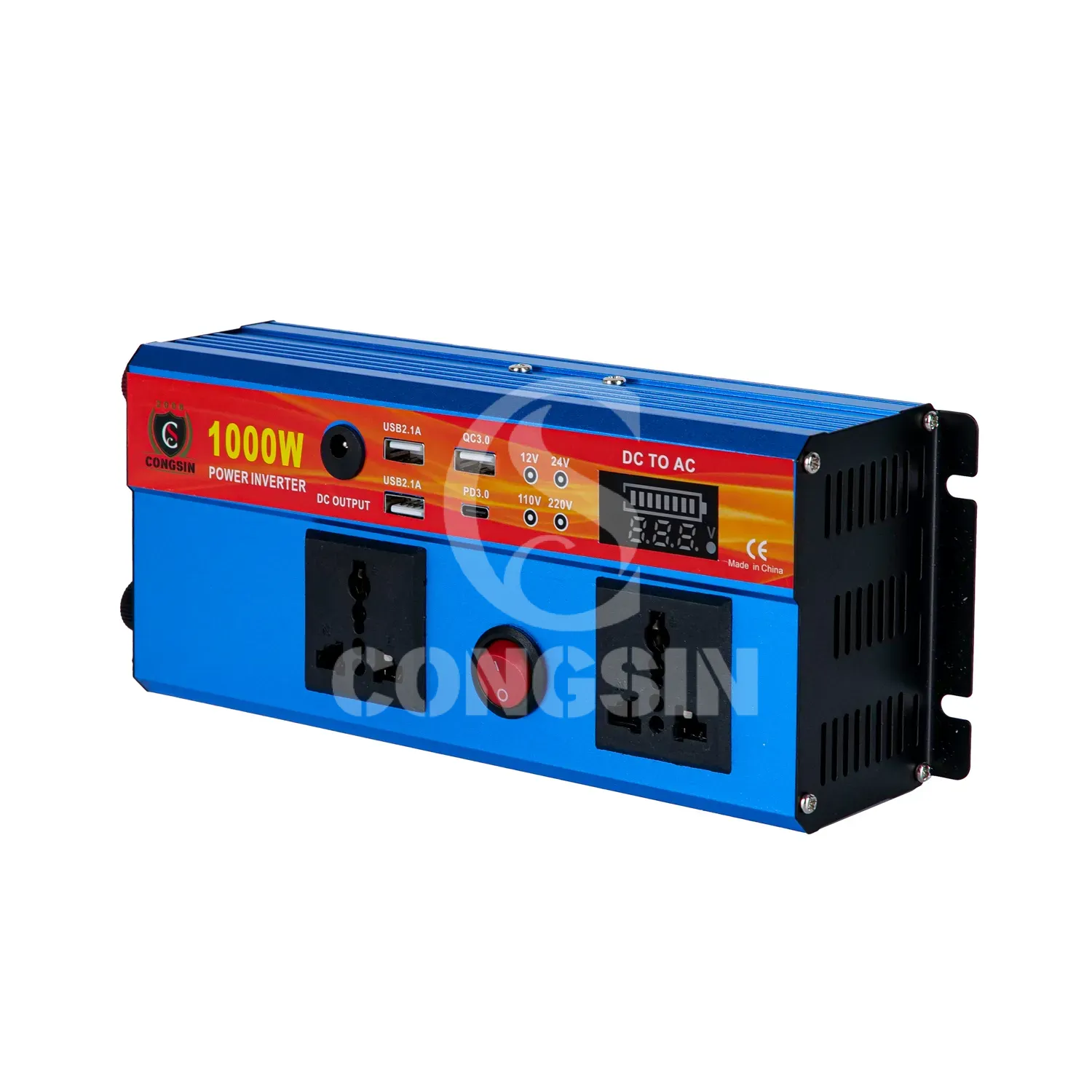
What capacity battery is needed to drive a 1000W electric kettle?
It is recommended to match with a 12V 100Ah or larger capacity battery. When a 1000W electric kettle is working, the power consumption per hour is about 83Ah (1000W÷12V≈83A), and a 100Ah battery can support continuous work for about 1 hour (actual battery life is affected by battery aging).
Modified Sine Wave Inverters
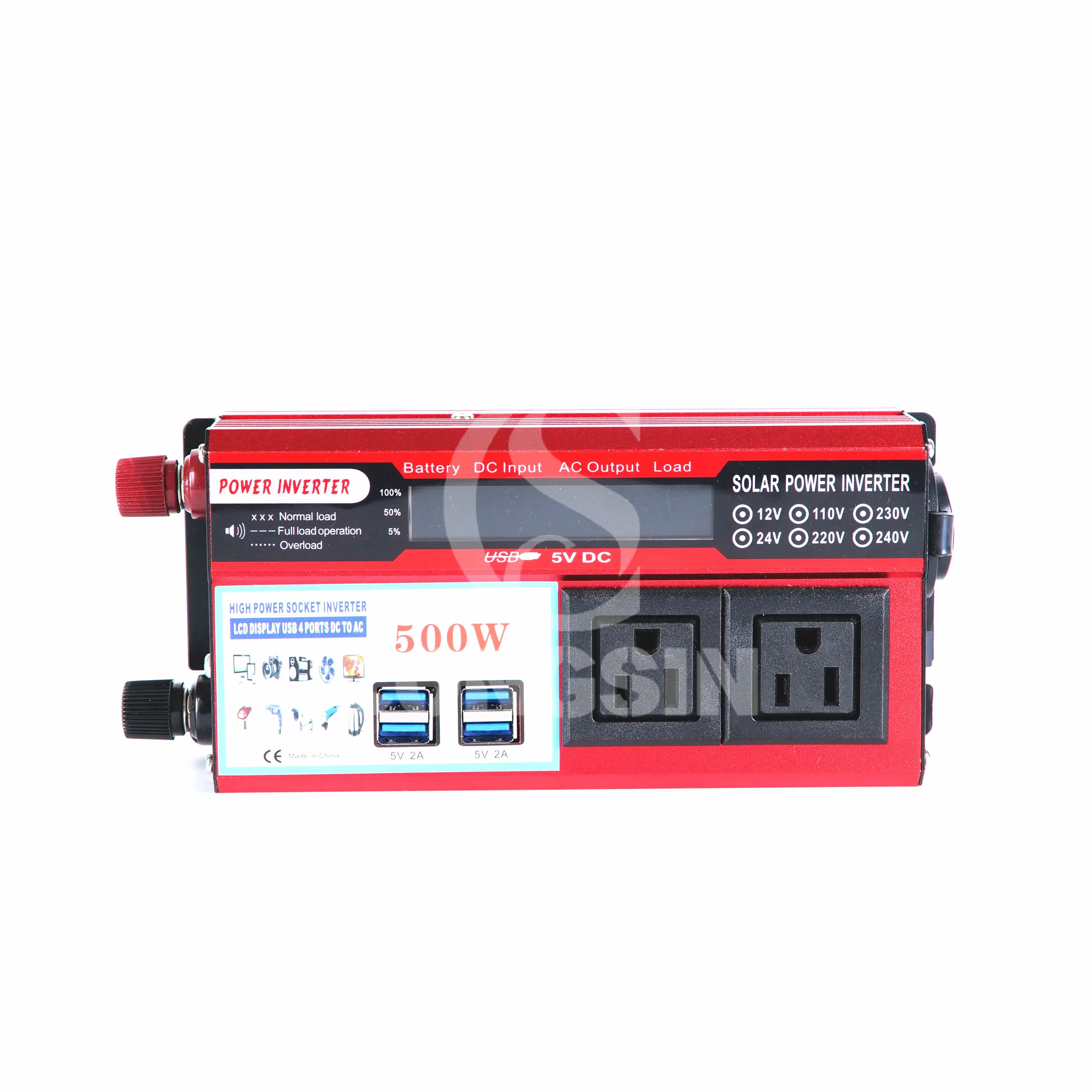
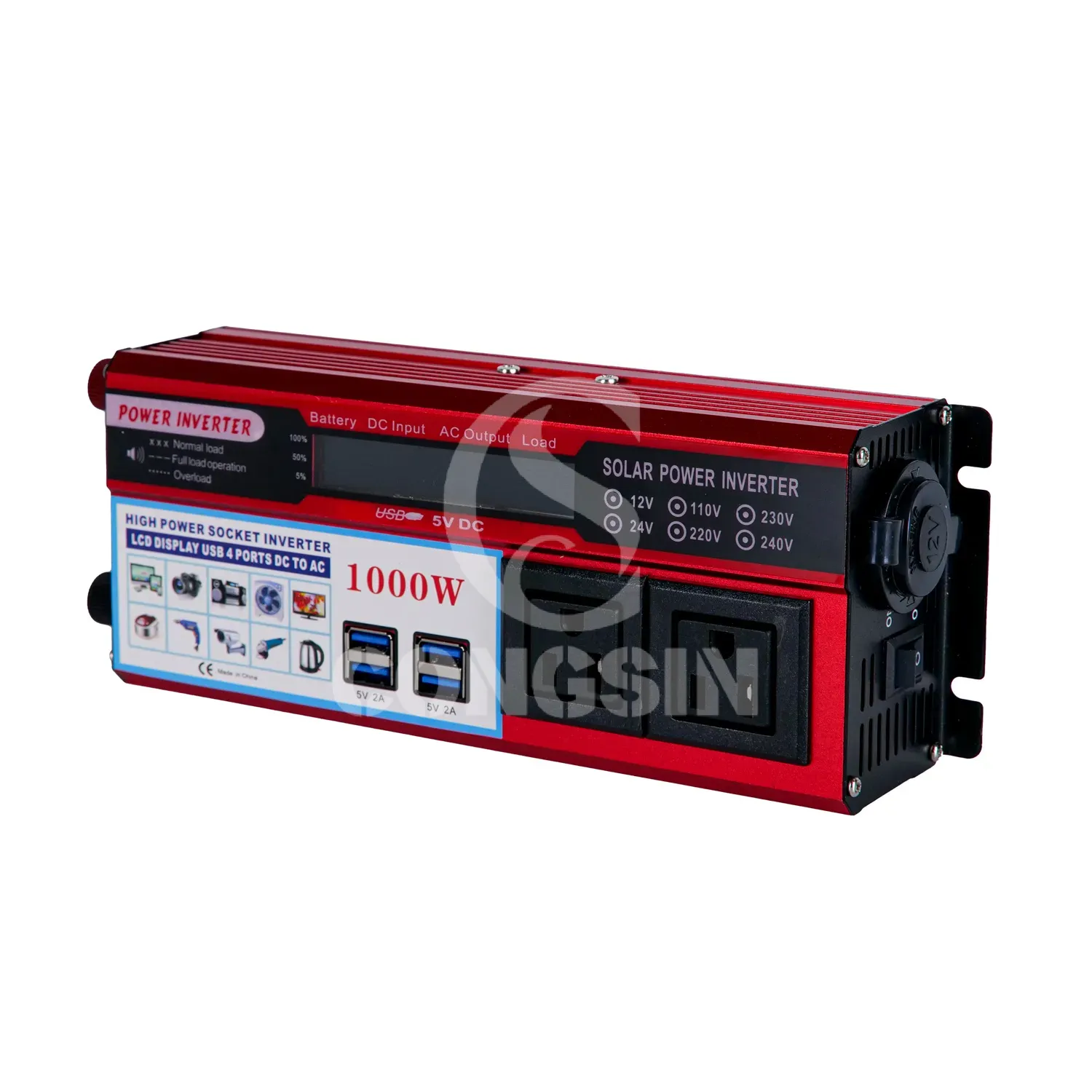
What devices can be powered by this inverter?
Suitable for TVs, fans, computers, and small tools.
Get in Touch with Our Team
You can also communicate with us directly through our online contact form. Please fill in the following information, and our team will contact you as soon as possible after receiving your message.

CONGSIN is a trusted OEM factory for power inverters, solar charge controllers, and DC converters. Reliable solutions for global B2B buyers.
 High Quality
 7/24 Service
 Guaranteed Warranty
© 2025 Congsin. All Rights Reserved.