





How to maintain and extend the life of an inverter in a vehicle?
- Understanding Vehicle Power Inverters
- 1. What is the typical lifespan of a vehicle power inverter?
- 2. How can I maintain my vehicle's power inverter to extend its life?
- 3. What are the signs that my vehicle's power inverter may be failing?
- 4. How does the quality of the inverter affect its lifespan?
- 5. How does environmental temperature impact the lifespan of a vehicle power inverter?
- 6. What maintenance tasks can I perform myself, and when should I seek professional assistance?
- 7. How does the battery type in my vehicle affect the performance of the power inverter?
- 8. What are the potential costs associated with maintaining a vehicle power inverter?
- Conclusion: Why Choose Congsin for Your Power Inverter Needs
- References
Understanding Vehicle Power Inverters
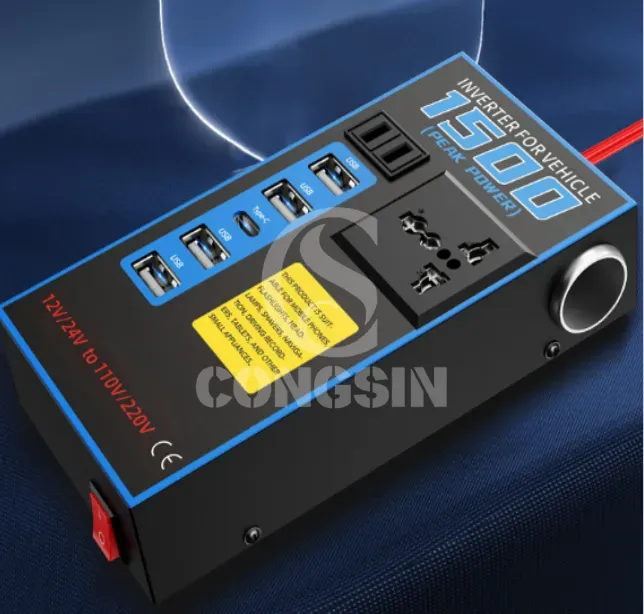
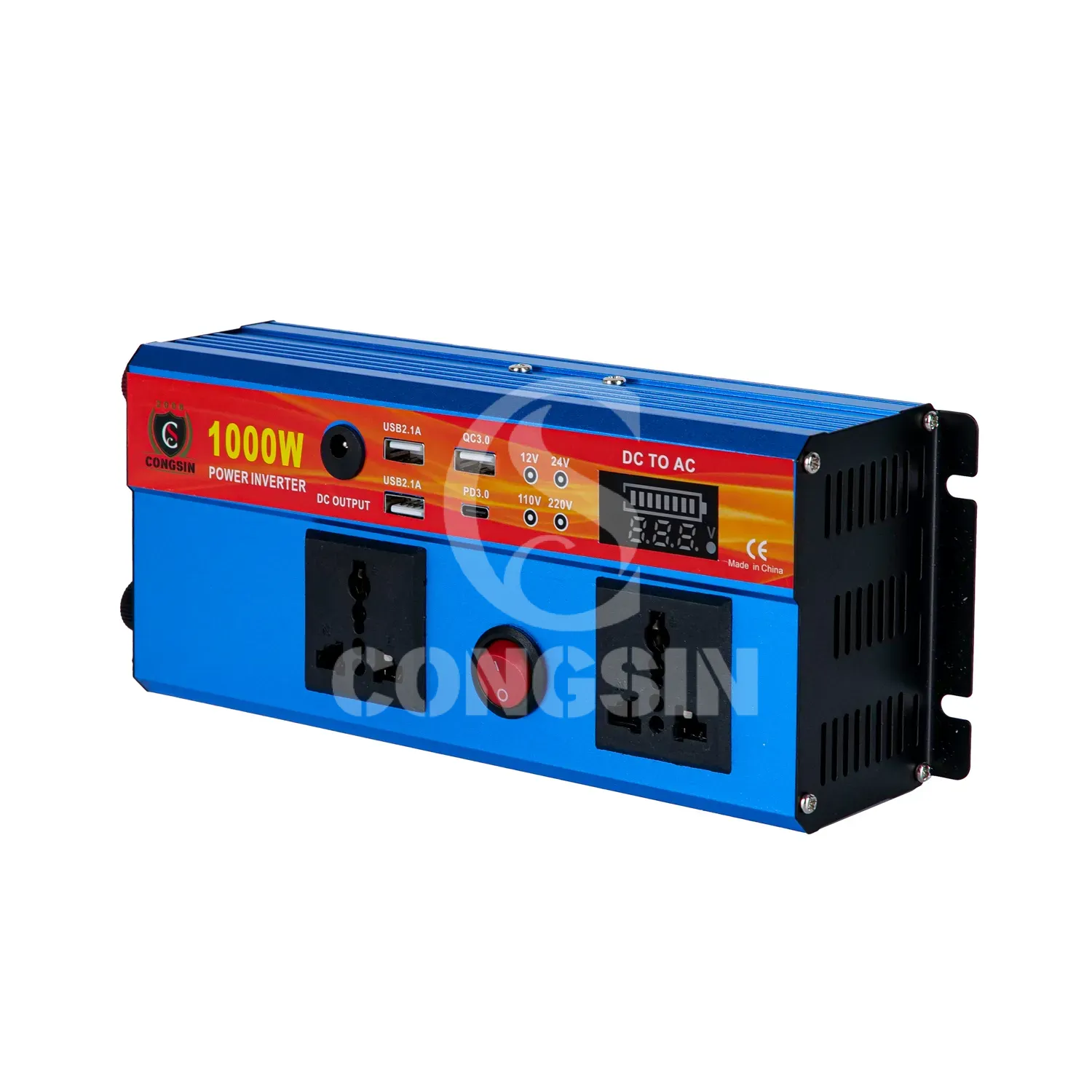
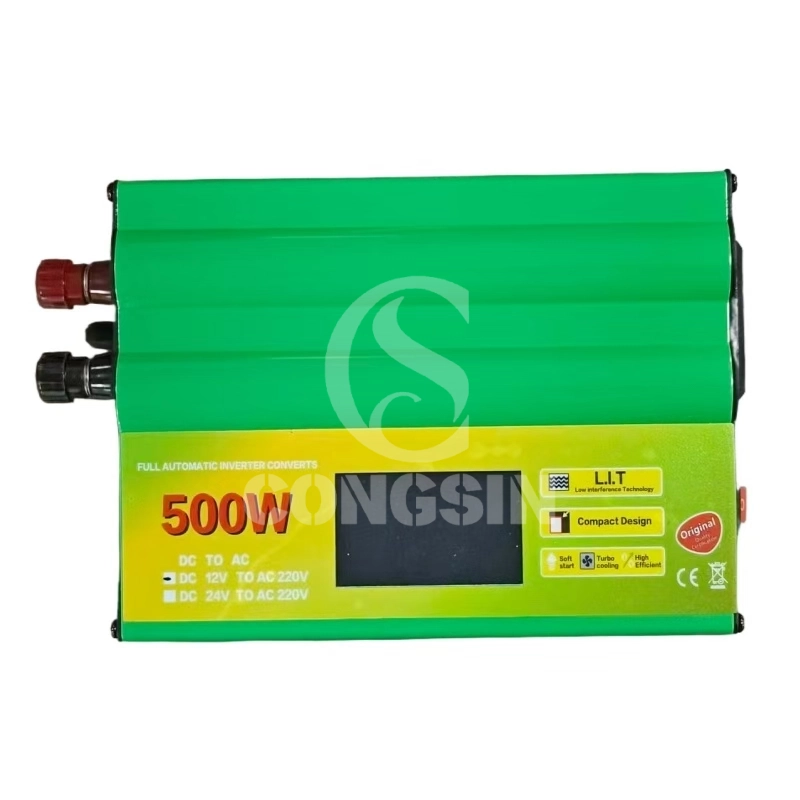
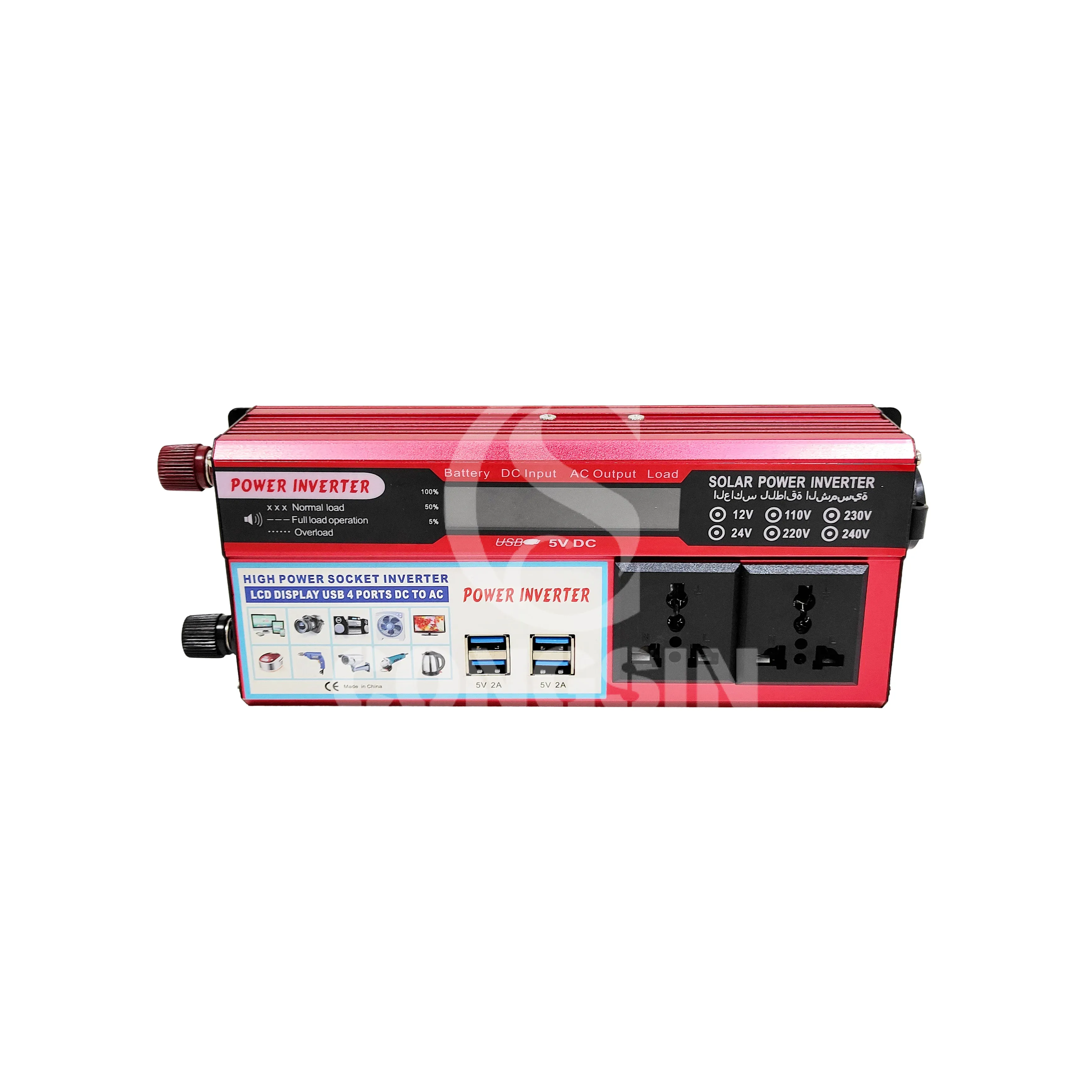
Vehicle power inverters are devices that convert the direct current (DC) from your vehicle's battery into alternating current (AC), allowing you to power household appliances and electronic devices while on the road. Proper maintenance of these inverters is crucial for their longevity and optimal performance.
1. What is the typical lifespan of a vehicle power inverter?
The lifespan of a vehicle power inverter varies based on factors such as quality, usage, and environmental conditions. On average, well-made inverters can last between 5 to 15 years. However, with proper maintenance and care, some inverters may exceed this range.
2. How can I maintain my vehicle's power inverter to extend its life?
To prolong the lifespan of your vehicle's power inverter, consider the following maintenance practices:
Regular Cleaning: Periodically clean the inverter to remove dust and debris, which can obstruct airflow and cause overheating. Ensure that vents and cooling fans are free from obstructions.
Monitor Load Capacity: Avoid overloading the inverter by ensuring that the total wattage of connected devices does not exceed its rated capacity. Overloading can lead to overheating and potential damage.
Inspect Wiring and Connections: Regularly check all wiring and connections for signs of wear, corrosion, or loose connections. Faulty wiring can lead to inefficiencies and potential hazards.
Environmental Considerations: Install the inverter in a well-ventilated, dry area away from direct sunlight and moisture. Extreme temperatures and humidity can negatively impact inverter performance and lifespan.
3. What are the signs that my vehicle's power inverter may be failing?
Common indicators of a failing power inverter include:
Frequent Fault Codes or Shutdowns: The inverter may display error codes or shut down unexpectedly due to overheating or internal faults.
Decreased Power Output: A noticeable reduction in the power supplied to connected devices can indicate internal issues.
Unusual Noises: Strange sounds, such as humming or crackling, may suggest internal component wear.
Display Malfunctions: Frozen displays or loss of monitoring capabilities can be a sign of electronic failures.
4. How does the quality of the inverter affect its lifespan?
The quality of the inverter plays a significant role in its longevity. High-quality inverters, often from reputable manufacturers, are designed with superior components and undergo rigorous testing, leading to longer lifespans and better performance. Investing in a quality inverter can provide more reliable service over time.
5. How does environmental temperature impact the lifespan of a vehicle power inverter?
Environmental temperature has a direct effect on the performance and lifespan of a power inverter. High temperatures can accelerate component degradation, while extremely low temperatures can cause condensation and potential short circuits. It's essential to install the inverter in a temperature-controlled environment to ensure optimal performance and longevity.
6. What maintenance tasks can I perform myself, and when should I seek professional assistance?
As a vehicle owner, you can perform basic maintenance tasks such as cleaning the inverter, checking for loose connections, and ensuring proper ventilation. However, for complex issues or if you notice signs of failure, it's advisable to consult a professional technician to prevent further damage and ensure safety.
7. How does the battery type in my vehicle affect the performance of the power inverter?
The type of battery in your vehicle influences the efficiency and reliability of the power inverter. For instance, lithium-ion batteries offer higher energy density and longer lifespan compared to traditional lead-acid batteries, leading to more efficient inverter performance.
8. What are the potential costs associated with maintaining a vehicle power inverter?
Maintenance costs can vary depending on the inverter's size, usage frequency, and environmental factors. Regular inspections and minor repairs may cost between $100–$500 annually. Proactive maintenance can reduce unexpected failures and extend the system's lifespan by 30–50%.
Conclusion: Why Choose Congsin for Your Power Inverter Needs
Congsin offers high-quality power inverters designed for durability and efficiency. With a commitment to excellence and customer satisfaction, Congsin provides reliable solutions to meet your power needs, ensuring long-term performance and peace of mind.
References
(https://www.wehopower.com/news/how-long-do-power-inverters-last)
(https://www.cninverter.com/how-to-maintain-your-rv-power-inverter-for-long-term-use)
(https://carspa.cc/essential-maintenance-tips-for-rvpower-inverters-and-batteries/)
(https://www.inverter.com/how-to-extend-the-life-of-a-power-inverter)
(https://leaptrend.com/blogs/news/how-long-will-a-power-inverter-last)
(https://elsonpower.com/what-is-the-maximum-life-of-an-inverter/)
(https://tikweld.com/blog/how-to-maintain-your-inverter-battery-for-longevity/)


Pure Sine Wave Inverters
What capacity battery is needed to meet long-term use?
It needs to be calculated according to the total power of the device, the formula is "Battery Capacity (Ah) = Total Device Power (W) × Usage Time (h) ÷ Input Voltage (12V)". For example, to drive a 1000W device for 5 hours, the required battery capacity = 1000×5÷12≈417Ah, it is recommended to use 2 200Ah batteries in parallel (total capacity 400Ah, actual usage about 4.8 hours).
Products
Can this inverter run a refrigerator or power tools?
Recommended load ≤80% of rated power. For inductive loads, use a pure sine wave model.
Can I customize the logo?
Yes, OEM/ODM service is available.
Modified Sine Wave Inverters
What power range of devices can it supply?
It supports devices within 360W in UPS mode and within 500W in regular mode. Ensure the device power does not exceed the corresponding limit.
Do you support OEM branding?
Yes, we offer logo, packaging, and label customization.
Get in Touch with Our Team
You can also communicate with us directly through our online contact form. Please fill in the following information, and our team will contact you as soon as possible after receiving your message.

CONGSIN is a trusted OEM factory for power inverters, solar charge controllers, and DC converters. Reliable solutions for global B2B buyers.
 High Quality
 7/24 Service
 Guaranteed Warranty
© 2025 Congsin. All Rights Reserved.