




How to choose the best bidirectional solar inverter for homes?
- 1. What is a bidirectional solar inverter, and how does it differ from traditional inverters?
- 2. How do I determine the appropriate power capacity for a bidirectional solar inverter in my home?
- 3. What are the key features to look for in a bidirectional solar inverter for residential use?
- 4. How does the efficiency of a bidirectional solar inverter impact my home's energy savings?
- 5. What are the installation and maintenance considerations for a bidirectional solar inverter?
- 6. How do I assess the cost-effectiveness of a bidirectional solar inverter for my home?
1. What is a bidirectional solar inverter, and how does it differ from traditional inverters?
A bidirectional solar inverter is a device that not only converts direct current (DC) from solar panels into alternating current (AC) for household use but also allows for the reverse process. This means it can convert AC from the grid or other sources back into DC to charge batteries or feed energy back into the grid. This two-way energy flow enables homeowners to store excess solar energy for later use, enhancing energy independence and potentially reducing electricity costs.
In contrast, traditional inverters only perform the first function, converting DC to AC, without the capability to manage energy storage or grid interaction. The bidirectional nature of these inverters makes them particularly valuable in systems designed for energy storage and management.
2. How do I determine the appropriate power capacity for a bidirectional solar inverter in my home?
Selecting the right power capacity for your bidirectional solar inverter involves assessing your household's energy consumption and solar energy production. Start by reviewing your monthly electricity bills to understand your average energy usage in kilowatt-hours (kWh). This will provide a baseline for the inverter's required capacity.
Next, consider the output of your solar panel system. The inverter should be capable of handling the maximum potential output from your panels to ensure efficient energy conversion. For instance, if your solar panels can produce up to 10 kW, your inverter should have a capacity that matches or exceeds this output.
It's also important to account for future energy needs or potential system expansions. Choosing an inverter with a slightly higher capacity than your current requirements can provide flexibility for growth and ensure the system operates efficiently under varying conditions.
3. What are the key features to look for in a bidirectional solar inverter for residential use?
When evaluating bidirectional solar inverters for home use, consider the following key features:
Efficiency: High conversion efficiency minimizes energy loss during the DC to AC and AC to DC processes. Look for inverters with efficiency ratings above 95% to ensure optimal performance.
Battery Compatibility: Ensure the inverter is compatible with your chosen battery storage system. Some inverters are designed to work seamlessly with specific battery types, enhancing overall system performance.
Grid Interaction Capabilities: If you plan to feed energy back into the grid, verify that the inverter supports grid-tied operations and complies with local regulations for energy export.
Monitoring and Control: Advanced inverters offer monitoring capabilities, allowing you to track energy production, consumption, and storage levels in real-time. This feature aids in system optimization and maintenance.
Warranty and Support: A robust warranty and responsive customer support are crucial for long-term reliability. Look for manufacturers that offer extended warranties and have a reputation for quality service.
4. How does the efficiency of a bidirectional solar inverter impact my home's energy savings?
The efficiency of a bidirectional solar inverter directly influences the amount of usable energy your system can generate and store. Higher efficiency means less energy is lost during the conversion processes, resulting in more electricity available for your home or for export to the grid.
For example, an inverter with a 98% efficiency rate will convert 98% of the DC energy from your solar panels into usable AC energy, compared to an inverter with a 90% efficiency rate, which would waste 10% of the energy. Over time, this difference can lead to significant energy savings and a quicker return on investment.
5. What are the installation and maintenance considerations for a bidirectional solar inverter?
Proper installation and regular maintenance are essential for the optimal performance and longevity of your bidirectional solar inverter:
Installation: Engage certified professionals to install the inverter, ensuring compliance with local electrical codes and safety standards. Proper installation minimizes the risk of system failures and maximizes efficiency.
Maintenance: Regularly inspect the inverter for signs of wear, damage, or dust accumulation. Keep the inverter's cooling vents clean and ensure that the system's firmware is up to date to maintain optimal performance.
Location: Install the inverter in a well-ventilated area to prevent overheating. Avoid placing it in direct sunlight or damp environments to protect its components.
6. How do I assess the cost-effectiveness of a bidirectional solar inverter for my home?
Assessing the cost-effectiveness of a bidirectional solar inverter involves considering both the initial investment and the long-term savings:
Initial Cost: Evaluate the purchase price of the inverter, including installation fees. Compare different models and manufacturers to find a balance between cost and features that meet your needs.
Energy Savings: Estimate the potential savings on your electricity bills by utilizing stored solar energy and reducing reliance on grid power. Consider factors such as local energy rates, solar energy production, and your household's consumption patterns.
Return on Investment (ROI): Calculate the payback period by dividing the total cost of the system by the annual savings. A shorter payback period indicates a more cost-effective investment.
Incentives and Rebates: Research available government incentives, tax credits, or rebates that can offset the initial cost of the inverter and associated equipment.
By carefully evaluating these factors, you can make an informed decision that aligns with your financial goals and energy needs.
In conclusion, selecting the right bidirectional solar inverter is crucial for optimizing your home's energy system. By considering factors such as efficiency, compatibility, features, installation, maintenance, and cost-effectiveness, you can ensure a reliable and efficient solar energy solution that meets your household's needs. For personalized advice and a detailed quote, please contact us at info@csinverter.com or visit our website at www.csinverter.com.


Modified Sine Wave Inverters
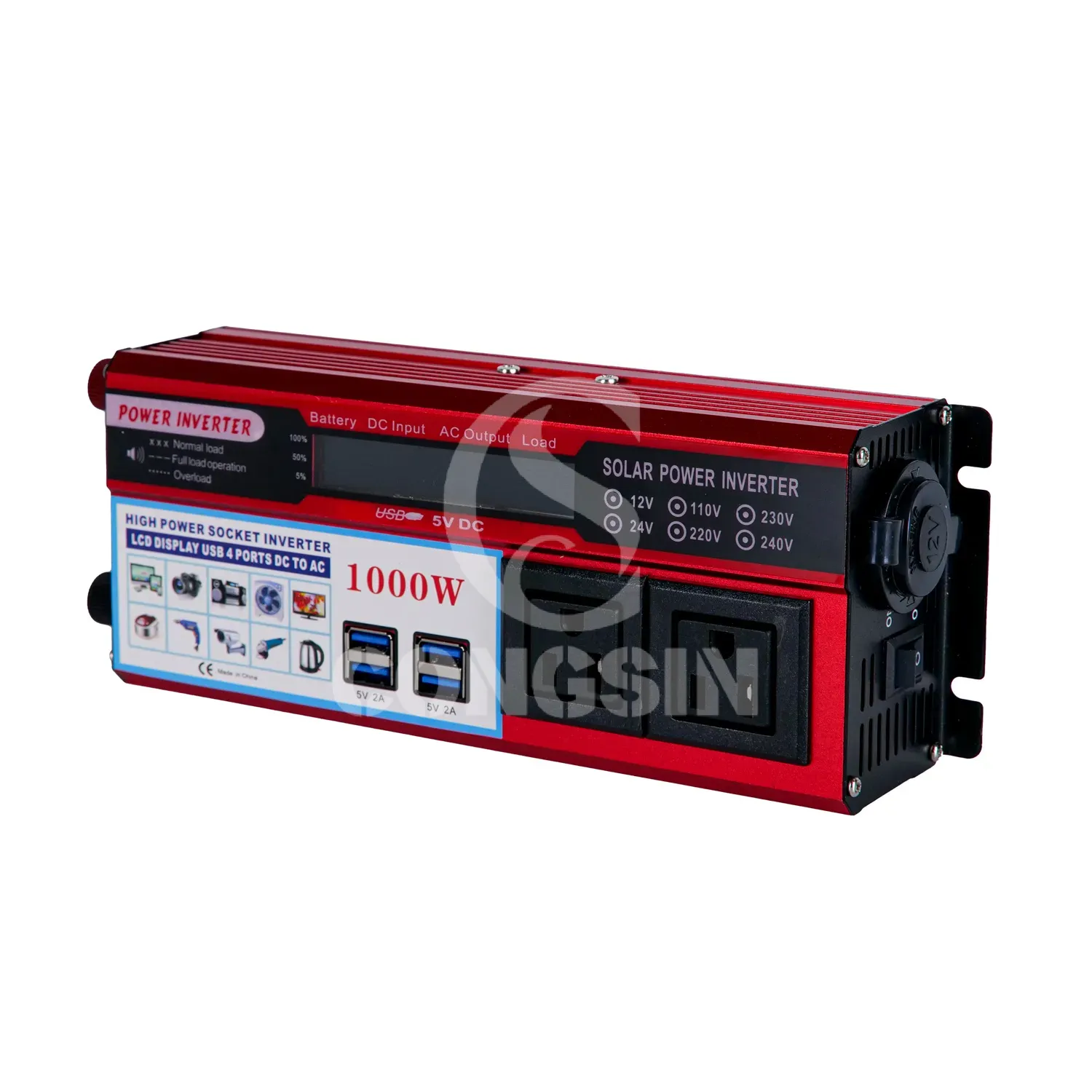
Can 4 USB ports charge 4 mobile phones at the same time?
Yes, the total current of 6.8A can support simultaneous fast charging of multiple devices, and the charging efficiency is guaranteed.
Can 4 USB ports fast charge at the same time?
Yes, 4 USB ports can fast charge mobile phones, tablets and other devices at the same time, meeting the needs of simultaneous charging of multiple devices.
Which regional plugs can be used with the universal socket?
The universal socket supports most national plug specifications, such as GB, US, EU, etc. (some require adapters), and can meet the use of devices in multiple regions.
Pure Sine Wave Inverters
Does it have a charging (UPS) function?
No, this model is a pure inverter without UPS function.
Products
Can this inverter run a refrigerator or power tools?
Recommended load ≤80% of rated power. For inductive loads, use a pure sine wave model.
Get in Touch with Our Team
You can also communicate with us directly through our online contact form. Please fill in the following information, and our team will contact you as soon as possible after receiving your message.

CONGSIN is a trusted OEM factory for power inverters, solar charge controllers, and DC converters. Reliable solutions for global B2B buyers.
 High Quality
 7/24 Service
 Guaranteed Warranty
© 2025 Congsin. All Rights Reserved.