





battery car inverter | Insights by Congsin
- 1. What are the key factors to consider when selecting a battery car inverter?
- 2. How can I troubleshoot common issues with my battery car inverter?
- 3. What maintenance practices can extend the lifespan of my battery car inverter?
- 4. How do I determine the appropriate size of a battery car inverter for my needs?
- 5. What are the differences between pure sine wave and modified sine wave inverters, and which should I choose?
- 6. How can I ensure the safety and reliability of my battery car inverter?
1. What are the key factors to consider when selecting a battery car inverter?
When choosing a battery car inverter, it's crucial to evaluate several factors to ensure it meets your specific needs:
Power Requirements: Calculate the total wattage of devices you intend to power simultaneously, including any startup surges. Opt for an inverter with a continuous power rating slightly higher than your total to accommodate fluctuations.
Input Voltage Compatibility: Most vehicles operate on a 12V DC system, but larger vehicles may use 24V DC. Ensure the inverter matches your vehicle's voltage to prevent compatibility issues.
Waveform Type: Pure sine wave inverters provide clean and stable power, suitable for sensitive electronics like laptops and medical equipment. Modified sine wave inverters are more affordable but may cause issues with certain devices.
Number and Type of Outlets: Determine the number of AC outlets and USB ports required, considering the types of devices you plan to charge or power.
Safety Features: Look for inverters with overload protection, short circuit protection, and over-temperature shutdown to safeguard both the inverter and your vehicle's electrical system.
Size and Installation: Ensure the inverter's physical dimensions fit your vehicle's available space and that installation is straightforward.
Brand Reputation and Reviews: Research brands known for reliability and customer support. Reading customer reviews can provide insights into real-world performance and potential issues.
Usage Scenarios and Budget: Consider how often you'll use the inverter and for what purposes. Balance your budget with the features and quality you need, avoiding compromises on essential aspects.
2. How can I troubleshoot common issues with my battery car inverter?
Understanding and addressing common inverter problems can enhance its longevity and performance:
Inverter Not Turning On: This could be due to loose battery terminals, a discharged battery, or a faulty power switch. Inspect and tighten connections, ensure the battery is charged, and replace the power switch if necessary.
Continuous Alarm Sounds: An alarm may indicate an overload or a malfunctioning cooling fan. Disconnect unnecessary devices to reduce load and clean or replace the fan if it's not operating correctly.
Incorrect LCD Codes: This can result from external issues like faulty wiring or internal circuit problems. Inspect all connections and consult a professional if the issue persists.
Low Backup Time: Short backup durations may be caused by excessive power consumption, incorrect battery charging, or low electrolyte levels. Reduce the load, ensure proper charging, and refill electrolytes as needed.
Battery Not Charging Properly: Potential causes include a dead battery, burnt rectifiers, melted fuses, or loose connections. Replace the battery if necessary, clean terminals, and check for damaged components.
Inverter Making Noise: Excessive noise may result from a dirty or faulty fan. Clean the fan to remove dust and debris, and replace it if the noise continues.
3. What maintenance practices can extend the lifespan of my battery car inverter?
Regular maintenance is essential for optimal inverter performance:
Regular Inspection: Periodically check all connections for signs of corrosion or looseness. Clean terminals with a mixture of baking soda and water to neutralize acid and prevent corrosion.
Battery Care: Maintain appropriate electrolyte levels in lead-acid batteries and ensure they are fully charged. For lithium batteries, follow the manufacturer's guidelines for charging and storage.
Environmental Considerations: Install the inverter in a well-ventilated area to prevent overheating. Avoid exposing it to extreme temperatures or humidity.
Load Management: Connect only the necessary devices to prevent overloading. Use appliances within the inverter's specified capacity to avoid strain.
Firmware Updates: If your inverter has upgradable firmware, check for updates periodically to ensure optimal performance and access to new features.
4. How do I determine the appropriate size of a battery car inverter for my needs?
Selecting the right inverter size involves:
Calculating Total Wattage: List all devices you plan to power and their wattage requirements. Include both running and startup (surge) watts.
Adding a Safety Margin: Choose an inverter with a continuous power rating that exceeds your total wattage by at least 20-30% to accommodate fluctuations and prevent overloads.
Considering Future Needs: Anticipate any additional devices you might connect in the future and factor this into your calculations.
Consulting Manufacturer Specifications: Refer to the inverter's manual for detailed information on its capabilities and limitations.
5. What are the differences between pure sine wave and modified sine wave inverters, and which should I choose?
Understanding the distinctions can guide your decision:
Pure Sine Wave Inverters: Provide clean, stable power similar to grid electricity, making them suitable for sensitive electronics like laptops, medical equipment, and audio systems.
Modified Sine Wave Inverters: Offer a more basic form of power, adequate for simple devices like lights and fans but may cause issues with sensitive electronics due to harmonic distortion.
Choose based on the devices you intend to power and their sensitivity to power quality.
6. How can I ensure the safety and reliability of my battery car inverter?
To maintain safety and reliability:
Use Quality Components: Invest in inverters from reputable manufacturers known for quality and reliability.
Follow Installation Guidelines: Adhere to the manufacturer's installation instructions to prevent electrical hazards.
Regular Maintenance: Perform routine checks and maintenance as previously discussed to keep the system in optimal condition.
Monitor Performance: Keep an eye on the inverter's performance and address any issues promptly to prevent further complications.
By addressing these questions and implementing the recommended practices, you can ensure a reliable and efficient battery car inverter system tailored to your needs.
For personalized assistance and a quote, please contact us at info@csinverter.com or visit our website at www.csinverter.com.


Modified Sine Wave Inverters
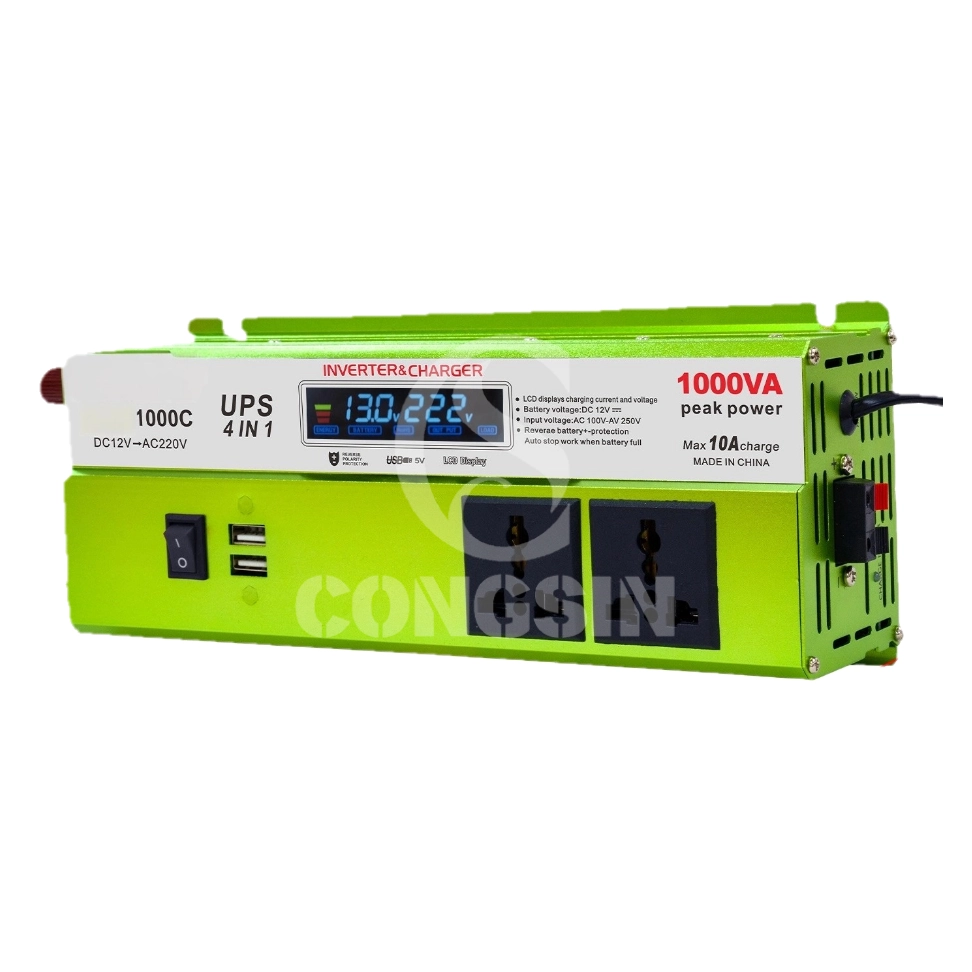
How does the UPS function of this inverter work?
When the external power supply is normal, the inverter powers the device while charging the battery; when the external power supply is interrupted, it automatically switches to battery power to ensure uninterrupted operation of the device.
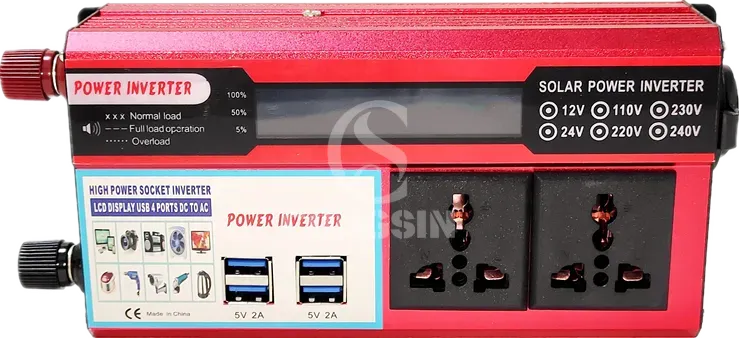
Which plug types are supported by the universal socket?
The universal socket is compatible with most national plug specifications, such as GB, US, EU, etc., and can meet the use of devices in different regions (some require adapters).
What is the working principle of the UPS function?
When the external power supply is normal, the inverter powers the device and charges the battery; when the external power supply is interrupted, it automatically switches to battery power to ensure uninterrupted operation of the device.
Do you support OEM branding?
Yes, we offer logo, packaging, and label customization.
OEM & ODM Services
What certifications do your products comply with?
All products meet CE, RoHS, FCC, and other market-specific compliance standards.
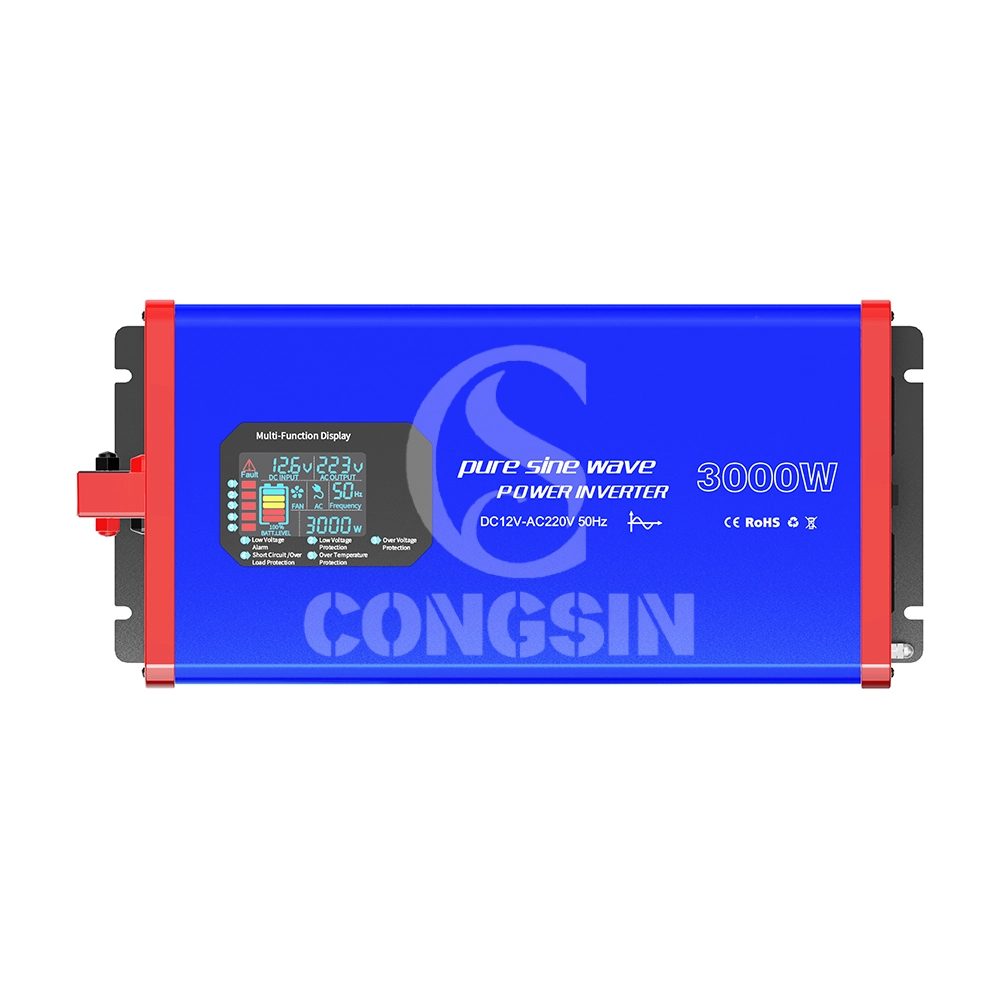
This 3000W full-power pure sine wave inverter (Model: CS3000PSW) adopts pure sine wave output technology (waveform distortion rate <2%), and the output power is highly consistent with mains power quality. It can safely drive high-power precision loads such as air conditioners, refrigerators, medical instruments, and small industrial equipment, avoiding equipment malfunctions or shortened service life caused by unstable waveforms. The device supports DC 12V input (compatible with 10.5V-14.8V wide voltage), continuously outputs 3000W full power, and has a peak power of 6000W, easily coping with the instantaneous startup impact of high-power devices; it is equipped with 4 AC universal sockets (max current 16A) + 2 USB 3.0 fast-charging ports (22.5W per port) to meet the simultaneous power supply needs of multiple devices. Built-in six-fold safety protection (overload, overvoltage, undervoltage, short circuit, overtemperature, reverse connection), combined with dual intelligent silent cooling fans (noise ≤45dB), it achieves the triple advantages of "high power + high safety + low noise," suitable for home emergency, outdoor engineering, vehicle-mounted power supply, small industrial scenarios and other fields.
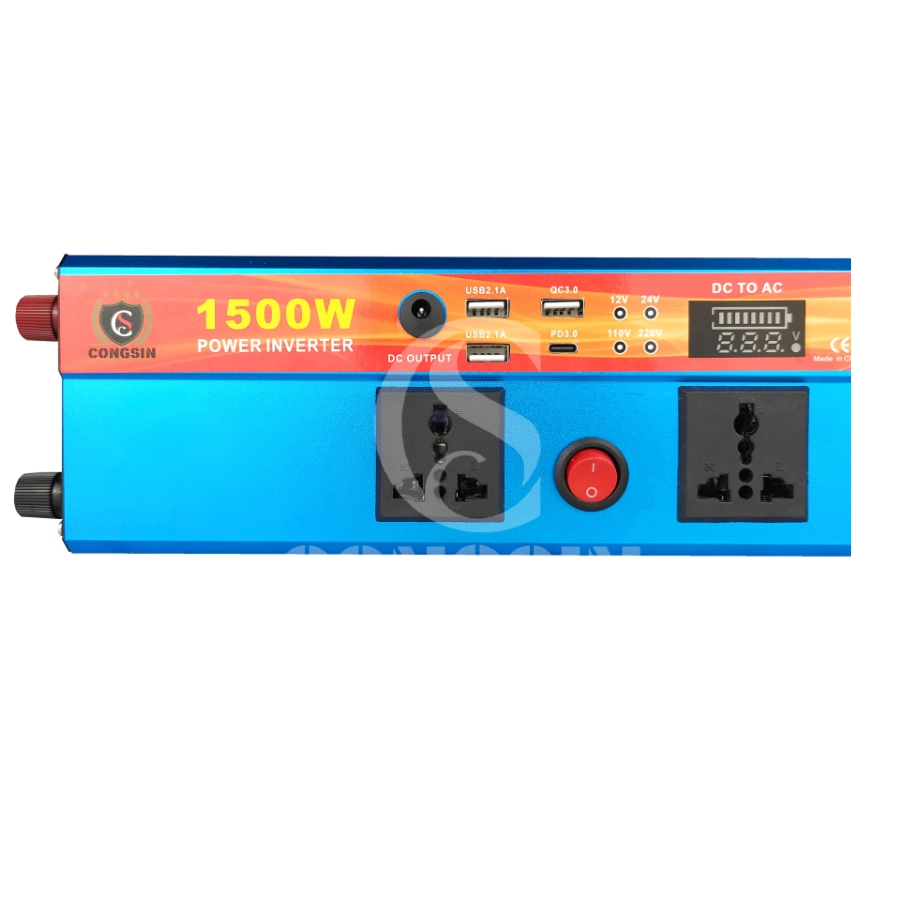
Our CS1000DDBC 1000W modified sine wave inverter is a professional power conversion device that converts DC 12V from batteries into AC 220V electricity. It is designed with user convenience in mind, featuring an LED display for real-time status monitoring, multiple charging ports (3 USB, 1 Type-C, 1 DC 12V) and two universal sockets to power a wide range of devices simultaneously. Its compact size (250×95×55mm) and lightweight design (NW: 0.84kg) make it easy to carry, ideal for outdoor activities, emergency home use, and on-the-go power needs.
Get in Touch with Our Team
You can also communicate with us directly through our online contact form. Please fill in the following information, and our team will contact you as soon as possible after receiving your message.

CONGSIN is a trusted OEM factory for power inverters, solar charge controllers, and DC converters. Reliable solutions for global B2B buyers.
 High Quality
 7/24 Service
 Guaranteed Warranty
© 2025 Congsin. All Rights Reserved.