





How to test if a good pure sine wave inverter outputs true sine?
When considering the purchase of a pure sine wave inverter, it's essential to address specific concerns that often lack detailed answers online. Below are six frequently asked questions by beginners, along with comprehensive responses to guide your decision-making process.
1. What are the key differences between pure sine wave inverters and modified sine wave inverters?
Pure sine wave inverters produce a smooth, consistent waveform identical to grid power, ensuring compatibility with all electronic devices, including sensitive equipment like medical devices, computers, and audio systems. Modified sine wave inverters generate a rougher waveform, which may cause issues with certain electronics, leading to inefficiency or potential damage. Therefore, pure sine wave inverters are generally recommended for powering sensitive electronics.
2. How do I determine the appropriate wattage for my pure sine wave inverter?
To select the right inverter wattage, calculate the total wattage of all devices you intend to power simultaneously. For instance, if you plan to run a 500W refrigerator, a 200W television, and a 100W laptop, the total continuous wattage required would be 800W. It's advisable to choose an inverter with a continuous power rating higher than your total requirement to accommodate startup surges from appliances like refrigerators, which can draw up to twice their rated wattage momentarily.
3. What are the efficiency ratings of pure sine wave inverters, and why do they matter?
Efficiency ratings indicate how effectively an inverter converts DC power from batteries to AC power for your devices. Higher efficiency means less energy loss and longer battery life. For example, an inverter with a 90% efficiency rating will draw 1,111W from the battery to supply 1,000W to your devices, whereas an 80% efficient inverter would require 1,250W from the battery for the same output. Therefore, selecting an inverter with a higher efficiency rating is crucial for optimal performance and energy conservation.
4. How can I test if a pure sine wave inverter outputs a true sine wave without specialized equipment?
One practical method to test the output waveform of an inverter is by using an oscilloscope, which displays the waveform of the output voltage. A true sine wave will appear as a smooth, continuous curve, while a modified sine wave will show a stepped or jagged pattern. If you don't have access to an oscilloscope, you can also test the inverter by connecting it to a sensitive electronic device, such as a CRT television or an audio amplifier. If the device operates without distortion or interference, it's likely receiving a pure sine wave output.
5. What are the safety features to look for in a pure sine wave inverter?
Essential safety features in a pure sine wave inverter include overload protection, which prevents damage when the inverter is subjected to loads exceeding its capacity; overcurrent protection, which safeguards against excessive current draw; short circuit protection, which disconnects the inverter in case of a short circuit; and thermal protection, which shuts down the inverter if it overheats. These features ensure the longevity of the inverter and the safety of connected devices.
6. Can pure sine wave inverters be connected in parallel to increase power output?
Yes, many pure sine wave inverters can be connected in parallel to increase the total power output. However, it's crucial to ensure that the inverters are phase-synchronized, meaning their output waveforms are aligned in phase. This synchronization prevents circulating currents between inverters, which can lead to overheating and reduced efficiency. Additionally, the voltage and frequency of each inverter must match to ensure proper operation.
Conclusion
Selecting the right pure sine wave inverter involves understanding the differences between inverter types, accurately determining your power needs, considering efficiency ratings, and ensuring the inverter includes essential safety features. By addressing these factors, you can make an informed decision that aligns with your energy requirements and ensures the safe operation of your electronic devices.
For personalized assistance and a quote tailored to your specific needs, please contact us at info@csinverter.com or visit our website at www.csinverter.com.


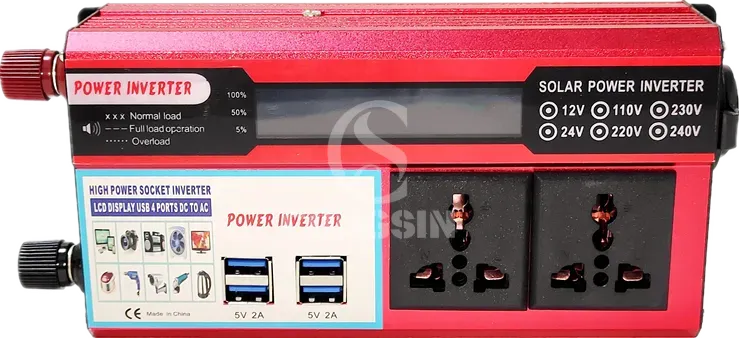
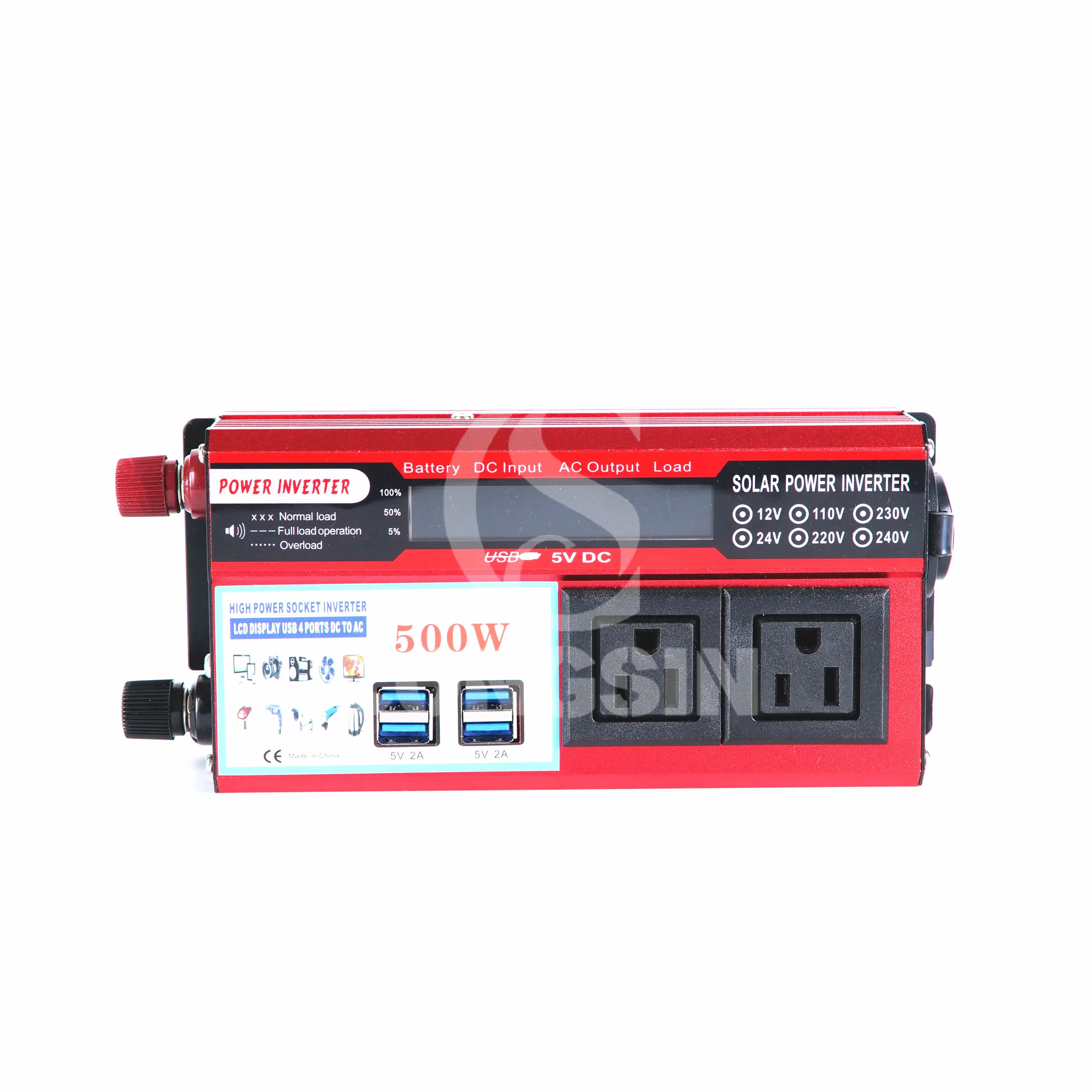
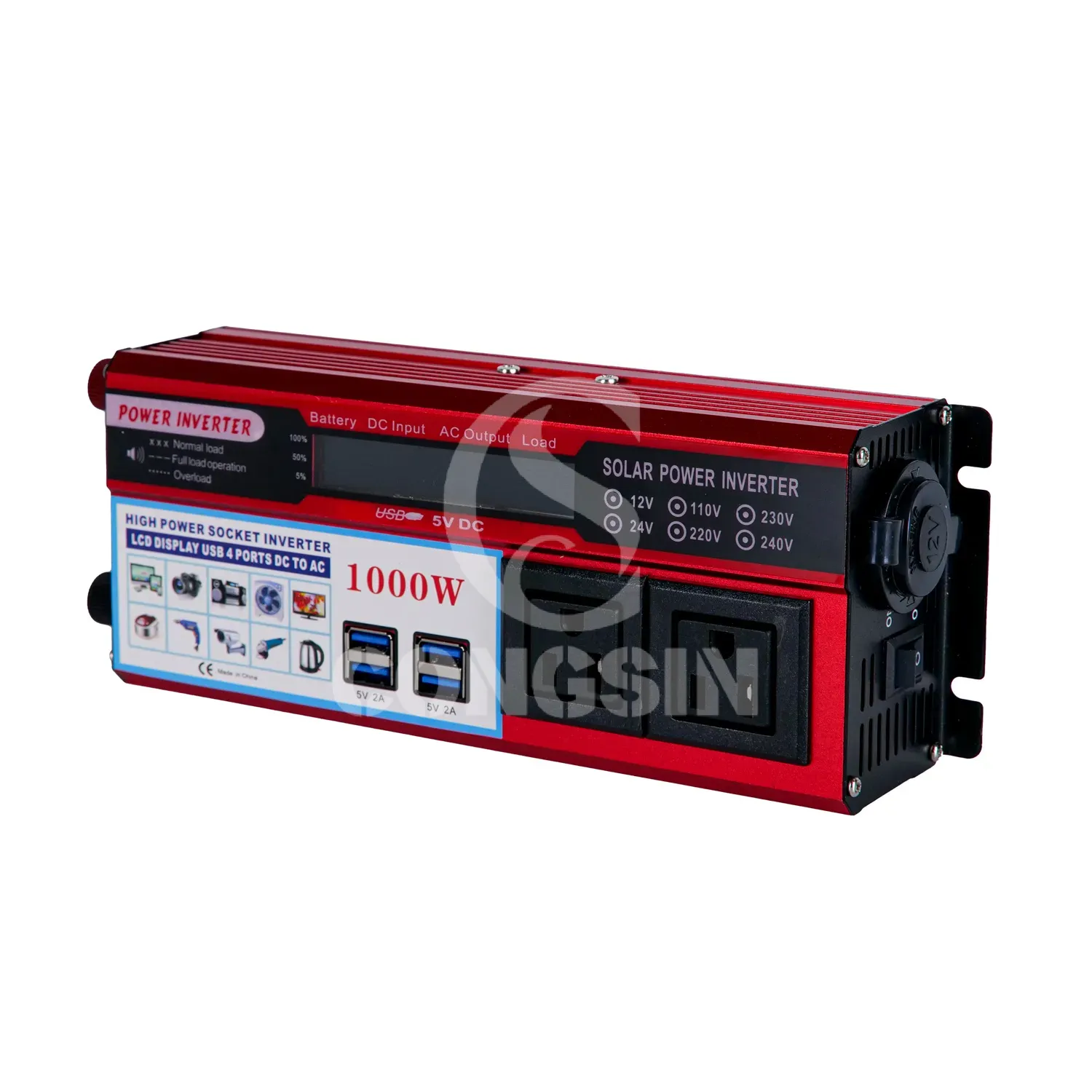
Modified Sine Wave Inverters
Can I customize the logo?
Yes, OEM/ODM service is available.
Can this inverter support both 12V and 24V inputs
Yes, it can work with different voltage systems via selectable input terminals.
Does it support inductive loads?
Modified sine wave inverters are suitable for resistive loads; for inductive loads, pure sine wave models are recommended.
Which region’s voltage standards does it support?
It defaults to AC 220V output, suitable for regions with 220V voltage standards such as China and Europe; it can also be customized to output AC 110V, suitable for regions with 110V voltage standards such as the United States and Japan.
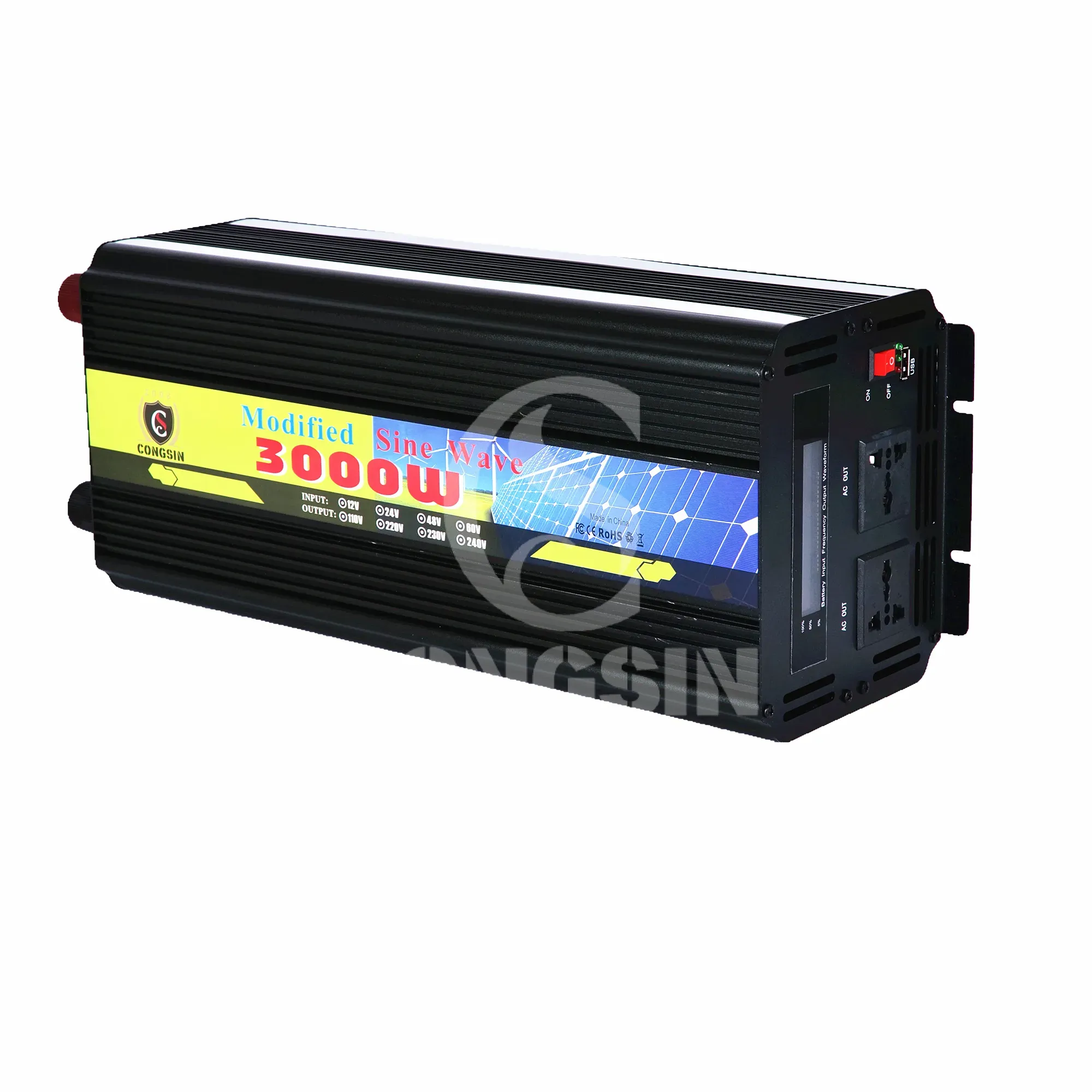
Pure Sine Wave Inverters
Can it drive a 3P air conditioner and an electric oven at the same time?
Total power needs to be calculated: the rated power of a 3P air conditioner is about 2200W-2500W, and the electric oven is about 1500W-2000W. The total power is 3700W-4500W, which exceeds the 3000W continuous power, so simultaneous use is not recommended; if used alone, the 6000W peak can meet the startup needs of both, and the battery capacity must be ≥200Ah (12V) when used alone.
Get in Touch with Our Team
You can also communicate with us directly through our online contact form. Please fill in the following information, and our team will contact you as soon as possible after receiving your message.

CONGSIN is a trusted OEM factory for power inverters, solar charge controllers, and DC converters. Reliable solutions for global B2B buyers.
 High Quality
 7/24 Service
 Guaranteed Warranty
© 2025 Congsin. All Rights Reserved.