




How to choose a reliable pure sine wave inverter for RV buyers?
When embarking on RV adventures, ensuring a reliable power source is paramount. A pure sine wave inverter is crucial for converting DC power from your RV's battery into clean AC power, suitable for sensitive electronics and appliances. However, selecting the right inverter can be challenging, especially for beginners. Below are six specific questions frequently asked by RV owners, along with in-depth answers to guide your decision-making process.
1. How do I accurately determine the total wattage required for my RV appliances to select an appropriate pure sine wave inverter?
Calculating the total wattage is essential to ensure your inverter can handle the combined load of all devices you intend to use simultaneously. Begin by listing each appliance's running wattage and identifying those with high surge (starting) wattage, such as refrigerators and air conditioners. For instance, a refrigerator may require 150-200W during operation but could have a surge requirement of 600W upon startup. Sum the running watts of all devices and add 25-30% to account for surge demands. This total will guide you in selecting an inverter with sufficient capacity.
2. What are the key differences between 12V, 24V, and 48V pure sine wave inverters, and how do I choose the right voltage for my RV system?
The voltage of your inverter should match your RV's battery system to ensure optimal performance. 12V systems are common in smaller RVs and are suitable for inverters up to 1500W. 24V systems are more efficient for medium-sized setups, supporting inverters between 1500W and 4000W. 48V systems are ideal for larger power needs, handling inverters over 4000W. Higher voltage systems reduce current flow, allowing for thinner wiring and less energy loss. Choose the inverter voltage that aligns with your RV's battery configuration and power requirements.
3. How can I assess the efficiency and no-load consumption of a pure sine wave inverter to ensure it minimizes energy loss and extends battery life?
Inverter efficiency indicates how effectively it converts DC to AC power, with higher percentages signifying better performance. Look for inverters with efficiency ratings of 90% or higher. Additionally, consider the no-load or standby consumption, which is the power the inverter uses when no devices are connected. A lower no-load consumption reduces battery drain during idle periods. Manufacturers often provide these specifications in the product details.
4. What safety features should I prioritize in a pure sine wave inverter to protect my RV's electrical system and appliances?
Essential safety features include:
Overload Protection: Automatically shuts down the inverter if the connected load exceeds its capacity.
Overheat Protection: Prevents damage by turning off the inverter when it reaches a critical temperature.
Short Circuit Protection: Safeguards against electrical faults by disconnecting the inverter during a short circuit.
Low Voltage Shutdown: Protects your battery by turning off the inverter when the battery voltage drops too low.
Ensure the inverter you choose includes these features to maintain safety and prolong the lifespan of your equipment.
5. How do I determine the appropriate size and weight of a pure sine wave inverter to ensure it fits within my RV's space constraints without compromising performance?
Assess the physical dimensions and weight of potential inverters to ensure they fit within your RV's designated space. Compact and lightweight models are preferable for limited areas. However, balance size and weight with power capacity and features to avoid compromising performance. Review product specifications and, if possible, consult with RV professionals or forums for recommendations on space-efficient inverters.
6. What are the advantages of inverters with remote monitoring and control capabilities, and how do they enhance the management of my RV's power system?
Inverters with remote monitoring and control features allow you to:
Monitor Performance: Track real-time data on power usage, battery status, and system health.
Adjust Settings: Modify operational parameters without direct access to the inverter.
Receive Alerts: Get notifications about system issues or maintenance needs.
These capabilities enhance convenience, ensure optimal performance, and facilitate proactive maintenance of your RV's power system.
Conclusion
Selecting the right pure sine wave inverter is crucial for a reliable and efficient RV power system. By carefully considering your power requirements, battery configuration, efficiency, safety features, physical constraints, and the benefits of remote monitoring, you can make an informed decision that enhances your RV experience.
For personalized recommendations and a quote tailored to your specific needs, please contact us at info@csinverter.com or visit our website at www.csinverter.com.


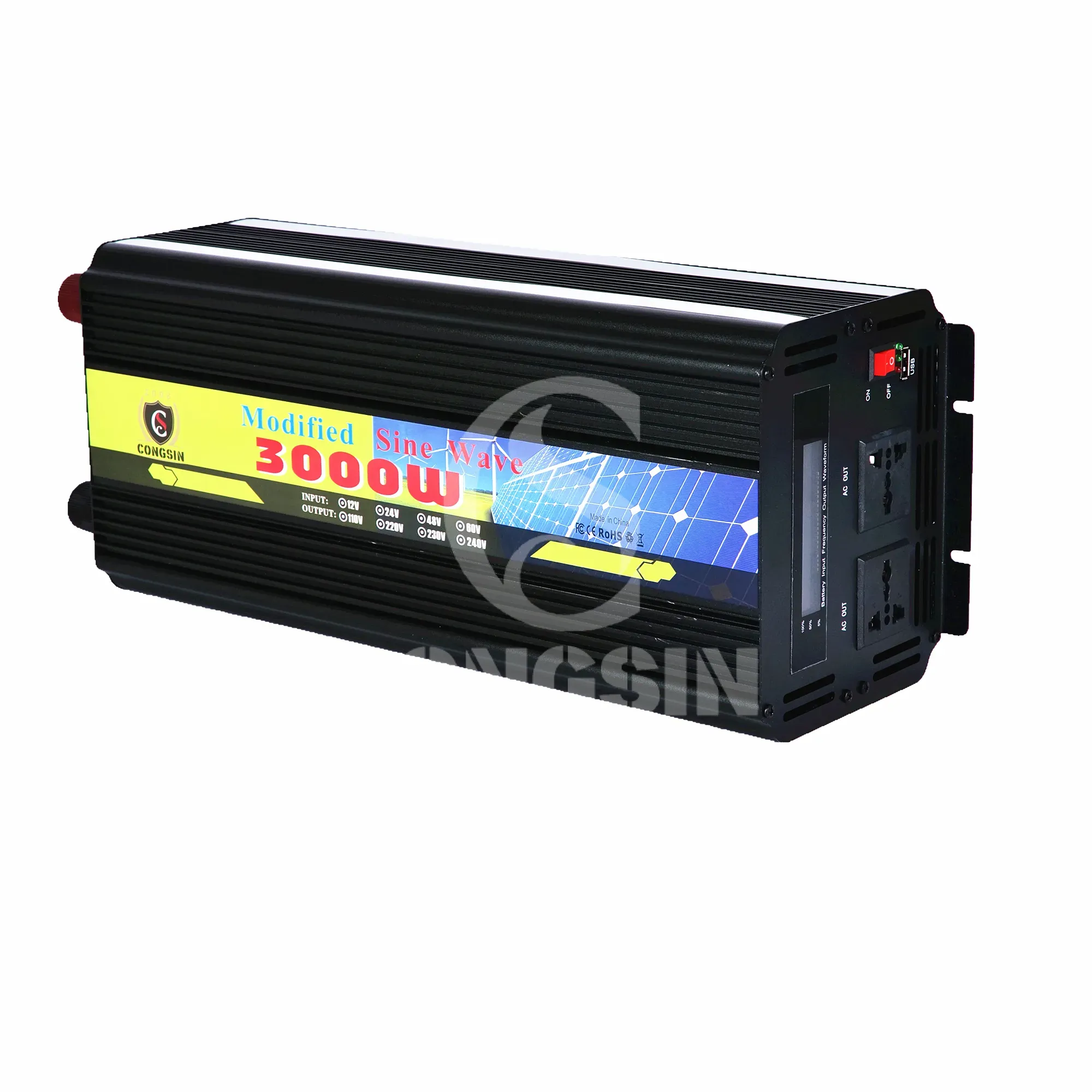
Modified Sine Wave Inverters
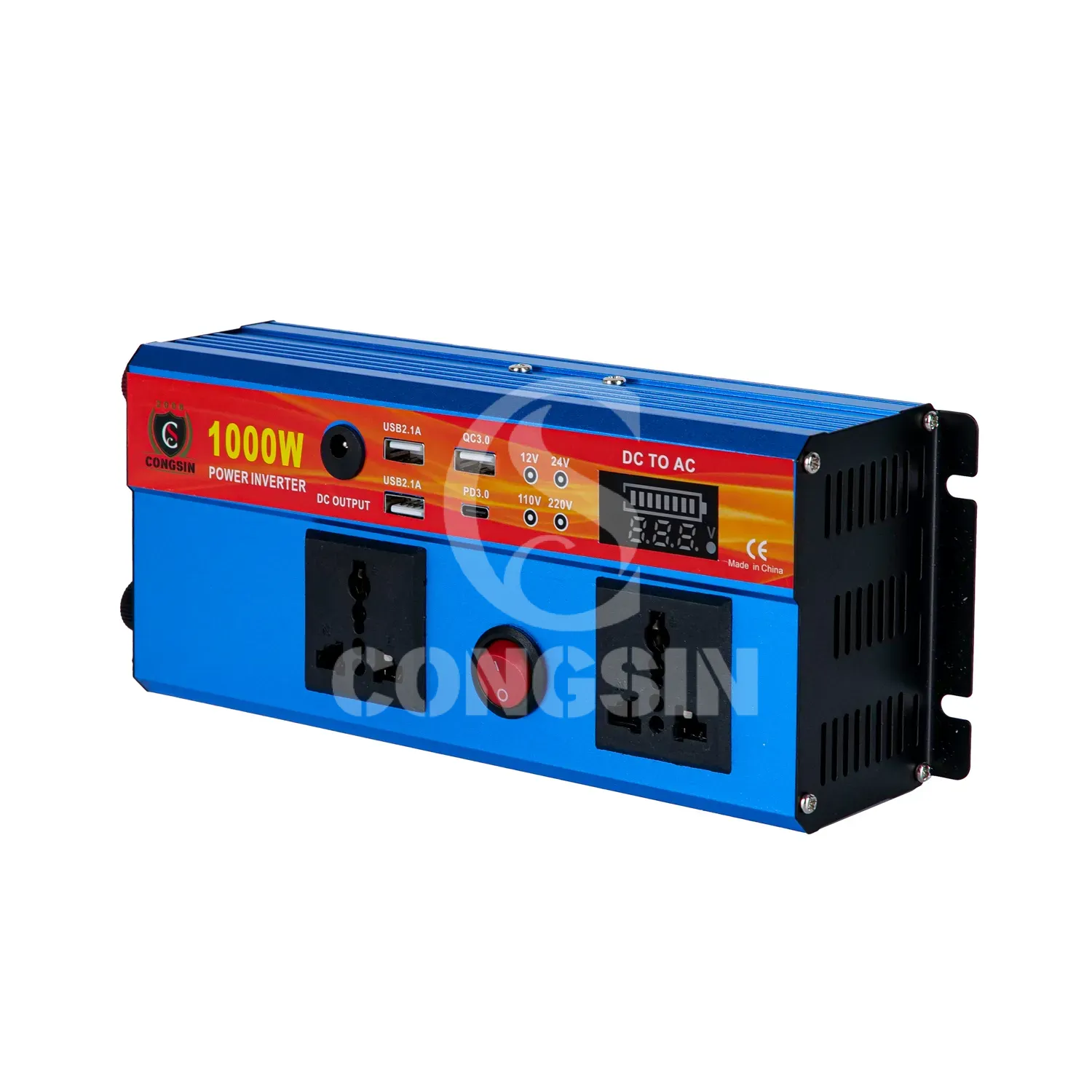
Can 4 USB ports fast charge at the same time?
Yes, 4 USB ports can fast charge mobile phones, tablets and other devices at the same time, meeting the needs of simultaneous charging of multiple devices.
Can it be used in electric vehicles?
Most electric vehicles have a high-voltage system, and this inverter inputs DC 12V. It is not recommended to use it directly. If you need to use it, please confirm whether the vehicle power output matches first.
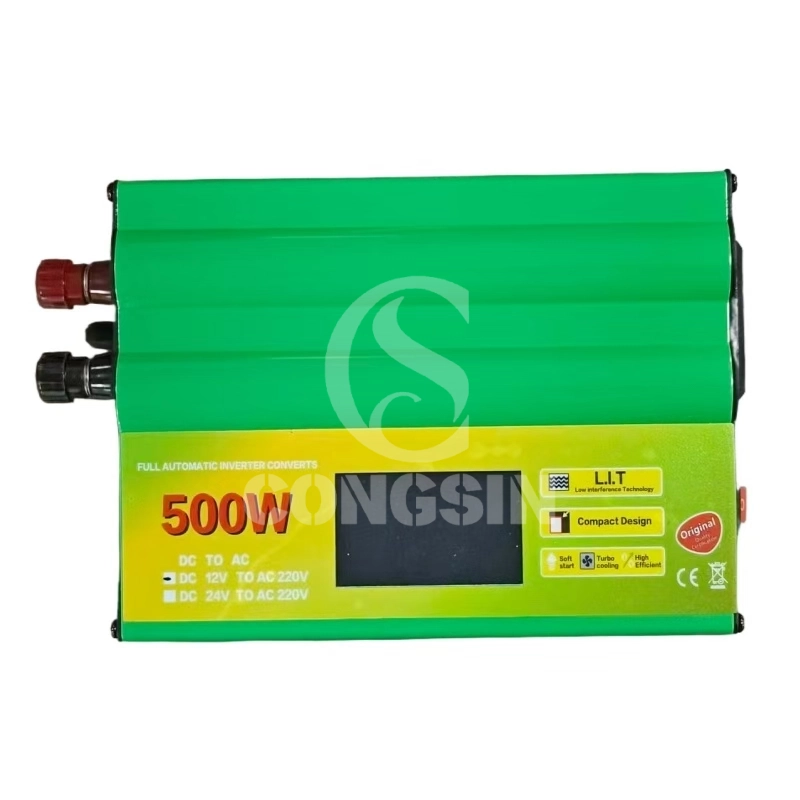
Can this inverter support both 12V and 24V inputs
Yes, it can work with different voltage systems via selectable input terminals.
Distributor
Do I need to carry inventory?
We offer flexible inventory options based on your market needs, and we can assist with supply chain management.
What kind of distributors are you looking for?
We seek distributors with experience in the amusement or entertainment equipment industry and a strong local market presence.
Get in Touch with Our Team
You can also communicate with us directly through our online contact form. Please fill in the following information, and our team will contact you as soon as possible after receiving your message.

CONGSIN is a trusted OEM factory for power inverters, solar charge controllers, and DC converters. Reliable solutions for global B2B buyers.
 High Quality
 7/24 Service
 Guaranteed Warranty
© 2025 Congsin. All Rights Reserved.