





How to choose a good pure sine wave inverter for home use?
- 1. How do I accurately calculate the total wattage of my home appliances to determine the appropriate inverter size?
- 2. What is the significance of Total Harmonic Distortion (THD) in a pure sine wave inverter, and how does it affect my sensitive electronics?
- 3. How do I match the inverter's battery voltage to my home's electrical system for optimal performance?
- 4. What are the key safety features I should look for in a pure sine wave inverter to protect my home and appliances?
- 5. How can I determine the efficiency of a pure sine wave inverter, and why is it important for my energy consumption?
- 6. What are the typical price ranges for pure sine wave inverters, and how do I assess their value beyond the initial cost?
1. How do I accurately calculate the total wattage of my home appliances to determine the appropriate inverter size?
To determine the correct inverter size, list all appliances you intend to run simultaneously and note their power consumption in watts. For instance:
- Refrigerator: 150W
- LED TV (32 inches): 50W
- Laptop: 60W
- Lights: 100W
Summing these gives a total of 360W. However, many appliances require additional power during startup, known as surge power. For example, a refrigerator may surge to 450W upon starting. To account for this, calculate the total running wattage and add 20–30% to accommodate surge demands. In this case:
(360W + 450W) × 1.25 = 1012.5W
Therefore, an inverter rated at 1200W would be suitable.
2. What is the significance of Total Harmonic Distortion (THD) in a pure sine wave inverter, and how does it affect my sensitive electronics?
Total Harmonic Distortion (THD) measures the purity of the output waveform. A THD of less than 3% is ideal for pure sine wave inverters, ensuring minimal distortion. High THD can lead to overheating, reduced efficiency, and potential damage to sensitive electronics like computers, medical equipment, and audio systems. Therefore, selecting an inverter with low THD is crucial for the longevity and optimal performance of your devices.
3. How do I match the inverter's battery voltage to my home's electrical system for optimal performance?
The inverter's battery voltage should align with your home's electrical requirements:
- 12V Systems: Suitable for inverters up to 1500W, ideal for small off-grid setups.
- 24V Systems: Better for 1500–4000W, suitable for medium off-grid cabins.
- 48V Systems: Best for systems over 4000W, such as large home backups.
Higher voltage systems reduce current flow, allowing for thinner cables and less energy loss. For example, a 2400W load on a 12V system requires 200 amps, whereas the same load on a 48V system requires only 50 amps.
4. What are the key safety features I should look for in a pure sine wave inverter to protect my home and appliances?
Essential safety features include:
- Overload Protection: Automatically shuts down the inverter if the load exceeds its capacity, preventing damage.
- Thermal Protection: Activates when the inverter overheats, safeguarding internal components.
- Low-Voltage Protection: Prevents battery damage by shutting down the inverter when battery voltage is too low.
These features ensure the inverter operates safely and extends its lifespan.
5. How can I determine the efficiency of a pure sine wave inverter, and why is it important for my energy consumption?
Inverter efficiency indicates how effectively it converts DC to AC power. An efficiency rating of 90% or higher is desirable. Higher efficiency means less energy is lost as heat, leading to lower energy consumption and reduced operating costs. For example, a 1000W appliance on a 90% efficient inverter draws 1111W from batteries (1000W ÷ 0.9), while an 80% efficient model draws 1250W, using 12.5% more battery power.
6. What are the typical price ranges for pure sine wave inverters, and how do I assess their value beyond the initial cost?
Pricing varies based on power capacity and features:
- 300–1000W: $100–$300 – Ideal for small electronics and car/RV use.
- 1000–3000W: $300–$800 – Suitable for home backup or larger RVs.
- 3000–6000W: $800–$2,000+ – Designed for whole-house backup or commercial mobile setups.
When assessing value, consider factors like build quality, warranty length (preferably 3–5 years), efficiency, and customer support. Investing in a reputable brand often pays off in reliability and service.
In conclusion, selecting the right pure sine wave inverter involves understanding your power needs, ensuring compatibility with your home's electrical system, and prioritizing safety and efficiency features. By carefully considering these factors, you can make an informed decision that ensures reliable and safe power for your home.
For personalized assistance and a quote tailored to your specific requirements, please contact us at info@csinverter.com or visit our website at www.csinverter.com.


Modified Sine Wave Inverters
Does it support inductive loads?
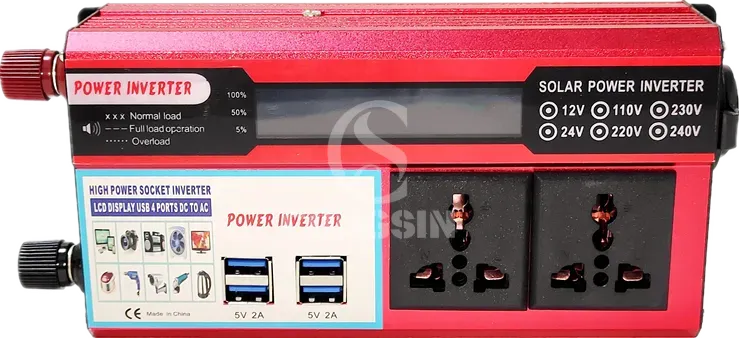
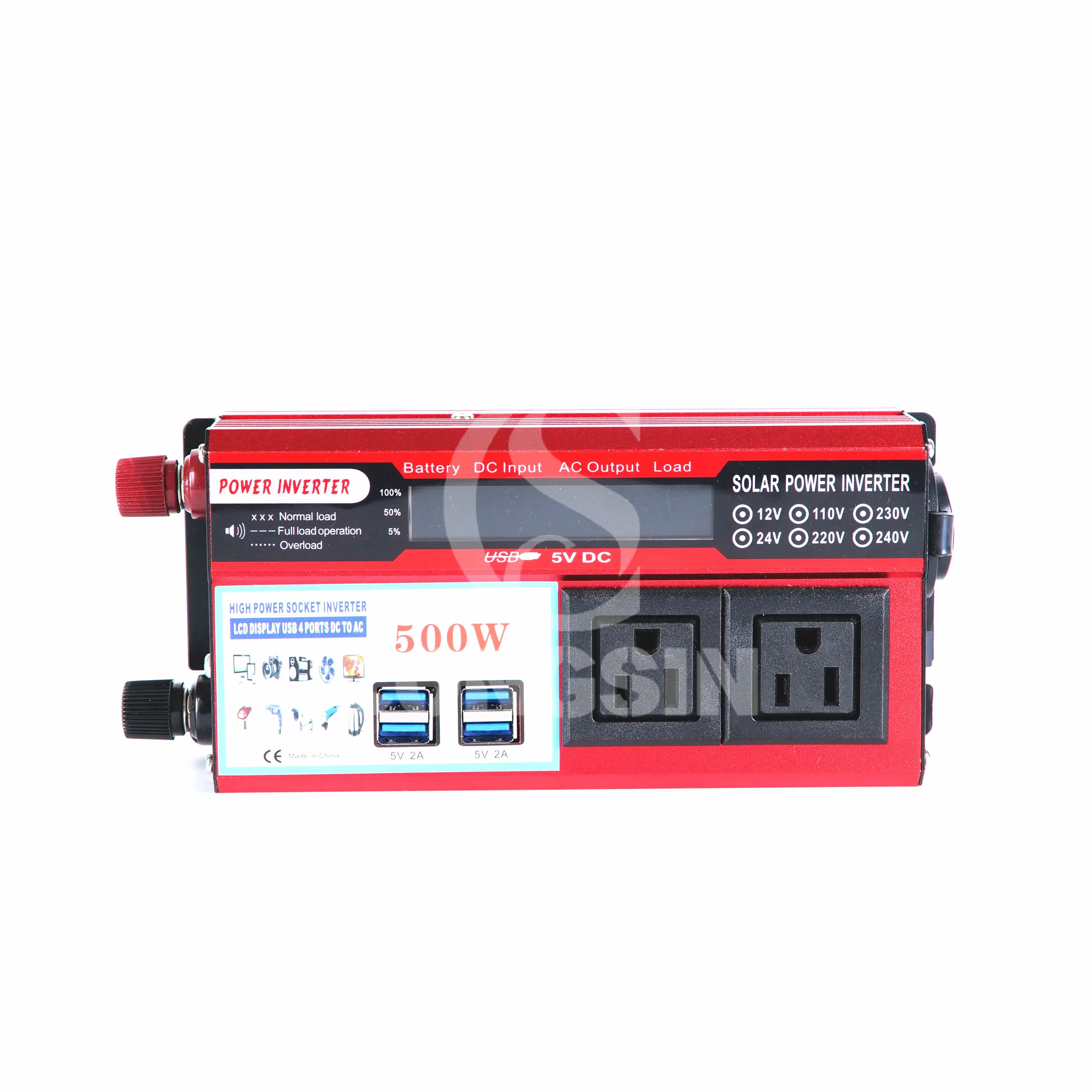
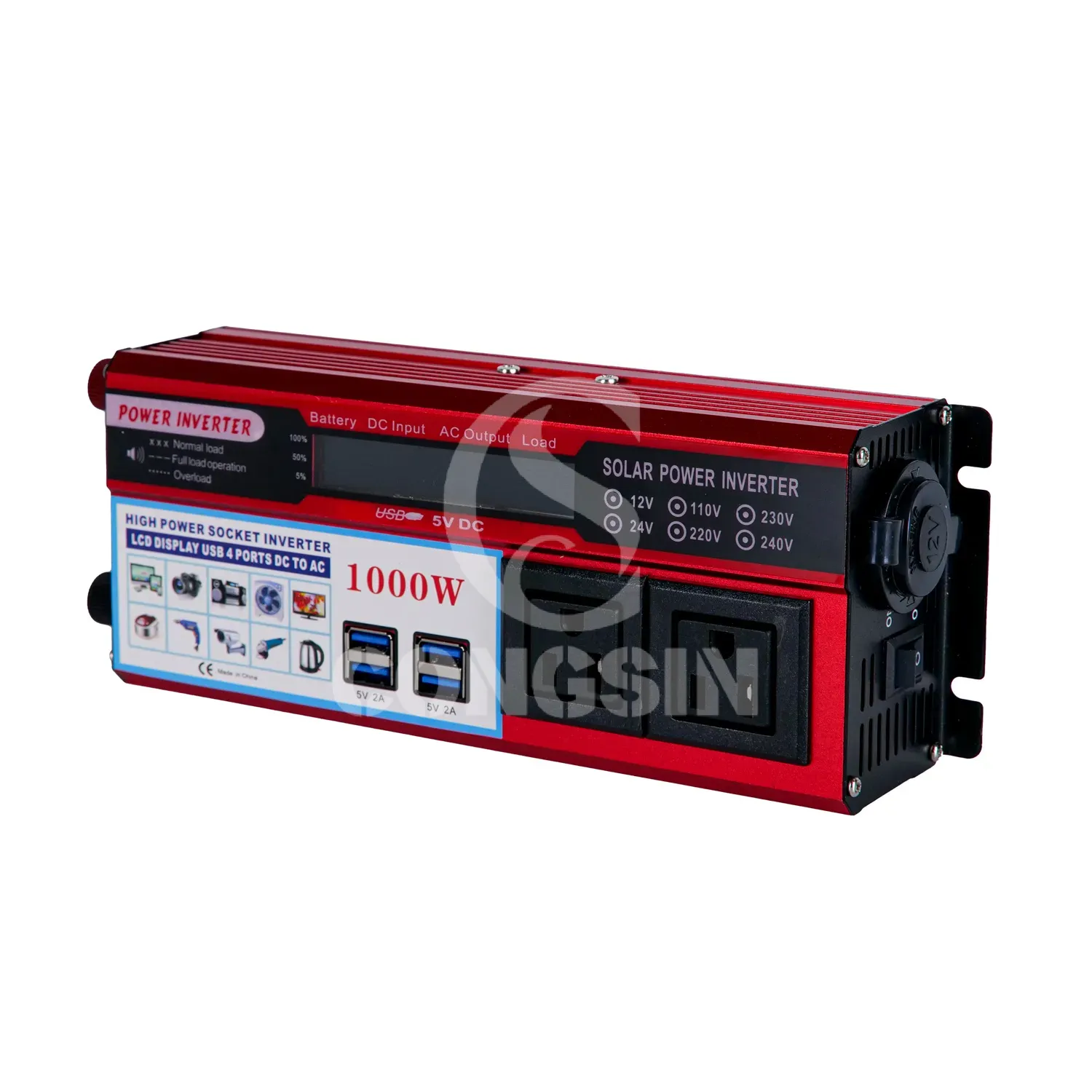
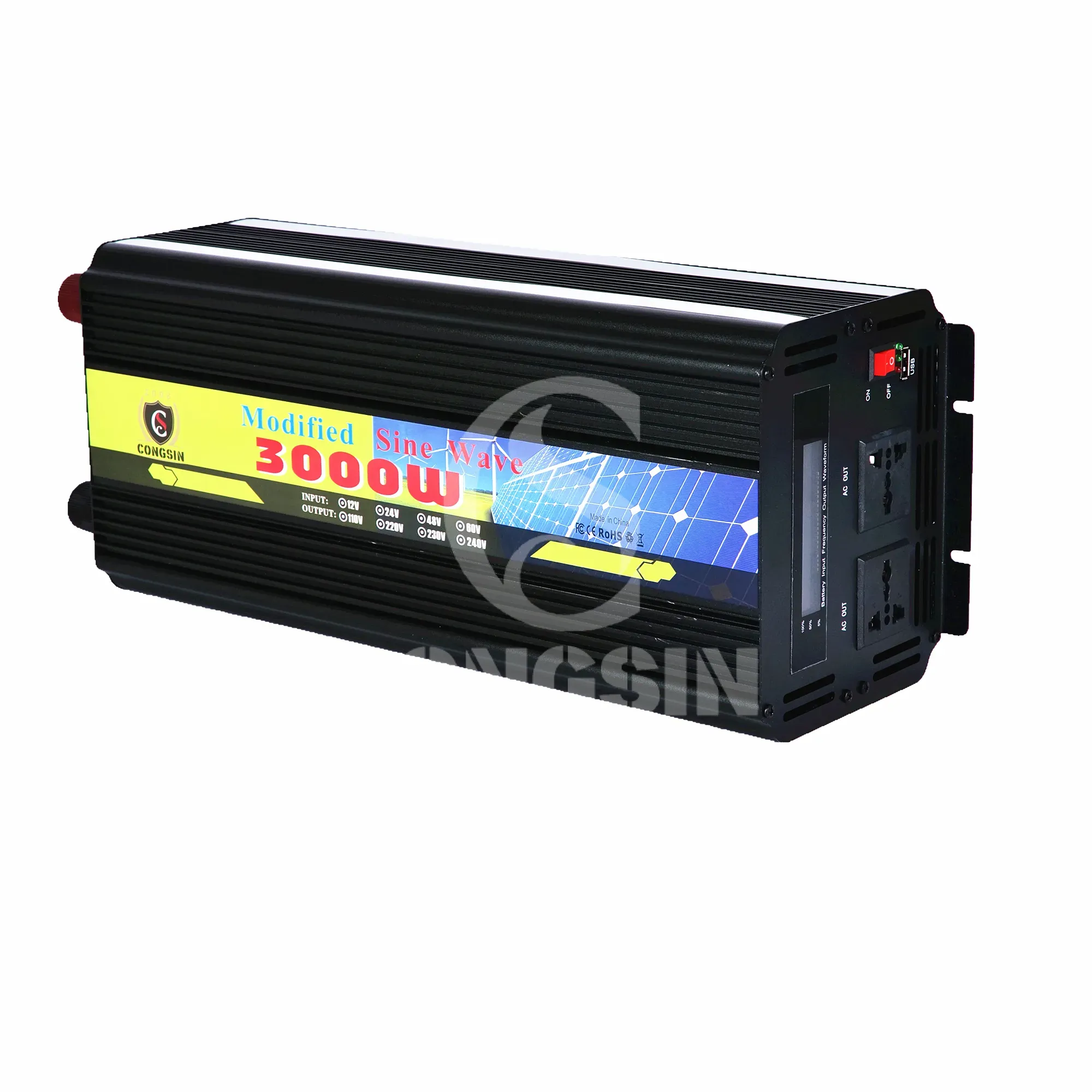
Modified sine wave inverters are suitable for resistive loads; for inductive loads, pure sine wave models are recommended.
Can it be connected to a battery long-term?
Yes, ensure good ventilation to avoid overheating.
What power appliance can this inverter run?
It has a continuous power of 800W, so it can run appliances within 800W; the peak power is 1500W, supporting the instantaneous startup of appliances within 1500W.
Which regional plugs can be used with the universal socket?
The universal socket supports most national plug specifications, such as GB, US, EU, etc. (some require adapters), and can meet the use of devices in multiple regions.
Pure Sine Wave Inverters
What appliances can this inverter support?
Rated 1500W, peak 3000W – supports most home appliances.
Get in Touch with Our Team
You can also communicate with us directly through our online contact form. Please fill in the following information, and our team will contact you as soon as possible after receiving your message.

CONGSIN is a trusted OEM factory for power inverters, solar charge controllers, and DC converters. Reliable solutions for global B2B buyers.
 High Quality
 7/24 Service
 Guaranteed Warranty
© 2025 Congsin. All Rights Reserved.