





How to choose the best MPPT charge controller for inverters?
- 1. How do I determine the appropriate amperage rating for my MPPT charge controller?
- 2. What is the significance of the maximum input voltage of an MPPT charge controller?
- 3. How do I assess the efficiency of an MPPT charge controller?
- 4. What are the key protection features to look for in an MPPT charge controller?
- 5. How do I ensure compatibility between my MPPT charge controller and battery type?
- 6. What are the advantages of integrating monitoring features in an MPPT charge controller?
1. How do I determine the appropriate amperage rating for my MPPT charge controller?
To select the correct amperage for your MPPT charge controller, first calculate the total current your solar panels will produce. Divide the total wattage of your solar array by your battery voltage to determine the required current. For instance, if you have a 1,000W solar array and a 24V battery system, the calculation would be 1,000W ÷ 24V = 41.7A. It's advisable to choose a controller with at least a 25% higher current rating than this calculation to accommodate potential system expansions and ensure reliable performance. Therefore, a 50A controller would be appropriate in this scenario.
2. What is the significance of the maximum input voltage of an MPPT charge controller?
The maximum input voltage of an MPPT charge controller indicates the highest voltage the controller can safely handle from the solar panels. It's crucial to ensure that the open-circuit voltage (Voc) of your solar panels, especially under cold temperatures, does not exceed this maximum input voltage. For example, a 32V nominal panel can have a Voc of approximately 40V at 25°C, but at −20°C, the Voc can rise to around 48V. If your controller's maximum input voltage is 50V, operating at these temperatures could risk damaging the controller. Always verify the controller's specifications and consider temperature variations to prevent potential issues.
3. How do I assess the efficiency of an MPPT charge controller?
Efficiency in an MPPT charge controller refers to its ability to convert the maximum power from the solar panels into usable charging current for the batteries. While many controllers advertise peak efficiencies (e.g., 98%), it's essential to review the full efficiency curve provided in the datasheet. This curve shows efficiency at various loads and temperatures. A high-quality controller should maintain at least 94% efficiency at 20% load and 92% at 55°C ambient temperature. This ensures optimal performance across different operating conditions.
4. What are the key protection features to look for in an MPPT charge controller?
Protection features are vital to safeguard your solar power system from potential damage. Essential protections include: reverse polarity, over-temperature, overvoltage, short-circuit, and ground-fault protection. Additionally, integrated surge protection devices (SPDs) can protect against lightning-induced transients on PV lines. Ensure that these protections are independently tested and not just designed into the system. Comprehensive protection mechanisms enhance the longevity and reliability of your solar setup.
5. How do I ensure compatibility between my MPPT charge controller and battery type?
Different battery chemistries require specific charging profiles. It's crucial to select an MPPT charge controller that supports the charging algorithm compatible with your battery type, whether it's lead-acid, lithium-ion, or others. For instance, lithium batteries often require precise voltage and current regulation, and some controllers offer specific modes for lithium batteries. Always consult the controller's specifications to confirm compatibility with your battery type to ensure efficient and safe charging.
6. What are the advantages of integrating monitoring features in an MPPT charge controller?
Monitoring features, such as Bluetooth connectivity or app-based tracking, allow real-time monitoring of your solar power system's performance. These features enable you to track energy production, battery status, and system health remotely, facilitating timely maintenance and optimization. While they add to the initial cost, the ability to monitor and adjust settings remotely can lead to improved system performance and longevity. Evaluate whether these features align with your needs and justify the investment.
In conclusion, selecting the right MPPT charge controller is crucial for optimizing the performance and longevity of your solar power system. By considering factors such as amperage rating, maximum input voltage, efficiency, protection features, battery compatibility, and monitoring capabilities, you can make an informed decision that aligns with your specific requirements and ensures a reliable and efficient solar energy solution.


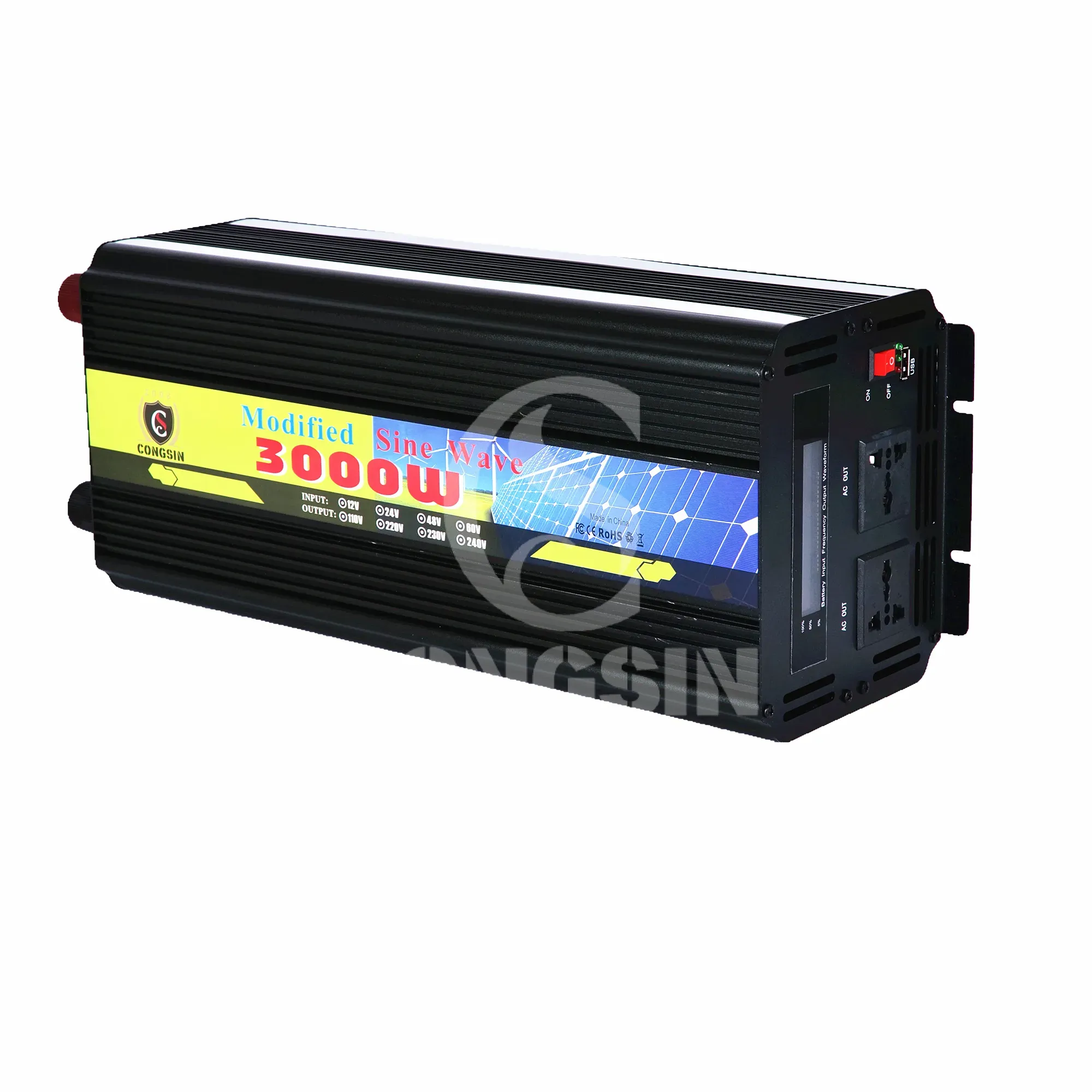
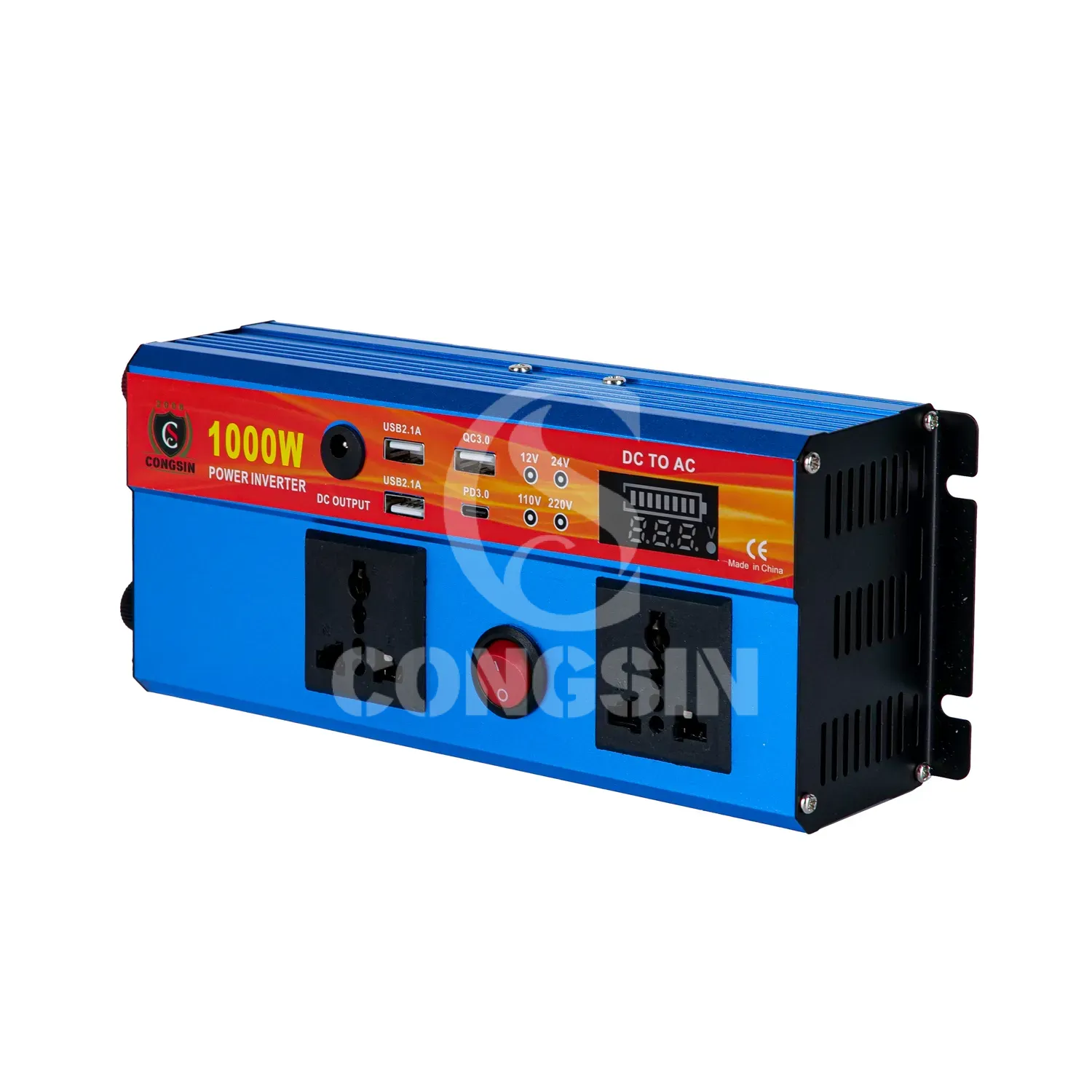
Modified Sine Wave Inverters
Can 4 USB ports fast charge at the same time?
Yes, 4 USB ports can fast charge mobile phones, tablets and other devices at the same time, meeting the needs of simultaneous charging of multiple devices.
Is the cooling fan noisy?
The fan is designed for heat dissipation and will make some noise during operation, but it is within a reasonable range and will not interfere with normal use.
Can it be connected to a battery long-term?
Yes, ensure good ventilation to avoid overheating.
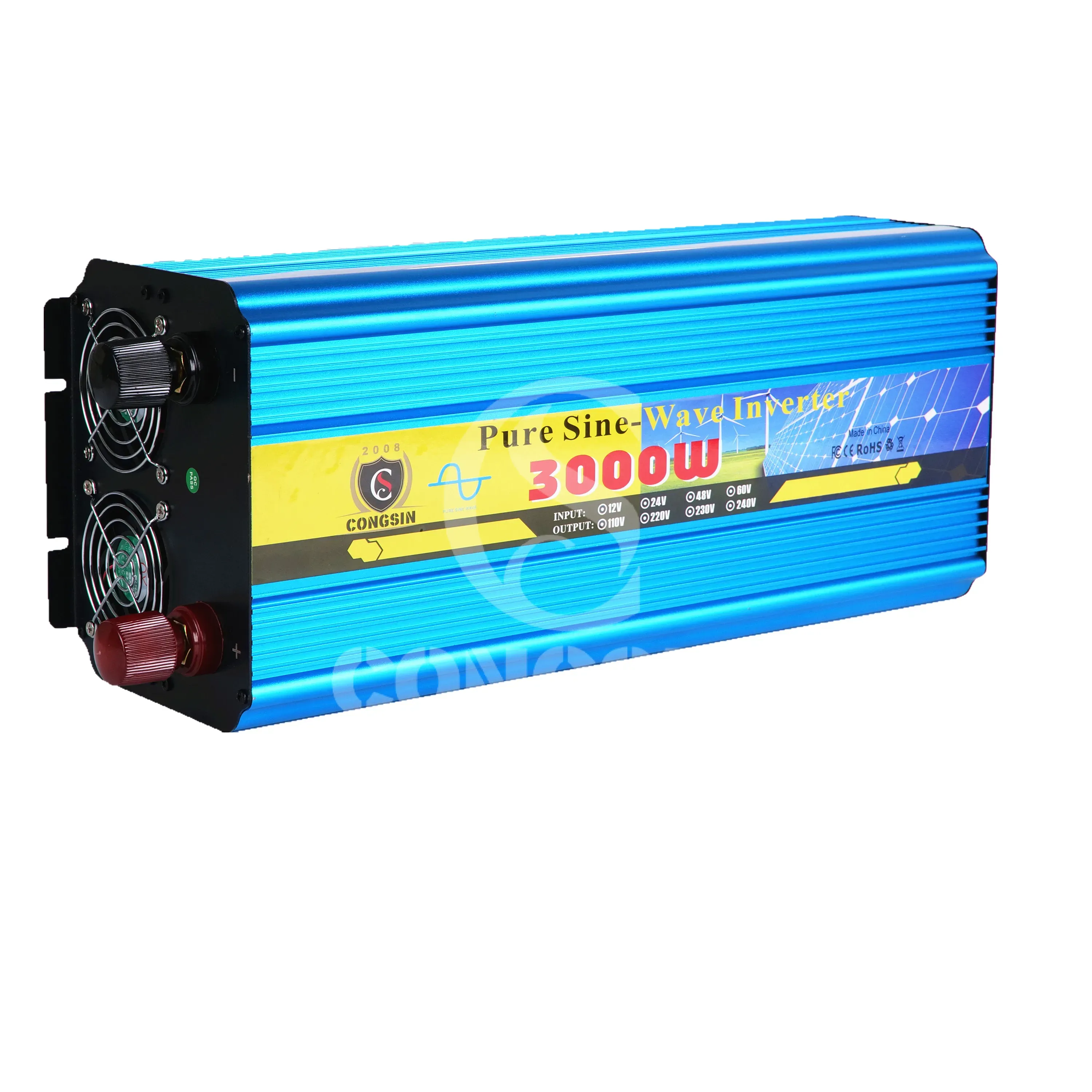
Pure Sine Wave Inverters
What is the reason for the inverter automatically shutting down during operation?
It is likely that the protection mechanism is triggered: 1. Load overload (total power of connected devices exceeds 1000W); 2. Abnormal input voltage (battery voltage <10.8V or >14.5V); 3. Device overtemperature (excessively high ambient temperature or cooling fan failure). It is recommended to disconnect some loads, check the battery voltage or clean the heat dissipation port before trying again.
OEM & ODM Services
What certifications do your products comply with?
All products meet CE, RoHS, FCC, and other market-specific compliance standards.
Get in Touch with Our Team
You can also communicate with us directly through our online contact form. Please fill in the following information, and our team will contact you as soon as possible after receiving your message.

CONGSIN is a trusted OEM factory for power inverters, solar charge controllers, and DC converters. Reliable solutions for global B2B buyers.
 High Quality
 7/24 Service
 Guaranteed Warranty
© 2025 Congsin. All Rights Reserved.