





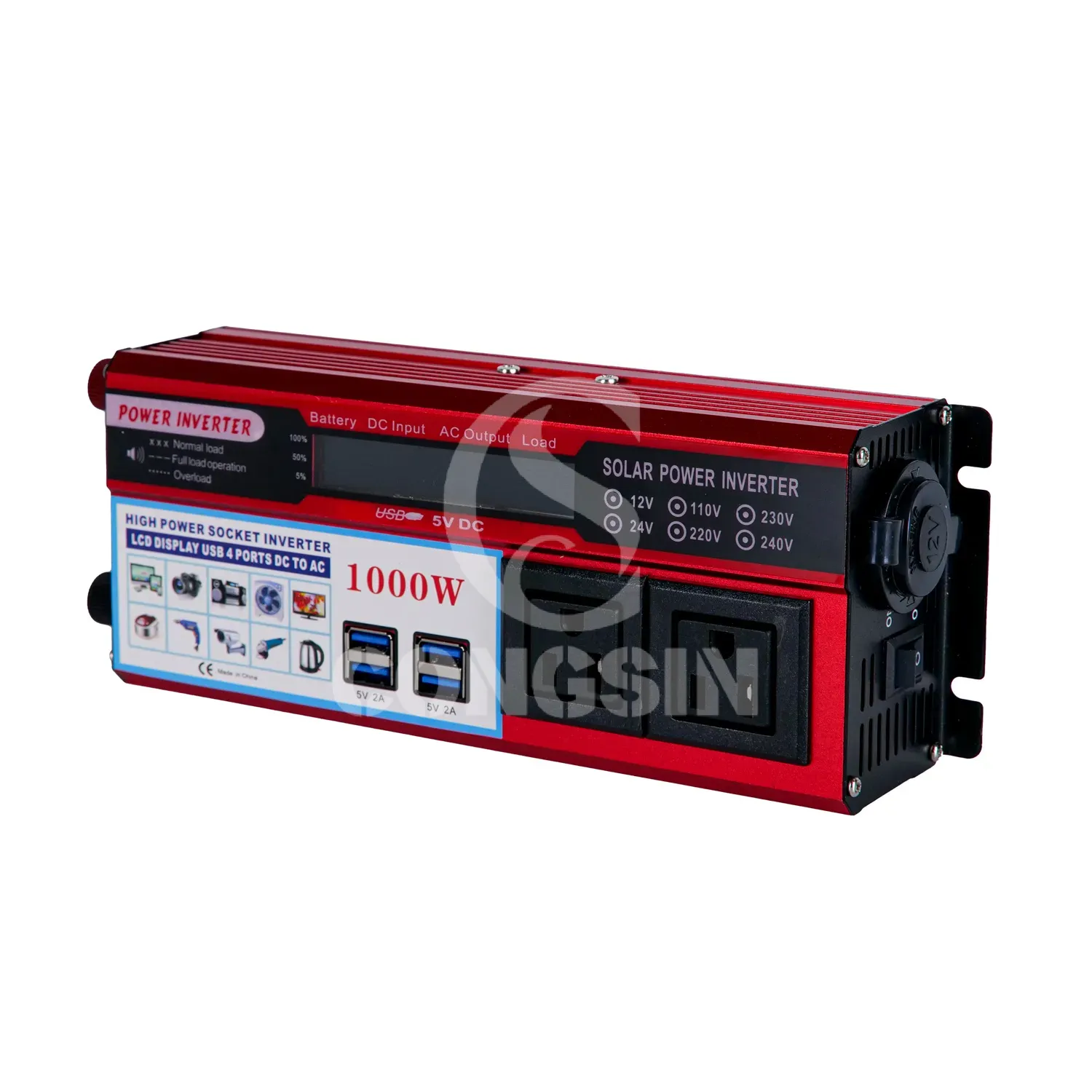
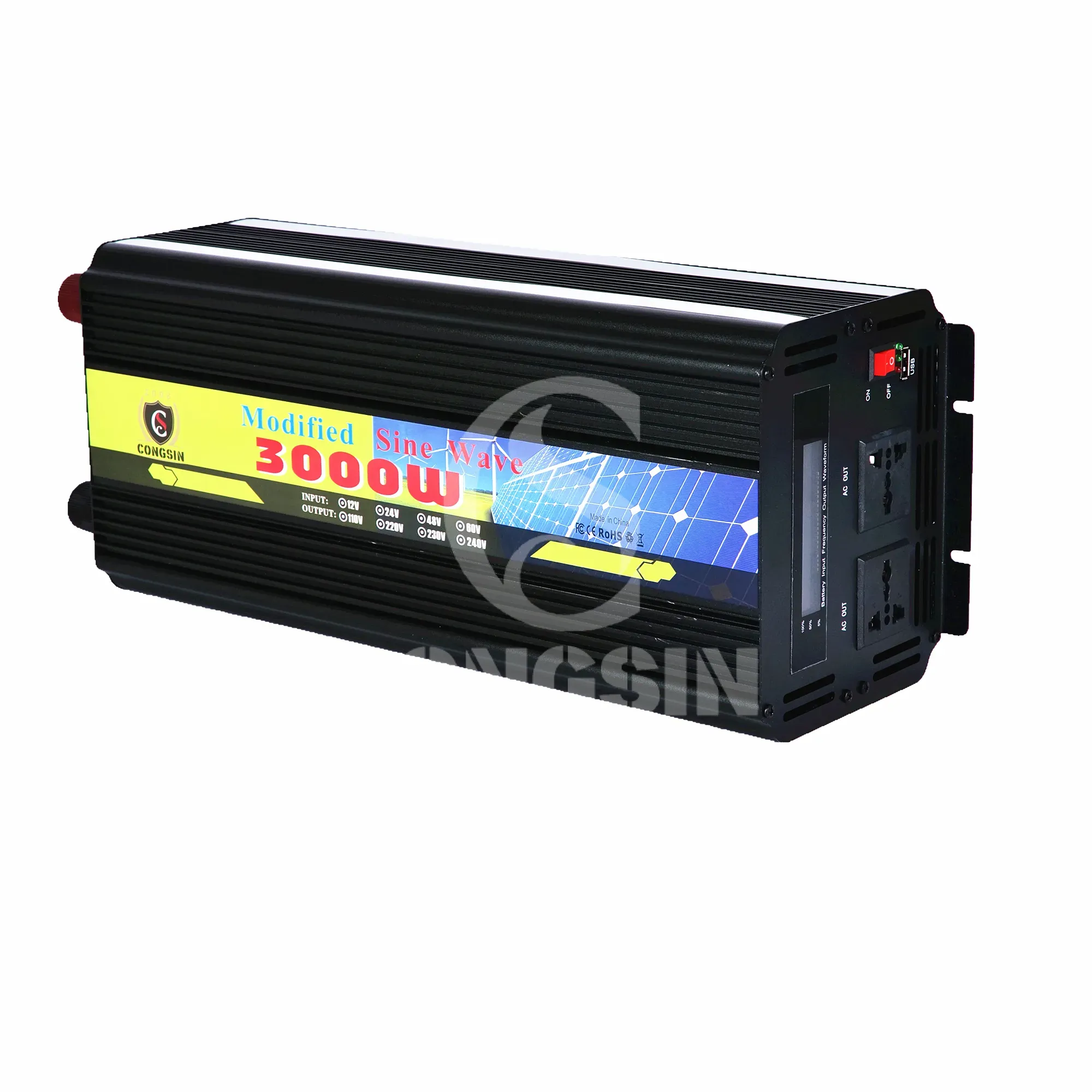
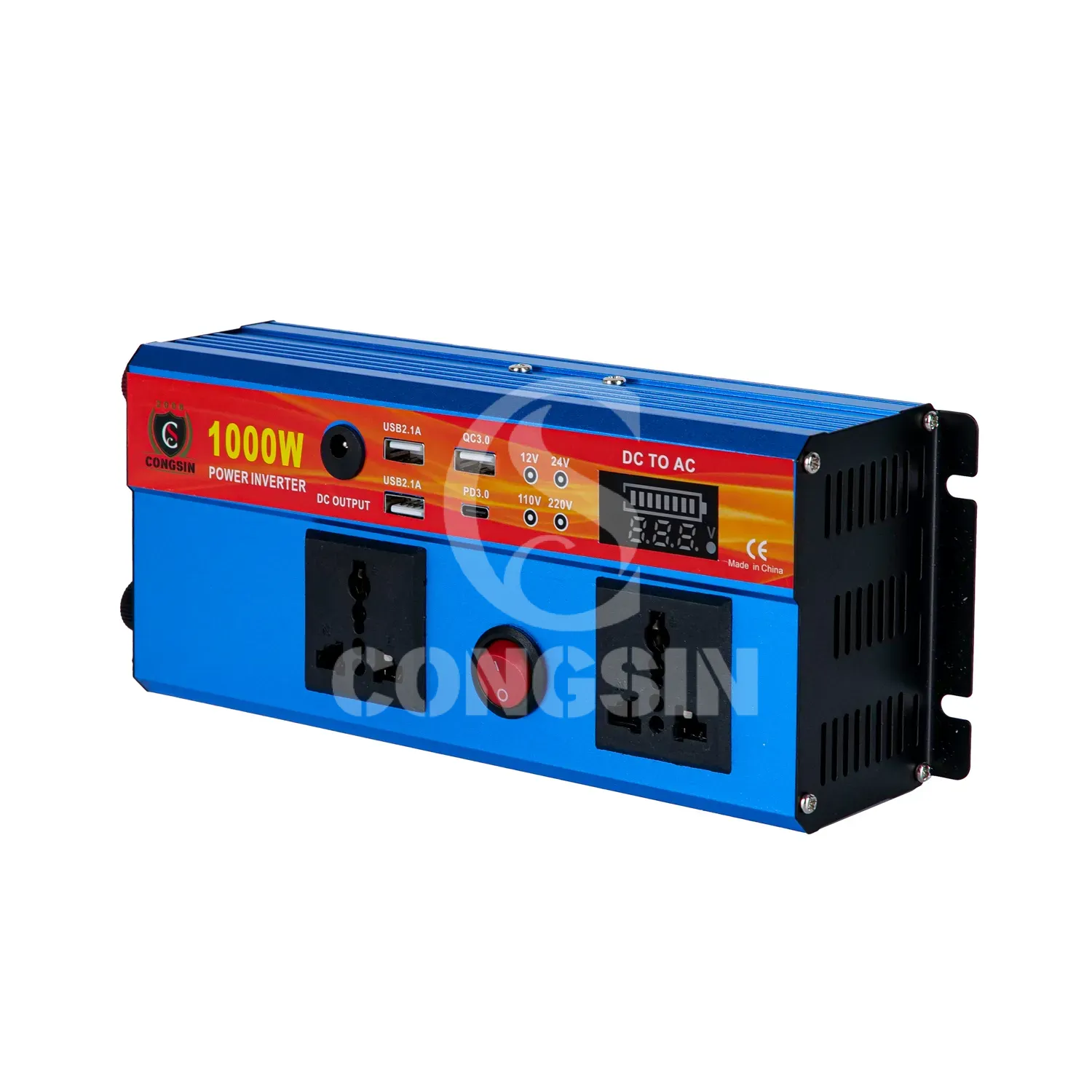
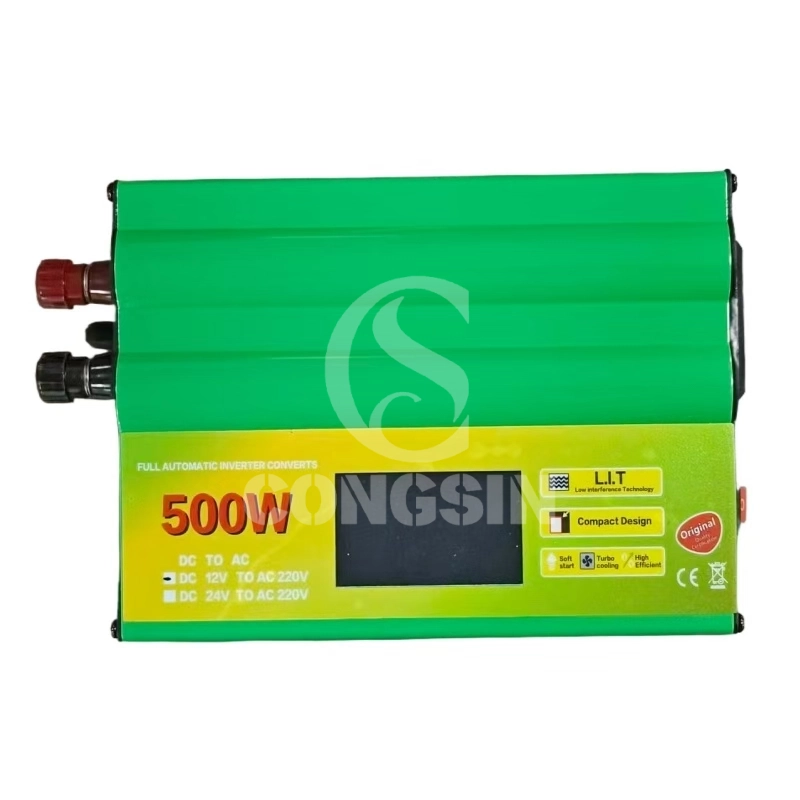
How to choose a 12V inverter for car camping and RV?
- 1. How do I determine the appropriate wattage for a 12V inverter to power my camping and RV appliances?
- 2. What is the difference between pure sine wave and modified sine wave inverters, and which is better for RV use?
- 3. How can I prevent overloading my vehicle's 12V socket when using a power inverter?
- 4. What safety features should I look for in a 12V inverter for camping and RV use?
- 5. How does the efficiency rating of a 12V inverter impact its performance and battery life?
- 6. What are the key considerations for installing a 12V inverter in my RV to ensure safe and efficient operation?
1. How do I determine the appropriate wattage for a 12V inverter to power my camping and RV appliances?
To select the right inverter wattage, list all appliances you intend to use simultaneously and sum their individual wattages. For instance, if you're planning to run a coffee maker (800W), a laptop (100W), and a TV (150W) at the same time, the total wattage required would be 1,050W. It's advisable to choose an inverter with a continuous wattage rating approximately 20–25% higher than your calculated maximum simultaneous load to provide a safety margin. In this example, a 1,500W–2,000W inverter would be suitable. Additionally, consider the surge wattage, as appliances with motors, like refrigerators or microwaves, may require extra power during startup. Ensure the inverter's surge capacity can handle these startup demands.
2. What is the difference between pure sine wave and modified sine wave inverters, and which is better for RV use?
Pure sine wave inverters produce a clean, smooth output that closely resembles the power supplied by utility companies, making them ideal for sensitive electronics such as laptops, medical devices, and audio equipment. They minimize the risk of device malfunction or damage. Modified sine wave inverters, on the other hand, generate a more jagged waveform, which is less compatible with sensitive electronics and may cause issues like buzzing or reduced efficiency. For RV applications, especially when powering sensitive devices, a pure sine wave inverter is recommended.
3. How can I prevent overloading my vehicle's 12V socket when using a power inverter?
Most vehicle 12V sockets are designed to handle a maximum of 120–180W. Exceeding this limit can lead to fuse blowouts or potential damage to the vehicle's electrical system. To prevent overloading, avoid connecting high-wattage inverters directly to the 12V socket. Instead, for inverters exceeding this power range, connect them directly to the vehicle's battery using appropriately gauged cables and include an inline fuse to protect against potential electrical faults.
4. What safety features should I look for in a 12V inverter for camping and RV use?
When selecting a 12V inverter, prioritize models equipped with comprehensive safety features to protect both the inverter and your connected devices. Essential safety protections include: Overload protection: Prevents the inverter from operating beyond its capacity, reducing the risk of damage. Over-voltage and under-voltage protection: Safeguards against voltage fluctuations that could harm the inverter or connected devices. Thermal protection: Shuts down the inverter if it overheats, preventing potential fire hazards. Short circuit protection: Detects and responds to short circuits, minimizing damage. Additionally, features like cooling fans can help maintain optimal operating temperatures, and remote control capabilities offer convenient operation.
5. How does the efficiency rating of a 12V inverter impact its performance and battery life?
The efficiency rating of an inverter indicates the percentage of DC power from your battery that is effectively converted into usable AC power. Higher efficiency means less energy is lost during conversion, leading to longer battery life and more reliable performance. For example, a 90% efficient inverter will waste only 10% of the energy, whereas a less efficient model may waste more. When choosing an inverter, consider its efficiency rating to ensure optimal performance and battery longevity.
6. What are the key considerations for installing a 12V inverter in my RV to ensure safe and efficient operation?
Proper installation of a 12V inverter is crucial for safe and efficient operation. Key considerations include: Battery Capacity: Ensure your battery bank can handle the power demands of the inverter and the appliances you intend to use. For instance, a 1,000W inverter typically requires at least a 100Ah lithium battery. Wiring and Fusing: Use appropriately gauged cables to handle the current and include an inline fuse to protect against electrical faults. Ventilation: Install the inverter in a well-ventilated area to prevent overheating. Avoid placing it near heat-sensitive materials or in confined spaces. Installation Location: Mount the inverter securely to prevent movement during travel and minimize vibration-related damage. By addressing these factors, you can enhance the safety and efficiency of your RV's electrical system.
In conclusion, selecting the right 12V inverter for your car camping and RV needs involves careful consideration of power requirements, waveform types, safety features, efficiency ratings, and installation practices. By thoroughly evaluating these aspects, you can ensure a reliable and enjoyable off-grid experience. For personalized recommendations and quotes, feel free to contact us at info@csinverter.com or visit our website at www.csinverter.com.


Pure Sine Wave Inverters
Can it run inductive loads like fridges or tools?
Yes, pure sine wave output supports all load types.
Modified Sine Wave Inverters
Which plug types are supported by the universal socket?
The universal socket is compatible with most national plug specifications, such as GB, US, EU, etc., and can meet the use of devices in different regions (some require adapters).
Is it normal for the inverter to heat up when working?
It is normal for it to generate some heat when working. If the temperature is too high (e.g., hot to the touch), please stop using it and check if the load is overloaded.
What devices can be powered by this inverter?
Suitable for TVs, fans, computers, and small tools.
Distributor
Do I need to carry inventory?
We offer flexible inventory options based on your market needs, and we can assist with supply chain management.
Get in Touch with Our Team
You can also communicate with us directly through our online contact form. Please fill in the following information, and our team will contact you as soon as possible after receiving your message.

CONGSIN is a trusted OEM factory for power inverters, solar charge controllers, and DC converters. Reliable solutions for global B2B buyers.
 High Quality
 7/24 Service
 Guaranteed Warranty
© 2025 Congsin. All Rights Reserved.