





What specs matter when buying a 12V inverter for cars?
Selecting the appropriate 12V car power inverter is crucial for ensuring reliable power supply to your devices during travel. Below are six specific questions frequently asked by beginners, along with in-depth answers to guide your decision-making process.
1. How do I determine the appropriate wattage for my 12V car power inverter?
To select the right wattage, first calculate the total wattage of the devices you intend to power. For instance, if you plan to run a laptop (50W), a smartphone charger (10W), and a small fan (30W), the combined total is 90W. It's advisable to choose an inverter with a continuous power rating that exceeds this total to accommodate any additional power surges. For example, an inverter rated at 150W would be suitable for this setup.
2. What is the significance of inverter efficiency, and how does it affect battery life?
Inverter efficiency indicates how effectively the device converts DC power from your car's battery to AC power for your devices. Higher efficiency means less energy is lost as heat, leading to longer battery life. For example, an inverter with 90% efficiency will draw approximately 1111W from your battery to provide 1000W of usable power. Considering real-world factors like voltage drop and temperature variations, actual efficiency may be slightly lower.
3. Should I choose a pure sine wave or modified sine wave inverter for my car?
Pure sine wave inverters produce a smooth, consistent waveform similar to grid power, making them ideal for sensitive electronics such as laptops, medical devices, and audio equipment. Modified sine wave inverters are less expensive but can cause interference or potential damage to sensitive devices. Therefore, for optimal performance and safety, especially when powering delicate electronics, a pure sine wave inverter is recommended.
4. How do I install a high-wattage inverter in my car safely?
For inverters exceeding 300W, it's essential to connect them directly to your car's battery to ensure stable power delivery and prevent damage to the vehicle's electrical system. Use appropriately sized cables (e.g., 4 AWG for a 1000W inverter) and include a fuse within 18 inches of the battery terminal to protect against short circuits and overloads. Ensure the inverter is installed in a cool, ventilated area to prevent overheating.
5. What are the safety features to look for in a 12V car power inverter?
Key safety features include over-temperature protection, low and high voltage shutdown, overload protection, and short circuit protection. These features safeguard both the inverter and your devices from potential damage due to electrical anomalies. For example, the Renogy 2000W 12V Pure Sine Wave Inverter offers multiple safety features, including over-temperature protection and short circuit indication.
6. How do I maintain my 12V car power inverter for optimal performance?
Regular maintenance involves keeping the inverter clean and free from dust, ensuring that ventilation openings are unobstructed, and periodically checking the connections for signs of wear or corrosion. It's also advisable to monitor the inverter's performance during use to detect any irregularities promptly. Proper maintenance extends the lifespan of the inverter and ensures reliable operation.
By considering these factors, you can select a 12V car power inverter that meets your power needs while ensuring safety and efficiency.
For personalized recommendations and a quote tailored to your specific requirements, please contact us at info@csinverter.com or visit our website at www.csinverter.com.


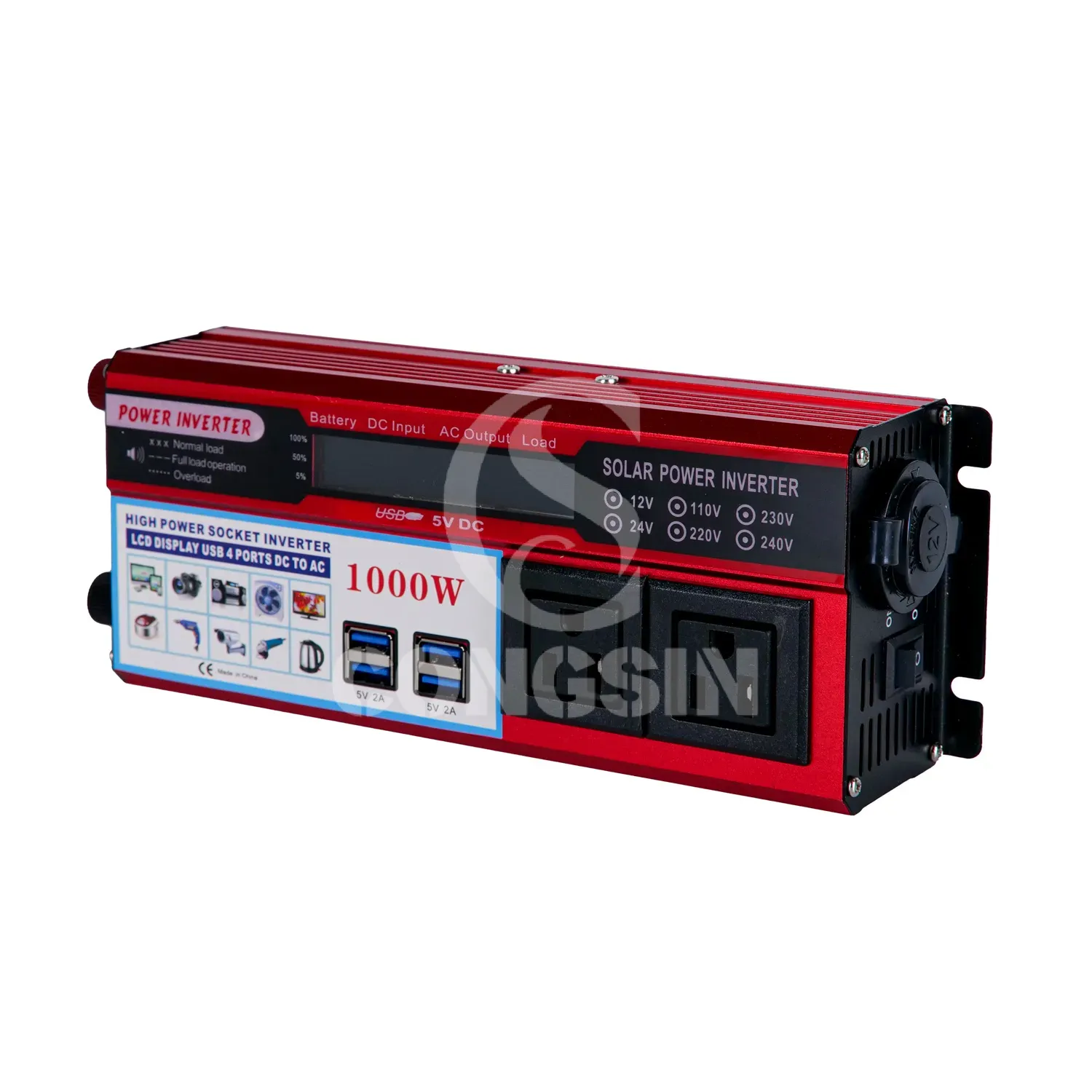
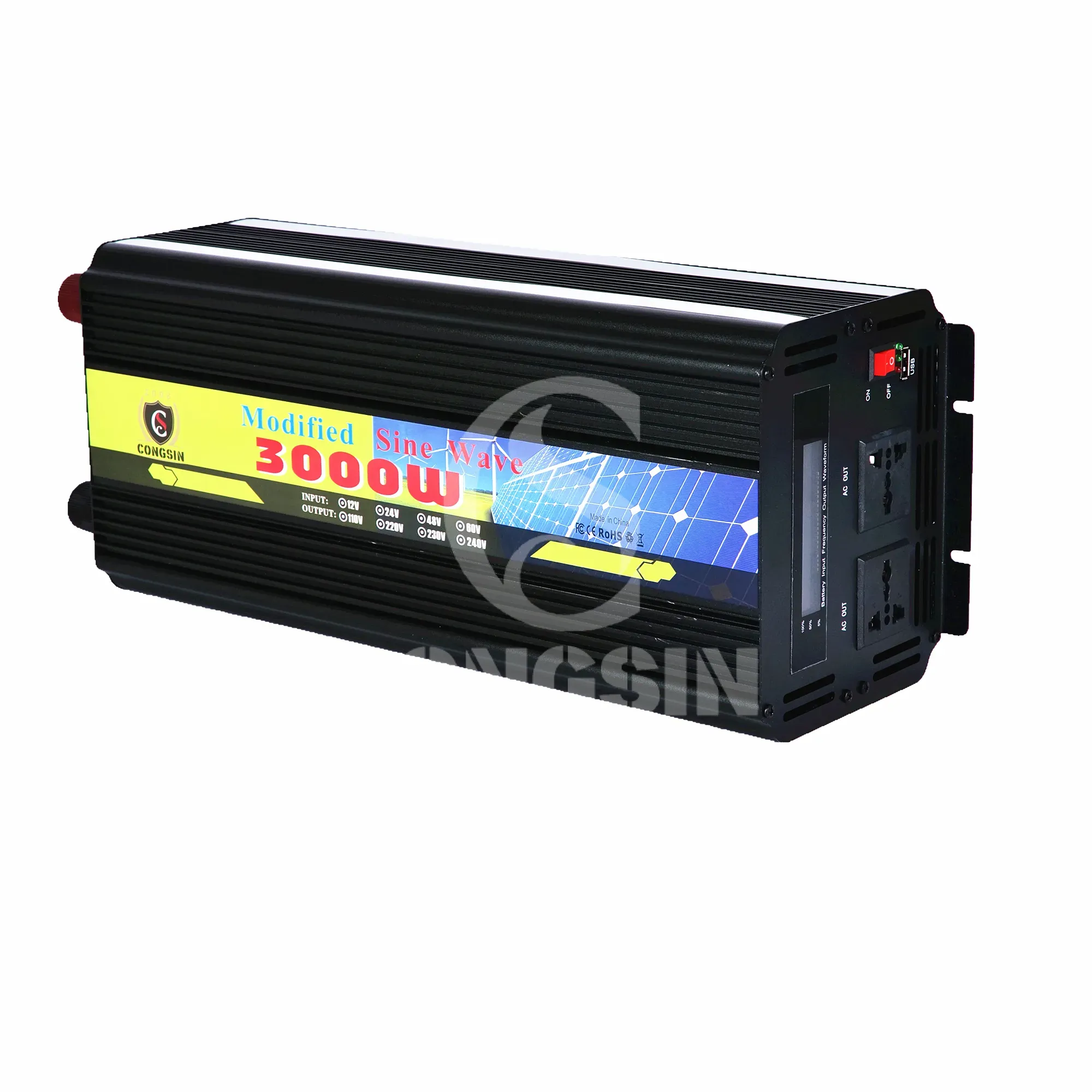
Modified Sine Wave Inverters
What power appliance can this inverter run?
It has a continuous power of 800W, so it can run appliances within 800W; the peak power is 1500W, supporting the instantaneous startup of appliances within 1500W.
Is it normal for the inverter to heat up when working?
It is normal for it to generate some heat when working. If the temperature is too high (e.g., hot to the touch), please stop using it and check if the load is overloaded.
Which types of batteries can it be used with?
It is suitable for common DC batteries such as 12V lead-acid batteries and lithium batteries. Please ensure the battery voltage matches the inverter's input voltage before use.
OEM & ODM Services
What certifications do your products comply with?
All products meet CE, RoHS, FCC, and other market-specific compliance standards.
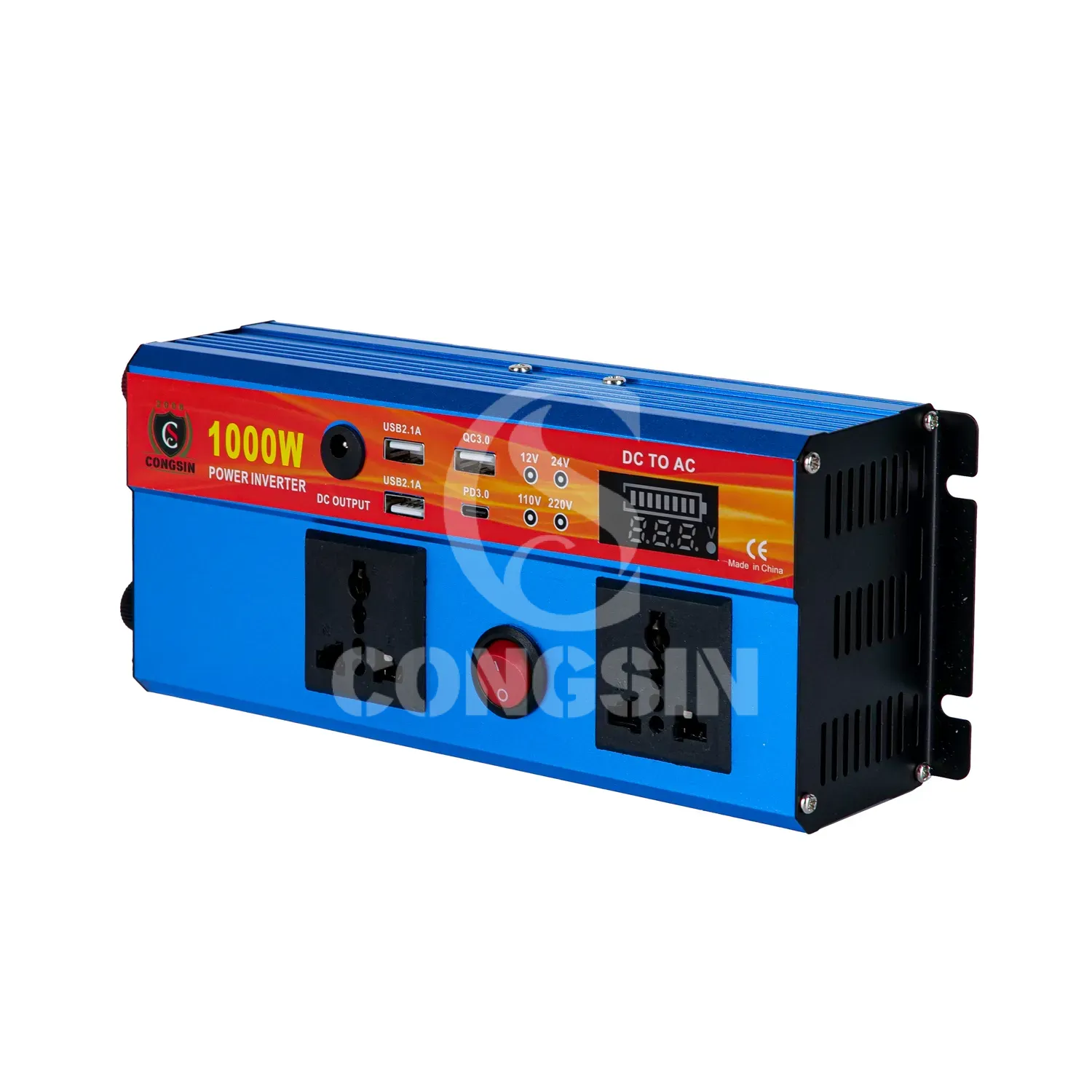
Pure Sine Wave Inverters
What happens if the positive and negative poles are reversed when connecting the battery?
The device features built-in reverse polarity protection. If the positive and negative terminals are connected incorrectly, the circuit will automatically disconnect to prevent damage to the equipment. Simply adjust the battery clip connections (red clip to positive terminal, black clip to negative terminal), then restore power to resume normal operation.
Get in Touch with Our Team
You can also communicate with us directly through our online contact form. Please fill in the following information, and our team will contact you as soon as possible after receiving your message.

CONGSIN is a trusted OEM factory for power inverters, solar charge controllers, and DC converters. Reliable solutions for global B2B buyers.
 High Quality
 7/24 Service
 Guaranteed Warranty
© 2025 Congsin. All Rights Reserved.