





Which 12 volt inverter for car is best for RV and camping?
When embarking on road trips, RV adventures, or camping excursions, having a reliable power source is crucial. A 12-volt inverter allows you to convert your vehicle's DC power into AC power, enabling you to charge and operate various electronic devices. However, with numerous options available, selecting the right inverter can be challenging. Below are six specific questions frequently asked by beginners, along with in-depth answers to guide your decision-making process.
1. What is the difference between pure sine wave and modified sine wave inverters, and which one is better for powering sensitive electronics in my car?
Inverters convert DC power from your vehicle's battery into AC power. There are two primary types:
Pure Sine Wave Inverters: These produce a smooth, consistent waveform similar to the power supplied by utility companies. They are ideal for powering sensitive electronics such as laptops, medical equipment, and audio systems, as they prevent potential damage caused by power fluctuations.
Modified Sine Wave Inverters: These generate a stepped waveform that is less smooth than pure sine wave inverters. While they are generally sufficient for basic devices like lights and fans, they may cause interference or reduced efficiency when used with sensitive electronics.
Recommendation: For powering sensitive electronics in your car, a pure sine wave inverter is recommended to ensure optimal performance and protect your devices from potential damage.
2. How do I determine the appropriate wattage for a 12-volt inverter to ensure it can handle my devices without overloading?
Selecting the correct wattage is essential to prevent overloading the inverter and ensure efficient operation. Here's how to determine the appropriate wattage:
Calculate Total Wattage: List all devices you intend to power and note their individual wattage requirements. Sum these values to determine the total wattage needed.
Consider Surge Power: Some devices, like refrigerators or power tools, require additional power during startup (surge power). Ensure the inverter's surge capacity exceeds the combined surge requirements of your devices.
Example: If your devices require a total of 800 watts and the combined surge is 1,200 watts, a 1,500-watt inverter would be suitable.
3. What are the key safety features to look for in a 12-volt inverter to protect both my vehicle and devices?
Safety features are crucial to prevent damage to your vehicle's electrical system and connected devices. Key safety features to consider include:
Overload Protection: Automatically shuts down the inverter if the connected load exceeds its capacity.
Overvoltage and Undervoltage Protection: Protects against voltage fluctuations that could damage the inverter or connected devices.
Short Circuit Protection: Prevents damage in case of a short circuit in the connected devices.
Thermal Shutdown: Activates when the inverter overheats, preventing potential fire hazards.
Recommendation: Ensure the inverter you choose includes these safety features to safeguard your equipment and vehicle.
4. Can I use a 12-volt inverter to power high-wattage appliances like microwaves or power tools in my RV?
Yes, but it's essential to select an inverter with sufficient capacity:
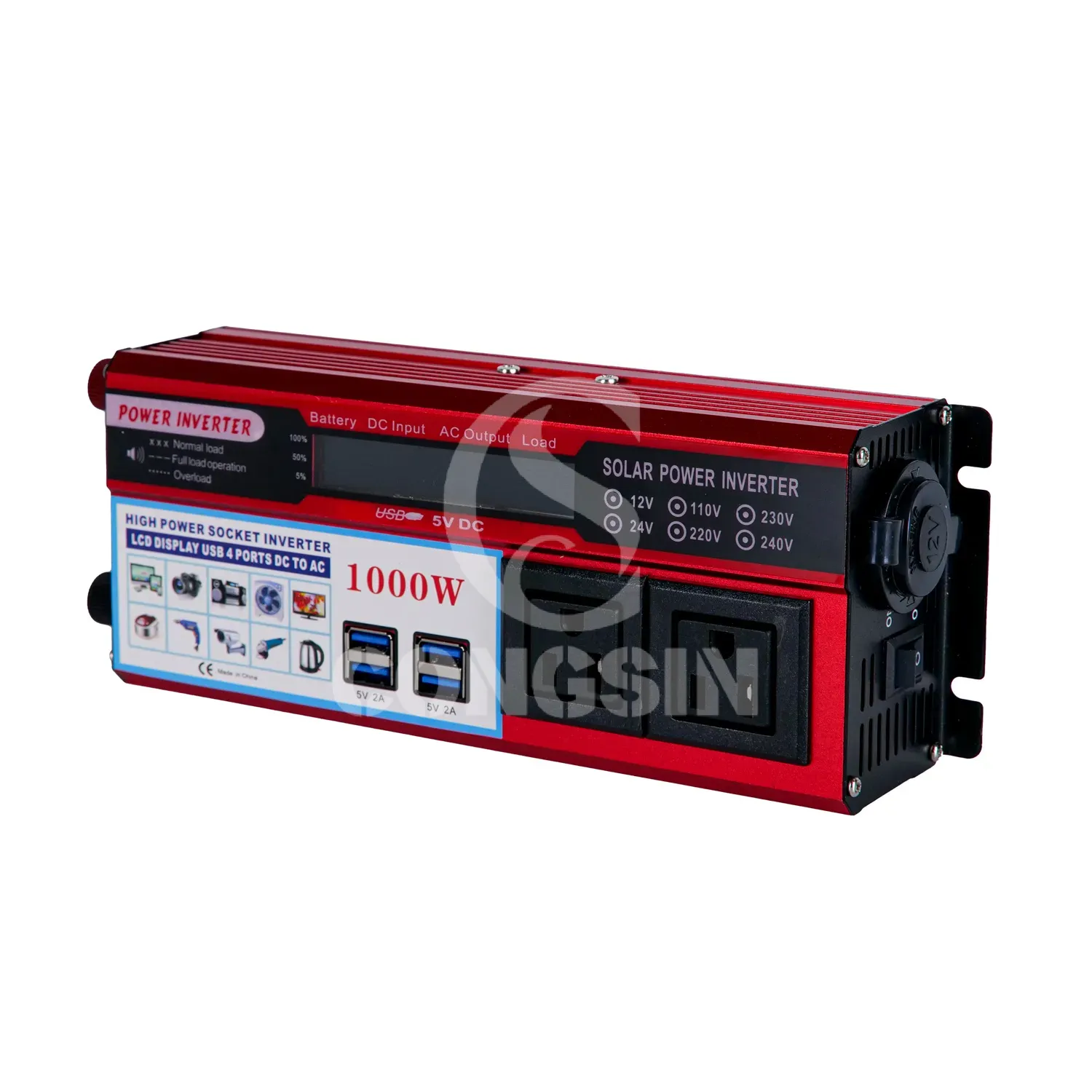
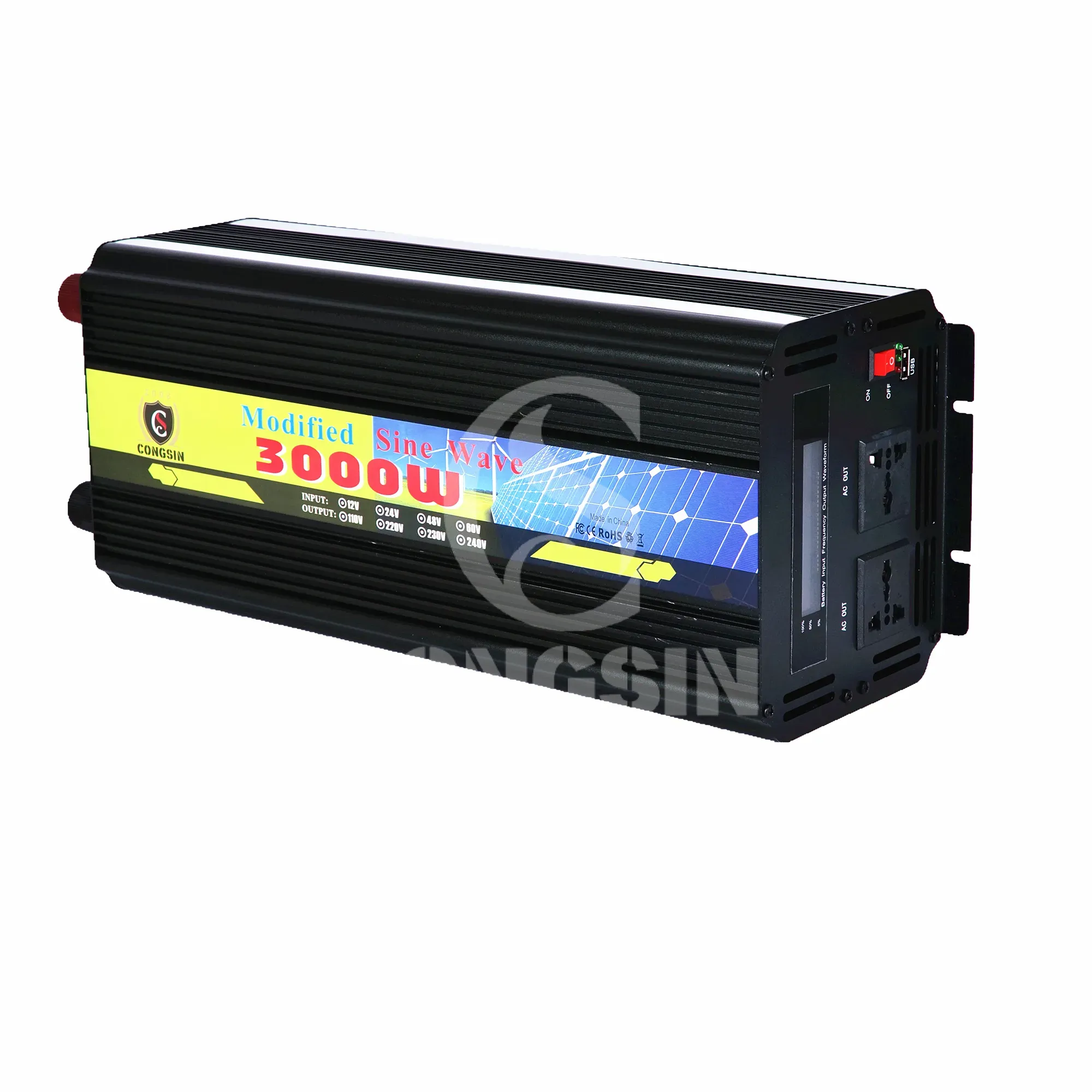
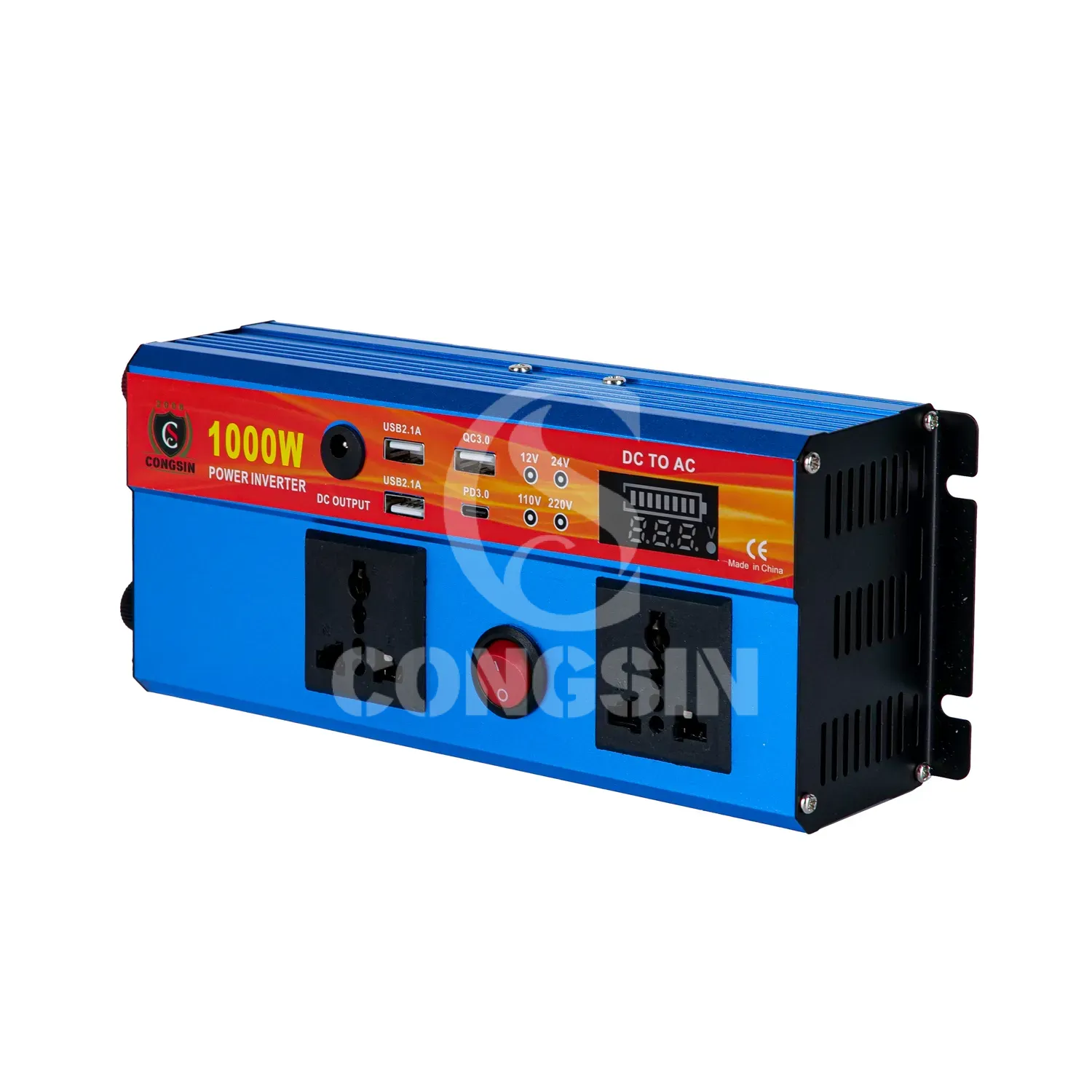
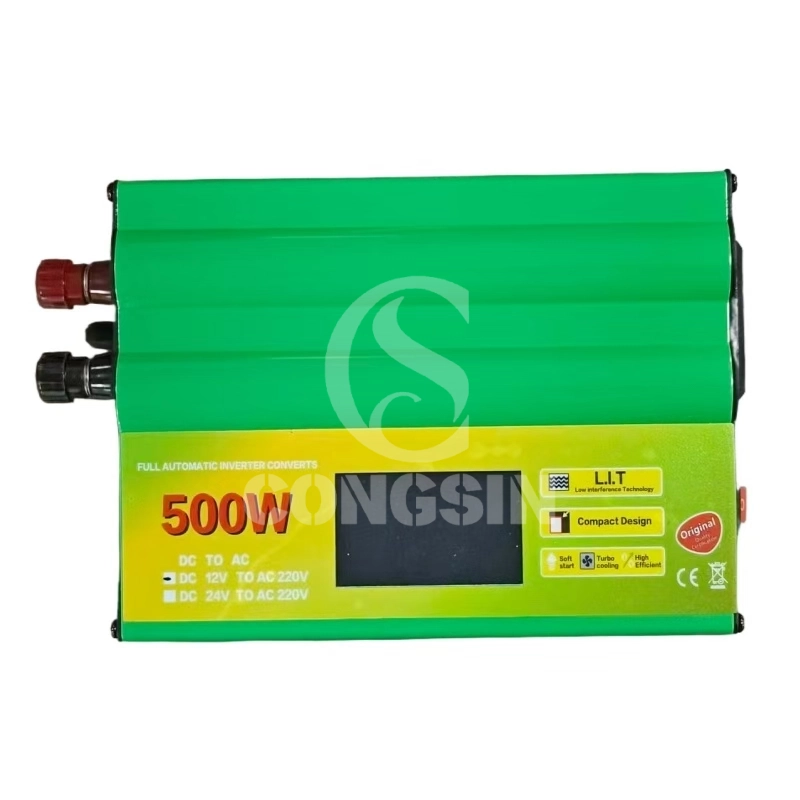
High-Wattage Inverters: Inverters rated at 2,000 watts or higher can handle high-wattage appliances. For instance, the GoWISE USA 3,000-Watt Continuous/6,000-Watt Peak Pure Sine Wave Inverter is designed to power heavy-duty appliances.
Surge Capacity: Ensure the inverter's surge capacity exceeds the startup wattage of your appliances.
Recommendation: For high-wattage appliances, choose a high-capacity inverter with adequate surge power to ensure reliable operation.
5. How does the installation process of a 12-volt inverter differ between using a cigarette lighter socket and direct battery connection in my car?
The installation method affects the inverter's performance and the types of devices you can power:
Cigarette Lighter Socket: Suitable for low-power devices (up to 150-200 watts). Installation is straightforward—plug the inverter into the socket. However, this method may not provide sufficient power for high-wattage appliances.
Direct Battery Connection: Provides a more stable power source and is necessary for high-wattage devices. Installation involves connecting the inverter directly to the vehicle's battery, which may require professional assistance.
Recommendation: For powering high-wattage appliances, a direct battery connection is recommended to ensure adequate power supply and prevent overloading the vehicle's electrical system.
6. Are there any maintenance practices I should follow to ensure the longevity and optimal performance of my 12-volt inverter?
Proper maintenance extends the life of your inverter and ensures reliable performance:
Regular Cleaning: Dust and debris can accumulate, affecting performance. Clean the inverter's vents and exterior with a soft cloth regularly.
Check Connections: Ensure all connections are secure and free from corrosion. Loose or corroded connections can lead to power loss or damage.
Monitor Battery Health: Since the inverter relies on your vehicle's battery, ensure it's in good condition to prevent potential issues.
Recommendation: Implement these maintenance practices to keep your inverter functioning optimally and extend its service life.
Conclusion
Selecting the right 12-volt inverter involves understanding your power needs, the types of devices you intend to use, and the specific requirements of your vehicle. By considering factors such as waveform type, wattage, safety features, installation methods, and maintenance practices, you can make an informed decision that ensures reliable power during your travels and adventures.
For personalized recommendations and a quote tailored to your specific needs, please contact us at info@csinverter.com or visit our website at www.csinverter.com.


Modified Sine Wave Inverters
Does it only support DC12V input voltage?
The regular model has DC12V input, and other input voltages such as DC24V can be customized. Please consult customer service for details.
What capacity battery can be used with it?
It is recommended to use a 12V 100Ah-200Ah lead-acid battery or lithium battery; the larger the battery capacity, the longer the UPS power supply time (e.g., a 100Ah battery can support a 100W device to work continuously for about 10 hours).
Can this 2000W inverter power an air conditioner?
If the air conditioner power is within 2000W and the input is AC220V, it can supply power normally. It is recommended to ensure stable power when starting.
Pure Sine Wave Inverters
Does it include protection features?
Yes, it has sixfold safety protection for reliable performance.
OEM & ODM Services
Can I order samples before production?
Yes, we offer sample evaluation and prototype testing.
Get in Touch with Our Team
You can also communicate with us directly through our online contact form. Please fill in the following information, and our team will contact you as soon as possible after receiving your message.

CONGSIN is a trusted OEM factory for power inverters, solar charge controllers, and DC converters. Reliable solutions for global B2B buyers.
 High Quality
 7/24 Service
 Guaranteed Warranty
© 2025 Congsin. All Rights Reserved.