





Cost vs benefit: is buying a 12 volt inverter for car worth it?
- 1. What is a 12 volt inverter for a car, and how does it function?
- 2. What are the key factors to consider when selecting a 12 volt inverter for my vehicle?
- 3. How do I determine the appropriate wattage for my 12 volt car inverter?
- 4. Are there any safety concerns associated with using a 12 volt inverter in my car?
- 5. What are the advantages and disadvantages of purchasing a 12 volt inverter for my car?
- 6. How do I install and maintain a 12 volt inverter in my car?
1. What is a 12 volt inverter for a car, and how does it function?
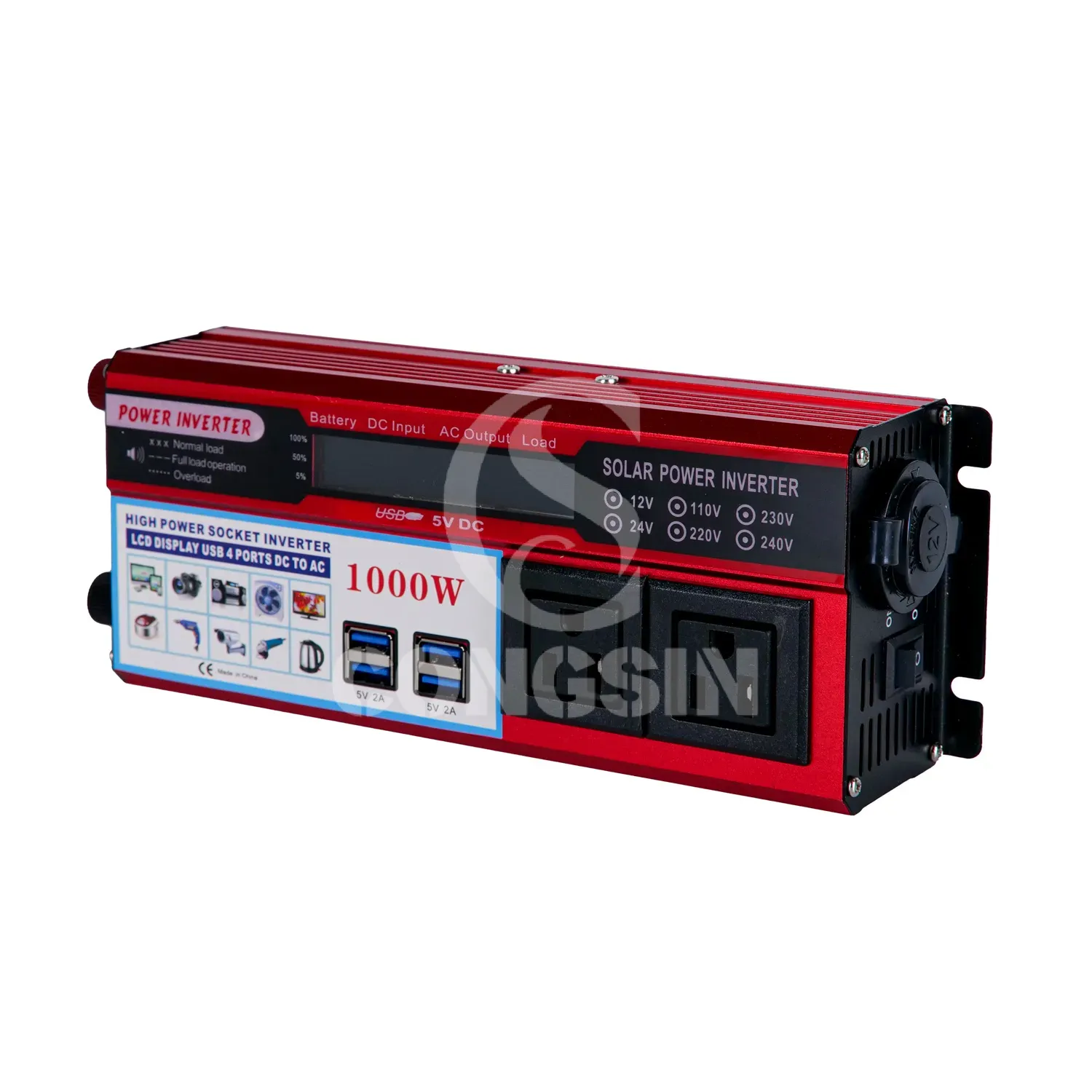
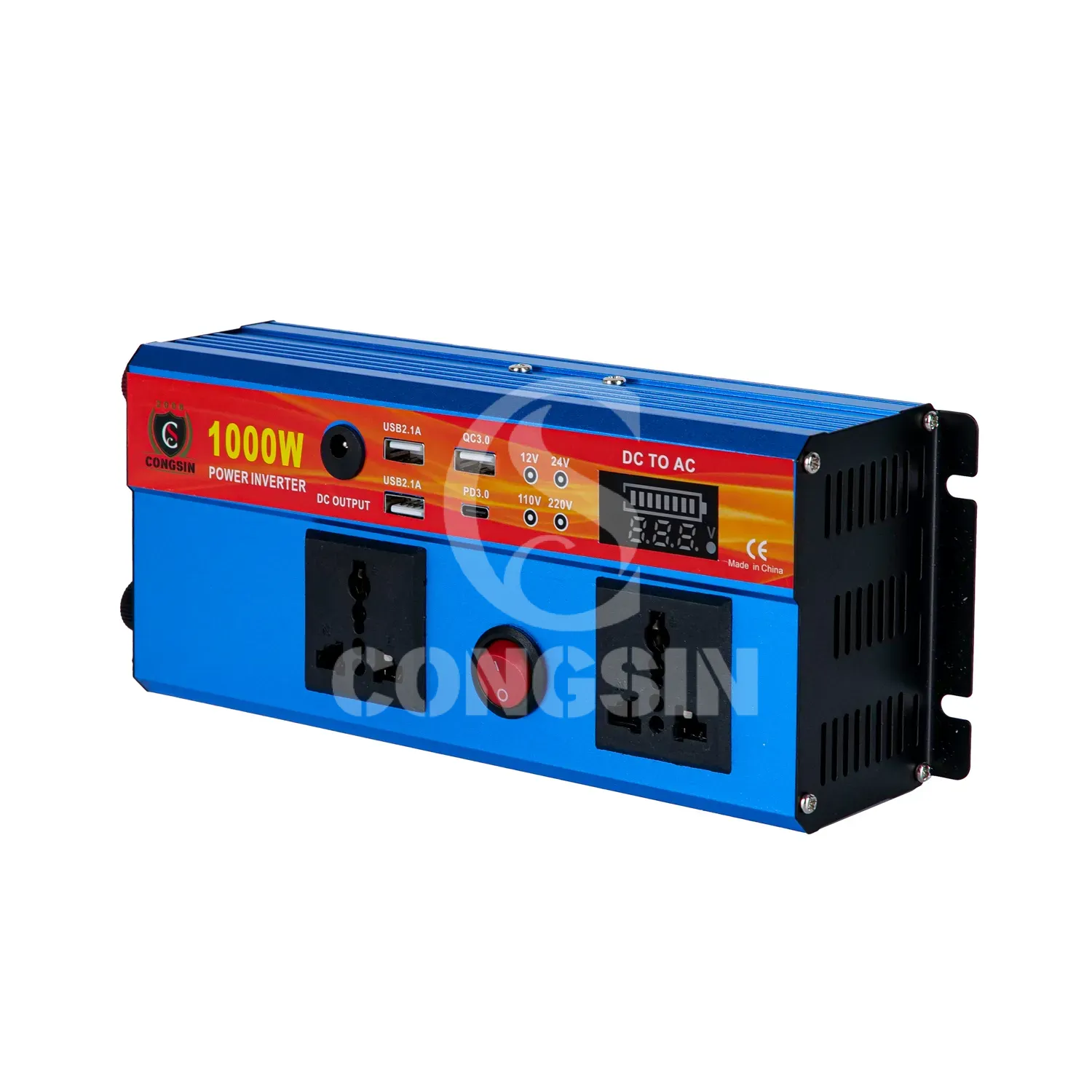
A 12 volt inverter for a car is a device that converts your vehicle's 12V DC (direct current) power into 110V AC (alternating current) power, enabling you to operate standard household appliances and electronic devices while on the road. This conversion is essential for powering items such as laptops, smartphones, small appliances, and other electronics that require AC power. The inverter is typically connected to the car's battery or plugged into the cigarette lighter socket, depending on its design and power capacity.
2. What are the key factors to consider when selecting a 12 volt inverter for my vehicle?
When choosing a 12 volt inverter, consider the following factors:
Power Requirements: Determine the total wattage of the devices you intend to power. Inverters are rated by their continuous and peak power outputs. For instance, the BESTEK 300W Power Inverter offers 300W continuous and 700W peak power, suitable for charging laptops and smartphones.
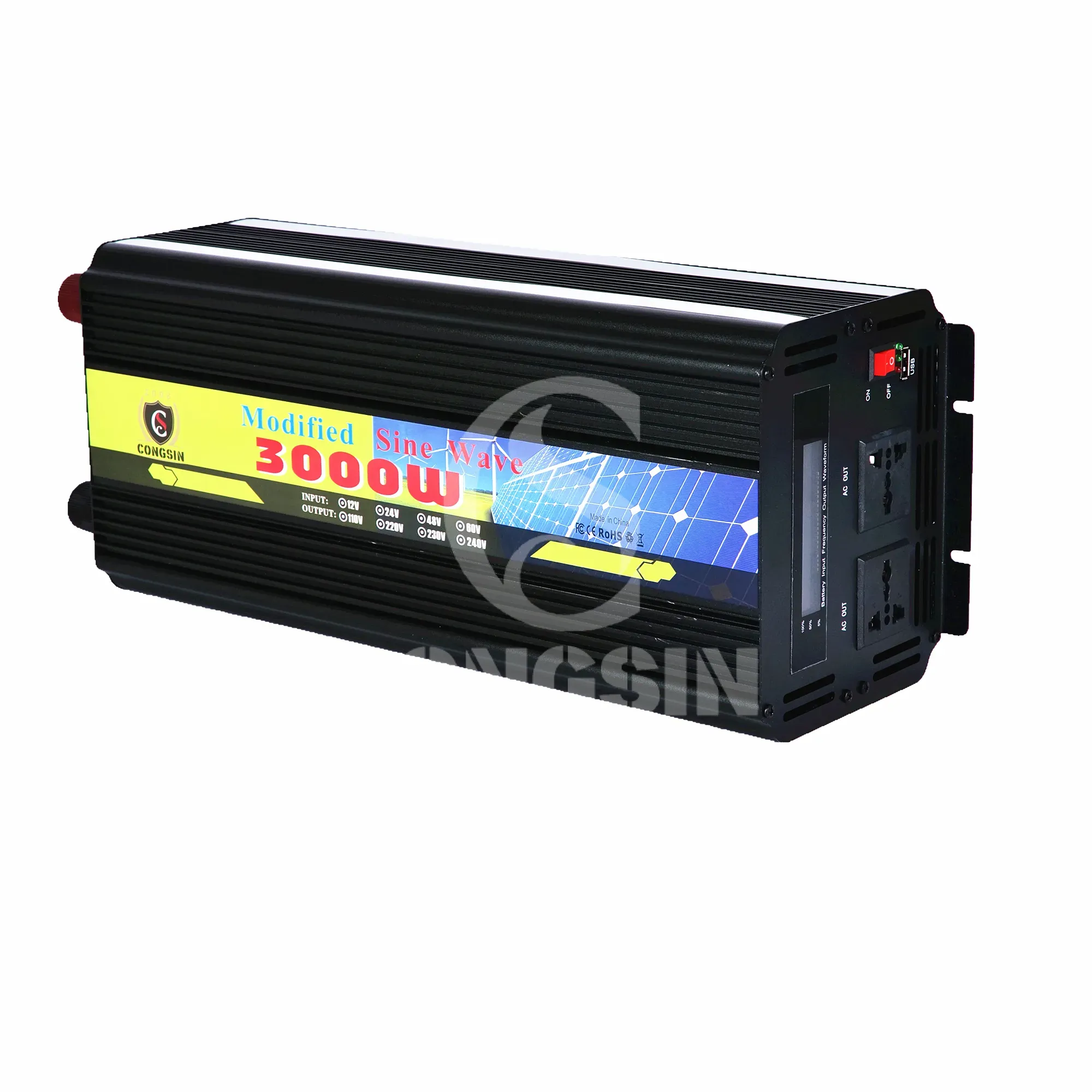
Type of Output: Decide between pure sine wave and modified sine wave inverters. Pure sine wave inverters provide cleaner power, making them ideal for sensitive electronics, while modified sine wave inverters are more cost-effective but may not be suitable for all devices.
Number and Type of Outlets: Assess the number and type of outlets required. Some inverters offer multiple AC outlets and USB ports for simultaneous charging of multiple devices.
Safety Features: Look for built-in protections such as overvoltage, undervoltage, short circuit, and overheat protection to ensure the safety of both the inverter and your devices.
Portability and Size: Consider the inverter's size and weight, especially if you have limited space in your vehicle. Compact models like the FOVAL 150W Car Power Inverter are lightweight and easy to store.
3. How do I determine the appropriate wattage for my 12 volt car inverter?
To select the right wattage:
Calculate Total Wattage: Add up the wattage of all devices you plan to use simultaneously. For example, if you have a laptop (60W), a smartphone charger (10W), and a small fan (30W), the total is 100W.
Consider Surge Power: Some devices require additional power during startup. Ensure the inverter's peak power rating accommodates these surges. The Kinverch 2000W Continuous/4000W Peak Power Inverter provides 2000W continuous and 4000W peak power, suitable for high-demand appliances.
Add a Safety Margin: It's advisable to choose an inverter with a power rating 20-30% higher than your total wattage to prevent overloading and ensure efficient operation.
4. Are there any safety concerns associated with using a 12 volt inverter in my car?
Yes, several safety considerations include:
Overloading: Connecting devices that exceed the inverter's power capacity can lead to overheating or damage. Always check the inverter's specifications and ensure your devices' combined wattage is within the safe operating range.
Battery Drain: Prolonged use of the inverter can drain your car's battery, especially if the engine is off. It's recommended to run the engine while using the inverter to prevent battery depletion.
Heat Generation: Inverters can generate heat during operation. Ensure proper ventilation and avoid placing the inverter on soft surfaces that may obstruct airflow.
Electrical Hazards: Faulty wiring or damaged components can pose electrical risks. Regularly inspect the inverter and its connections for signs of wear or damage.
5. What are the advantages and disadvantages of purchasing a 12 volt inverter for my car?
Advantages:
Convenience: Provides the ability to power and charge devices on the go, making it ideal for road trips, camping, or emergencies.
Versatility: Suitable for a wide range of devices, from smartphones to small appliances, depending on the inverter's capacity.
Cost-Effective: Inverters are generally affordable, with options available across various price points to suit different budgets.
Disadvantages:
Power Limitations: Higher-capacity inverters can be expensive and may not be necessary for basic charging needs.
Battery Drain: Extended use without the engine running can lead to significant battery depletion.
Size and Portability: Larger inverters may be bulky and require dedicated storage space in your vehicle.
6. How do I install and maintain a 12 volt inverter in my car?
Installation:
Direct Battery Connection: For higher-capacity inverters, connect directly to the car's battery using appropriate cables and connectors. Ensure correct polarity to prevent damage.
Cigarette Lighter Socket: For lower-capacity inverters, plug into the vehicle's cigarette lighter socket. Ensure the socket can handle the inverter's power requirements.
Maintenance:
Regular Inspection: Periodically check the inverter for signs of wear, damage, or overheating.
Cleanliness: Keep the inverter's vents and cooling fans free from dust and debris to ensure efficient operation.
Firmware Updates: If applicable, check for and install any firmware updates provided by the manufacturer to maintain optimal performance.
In conclusion, a 12 volt inverter can be a valuable addition to your vehicle, offering the flexibility to power and charge various devices while on the move. By carefully considering your power needs, selecting a suitable inverter, and adhering to safety and maintenance guidelines, you can enhance your driving experience and ensure reliable operation of your electronic devices.
For personalized recommendations and a quote tailored to your specific requirements, please contact us at info@csinverter.com or visit our website at www.csinverter.com.


Modified Sine Wave Inverters
How to install the battery terminal wire?
Connect the red terminal wire to the positive pole of the battery and the black terminal wire to the negative pole. Ensure the interface is firm and there is no short circuit when connecting.
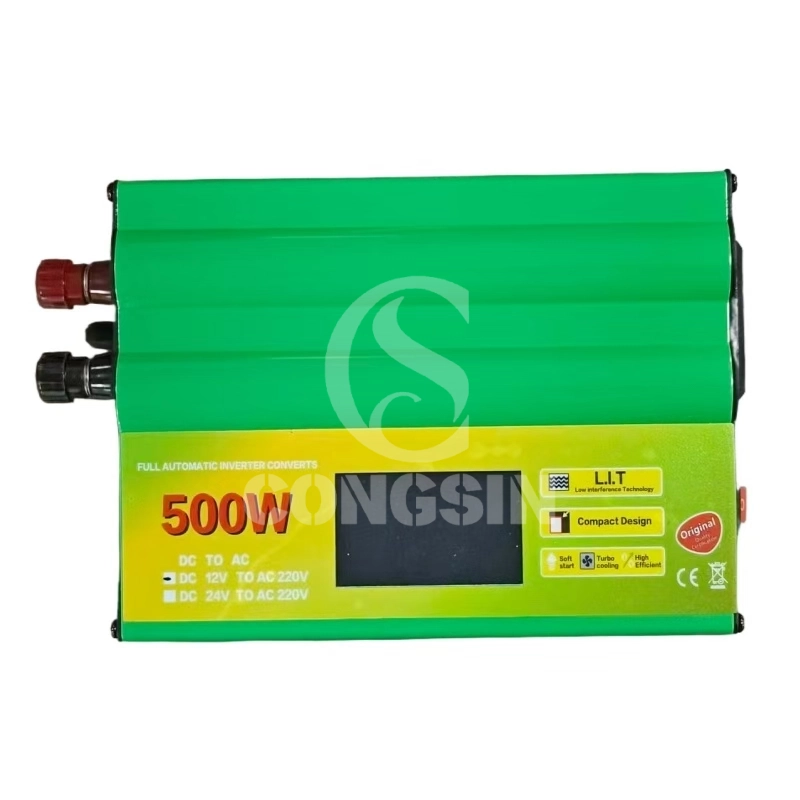
Can this inverter support both 12V and 24V inputs
Yes, it can work with different voltage systems via selectable input terminals.
Products
Can this inverter run a refrigerator or power tools?
Recommended load ≤80% of rated power. For inductive loads, use a pure sine wave model.
Pure Sine Wave Inverters
Can this inverter drive a 3P air conditioner and a refrigerator at the same time?
Yes. The rated power of a 3P air conditioner is about 2200W-2500W, and an ordinary double-door refrigerator is about 150W-300W, with a total power of about 2350W-2800W, which does not exceed the 3000W continuous power; and the peak 6000W can cope with the instantaneous startup impact of the air conditioner. When using, ensure the battery capacity is ≥200Ah (12V) to ensure battery life.
Distributor
Do you provide marketing and sales materials?
Yes, we provide a range of marketing resources, including brochures, digital content, and product training.
Get in Touch with Our Team
You can also communicate with us directly through our online contact form. Please fill in the following information, and our team will contact you as soon as possible after receiving your message.

CONGSIN is a trusted OEM factory for power inverters, solar charge controllers, and DC converters. Reliable solutions for global B2B buyers.
 High Quality
 7/24 Service
 Guaranteed Warranty
© 2025 Congsin. All Rights Reserved.