





Are bidirectional solar inverters compatible with smart meters?
- 1. What are the key differences between bidirectional and unidirectional solar inverters?
- 2. How do bidirectional solar inverters enhance energy efficiency in residential systems?
- 3. Are bidirectional solar inverters compatible with all smart meters?
- 4. What are the common installation challenges associated with bidirectional solar inverters?
- 5. How do bidirectional solar inverters contribute to grid stability?
- 6. What maintenance practices are recommended for bidirectional solar inverters?
1. What are the key differences between bidirectional and unidirectional solar inverters?
Bidirectional solar inverters, also known as hybrid inverters, can manage both the conversion of direct current (DC) from solar panels to alternating current (AC) for immediate use and the conversion of DC from battery storage systems to AC. This dual functionality allows for energy storage during peak production times and utilization during periods of low solar generation or high demand. In contrast, unidirectional inverters only convert DC from solar panels to AC, without the capability to manage energy storage or battery integration. This distinction is crucial for homeowners and businesses aiming for energy independence and optimized energy management.
2. How do bidirectional solar inverters enhance energy efficiency in residential systems?
Bidirectional inverters enhance energy efficiency by enabling energy storage during periods of high solar production, such as midday, and utilizing stored energy during peak demand times or at night. This process, known as load shifting, reduces reliance on the grid, lowers electricity bills, and minimizes energy losses associated with transmission and distribution. Additionally, by integrating with battery storage systems, bidirectional inverters provide backup power during outages, ensuring a continuous energy supply and further enhancing overall system efficiency.
3. Are bidirectional solar inverters compatible with all smart meters?
Compatibility between bidirectional solar inverters and smart meters depends on several factors, including communication protocols and system configurations. Many modern smart meters support standard communication protocols like Modbus RTU/TCP, SunSpec, or DLMS/COSEM, enabling seamless integration with inverters from leading manufacturers. However, it's essential to verify that the specific models of both the inverter and smart meter are compatible. Consulting the manufacturer's specifications and, if necessary, seeking professional advice can ensure proper integration and optimal system performance.
4. What are the common installation challenges associated with bidirectional solar inverters?
Common installation challenges for bidirectional solar inverters include ensuring proper ventilation to prevent overheating, correct wiring to avoid isolation faults, and compatibility with existing electrical systems. Overheating can lead to reduced efficiency and potential damage to internal components. Isolation faults, resulting from improper installation, can pose safety risks and affect system performance. Additionally, integrating bidirectional inverters with existing electrical systems may require upgrades to accommodate energy storage solutions and ensure seamless operation. Addressing these challenges requires careful planning, adherence to installation guidelines, and, when necessary, consultation with qualified professionals.
5. How do bidirectional solar inverters contribute to grid stability?
Bidirectional solar inverters contribute to grid stability by providing ancillary services such as voltage regulation, frequency support, and reactive power compensation. By dynamically adjusting their output, these inverters can help balance supply and demand, mitigate voltage fluctuations, and support overall grid reliability. Their ability to store and dispatch energy also aids in managing peak loads and integrating renewable energy sources, thereby enhancing the resilience and stability of the electrical grid.
6. What maintenance practices are recommended for bidirectional solar inverters?
Recommended maintenance practices for bidirectional solar inverters include regular inspections to check for signs of wear or damage, cleaning of vents and fans to prevent overheating, and monitoring system performance to identify potential issues early. It's also advisable to keep firmware and software updated to ensure optimal functionality and security. Regular maintenance helps extend the lifespan of the inverter, ensures efficient operation, and minimizes the risk of unexpected failures.
In conclusion, bidirectional solar inverters offer significant advantages in energy management, efficiency, and grid integration. Their ability to manage both solar generation and energy storage makes them a valuable component in modern solar energy systems. For personalized advice and a detailed quote tailored to your specific needs, please contact us at info@csinverter.com or visit our website at www.csinverter.com.


Modified Sine Wave Inverters
Is it normal for the inverter to heat up when working?
It is normal for it to generate some heat when working. If the temperature is too high (e.g., hot to the touch), please stop using it and check if the load is overloaded.
What power appliance can this inverter run?
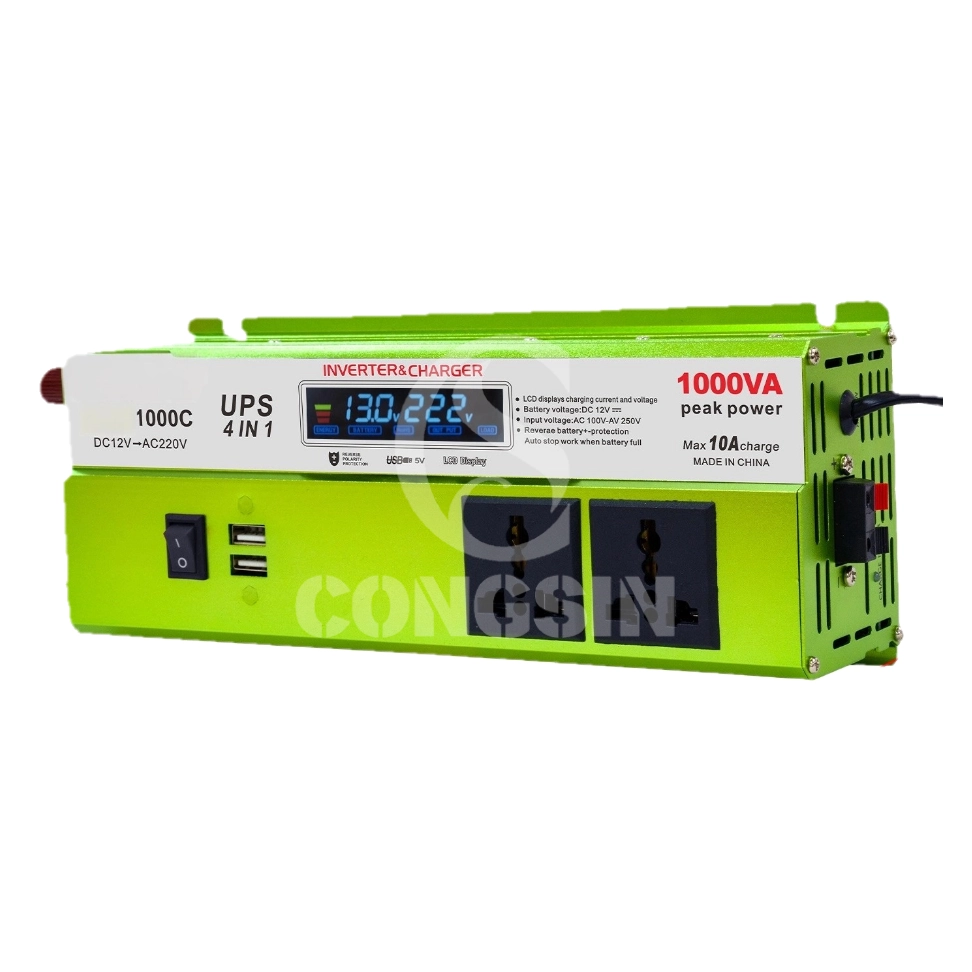
It has a continuous power of 800W, so it can run appliances within 800W; the peak power is 1500W, supporting the instantaneous startup of appliances within 1500W.
Does the UPS function require additional mains connection?
Yes. The inverter needs to be connected to a home/office socket via the included mains cable, and the device will automatically detect the mains status; when the mains power is interrupted, it will switch to battery power immediately.
Is the cooling fan noisy during operation?
The noise is low (≤45 decibels, equivalent to normal conversation volume). The fan uses a silent motor and automatically adjusts the speed according to the device temperature (low-speed operation when temperature <40℃, high-speed operation when >60℃), balancing heat dissipation and noise.
OEM & ODM Services
What certifications do your products comply with?
All products meet CE, RoHS, FCC, and other market-specific compliance standards.
Get in Touch with Our Team
You can also communicate with us directly through our online contact form. Please fill in the following information, and our team will contact you as soon as possible after receiving your message.

CONGSIN is a trusted OEM factory for power inverters, solar charge controllers, and DC converters. Reliable solutions for global B2B buyers.
 High Quality
 7/24 Service
 Guaranteed Warranty
© 2025 Congsin. All Rights Reserved.