





What warranty and lifespan for bidirectional solar inverters?
- 1. What is a bidirectional solar inverter, and how does it differ from traditional inverters?
- 2. What are the key benefits of installing a bidirectional solar inverter in a residential solar system?
- 3. What warranty and lifespan can I expect from a bidirectional solar inverter?
- 4. What are the common issues associated with bidirectional solar inverters, and how can they be mitigated?
- 5. How does a bidirectional solar inverter contribute to energy storage and backup power during outages?
- 6. What factors should be considered when selecting a bidirectional solar inverter for my home?
1. What is a bidirectional solar inverter, and how does it differ from traditional inverters?
A bidirectional solar inverter is a device that not only converts direct current (DC) from solar panels into alternating current (AC) for household use but also allows the flow of electricity back from the home to the grid or battery storage. This two-way energy flow enables homeowners to utilize solar energy more efficiently, store excess energy, and even sell surplus power back to the grid, potentially offsetting energy costs.
In contrast, traditional inverters only convert DC to AC without facilitating reverse energy flow, limiting the system's ability to store or export energy.
2. What are the key benefits of installing a bidirectional solar inverter in a residential solar system?
Installing a bidirectional solar inverter offers several advantages:
Energy Independence: By storing excess energy in batteries or exporting it to the grid, homeowners can reduce reliance on the utility grid, leading to lower electricity bills.
Grid Support: During peak demand periods, surplus energy can be supplied back to the grid, contributing to grid stability and potentially earning compensation through net metering programs.
Enhanced System Efficiency: The ability to manage energy flow both ways allows for optimal use of generated solar power, improving overall system performance.
Backup Power: In the event of a grid outage, stored energy can be used to power essential appliances, ensuring continuity of service.
3. What warranty and lifespan can I expect from a bidirectional solar inverter?
The warranty and lifespan of a bidirectional solar inverter depend on several factors, including the manufacturer, model, and operating conditions:
Warranty: Most reputable manufacturers offer warranties ranging from 5 to 10 years, covering defects in materials and workmanship. It's essential to review the specific terms and conditions of the warranty, as coverage can vary.
Lifespan: On average, bidirectional solar inverters have a lifespan of 10 to 15 years. However, this can be influenced by factors such as:
Installation Quality: Proper installation ensures optimal performance and longevity.
Environmental Conditions: Exposure to extreme temperatures, humidity, or corrosive environments can shorten the inverter's lifespan.
Maintenance: Regular maintenance, including cleaning and inspections, can extend the operational life of the inverter.
4. What are the common issues associated with bidirectional solar inverters, and how can they be mitigated?
Common issues with bidirectional solar inverters include:
Overheating: Inadequate ventilation or high ambient temperatures can cause the inverter to overheat, leading to reduced efficiency or shutdowns. To mitigate this:
Install the inverter in a shaded, well-ventilated area.
Ensure that vents and cooling fans are unobstructed and clean.
Installation Errors: Incorrect wiring or grounding can lead to system malfunctions. To prevent this:
Hire certified professionals for installation.
Verify that all connections are secure and meet manufacturer specifications.
Component Degradation: Over time, components like capacitors may degrade, affecting performance. To address this:
Schedule regular maintenance checks.
Replace worn-out components promptly to maintain system efficiency.
5. How does a bidirectional solar inverter contribute to energy storage and backup power during outages?
A bidirectional solar inverter plays a crucial role in energy storage and backup power:
Energy Storage: It manages the flow of electricity to and from battery storage systems, ensuring efficient charging and discharging cycles.
Backup Power: During grid outages, the inverter can supply stored energy to power essential appliances, maintaining continuity of service.
System Integration: It coordinates with other system components, such as battery management systems, to optimize energy usage and storage.
6. What factors should be considered when selecting a bidirectional solar inverter for my home?
When choosing a bidirectional solar inverter, consider the following factors:
Compatibility: Ensure the inverter is compatible with your solar panels, battery storage, and other system components.
Capacity: Select an inverter with sufficient capacity to handle your home's energy consumption and potential future expansions.
Efficiency: Look for inverters with high conversion efficiency to maximize energy utilization.
Warranty and Support: Review the manufacturer's warranty terms and the availability of customer support services.
Certifications: Verify that the inverter meets local regulations and industry standards for safety and performance.
In conclusion, bidirectional solar inverters offer enhanced energy management capabilities, allowing homeowners to optimize solar energy usage, store excess power, and provide backup during outages. By understanding their functionality, benefits, and potential issues, you can make informed decisions when integrating a bidirectional solar inverter into your home energy system.
For personalized advice and a detailed quote, please contact us at info@csinverter.com or visit our website at www.csinverter.com.


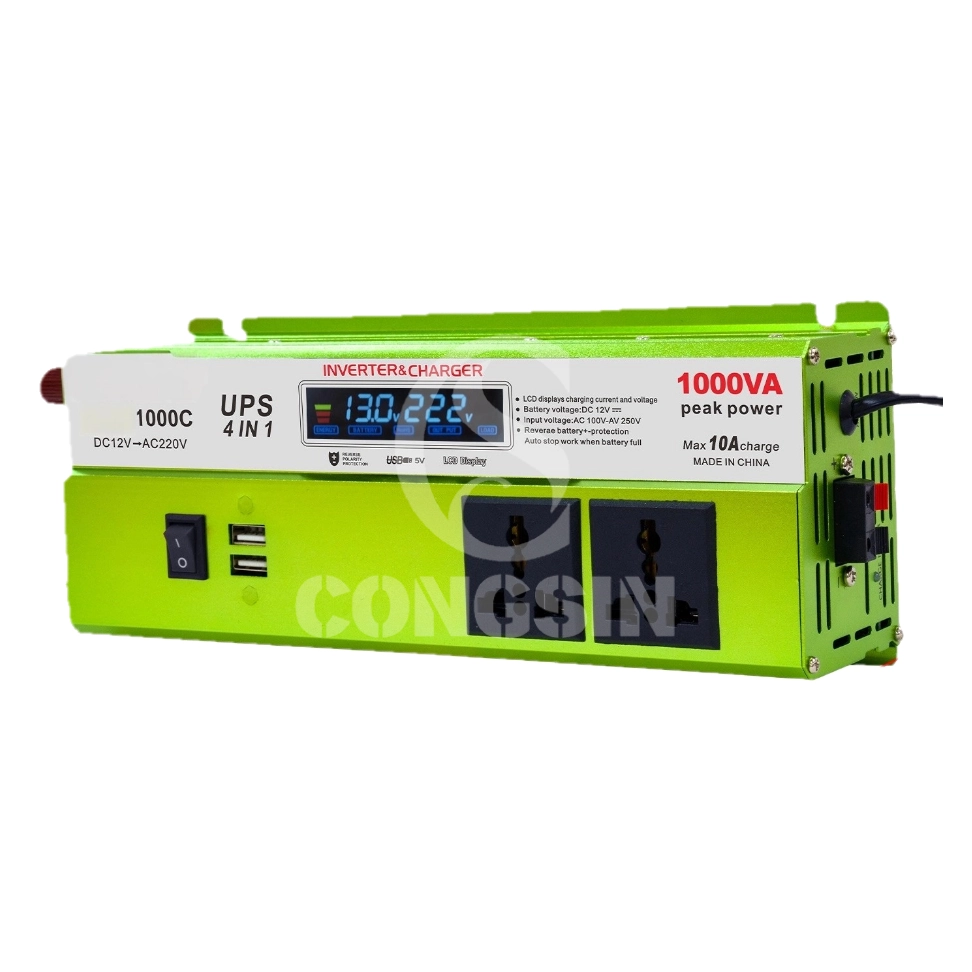
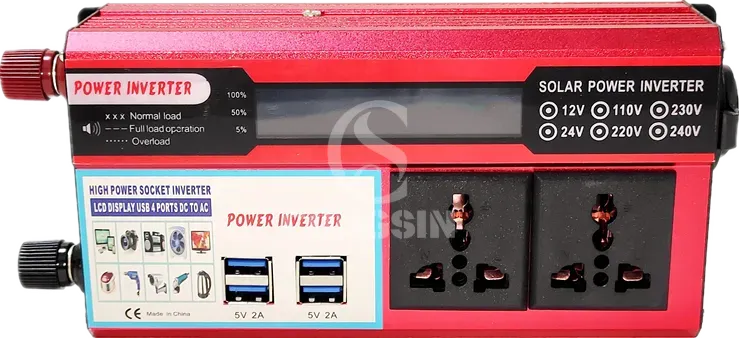
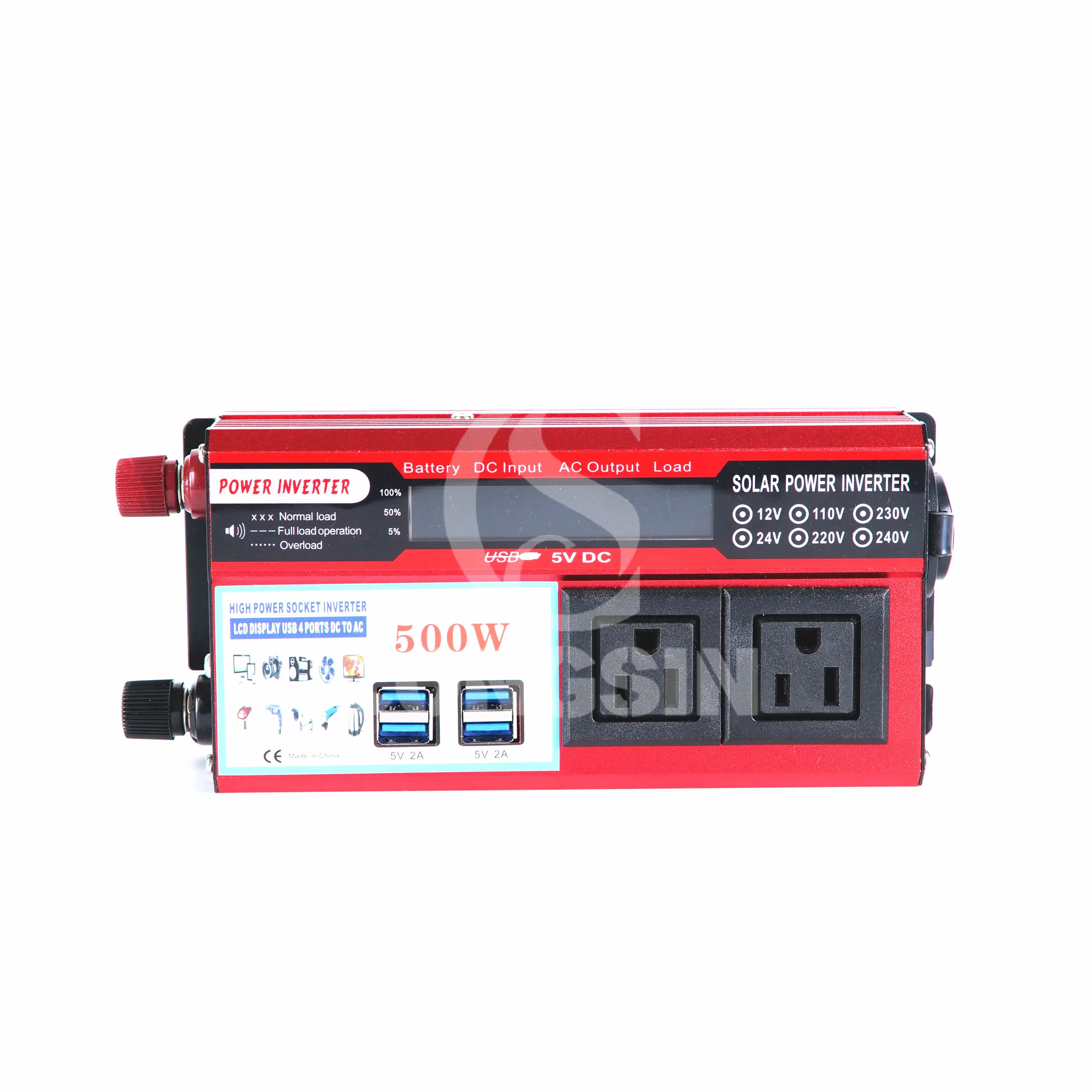
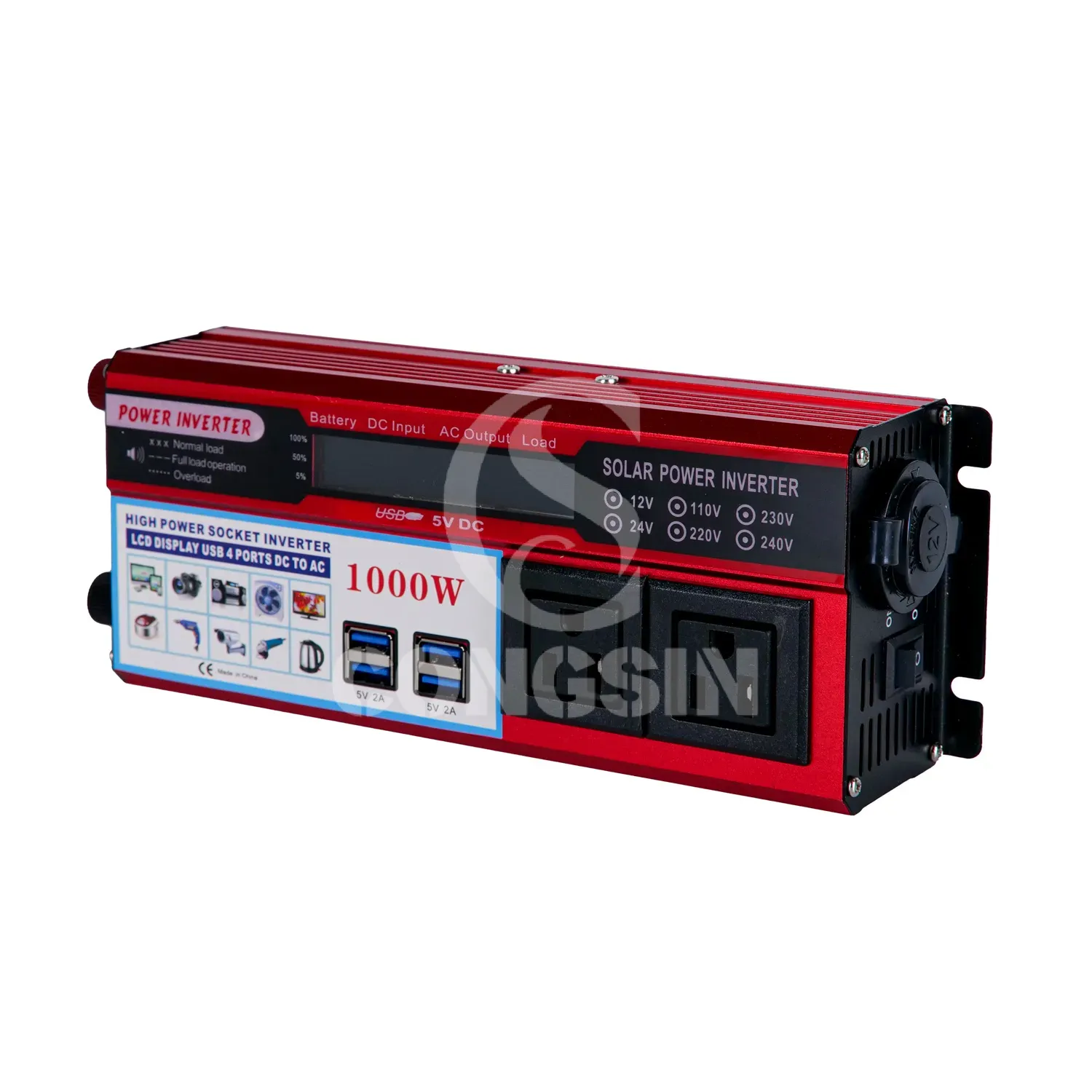
Modified Sine Wave Inverters
How to connect the battery with the battery clip?
Connect the positive and negative poles of the battery clip to the positive and negative poles of the battery respectively, and ensure a firm connection.
Is the cooling fan noisy?
The fan is designed for heat dissipation and will make some noise during operation, but it is within a reasonable range and will not interfere with normal use.
What devices can it power?
Suitable for fans, lights, TVs, laptops, and small electric tools.
Which plug types are supported by the universal socket?
The universal socket is compatible with most national plug specifications, such as GB, US, EU, etc., and can meet the use of devices in different regions (some require adapters).
Is the cooling fan noisy during operation?
The noise is low (≤45 decibels, equivalent to normal conversation volume). The fan uses a silent motor and automatically adjusts the speed according to the device temperature (low-speed operation when temperature <40℃, high-speed operation when >60℃), balancing heat dissipation and noise.
Get in Touch with Our Team
You can also communicate with us directly through our online contact form. Please fill in the following information, and our team will contact you as soon as possible after receiving your message.

CONGSIN is a trusted OEM factory for power inverters, solar charge controllers, and DC converters. Reliable solutions for global B2B buyers.
 High Quality
 7/24 Service
 Guaranteed Warranty
© 2025 Congsin. All Rights Reserved.