





What is a bidirectional inverter and why buy one?
- 1. What is a bidirectional inverter, and how does it function?
- 2. What are the primary advantages of using a bidirectional inverter?
- 3. How do bidirectional inverters contribute to energy independence?
- 4. What are the key considerations when purchasing a bidirectional inverter?
- 5. How do bidirectional inverters enhance grid stability?
- 6. What are the potential challenges associated with bidirectional inverters?
1. What is a bidirectional inverter, and how does it function?
A bidirectional inverter is a power electronic device capable of converting direct current (DC) to alternating current (AC) and vice versa. This dual functionality allows it to manage energy flow in both directions:
AC to DC Conversion: It converts AC power from the grid or generator into DC power to charge batteries.
DC to AC Conversion: It converts stored DC power from batteries into AC power to supply household appliances.
This capability ensures efficient energy storage and utilization, making bidirectional inverters integral to renewable energy systems and energy storage solutions.
2. What are the primary advantages of using a bidirectional inverter?
Bidirectional inverters offer several significant benefits:
Energy Efficiency: They minimize energy conversion losses, ensuring optimal performance in both charging and discharging cycles.
Grid Support and Net Metering: They facilitate two-way energy exchange with the grid, allowing users to sell excess energy back to the utility, thereby reducing electricity bills.
Uninterrupted Power Supply: In the event of a grid outage, they can seamlessly switch to battery power, ensuring a continuous electricity supply.
Versatility: Suitable for various applications, including residential, commercial, and off-grid systems, supporting scalability and adaptability.
3. How do bidirectional inverters contribute to energy independence?
Bidirectional inverters play a crucial role in achieving energy independence by:
Maximizing Renewable Energy Utilization: They enable efficient storage and use of solar or wind energy, reducing reliance on the grid.
Cost Savings: By storing energy during low-demand periods and using it during peak times, they help in reducing electricity costs.
Grid Interaction: They allow for net metering, where excess energy can be fed back into the grid, earning credits or reducing electricity bills.
4. What are the key considerations when purchasing a bidirectional inverter?
When selecting a bidirectional inverter, consider the following factors:
Compatibility: Ensure the inverter is compatible with your existing energy storage system and renewable energy sources.
Efficiency: Look for inverters with high conversion efficiency to minimize energy losses.
Power Rating: Choose an inverter with a power rating that matches your energy requirements.
Grid Compliance: Verify that the inverter meets local grid standards and regulations.
Warranty and Support: Consider the manufacturer's warranty and the availability of customer support services.
5. How do bidirectional inverters enhance grid stability?
Bidirectional inverters contribute to grid stability by:
Balancing Supply and Demand: They help in balancing the supply and demand of electricity by managing energy storage and release.
Supporting Renewable Integration: They facilitate the integration of renewable energy sources into the grid by providing a means to store and dispatch energy as needed.
Providing Ancillary Services: They can offer ancillary services such as frequency regulation and voltage support, enhancing overall grid reliability.
6. What are the potential challenges associated with bidirectional inverters?
While bidirectional inverters offer numerous benefits, potential challenges include:
Cost: They can be more expensive than unidirectional inverters due to their advanced features and capabilities.
Complexity: The installation and maintenance of bidirectional inverters may require specialized knowledge and skills.
Heat Dissipation: High power density can lead to overheating issues, necessitating effective cooling solutions.
In conclusion, bidirectional inverters are pivotal in modern energy systems, offering efficient energy conversion, enhanced grid interaction, and support for renewable energy integration. When considering a purchase, it's essential to evaluate your specific energy needs, system compatibility, and the inverter's technical specifications to make an informed decision.
For a personalized quote or more information, please contact us at info@csinverter.com or visit our website at www.csinverter.com.


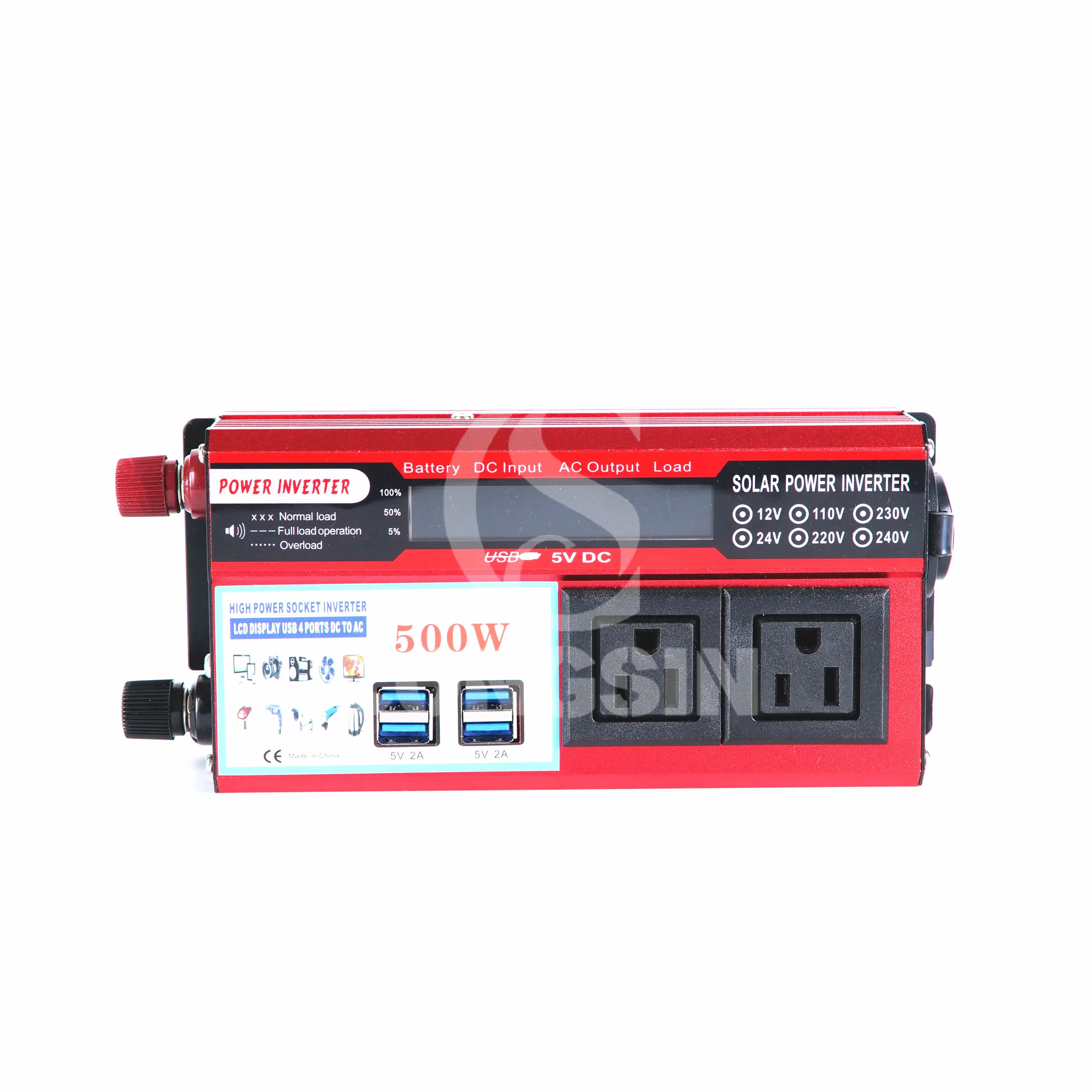
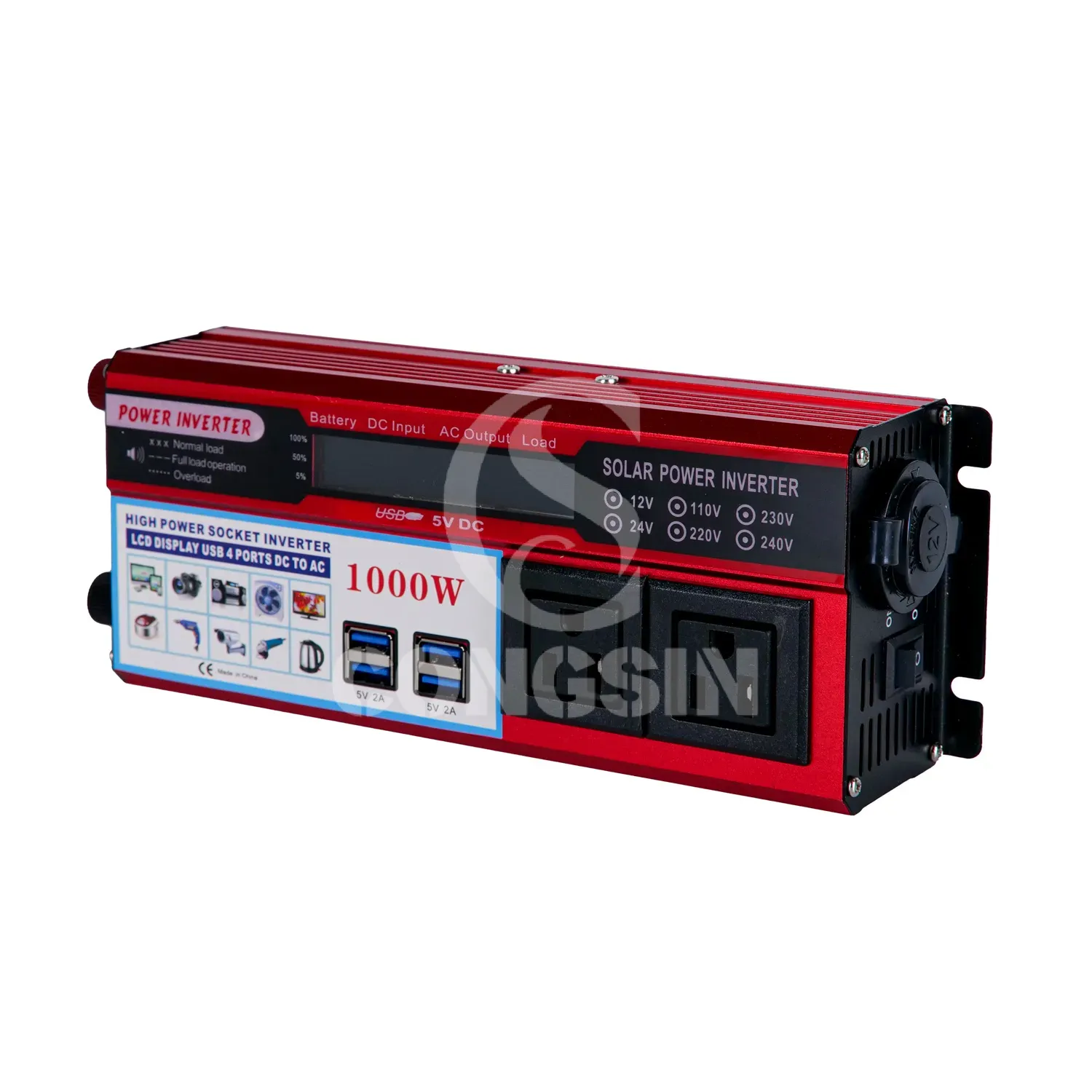
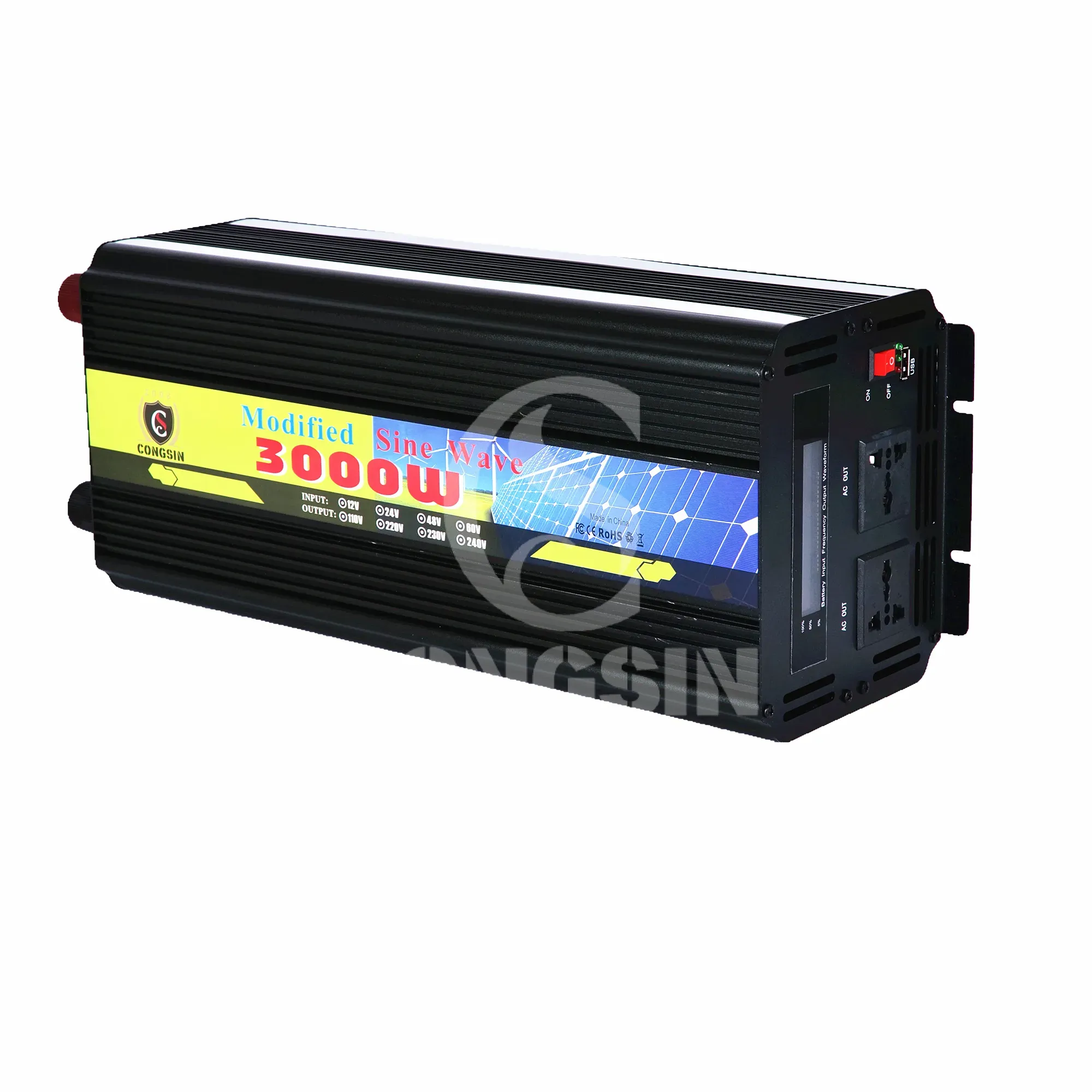
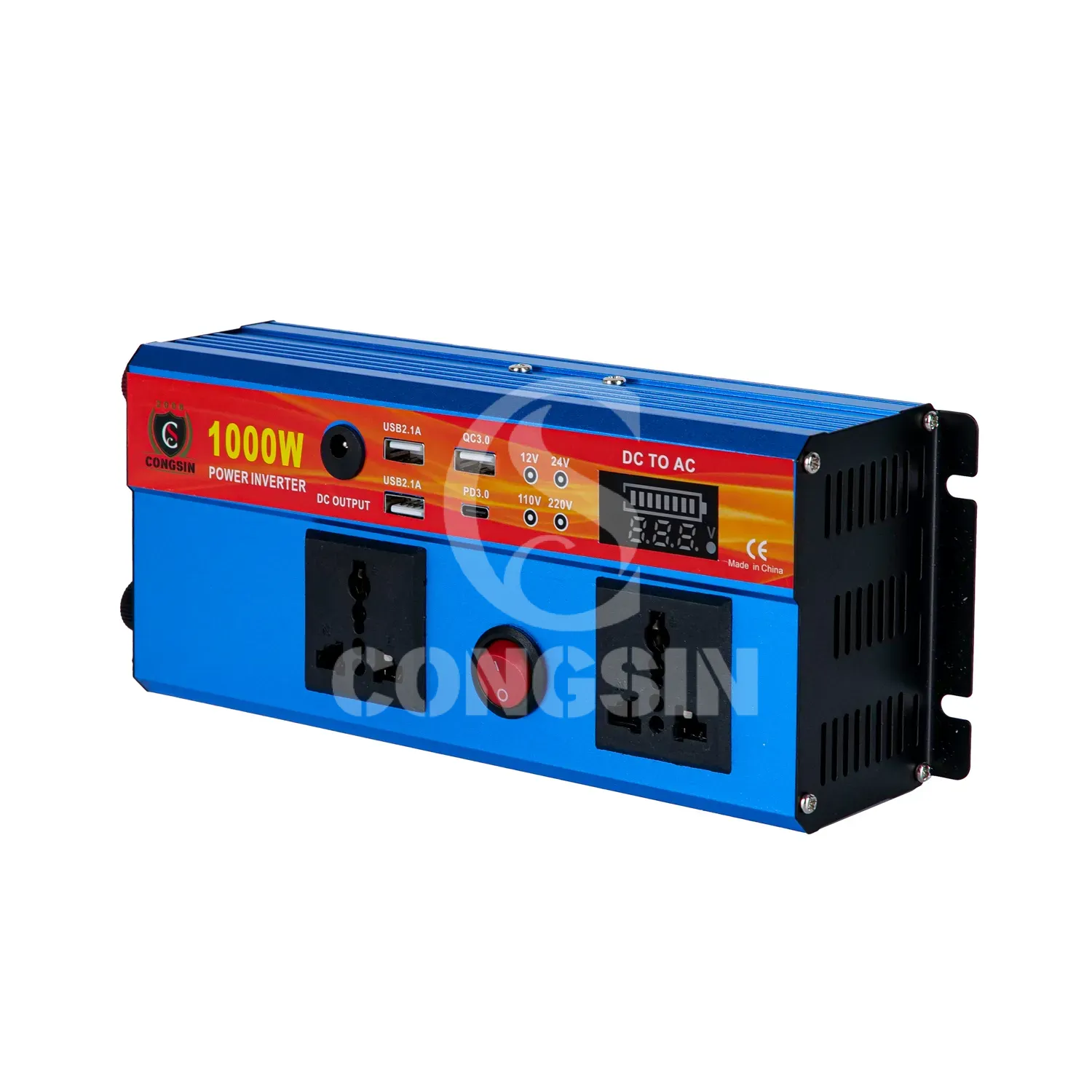
Modified Sine Wave Inverters
Can 4 USB ports fast charge at the same time?
Yes, 4 USB ports can fast charge mobile phones, tablets and other devices at the same time, meeting the needs of simultaneous charging of multiple devices.
Can I customize the logo?
Yes, OEM/ODM service is available.
Can this inverter power a laptop?
If the laptop power is within 150W and the input is AC220V, it can supply power normally.
Is the cooling fan noisy?
The fan is designed for heat dissipation and will make some noise during operation, but it is within a reasonable range and will not interfere with normal use.
Can I customize the color and logo?
Yes, OEM/ODM customization is supported.
Get in Touch with Our Team
You can also communicate with us directly through our online contact form. Please fill in the following information, and our team will contact you as soon as possible after receiving your message.

CONGSIN is a trusted OEM factory for power inverters, solar charge controllers, and DC converters. Reliable solutions for global B2B buyers.
 High Quality
 7/24 Service
 Guaranteed Warranty
© 2025 Congsin. All Rights Reserved.