





Which pure sine wave inverter brands are best for RVs?
- 1. How do I determine the appropriate wattage for a pure sine wave inverter in my RV?
- 2. What are the key differences between modified sine wave and pure sine wave inverters for RVs?
- 3. How do I assess the efficiency and energy consumption of a pure sine wave inverter in my RV?
- 4. What safety features should I prioritize when selecting a pure sine wave inverter for my RV?
- 5. How do I install a pure sine wave inverter in my RV, and are there specific installation considerations?
- 6. Which pure sine wave inverter brands are best for RVs, and what are their standout features?
1. How do I determine the appropriate wattage for a pure sine wave inverter in my RV?
Selecting the right wattage for your RV's pure sine wave inverter is crucial to ensure it can handle the power demands of your appliances without overloading. Begin by calculating the total wattage of all devices you intend to run simultaneously. For instance, if you plan to operate a microwave (1,000W), a refrigerator (800W), and a television (200W) at the same time, the combined wattage would be 2,000W. It's advisable to choose an inverter with a continuous power rating that exceeds this total to accommodate any surge requirements during startup. Additionally, consider the surge wattage, which is the maximum power the inverter can supply for short periods, typically during the initial startup of appliances like compressors or motors. Ensuring your inverter's surge capacity aligns with these demands will prevent potential damage and ensure smooth operation.
2. What are the key differences between modified sine wave and pure sine wave inverters for RVs?
When outfitting your RV, understanding the distinction between modified sine wave and pure sine wave inverters is essential. Modified sine wave inverters are generally more affordable and suitable for powering simple devices such as lights and fans. However, they can cause audible noise and may not operate sensitive electronics efficiently. In contrast, pure sine wave inverters produce a clean, smooth output that closely resembles grid power, making them ideal for running sensitive electronics like laptops, medical equipment, and high-end kitchen appliances without interference or damage. While pure sine wave inverters are more expensive, the investment is worthwhile for the reliability and safety they offer to your devices.
3. How do I assess the efficiency and energy consumption of a pure sine wave inverter in my RV?
Evaluating the efficiency and energy consumption of a pure sine wave inverter is vital for optimizing your RV's power usage. Inverter efficiency indicates how effectively the device converts DC power from your RV's battery to AC power for your appliances. Higher efficiency means less energy is lost during conversion, leading to longer battery life and reduced fuel consumption if you're using a generator. To assess efficiency, look for inverters with high conversion rates, typically above 90%. Additionally, consider the inverter's no-load draw, which is the amount of power it consumes when no devices are connected. A lower no-load draw is preferable to conserve battery life. Reviewing product specifications and user reviews can provide insights into real-world performance and energy consumption patterns.
4. What safety features should I prioritize when selecting a pure sine wave inverter for my RV?
Ensuring the safety of your RV's electrical system involves selecting a pure sine wave inverter equipped with essential protective features. Key safety features to prioritize include:
Overload Protection: Prevents the inverter from operating beyond its capacity, reducing the risk of damage.
Overtemperature Shutdown: Automatically turns off the inverter if it overheats, protecting both the device and connected appliances.
Low Voltage Shutdown: Safeguards your RV's battery by disconnecting the inverter when voltage drops too low, preventing deep discharge.
Short Circuit Protection: Detects and responds to short circuits, minimizing potential hazards.
Ground Fault Circuit Interrupter (GFCI): Provides additional protection against electrical shocks, especially important in wet environments.
5. How do I install a pure sine wave inverter in my RV, and are there specific installation considerations?
Installing a pure sine wave inverter in your RV requires careful planning to ensure safety and optimal performance. Begin by selecting a location that is dry, well-ventilated, and easily accessible for maintenance. The inverter should be mounted securely to prevent movement during travel. Ensure that the installation area allows for adequate airflow to prevent overheating. When connecting the inverter to your RV's battery bank, use appropriately sized cables to handle the expected current and minimize voltage drop. It's crucial to follow the manufacturer's installation guidelines and adhere to local electrical codes. If you're not experienced with electrical systems, it's advisable to consult a professional to ensure a safe and compliant installation.
6. Which pure sine wave inverter brands are best for RVs, and what are their standout features?
Selecting a reputable brand for your RV's pure sine wave inverter can significantly impact performance and reliability. Here are some top brands to consider:
Victron Energy: Known for high-quality inverters with advanced programmable features and robust build quality. Their products are tested for high-quality sine output and have been in the market since the 1970s.
Magnum Energy: Offers inverters designed for heavy use with excellent surge capacity and robust safety features. They are commonly found as factory-installed units in many RVs.
Xantrex: A long-time leader in RV and marine inverters, Xantrex provides a wide range of pure sine wave models, from compact units for small rigs to advanced hybrid inverter/chargers. Their products are well-supported and easy to install.
When choosing a brand, consider factors such as warranty, customer support, and the availability of replacement parts to ensure long-term satisfaction with your investment.
In conclusion, selecting the right pure sine wave inverter for your RV involves careful consideration of your power needs, the types of appliances you intend to use, and the specific features that align with your travel lifestyle. By prioritizing factors such as appropriate wattage, efficiency, safety features, and reputable brands, you can ensure a reliable and enjoyable RV experience. For personalized recommendations and a quote tailored to your specific requirements, please contact us at info@csinverter.com or visit our website at www.csinverter.com.


Products
Can it be connected to a battery long-term?
Yes, ensure good ventilation to avoid overheating.
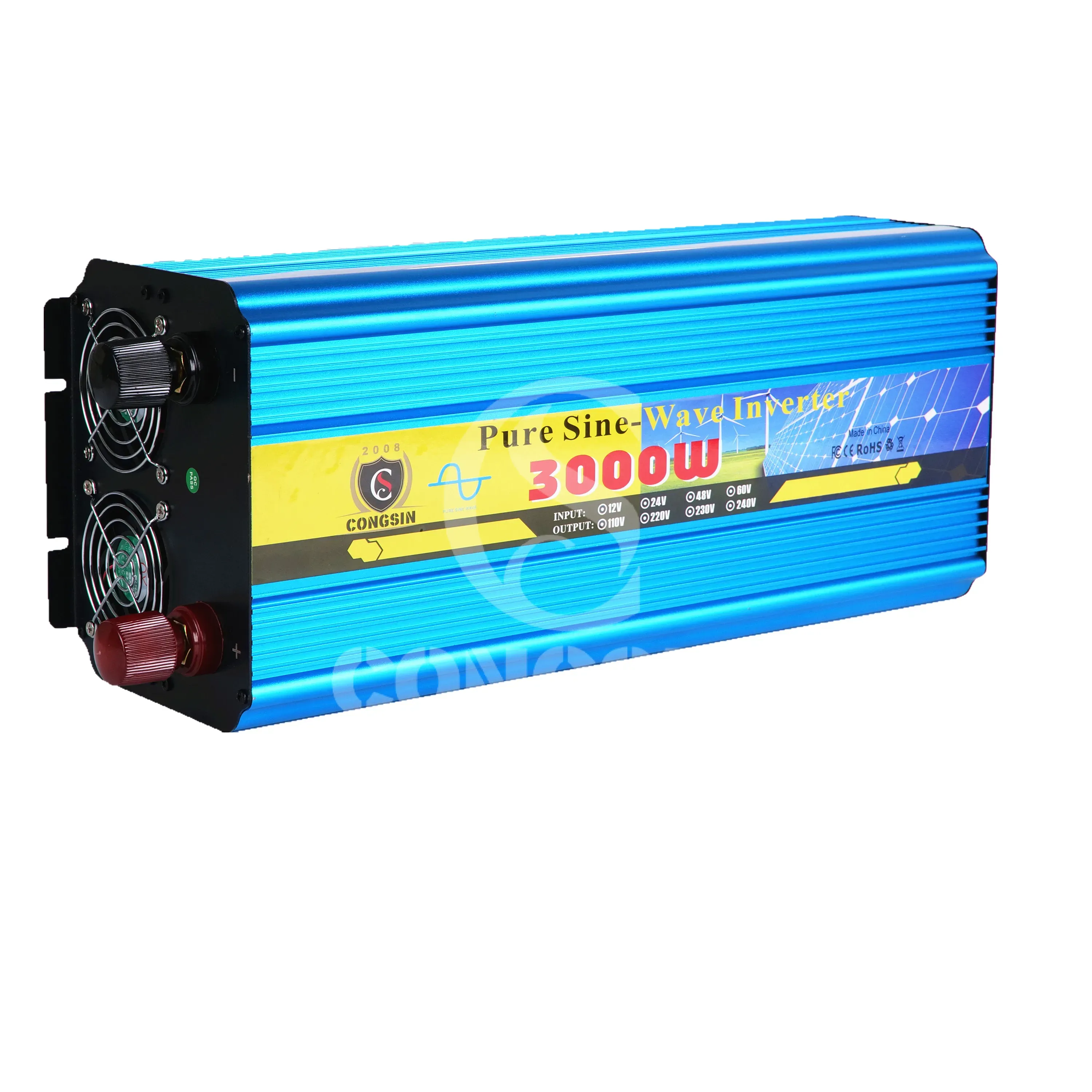
Pure Sine Wave Inverters
Will reversing the positive and negative poles damage the device when connecting the battery?
The device has a built-in reverse connection protection function, which will automatically cut off the circuit when the positive and negative poles are reversed to avoid damage caused by reverse current inflow; just adjust the connection order of the positive and negative poles of the battery clip and re-power on to use normally.
Does it include protection features?
Yes, it has sixfold safety protection for reliable performance.
Can it run inductive loads like fridges or tools?
Yes, pure sine wave output supports all load types.
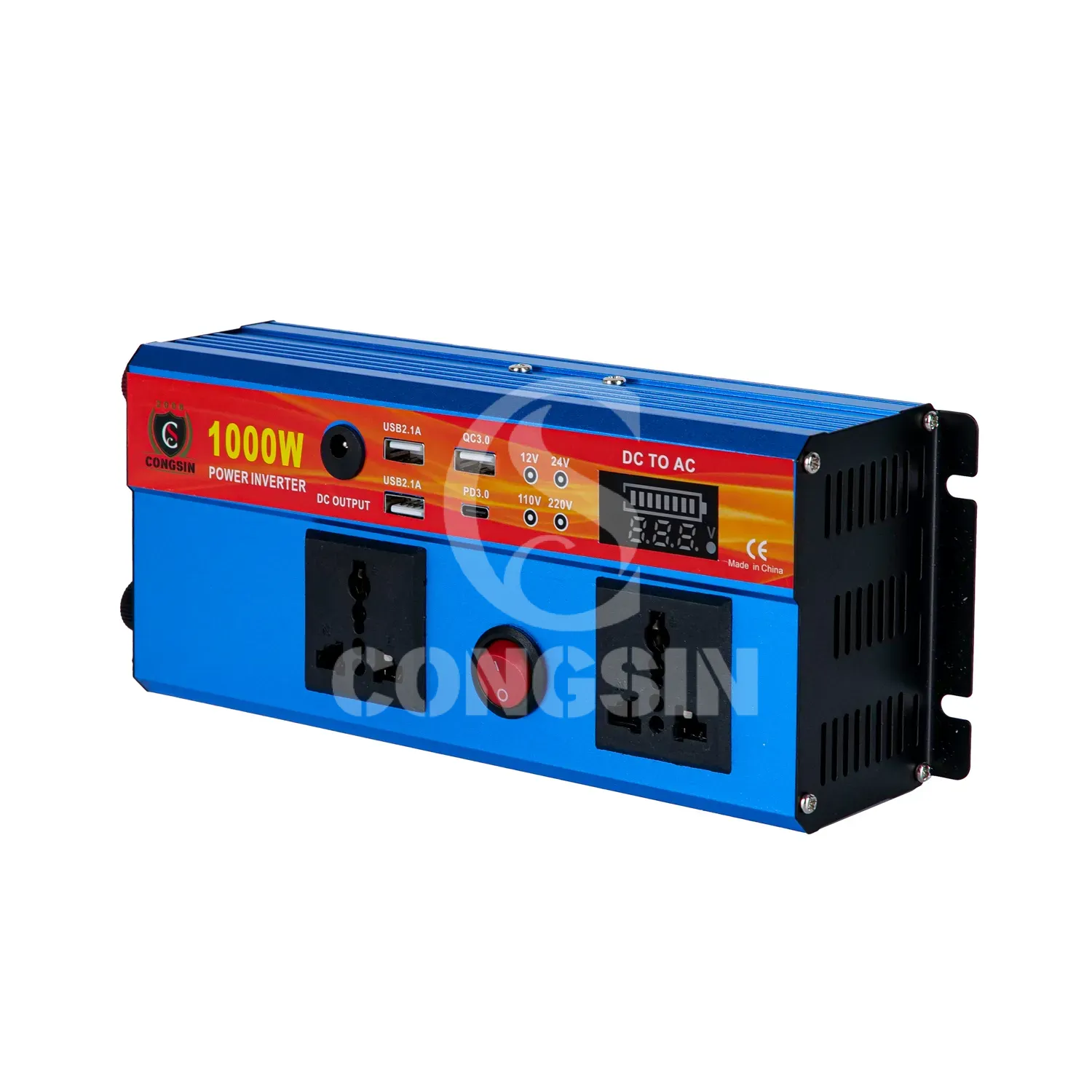
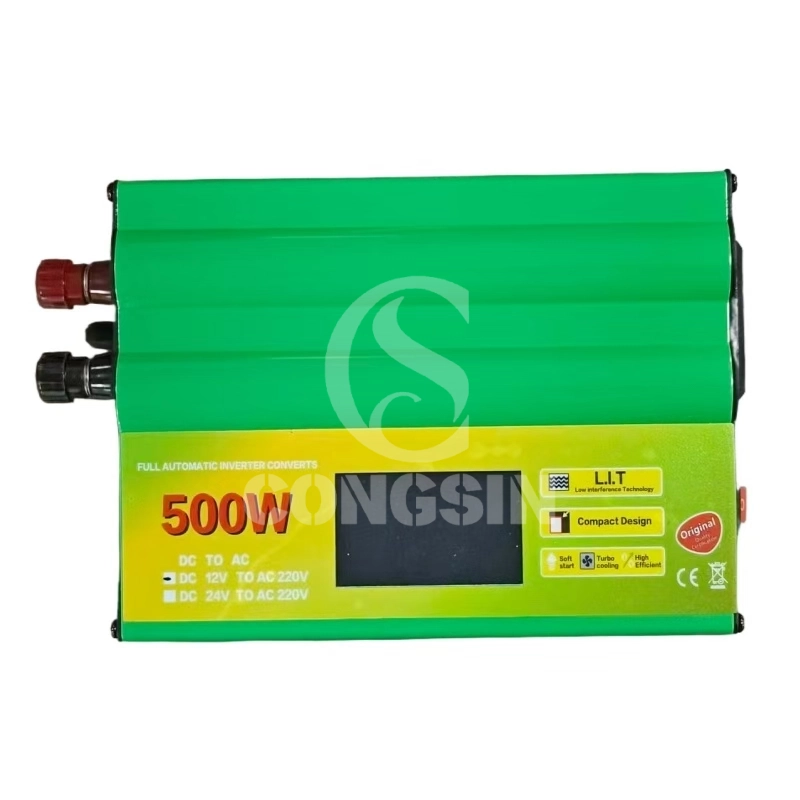
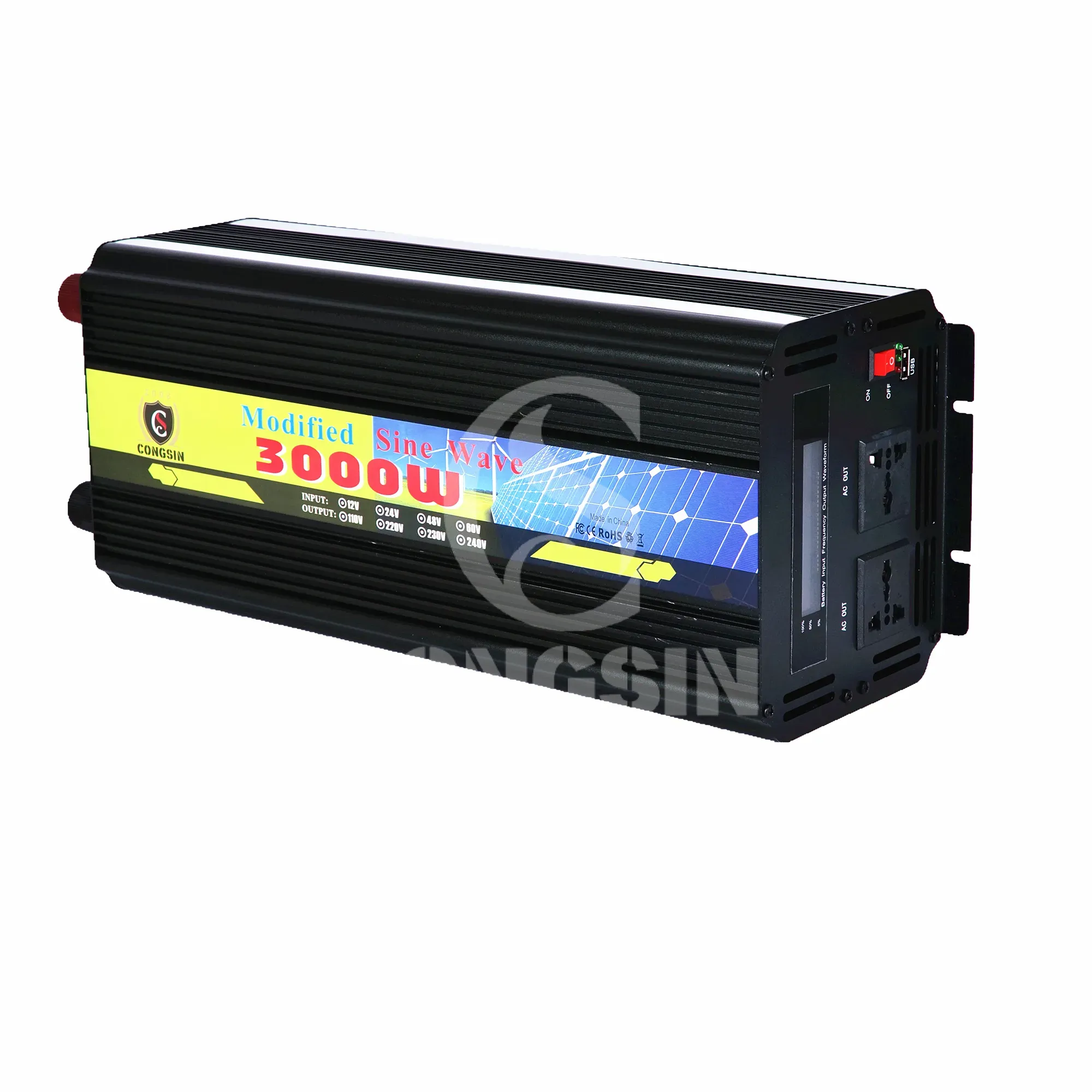
Modified Sine Wave Inverters
Is the dual input automatically recognized or manually switched?
Automatically recognize DC12V/24V input, no manual switching required.
Get in Touch with Our Team
You can also communicate with us directly through our online contact form. Please fill in the following information, and our team will contact you as soon as possible after receiving your message.

CONGSIN is a trusted OEM factory for power inverters, solar charge controllers, and DC converters. Reliable solutions for global B2B buyers.
 High Quality
 7/24 Service
 Guaranteed Warranty
© 2025 Congsin. All Rights Reserved.