





Why efficiency and price both matter for ac to dc car inverter buyers?
- 1. What are the key differences between pure sine wave and modified sine wave inverters, and how do they impact the performance of sensitive electronic devices?
- 2. How does the efficiency of an inverter affect fuel consumption and overall operational costs in vehicles?
- 3. What are the potential risks associated with using inverters that lack essential protection features?
- 4. How do input voltage compatibility and installation considerations impact the performance and safety of an inverter?
- 5. What are the advantages and disadvantages of using a car's alternator to charge the inverter's battery compared to using an external charging source?
- 6. How do the total system costs compare between using DC appliances with a DC-DC converter and using AC appliances with an inverter?
1. What are the key differences between pure sine wave and modified sine wave inverters, and how do they impact the performance of sensitive electronic devices?
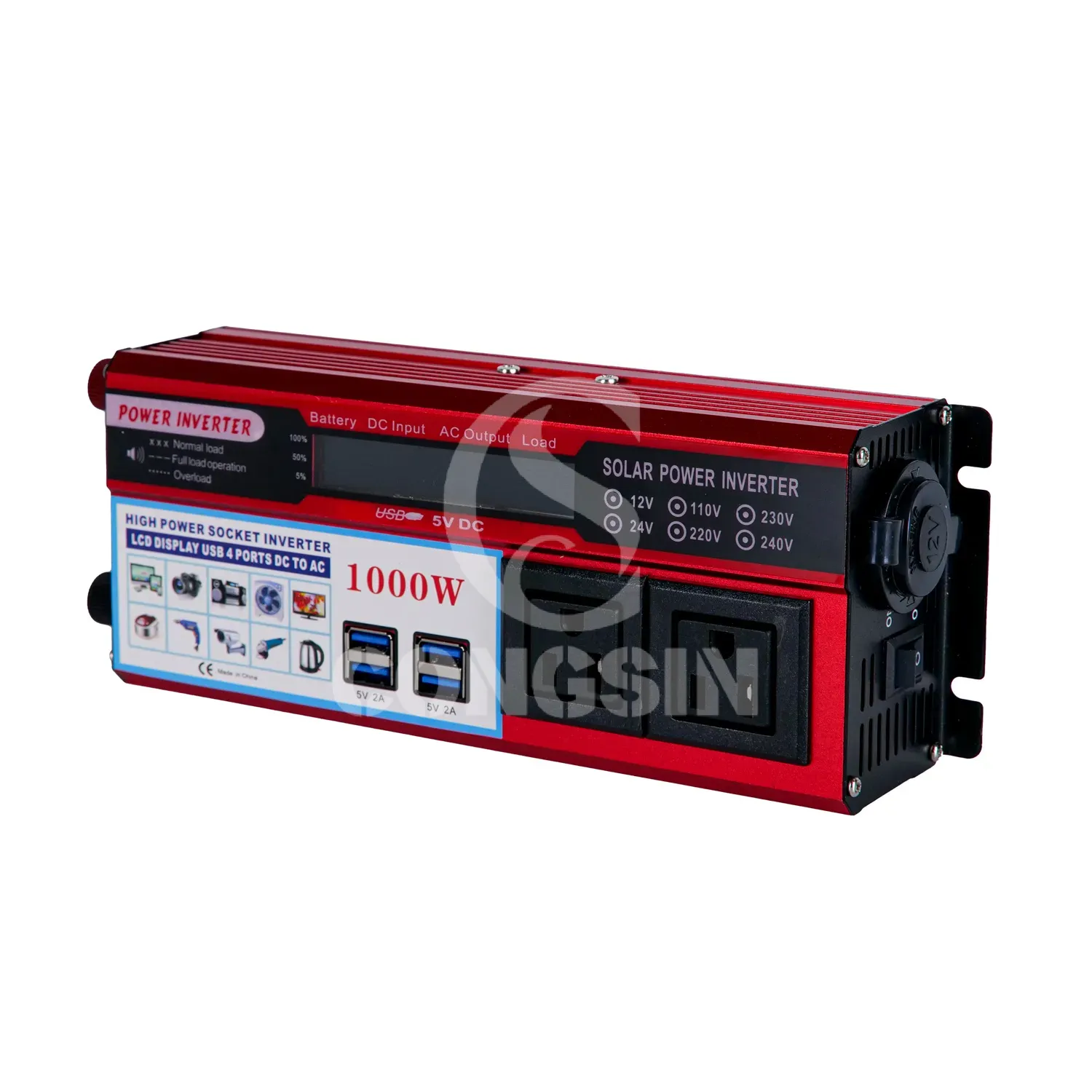
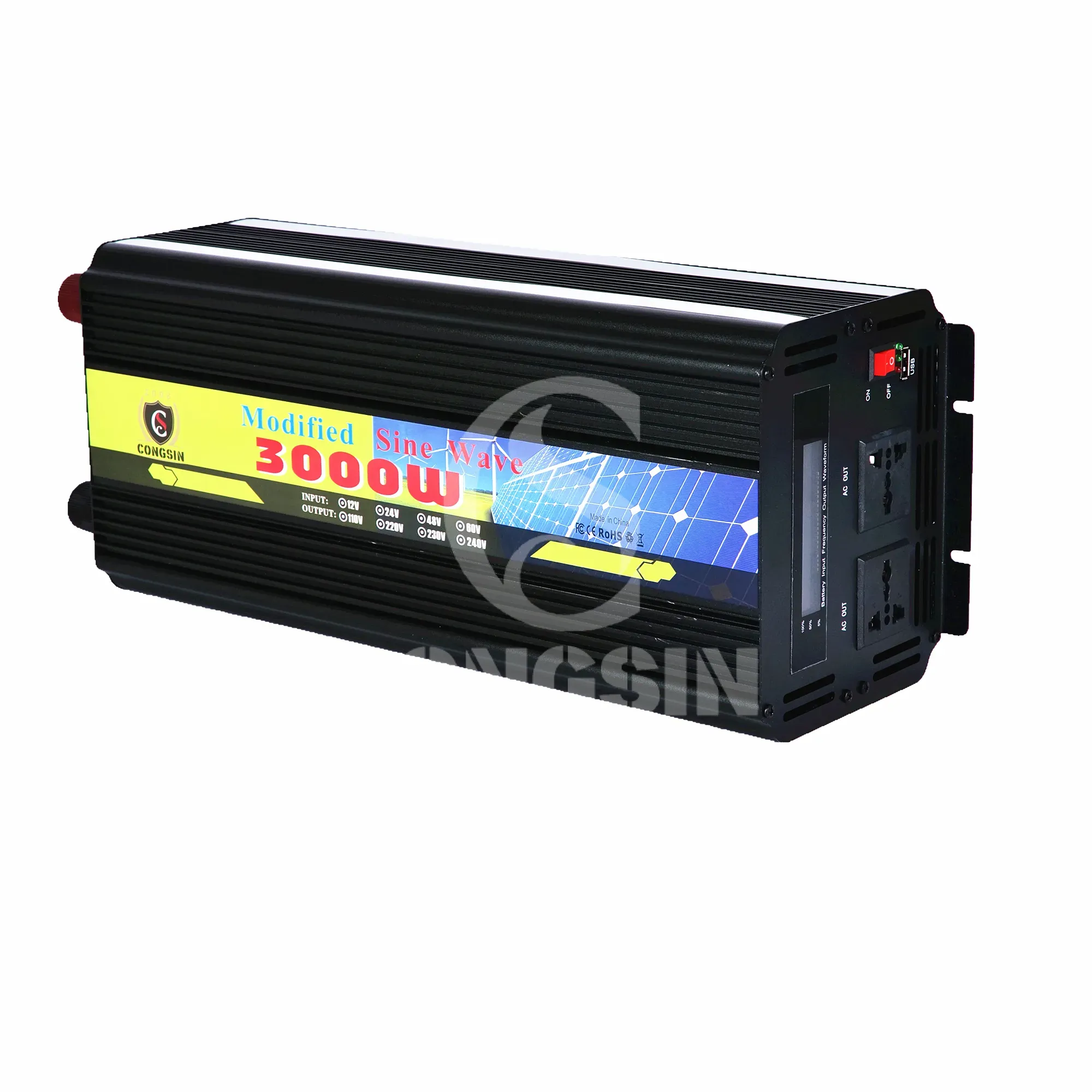
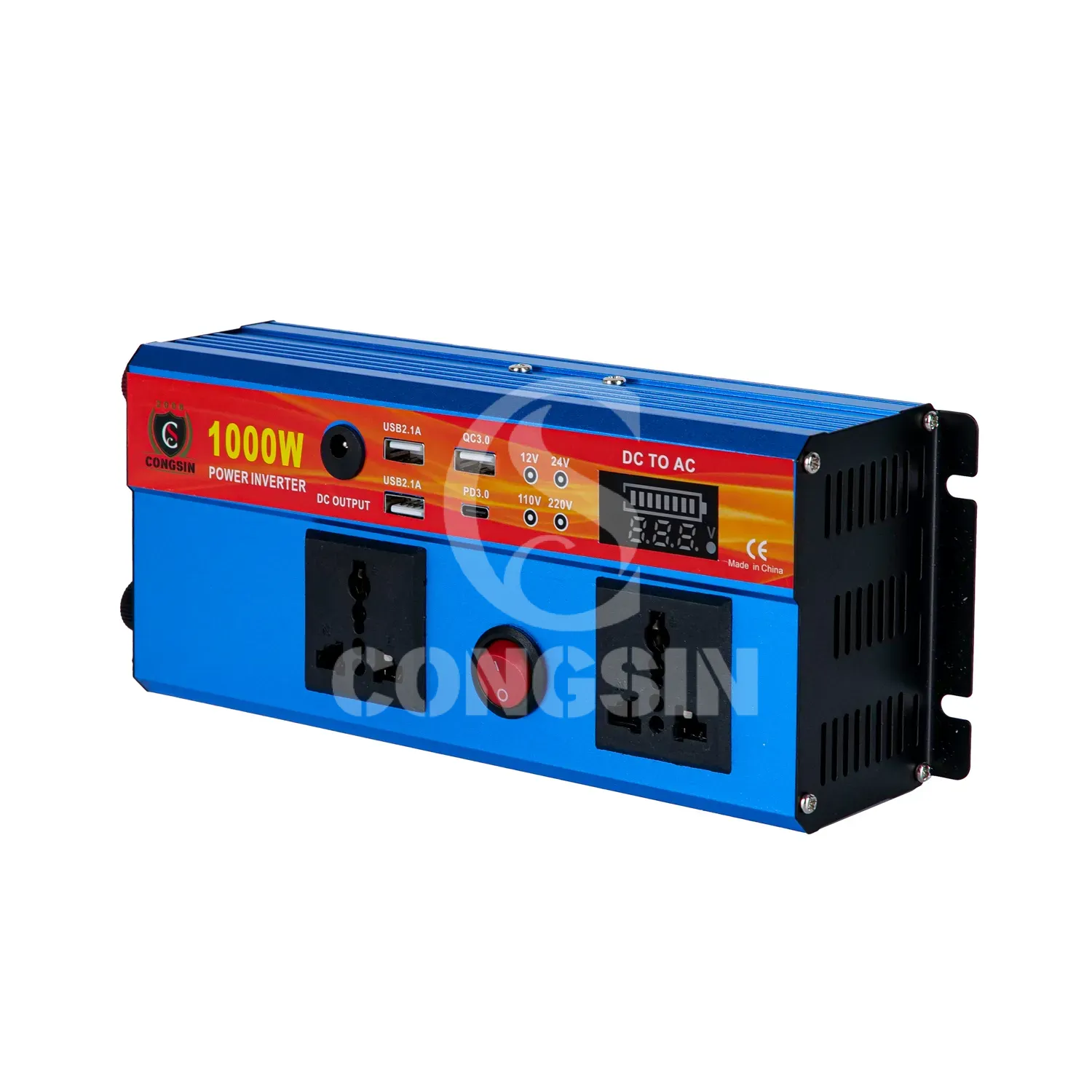
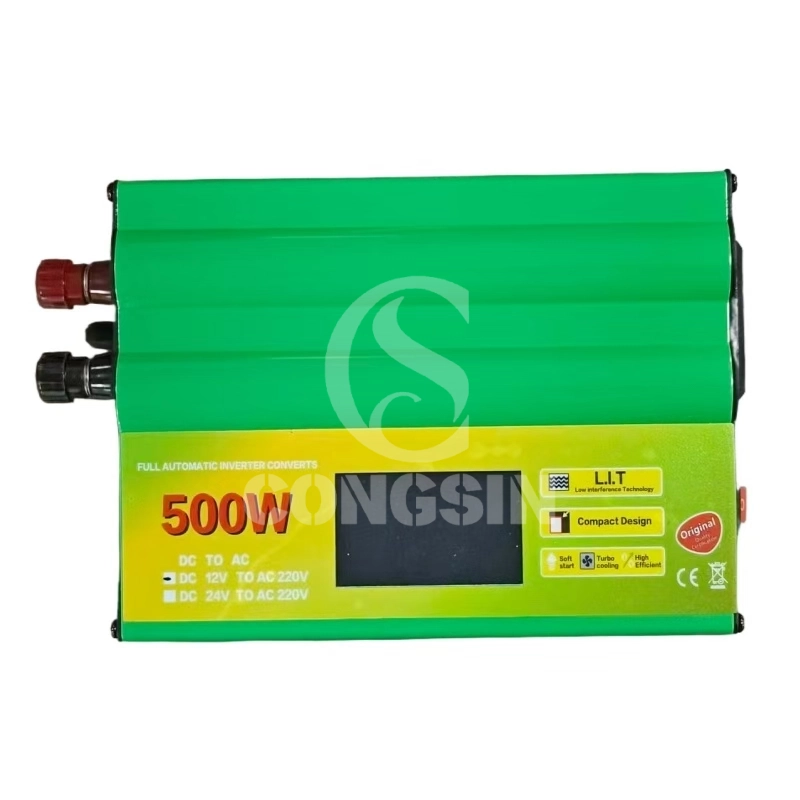
When choosing an AC to DC car inverter, understanding the distinction between pure sine wave and modified sine wave inverters is crucial. Pure sine wave inverters produce a smooth, consistent waveform that closely resembles the electricity supplied by the grid. This type of output is essential for the proper functioning of sensitive electronic devices such as laptops, medical equipment, and audio systems, as it minimizes the risk of damage and ensures optimal performance. In contrast, modified sine wave inverters generate a stepped waveform that can cause issues like audible noise, overheating, and reduced efficiency in sensitive electronics. Therefore, for devices requiring clean and stable power, investing in a pure sine wave inverter is highly recommended.
2. How does the efficiency of an inverter affect fuel consumption and overall operational costs in vehicles?
The efficiency of an AC to DC car inverter directly influences fuel consumption and operational expenses. Higher efficiency inverters convert a greater portion of the DC power from the vehicle's battery into usable AC power, reducing energy loss and the need for additional fuel to compensate for inefficiencies. For instance, a 95% efficient inverter would require less input power to produce the same output compared to an 80% efficient model, leading to lower fuel consumption and cost savings over time. Additionally, more efficient inverters generate less heat, which can prolong the lifespan of both the inverter and the vehicle's electrical components.
3. What are the potential risks associated with using inverters that lack essential protection features?
Using inverters without critical protection features can expose both the inverter and connected devices to various risks. Without overtemperature shutdown, inverters may overheat, leading to component damage or even fires. The absence of low-voltage disconnect can result in deep discharge of the vehicle's battery, reducing its lifespan. Short-circuit and overload protection are vital to prevent electrical fires and equipment damage. Reverse polarity protection ensures that incorrect wiring does not damage the inverter or connected devices. Ground fault interruption is essential for safety, especially in wet or damp environments. Therefore, selecting an inverter with comprehensive protection features is crucial to ensure safety and reliability.
4. How do input voltage compatibility and installation considerations impact the performance and safety of an inverter?
Ensuring that the inverter's input voltage matches the vehicle's electrical system is vital for optimal performance and safety. Inverters are typically designed for specific DC input ranges, such as 12V, 24V, or 48V. Using an inverter with an incompatible input voltage can lead to inefficiencies, potential damage to the inverter, or even safety hazards. Additionally, proper installation is essential; factors like wire length and gauge, ventilation, and grounding significantly affect the inverter's efficiency and longevity. For example, keeping DC cables short and using appropriate wire sizes minimizes voltage drop and energy loss. Ensuring adequate ventilation prevents overheating, and proper grounding protects against electrical faults.
5. What are the advantages and disadvantages of using a car's alternator to charge the inverter's battery compared to using an external charging source?
Charging the inverter's battery using the car's alternator offers the convenience of recharging while driving, ensuring a ready power supply for the inverter. However, this method can place additional load on the vehicle's engine and alternator, potentially leading to increased fuel consumption and wear over time. Additionally, the efficiency of this charging method depends on the alternator's capacity and the vehicle's electrical system. On the other hand, using an external charging source, such as a dedicated solar panel or shore power, can provide a more sustainable and efficient means of recharging the inverter's battery, reducing reliance on the vehicle's engine and minimizing fuel consumption. The choice between these methods depends on the user's specific needs, travel habits, and the desired balance between convenience and operational costs.
6. How do the total system costs compare between using DC appliances with a DC-DC converter and using AC appliances with an inverter?
When considering the total system costs, using DC appliances with a DC-DC converter can be more economical than using AC appliances with an inverter. DC appliances typically consume less power and require fewer components, leading to lower overall system costs. For example, a DC refrigerator may have a higher initial cost but can result in savings on solar panels, batteries, and maintenance over time. In contrast, using AC appliances necessitates an inverter, which adds to the initial investment and ongoing energy losses due to conversion inefficiencies. Therefore, for off-grid applications or energy-efficient setups, opting for DC appliances with a DC-DC converter can offer better value in the long run.
In conclusion, selecting the right AC to DC car inverter involves careful consideration of factors such as waveform type, efficiency, protection features, input voltage compatibility, installation practices, and the choice between DC and AC appliances. By thoroughly evaluating these aspects, you can ensure a reliable, efficient, and cost-effective power solution for your vehicle's needs.
For personalized recommendations and a detailed quote, please contact us at info@csinverter.com or visit our website at www.csinverter.com.


Modified Sine Wave Inverters
What power range of devices can it supply?
It supports devices within 360W in UPS mode and within 500W in regular mode. Ensure the device power does not exceed the corresponding limit.
Which country’s voltage standards does it support?
It defaults to AC 220V output, suitable for regions with 220V voltage standards such as China and Europe; it can also be customized to output AC 110V, suitable for regions with 110V voltage standards such as the United States and Japan.
Can the peak 720W supply power continuously?
The peak power is the instantaneous maximum power, and the continuous power supply is 360W. Ensure that the device power does not exceed the rated value when using.
Pure Sine Wave Inverters
Can it run inductive loads like fridges or tools?
Yes, pure sine wave output supports all load types.
Can the 3 AC sockets drive high-power devices at the same time?
Yes, but it is necessary to ensure that the total power of the 3 devices does not exceed 2000W (continuous power). For example, it can drive 1 1000W electric oven + 1 500W microwave + 1 400W printer at the same time (total power 1900W), avoiding total power overload to trigger the protection mechanism.
Get in Touch with Our Team
You can also communicate with us directly through our online contact form. Please fill in the following information, and our team will contact you as soon as possible after receiving your message.

CONGSIN is a trusted OEM factory for power inverters, solar charge controllers, and DC converters. Reliable solutions for global B2B buyers.
 High Quality
 7/24 Service
 Guaranteed Warranty
© 2025 Congsin. All Rights Reserved.