





Can AC to DC car inverters run sensitive electronics safely?
- 1. What is the difference between pure sine wave and modified sine wave inverters, and which is safer for sensitive electronics?
- 2. How do I determine the appropriate wattage for an AC to DC car inverter to ensure it meets my device's power requirements?
- 3. What are the safety features I should look for in an AC to DC car inverter to protect both the inverter and connected devices?
- 4. Can I use a car inverter to power high-wattage appliances like refrigerators or air conditioners?
- 5. How can I ensure the longevity of my AC to DC car inverter and the safety of my vehicle's electrical system?
- 6. Are there any specific maintenance practices to follow for AC to DC car inverters to ensure optimal performance?
1. What is the difference between pure sine wave and modified sine wave inverters, and which is safer for sensitive electronics?
Pure sine wave inverters produce a smooth, consistent waveform that closely mirrors the power supplied by utility companies, making them ideal for sensitive electronics like medical devices, audio equipment, and computers. Modified sine wave inverters, on the other hand, generate a more jagged waveform, which can lead to inefficiencies and potential damage to delicate devices. Therefore, for the safe operation of sensitive electronics, pure sine wave inverters are recommended.
2. How do I determine the appropriate wattage for an AC to DC car inverter to ensure it meets my device's power requirements?
To select the right inverter wattage, first, calculate the total wattage of all devices you intend to power simultaneously. This involves adding up the individual wattages of each device. It's crucial to choose an inverter with a continuous power rating that meets or exceeds this total. Additionally, consider the surge (peak) power rating, which accounts for the initial power surge when devices start up. For instance, a 300W inverter with a 600W peak power rating can handle devices that require up to 600W at startup.
3. What are the safety features I should look for in an AC to DC car inverter to protect both the inverter and connected devices?
Essential safety features in an AC to DC car inverter include:
Overload Protection: Prevents the inverter from operating beyond its capacity, reducing the risk of overheating and damage.
Overvoltage and Undervoltage Protection: Safeguards against voltage fluctuations that could harm the inverter or connected devices.
Short Circuit Protection: Detects and responds to short circuits, preventing potential fires or equipment damage.
Overtemperature Protection: Monitors the inverter's temperature to prevent overheating, which can lead to component failure.
These features are commonly found in quality inverters and are crucial for safe operation.
4. Can I use a car inverter to power high-wattage appliances like refrigerators or air conditioners?
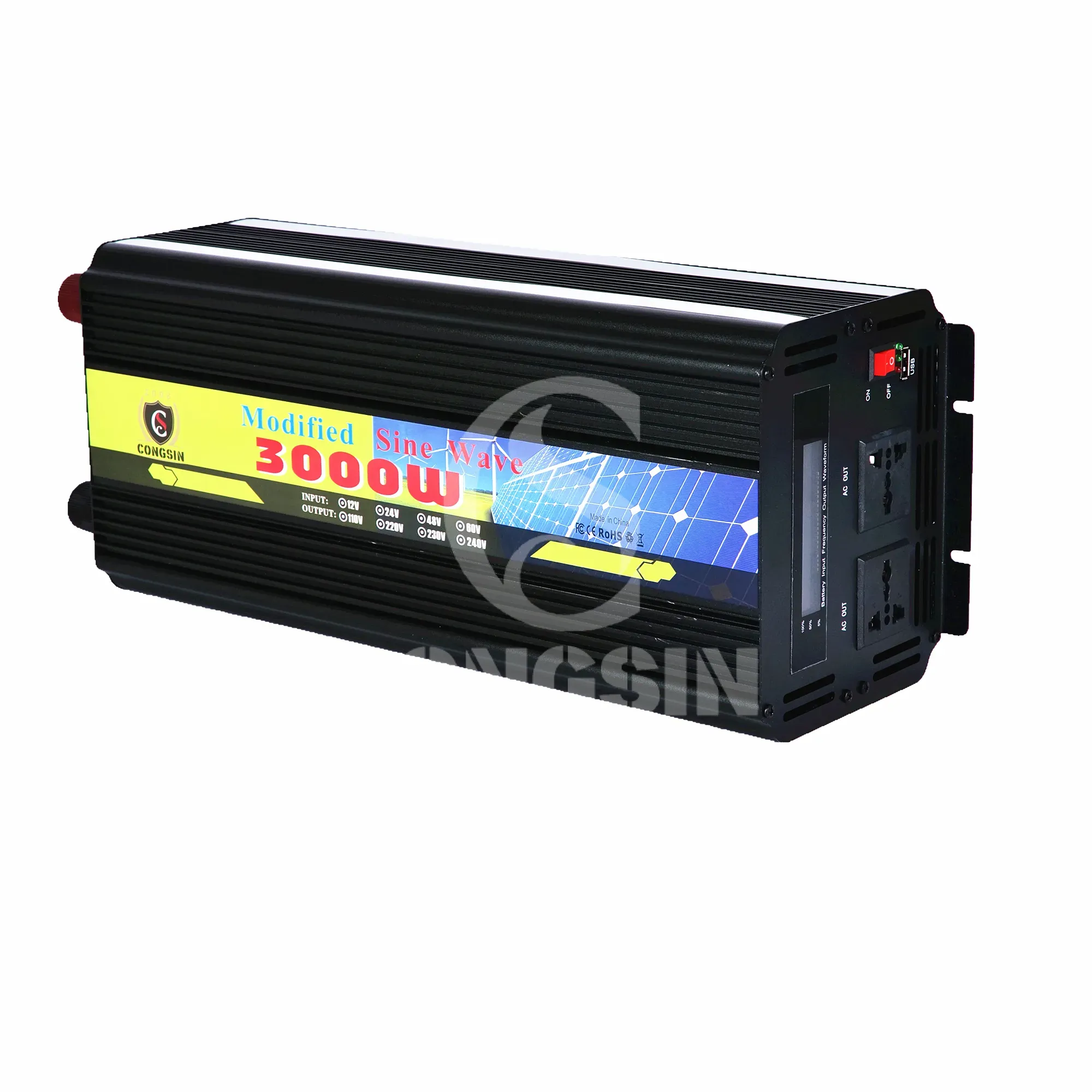
While it's possible to power high-wattage appliances with a car inverter, it's important to ensure that the inverter's continuous and peak power ratings are sufficient for the appliance's requirements. For example, a 3000W inverter with a 6000W peak power rating can handle devices that require up to 6000W at startup. However, due to the significant power draw, it's advisable to use such appliances sparingly and consider the impact on your vehicle's battery and alternator.
5. How can I ensure the longevity of my AC to DC car inverter and the safety of my vehicle's electrical system?
To maintain the longevity of your inverter and ensure the safety of your vehicle's electrical system:
Proper Installation: Follow the manufacturer's guidelines for installation, ensuring secure and correct connections.
Adequate Ventilation: Install the inverter in a well-ventilated area to prevent overheating.
Regular Maintenance: Periodically inspect the inverter for signs of wear, damage, or dust accumulation.
Monitor Battery Health: Regularly check your vehicle's battery and charging system to ensure they can handle the additional load from the inverter.
By adhering to these practices, you can enhance the inverter's lifespan and maintain the safety of your vehicle's electrical system.
6. Are there any specific maintenance practices to follow for AC to DC car inverters to ensure optimal performance?
To ensure optimal performance of your AC to DC car inverter:
Keep Vents Unobstructed: Ensure that the inverter's cooling vents are free from obstructions to allow for proper airflow.
Clean Regularly: Use a soft, dry cloth to clean the inverter's exterior, avoiding the use of harsh chemicals or abrasive materials.
Check Cables and Connections: Regularly inspect all cables and connections for signs of wear or damage, replacing them as necessary.
Test Functionality: Periodically test the inverter with connected devices to ensure it operates correctly.
Implementing these maintenance practices will help keep your inverter functioning efficiently and extend its service life.
For personalized advice or to request a quote, please contact us at info@csinverter.com or visit our website at www.csinverter.com.


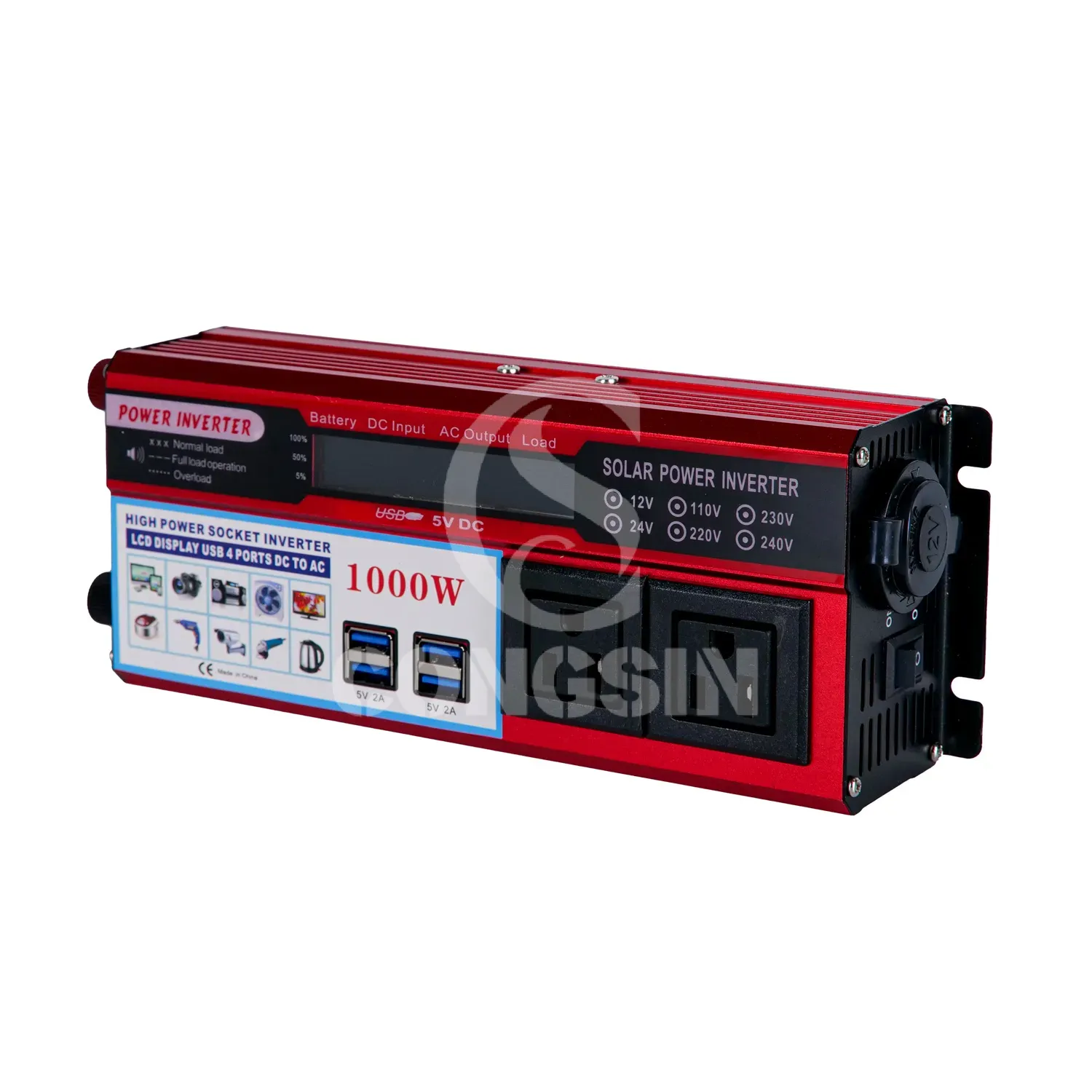
Modified Sine Wave Inverters
Can this inverter run a refrigerator or power tools?
Recommended load ≤80% of rated power. For inductive loads, use a pure sine wave model.
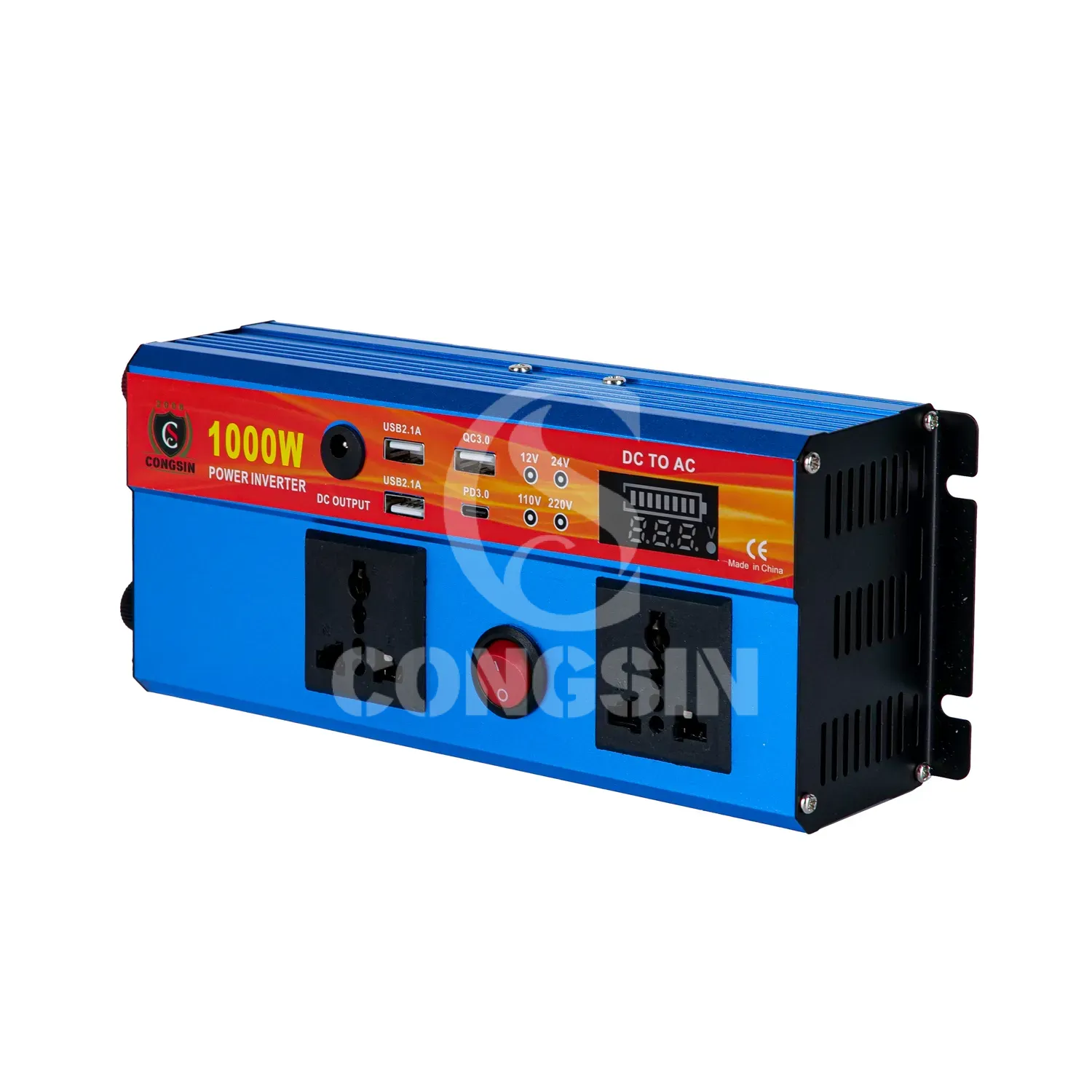
Which regional plugs can be used with the universal socket?
The universal socket supports most national plug specifications, such as GB, US, EU, etc. (some require adapters), and can meet the use of devices in multiple regions.
What is the difference between modified sine wave and pure sine wave?
Modified sine wave is suitable for most ordinary home appliances and electronic devices; pure sine wave is suitable for devices with extremely high power requirements (such as precision instruments). This modified sine wave is more cost-effective and meets the needs of most daily scenarios.
Distributor
How long does it take to become an authorized distributor?
The process typically takes 2-4 weeks, depending on the discussion and agreement finalization.
OEM & ODM Services
What certifications do your products comply with?
All products meet CE, RoHS, FCC, and other market-specific compliance standards.
Get in Touch with Our Team
You can also communicate with us directly through our online contact form. Please fill in the following information, and our team will contact you as soon as possible after receiving your message.

CONGSIN is a trusted OEM factory for power inverters, solar charge controllers, and DC converters. Reliable solutions for global B2B buyers.
 High Quality
 7/24 Service
 Guaranteed Warranty
© 2025 Congsin. All Rights Reserved.