





What safety certifications should AC to DC car inverters have?
When selecting an AC to DC car inverter, it's essential to address specific concerns to ensure optimal performance and safety. Below are six frequently asked questions by beginners, along with comprehensive answers to guide your purchase decisions.
1. What are the most common issues faced by AC to DC car inverters, and how can they be prevented?
AC to DC car inverters can encounter several issues:
Overheating: Caused by excessive load or inadequate ventilation.
Overloading: Connecting devices that exceed the inverter's capacity.
Electrical Interference: Inverters may disrupt car sensors, radios, or onboard computers due to electromagnetic interference.
Prevention Tips:
Monitor Load Capacity: Regularly check the total wattage of connected devices to avoid overloading.
Ensure Proper Ventilation: Install the inverter in a cool, dry, and well-ventilated area to prevent overheating.
Use Quality Inverters: Opt for inverters with built-in electromagnetic interference (EMI) filters to minimize disruptions to vehicle electronics.
2. How can I determine the appropriate size of an AC to DC car inverter for my needs?
Choosing the right inverter size involves calculating the total wattage of devices you intend to power. It's advisable to select an inverter with a slightly higher wattage than your total requirement to accommodate peak power demands.
3. What safety certifications should I look for when purchasing an AC to DC car inverter?
Safety certifications ensure the inverter meets industry standards for performance and safety. Look for certifications such as UL (Underwriters Laboratories), ETL (Edison Testing Laboratories), or CSA (Canadian Standards Association). These marks indicate that the inverter has undergone rigorous testing for safety and reliability.
4. How can I prevent my AC to DC car inverter from causing interference with my vehicle's electronics?
To minimize electromagnetic interference (EMI):
Use Quality Inverters: Select inverters equipped with EMI filters to reduce electrical noise.
Proper Installation: Ensure the inverter is installed correctly, following the manufacturer's guidelines to minimize interference.
Maintain Distance: Keep the inverter away from sensitive electronic components when possible.
5. What are the signs that my AC to DC car inverter is malfunctioning?
Common indicators of inverter issues include:
No Output Voltage: The inverter turns on, but there's no power coming out of the AC outlet.
Overheating: The inverter feels hot to the touch or shuts down intermittently, especially during prolonged use.
Unusual Noises: A noticeable buzzing or humming sound comes from the inverter, especially when devices are plugged in.
6. How can I extend the lifespan of my AC to DC car inverter?
To prolong the inverter's life:
Regular Maintenance: Periodically clean the inverter and check for any loose connections or signs of wear and tear.
Avoid Overloading: Ensure the total wattage of connected devices does not exceed the inverter's capacity.
Proper Installation: Install the inverter in a well-ventilated, cool, and dry place, away from direct sunlight.
Conclusion
Selecting the right AC to DC car inverter involves understanding common issues, ensuring proper sizing, verifying safety certifications, and implementing preventive measures. By addressing these factors, you can enhance the performance and longevity of your inverter, ensuring reliable power conversion for your vehicle's needs.
For personalized recommendations and a quote, please contact us at info@csinverter.com or visit our website at www.csinverter.com.


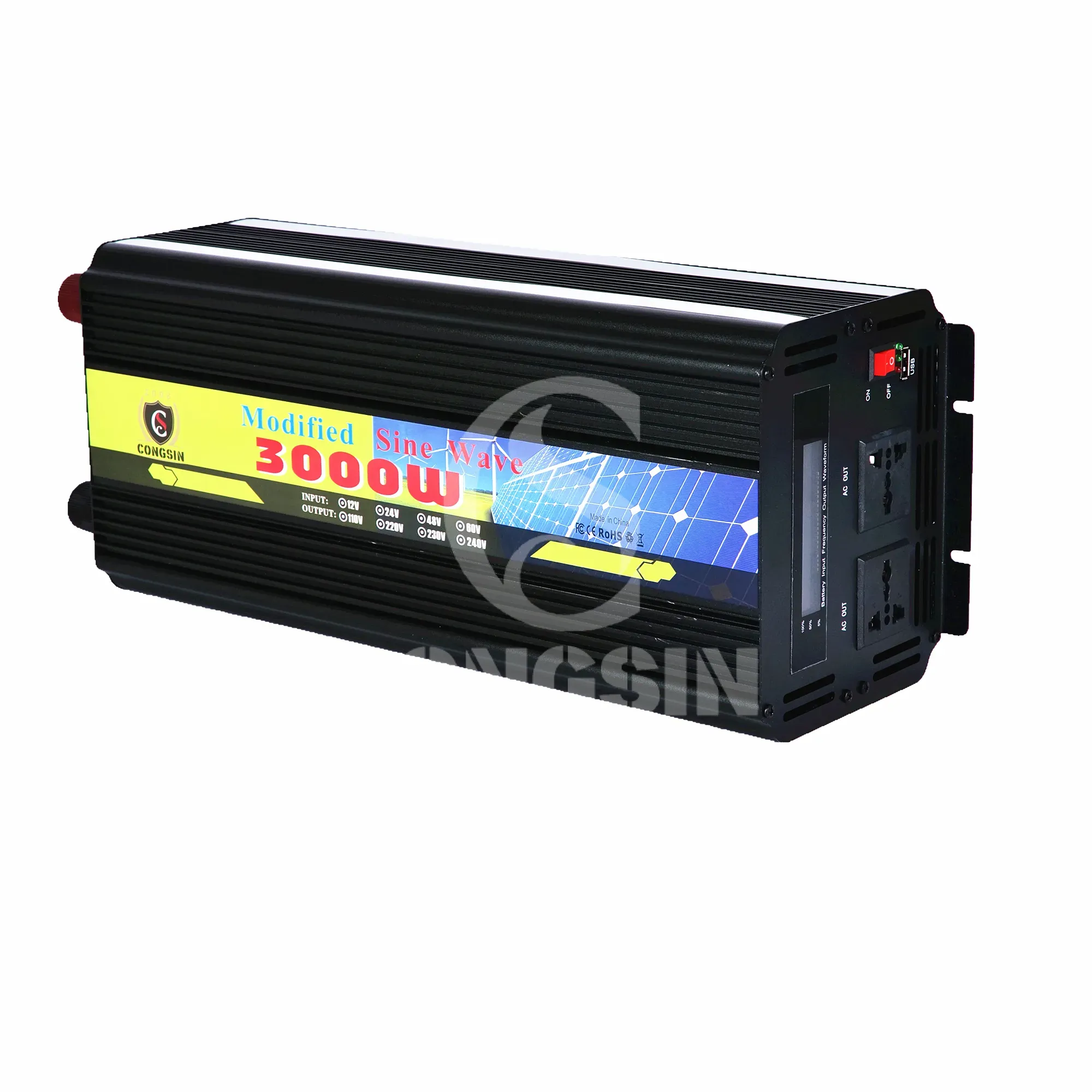
Modified Sine Wave Inverters
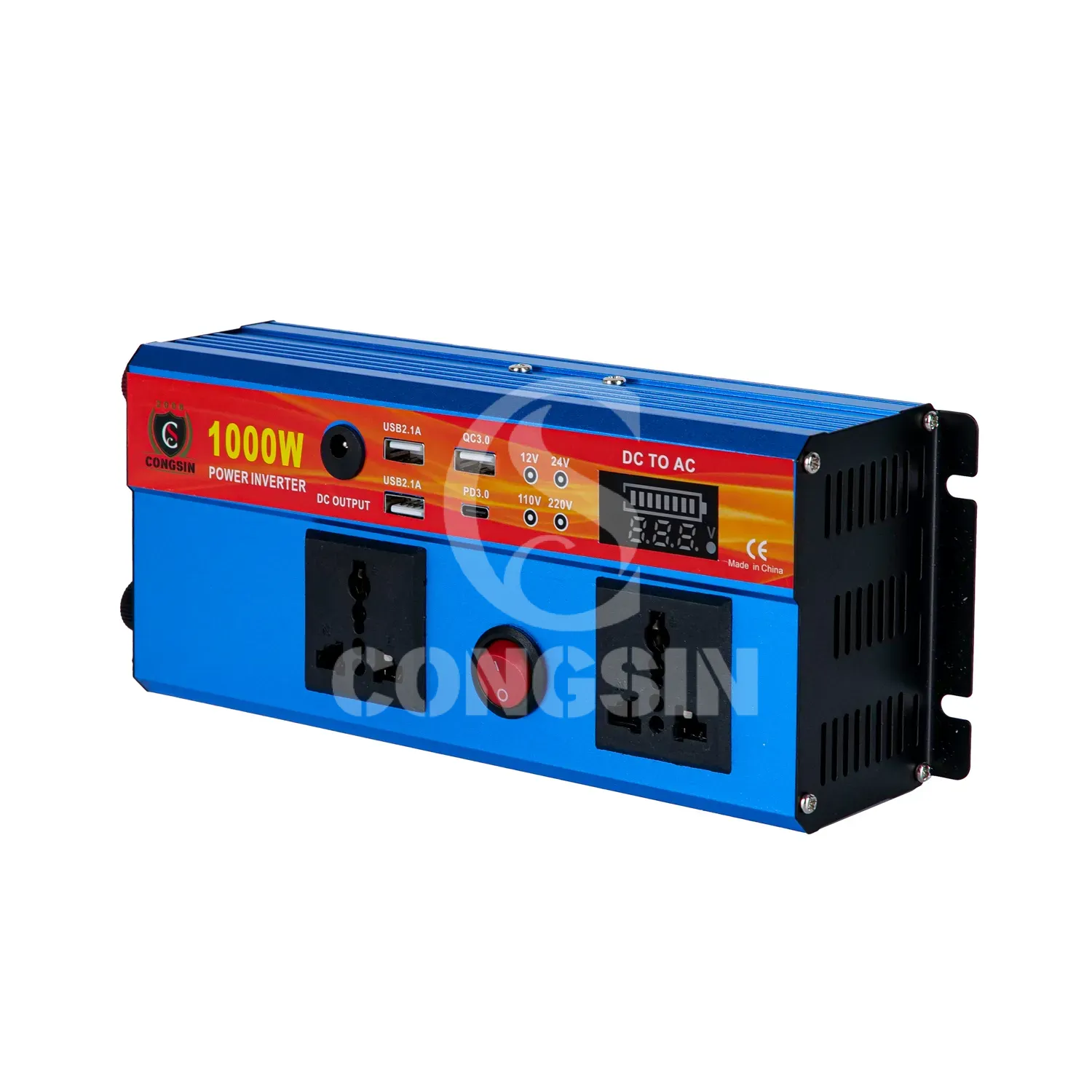
Which plug types are supported by the universal socket?
The universal socket is compatible with most national plug specifications, such as GB, US, EU, etc., and can meet the use of devices in different regions (some require adapters).
What is the difference between modified sine wave and pure sine wave?
Modified sine wave is suitable for most ordinary home appliances and electronic devices; pure sine wave is suitable for devices with extremely high power requirements (such as precision instruments). This modified sine wave is more cost-effective and meets the needs of most daily scenarios.
Pure Sine Wave Inverters
Can this inverter drive a 3P air conditioner and a refrigerator at the same time?
Yes. The rated power of a 3P air conditioner is about 2200W-2500W, and an ordinary double-door refrigerator is about 150W-300W, with a total power of about 2350W-2800W, which does not exceed the 3000W continuous power; and the peak 6000W can cope with the instantaneous startup impact of the air conditioner. When using, ensure the battery capacity is ≥200Ah (12V) to ensure battery life.
Distributor
Do I need to carry inventory?
We offer flexible inventory options based on your market needs, and we can assist with supply chain management.
Products
Can I customize the logo?
Yes, OEM/ODM service is available.
Get in Touch with Our Team
You can also communicate with us directly through our online contact form. Please fill in the following information, and our team will contact you as soon as possible after receiving your message.

CONGSIN is a trusted OEM factory for power inverters, solar charge controllers, and DC converters. Reliable solutions for global B2B buyers.
 High Quality
 7/24 Service
 Guaranteed Warranty
© 2025 Congsin. All Rights Reserved.