





What are real-world efficiencies of AC to DC car inverters?
When considering the purchase of an AC to DC car inverter, it's crucial to address specific questions that often lack comprehensive answers online. Below are six detailed questions and their in-depth answers to guide your decision-making process.
1. What are the real-world efficiency levels of AC to DC car inverters under typical driving conditions?
In real-world applications, the efficiency of AC to DC car inverters varies based on factors such as load, ambient temperature, and inverter design. High-quality sine wave inverters typically operate at 90-95% efficiency, while lower-quality modified sine wave inverters range from 75-85% efficiency. It's important to note that inverter efficiency can fluctuate with load; for instance, operating at very light or very heavy loads may result in lower efficiency. Therefore, selecting an inverter with a high efficiency rating and understanding its performance curve is essential for optimal energy conversion.
2. How does the inverter's efficiency impact fuel consumption and overall vehicle performance?
The efficiency of an AC to DC car inverter directly influences fuel consumption and vehicle performance. An inefficient inverter can lead to increased energy consumption, as more power is drawn from the vehicle's battery to compensate for energy losses. This additional load can result in reduced driving range and may necessitate more frequent recharging or refueling. Conversely, a high-efficiency inverter minimizes energy losses, preserving battery life and maintaining optimal vehicle performance.
3. What are the common installation challenges associated with AC to DC car inverters, and how can they be mitigated?
Installing an AC to DC car inverter involves several challenges:
Overloading the Inverter: Connecting devices that exceed the inverter's capacity can cause overheating and potential damage. To prevent this, calculate the total wattage of devices you plan to power and choose an inverter with a slightly higher wattage than your needs.
Incorrect Wiring: Improper wiring can lead to short circuits and equipment damage. Always follow the manufacturer's wiring diagram and, if unsure, consult a professional.
Poor Installation Location: Installing the inverter in a cramped, hot, or wet area can lead to overheating and damage. Ensure the inverter is placed in a well-ventilated, cool, and dry location, away from direct sunlight.
4. How can electromagnetic interference (EMI) from the inverter affect vehicle electronics, and what measures can be taken to minimize this risk?
Inverters can generate electromagnetic interference (EMI) that may disrupt vehicle electronics, including sensors, radios, and onboard computers. To minimize EMI:
Choose High-Quality Inverters: Opt for inverters with proper filtering mechanisms to suppress electrical noise.
Proper Grounding: Ensure the inverter is correctly grounded to reduce EMI.
Installation Location: Place the inverter away from sensitive electronic components to reduce the risk of interference.
5. What maintenance practices are essential to ensure the longevity and optimal performance of an AC to DC car inverter?
Regular maintenance is crucial for the longevity and optimal performance of an AC to DC car inverter:
Regular Cleaning: Periodically clean the inverter to prevent dust accumulation, which can lead to overheating.
Check for Loose Connections: Inspect all wiring and connections to ensure they are secure and free from corrosion.
Monitor Performance: Regularly check the inverter's performance and address any issues promptly to prevent further damage.
6. Are there any safety precautions to consider when operating an AC to DC car inverter to prevent potential hazards?
To ensure safe operation of an AC to DC car inverter:
Avoid Overloading: Do not connect devices that exceed the inverter's rated capacity to prevent overheating and potential damage.
Proper Installation: Install the inverter in a well-ventilated, cool, and dry location to prevent overheating.
Regular Maintenance: Perform regular maintenance, including cleaning and checking for loose connections, to ensure safe operation.
By addressing these specific questions and considerations, you can make an informed decision when purchasing an AC to DC car inverter, ensuring it meets your needs and operates efficiently.
For personalized assistance and a quote tailored to your requirements, please contact us at info@csinverter.com or visit our website at www.csinverter.com.


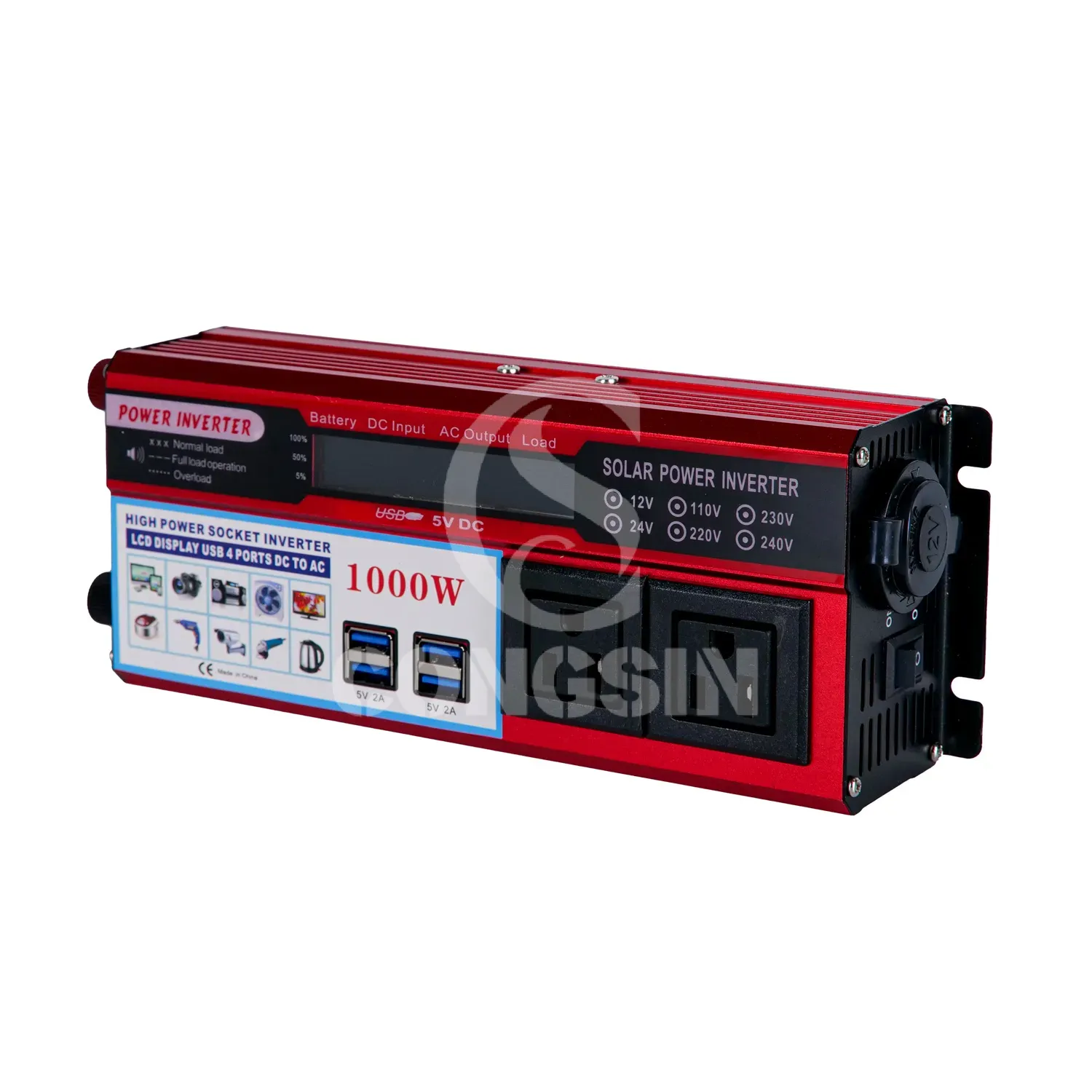
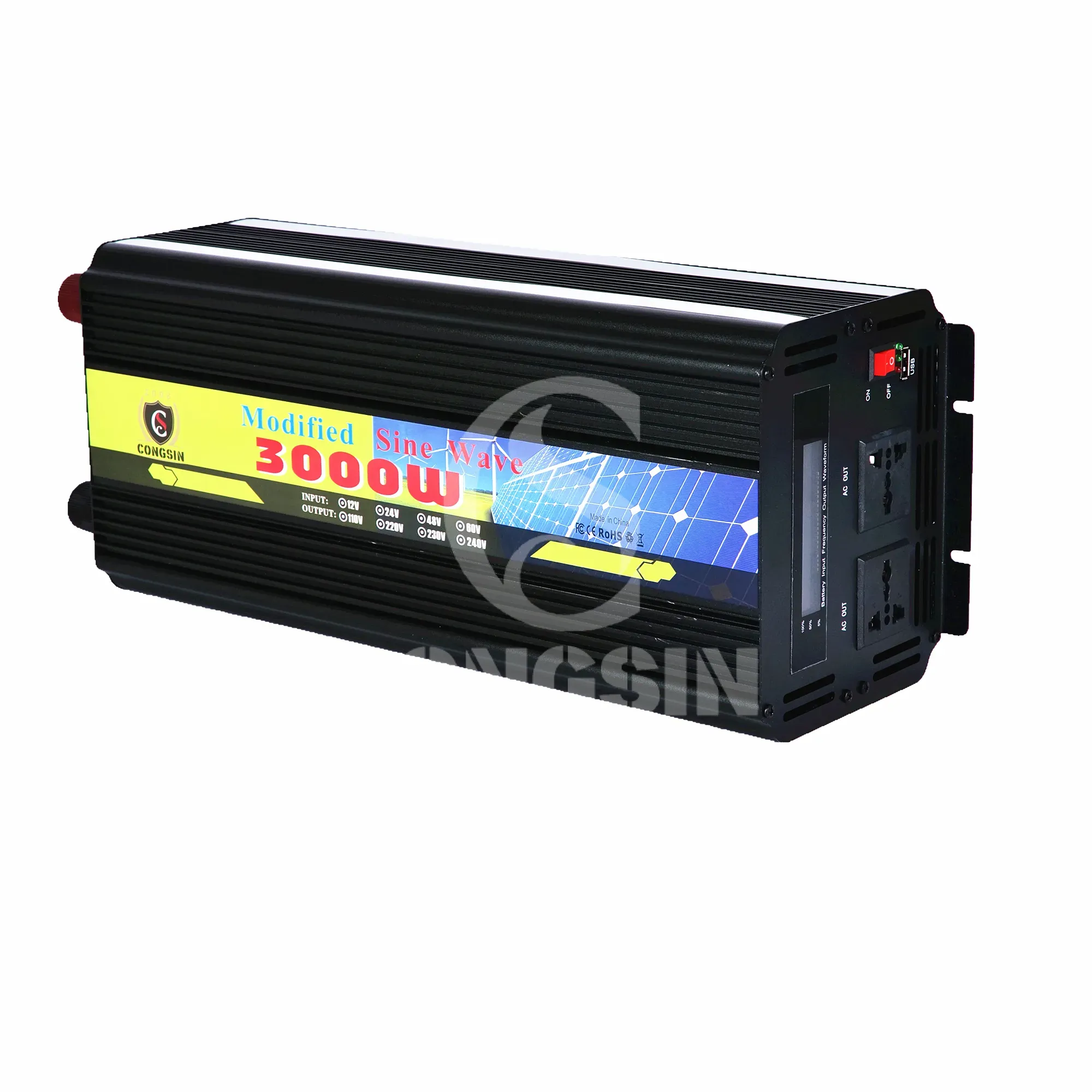
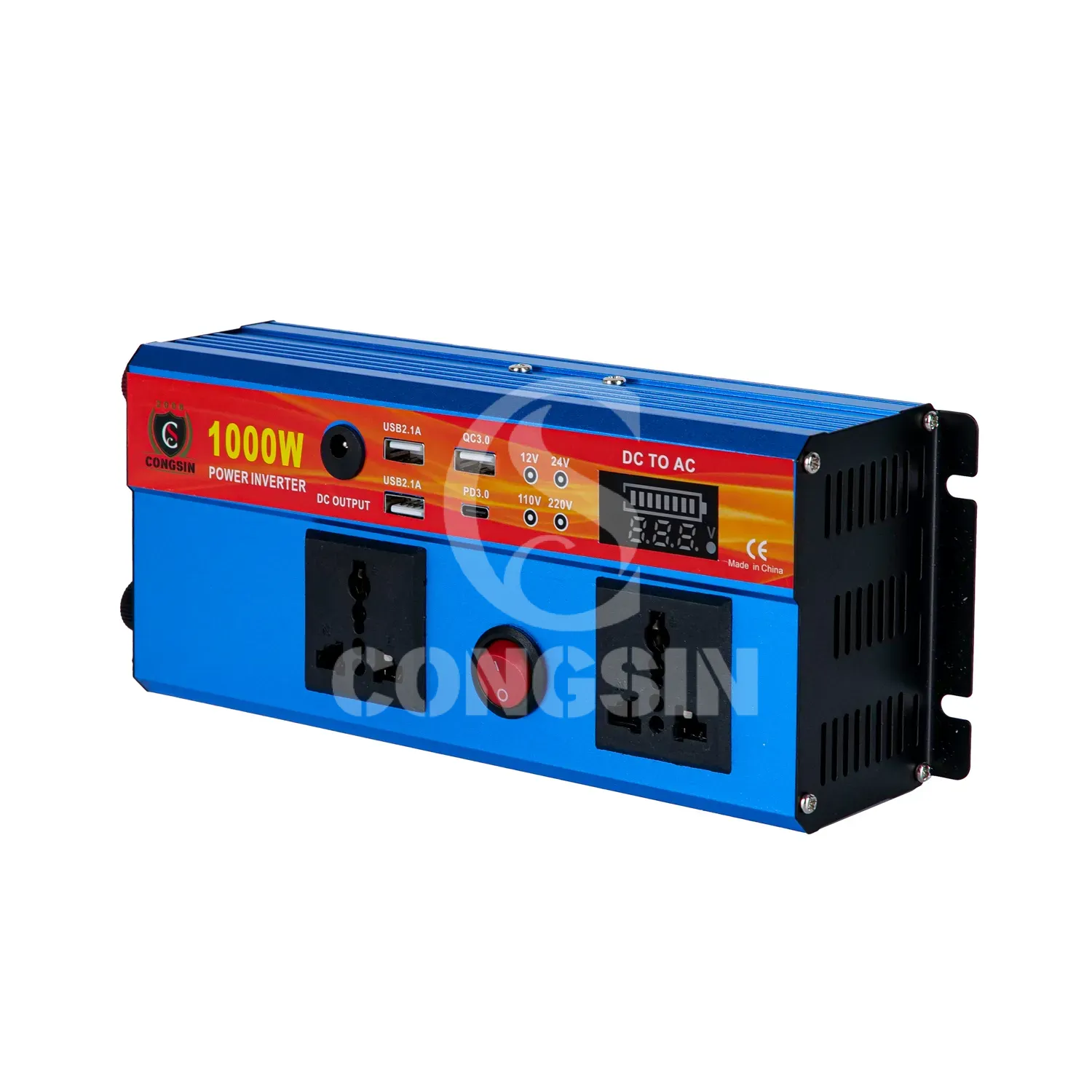
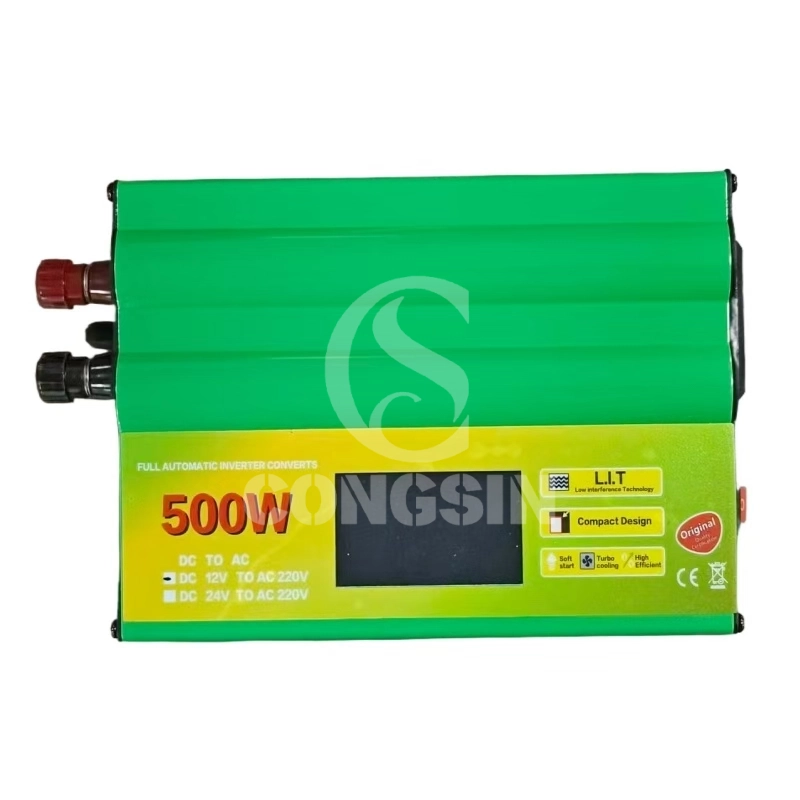
Modified Sine Wave Inverters
Can this inverter power a laptop?
If the laptop power is within 150W and the input is AC220V, it can supply power normally.
Do you support OEM branding?
Yes, we offer logo, packaging, and label customization.
How to connect the battery with the battery clip?
Connect the positive and negative poles of the battery clip to the positive and negative poles of the battery respectively, and ensure a firm connection.
How to connect to the battery?
Use the included battery clips, connect the red clip to the positive pole of the battery and the black clip to the negative pole. Ensure good contact and no short-circuit risk when connecting.
Pure Sine Wave Inverters
Can it drive a 3P air conditioner and an electric oven at the same time?
Total power needs to be calculated: the rated power of a 3P air conditioner is about 2200W-2500W, and the electric oven is about 1500W-2000W. The total power is 3700W-4500W, which exceeds the 3000W continuous power, so simultaneous use is not recommended; if used alone, the 6000W peak can meet the startup needs of both, and the battery capacity must be ≥200Ah (12V) when used alone.
Get in Touch with Our Team
You can also communicate with us directly through our online contact form. Please fill in the following information, and our team will contact you as soon as possible after receiving your message.

CONGSIN is a trusted OEM factory for power inverters, solar charge controllers, and DC converters. Reliable solutions for global B2B buyers.
 High Quality
 7/24 Service
 Guaranteed Warranty
© 2025 Congsin. All Rights Reserved.