



Car Charger Inverters: Power, Waveform, Ports & Safety Guide
- Quick Answer: How Do You Choose a Car Charger Inverter?
- 1. Start With the Devices You Need to Power
- 2. Understand Continuous and Surge Power
- 3. Pure Sine Wave vs Modified Sine Wave
- 4. AC Outlets, USB and DC Ports
- 5. Accessory Socket or Direct Battery Connection?
- 6. Battery Load and Engine-Off Use
- 7. Wiring, Fuse and Ventilation
- 8. Car Charger Inverter Selection Checklist
- 9. OEM and Fleet Applications
- 10. RFQ Checklist
- FAQ
- What size inverter do I need for a car?
- Can I charge a laptop with a car inverter?
- Is pure sine wave better for a car inverter?
- Can a car inverter drain the battery?
- Can I use a high-power inverter in a cigarette-lighter socket?
- What should I include in a car inverter RFQ?
Quick Answer: How Do You Choose a Car Charger Inverter?
Choose a car charger inverter by the devices you need to power, their continuous and startup wattage, the required AC waveform, the vehicle's DC voltage, outlet and USB needs, installation method and battery capacity. A compact inverter for phones and laptops is a different use case from a higher-power system for tools, appliances or vehicle conversions.
1. Start With the Devices You Need to Power
Make a load list before selecting the inverter. Phones and small chargers usually have modest power requirements, while laptops, camera equipment, coolers, pumps and tools can require more continuous power or higher startup current. The inverter should be sized for the real load rather than a guessed wattage.
2. Understand Continuous and Surge Power
Continuous rating describes normal output capability. Surge rating describes short-duration peak output for startup loads. Motors, compressors and some power supplies can briefly draw more than their normal operating wattage, so both ratings matter.
3. Pure Sine Wave vs Modified Sine Wave
Pure sine wave generally offers broader compatibility for laptops, audio equipment, motors and other sensitive electronics. Modified sine wave can operate some simpler loads, but compatibility varies by device and should be checked before use.
4. AC Outlets, USB and DC Ports
Compare the number and type of outputs against the devices you plan to connect. USB-A, USB-C, AC outlets and DC outputs serve different equipment. Port count alone is not enough; verify the supported voltage, current and total output limits of the exact model.
5. Accessory Socket or Direct Battery Connection?
Small inverters may be designed for a vehicle accessory socket. Higher-power units usually require a properly fused direct battery connection because accessory sockets and vehicle wiring have current limits. Follow the inverter and vehicle guidance for the intended installation.
6. Battery Load and Engine-Off Use
An inverter draws energy from the vehicle battery. Runtime depends on connected load, battery capacity, battery condition and whether the alternator is charging. Extended engine-off use can discharge the starting battery, so applications requiring long runtimes may need a separate auxiliary-battery strategy.
7. Wiring, Fuse and Ventilation
High DC current can cause voltage drop and heating if cables are undersized or connections are poor. Use the cable size, fuse protection and installation method specified for the inverter. Install the unit where cooling airflow is available and where it is protected from moisture and excessive heat.
8. Car Charger Inverter Selection Checklist
| Item | What to confirm |
|---|---|
| Power | Continuous and surge requirements |
| Waveform | Pure or modified sine wave based on connected devices |
| Input | Vehicle DC system voltage |
| Outputs | AC outlets, USB and any required DC ports |
| Installation | Accessory socket or fused battery connection |
9. OEM and Fleet Applications
For vehicle fleets, private-label products or conversion projects, define power rating, waveform, DC input, AC and USB outputs, remote controls, housing, labeling, packaging and destination-market requirements. Congsin's site profile confirms OEM/ODM and private-label support; exact options should be confirmed for each project.
10. RFQ Checklist
- Vehicle voltage
- Connected devices and wattage
- Startup surge requirements
- Pure or modified sine wave
- AC and USB output requirements
- Installation method
- Branding and packaging
- Quantity and destination market
FAQ
What size inverter do I need for a car?
Add the continuous wattage of your devices and check startup surge. Select an inverter with ratings appropriate for both normal and peak demand.
Can I charge a laptop with a car inverter?
Many laptop adapters can be powered by a suitable inverter, but waveform, wattage and adapter requirements should be checked first.
Is pure sine wave better for a car inverter?
Pure sine wave generally provides broader compatibility, especially for sensitive electronics, audio gear and some motor loads.
Can a car inverter drain the battery?
Yes. Inverter runtime depends on load, battery capacity, battery condition and whether the alternator is charging.
Can I use a high-power inverter in a cigarette-lighter socket?
Usually not. Accessory sockets have current limits, while higher-power inverters commonly require a properly fused direct battery connection.
What should I include in a car inverter RFQ?
Include vehicle voltage, load, surge, waveform, outputs, installation, control features, branding, quantity and destination market.
Off-Grid Inverter Buyer's Guide: Choosing the Right Model
Top 10 12V Car Inverters for Camping and Road Trips

Wholesale Modified Sine Wave Inverter with Double-Fan Cooling — Reliable High-Capacity Power

Congsin 150W Car Power Inverter — 12V to 220V Modified Sine Wave Portable DC to AC
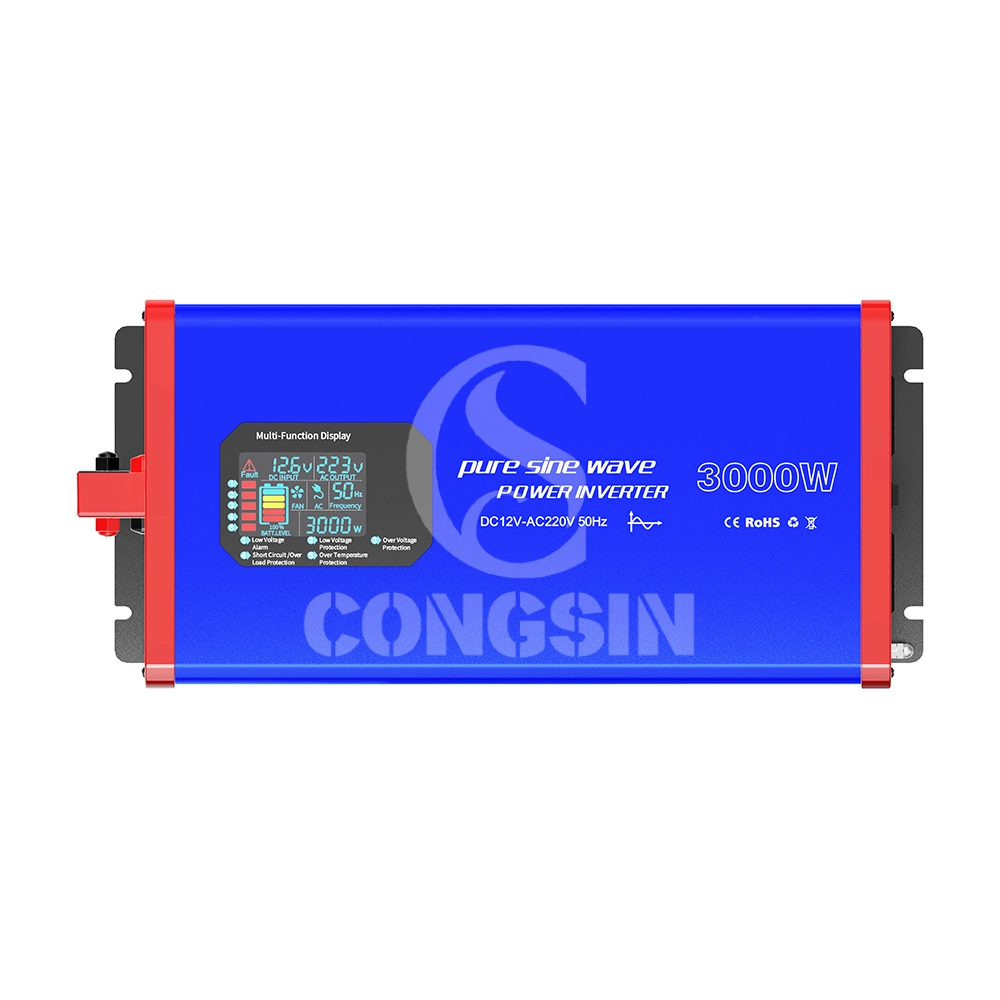
3000W Full-Power Pure Sine Wave Inverter, DC 12V to AC 220V Power Converter, Suitable for High-Power Precision Devices
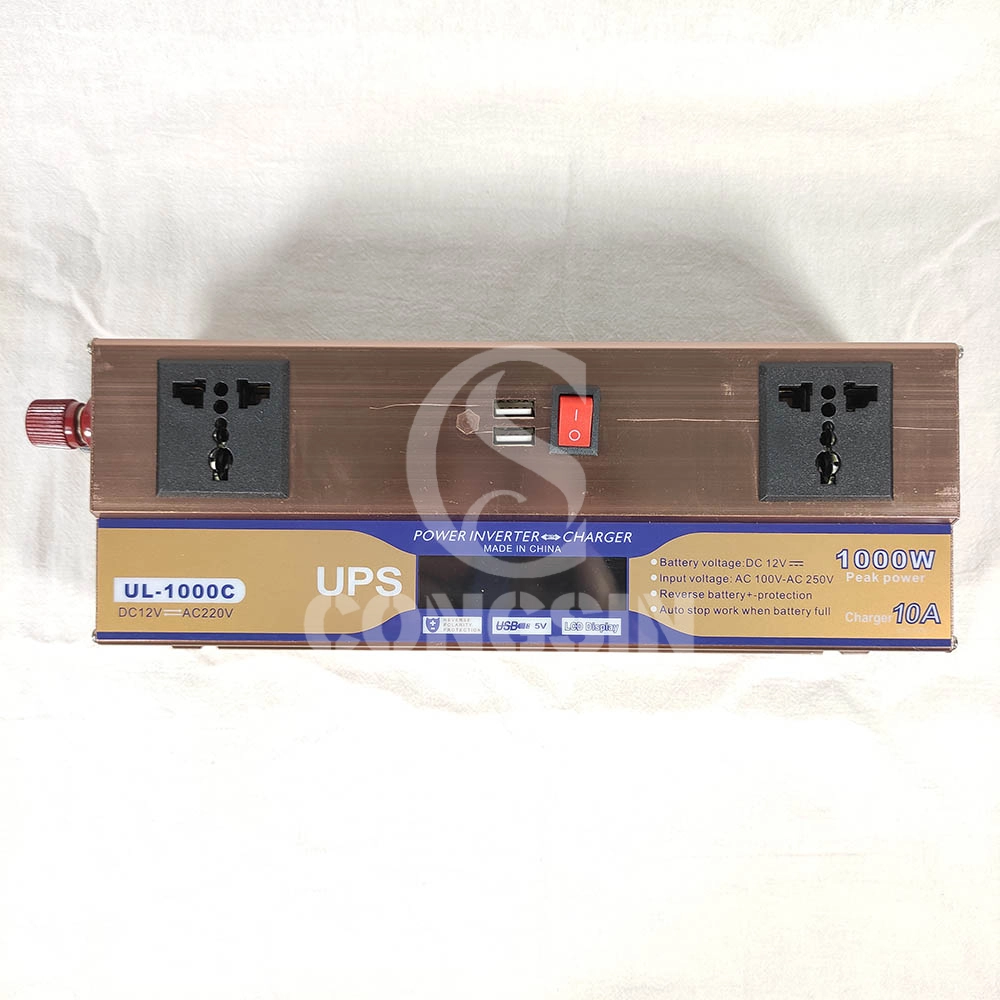
1000W Modified Sine Wave Inverter with UPS Charger DC12V to AC220V 600W Rated Power Dual Universal Socket Inverter

1500W Pure Sine Wave Inverter with Remote Control Function

2000W Modified Sine Wave Inverter, DC 12V to AC 220V Power Inverter with 2 AC Sockets, 2 Cooling Fans & Battery Terminal Wire (Model: CS2000BIG)
Get in Touch with Our Team
You can also communicate with us directly through our online contact form. Please fill in the following information, and our team will contact you as soon as possible after receiving your message.

CONGSIN is a trusted OEM factory for power inverters, solar charge controllers, and DC converters. Reliable solutions for global B2B buyers.
 High Quality
 7/24 Service
 Guaranteed Warranty
© 2025 Congsin. All Rights Reserved.
 WeChat
 Scan QR Code
sin cong
teaimei10
Whatsapp: +8618028086791
Scan QR Code